





 Português
  Inglês
  Espanhol
  5 min de leitura
  0 comentários


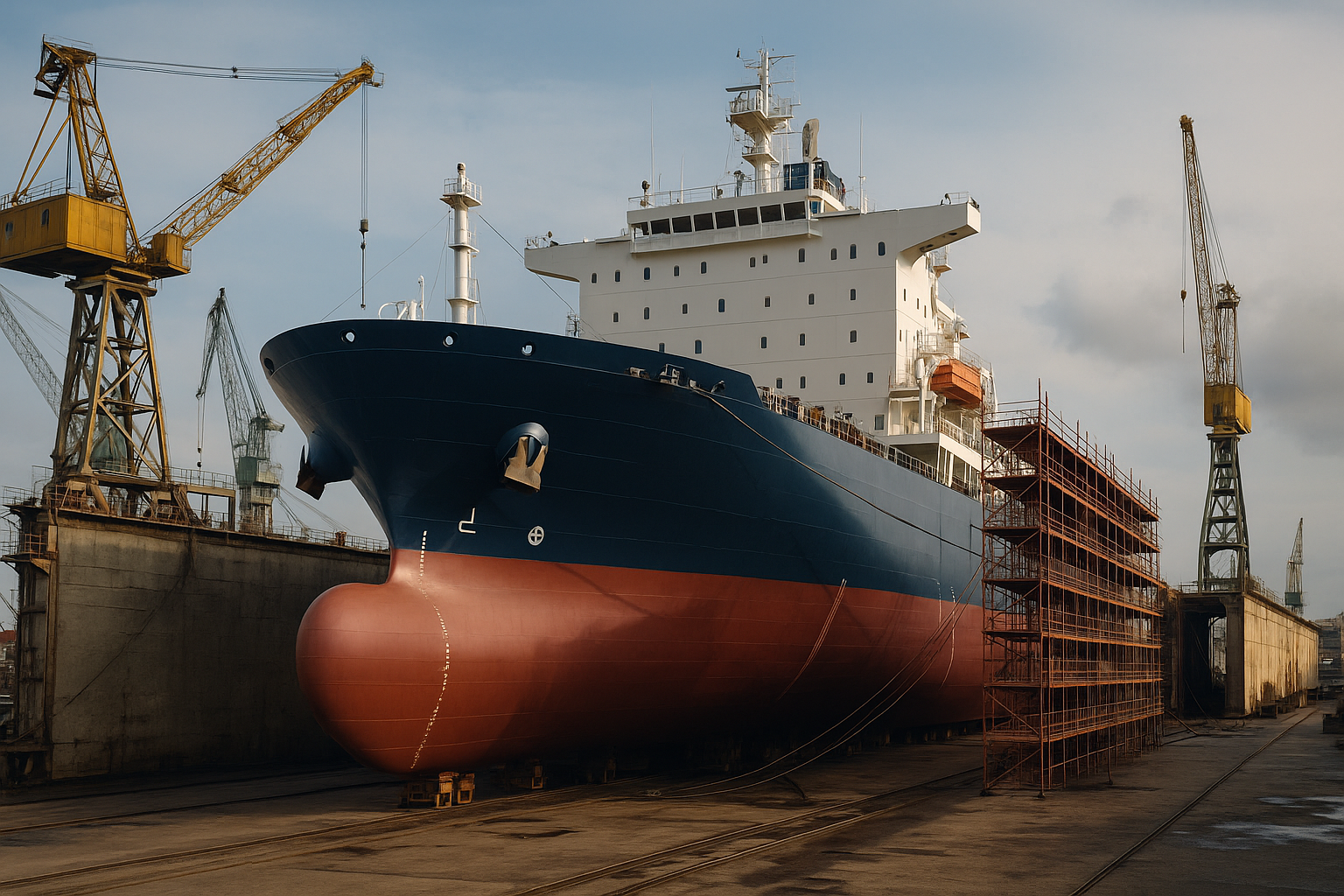
Understand How Costs in the Shipbuilding Industry Shape Global Trade and Directly Affect Product Prices and the Operation of Various Economic Sectors.
The shipbuilding industry sustains a large part of global trade.
Since ancient times, ships have played an essential role in transporting goods, connecting continents and enabling various commercial exchanges.
Behind the grandeur of ships and the majesty of shipyards lies a complex cost structure.
-
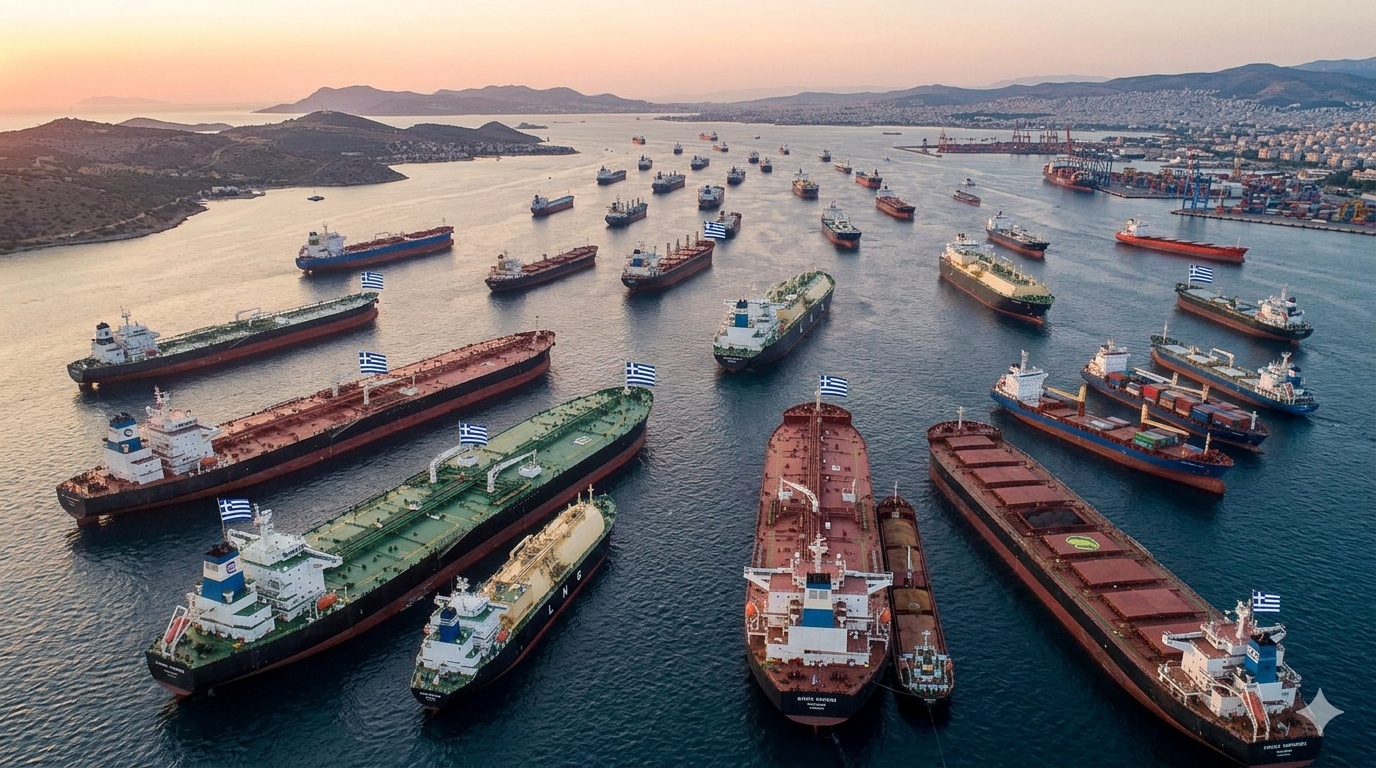
Neither the USA nor China: a small European nation has become one of the largest maritime powers on the planet, controlling one of the largest merchant fleets in the world with thousands of ships and dominating the global transportation of oil and strategic cargo.
-
Scotland and the United Kingdom have created a new anchoring system that floats in the water without touching the seabed, after discovering that the current from a conventional anchor destroys up to 50 m² of seagrass meadow per event and that ship-damaged reefs showed no signs of recovery even ten years later.

-
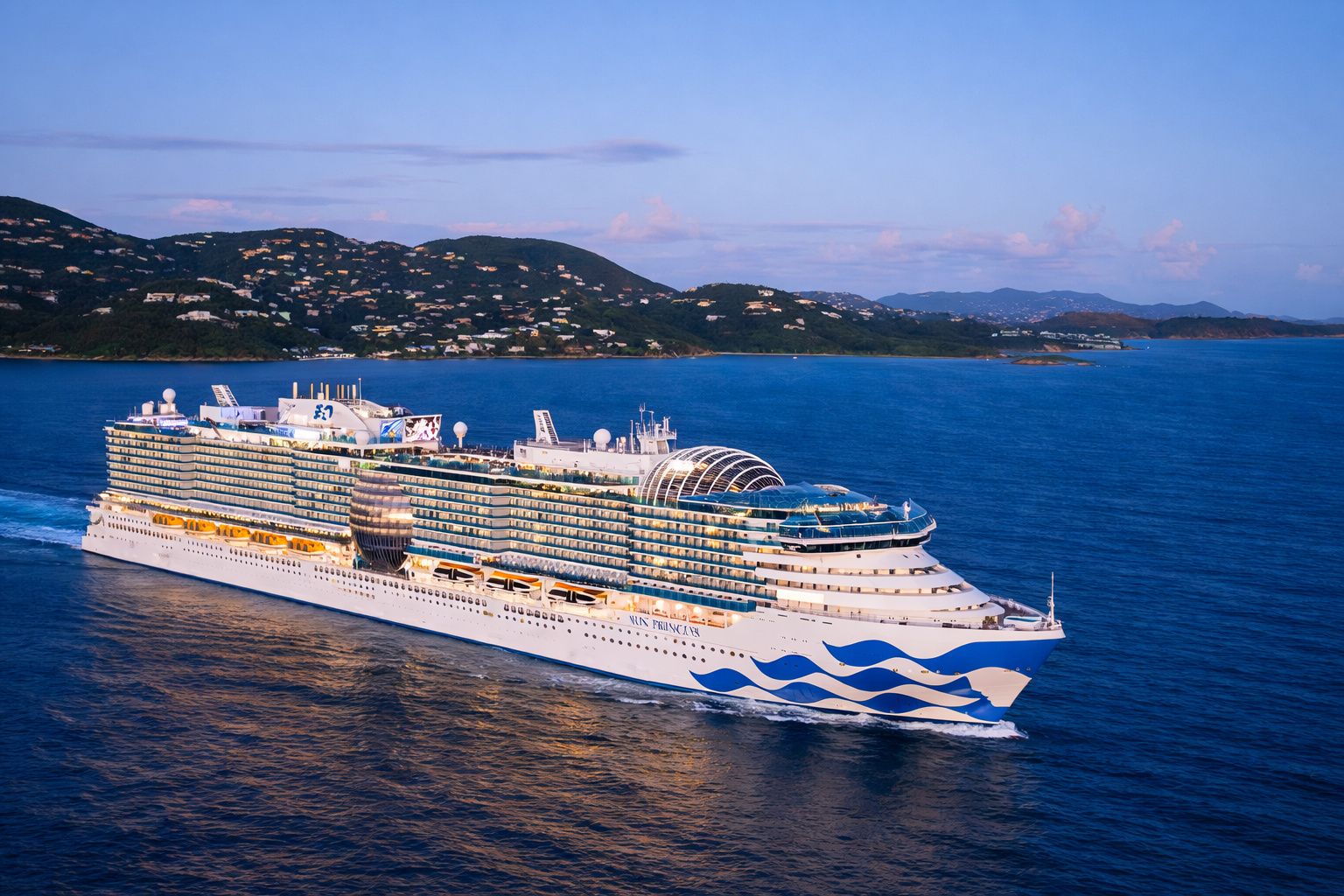
Weighing 175,500 Tons, Measuring 345 Meters Long, and With Capacity for Over 4,300 Passengers, the Sun Princess Becomes the Largest Ship Ever Built by Princess Cruises and Attracts Global Attention for Its Huge Glass Dome Inspired by Santorini’s Architecture Installed on Top of the Vessel
-
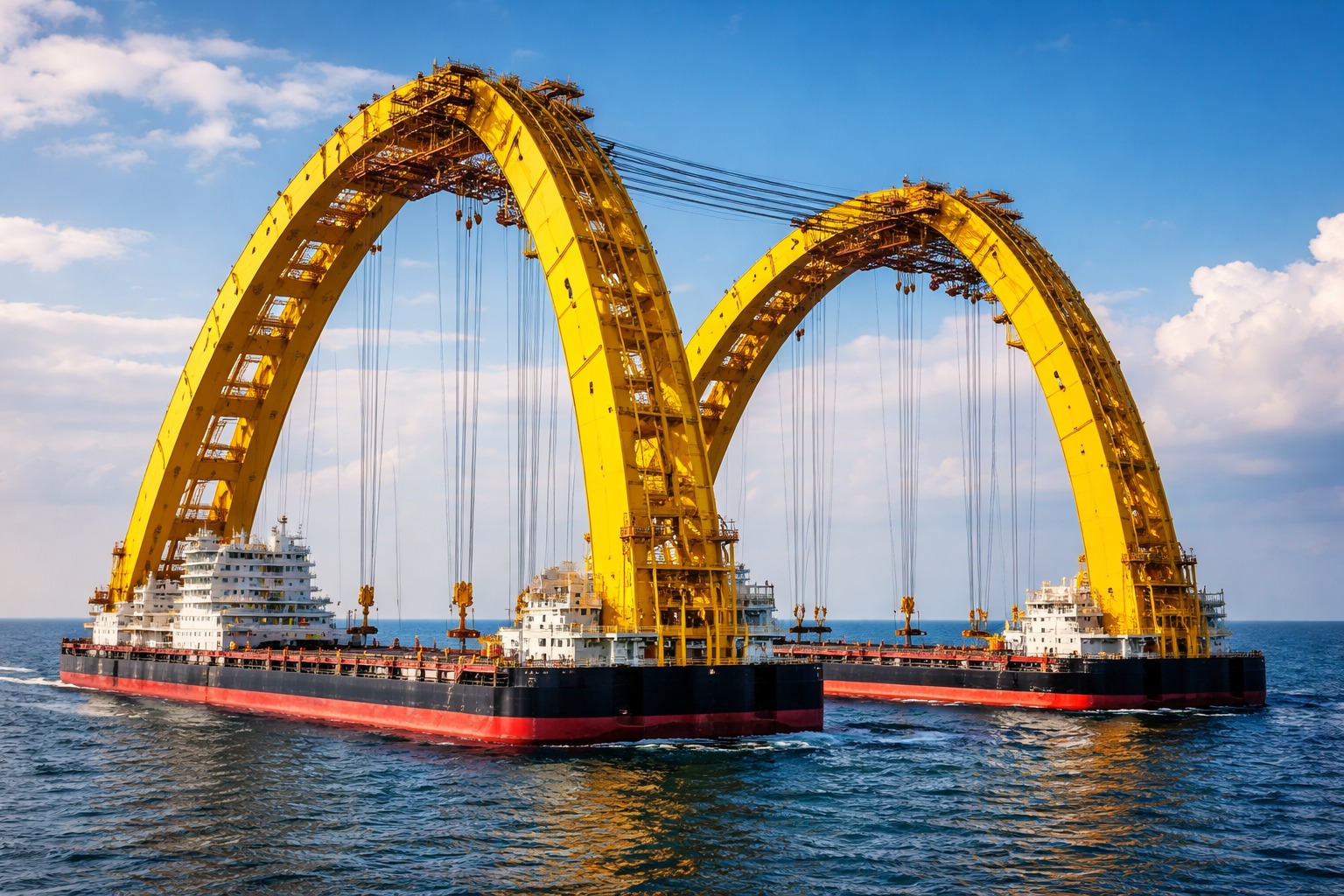
TX-10, The Colossus of The Sea: Largest Lifter Ship in The U.S., With Two Giant Barges, 73-Meter Tall Structure, and Strength to Raise 7,500 Tons of Sunken Oil Rigs

This influences not only the prices of vessels but also the value of products that reach store shelves and the performance of entire markets.
Thus, understanding the costs of the shipbuilding industry becomes essential to comprehend how the sector directly impacts the global economy.
These costs encompass the construction, operation, maintenance, and modernization of ships, along with the management of shipyards and shipping routes.
Although, like any other industrial sector, the shipbuilding industry suffers economic fluctuations, technological advances, and regulatory changes, these factors continuously shape it.
Moreover, throughout history, the strategic importance of the shipbuilding industry has influenced wars, colonizations, and the economic development of entire nations.
Today, this relevance persists, mainly because maritime transport remains the most efficient and economical way to move large volumes of cargo on an international scale.
According to the International Maritime Organization (IMO, 2024), more than 80% of world trade occurs via maritime routes, reinforcing the economic importance of this sector.
Historical Roots and the Advancement of the Shipbuilding Industry
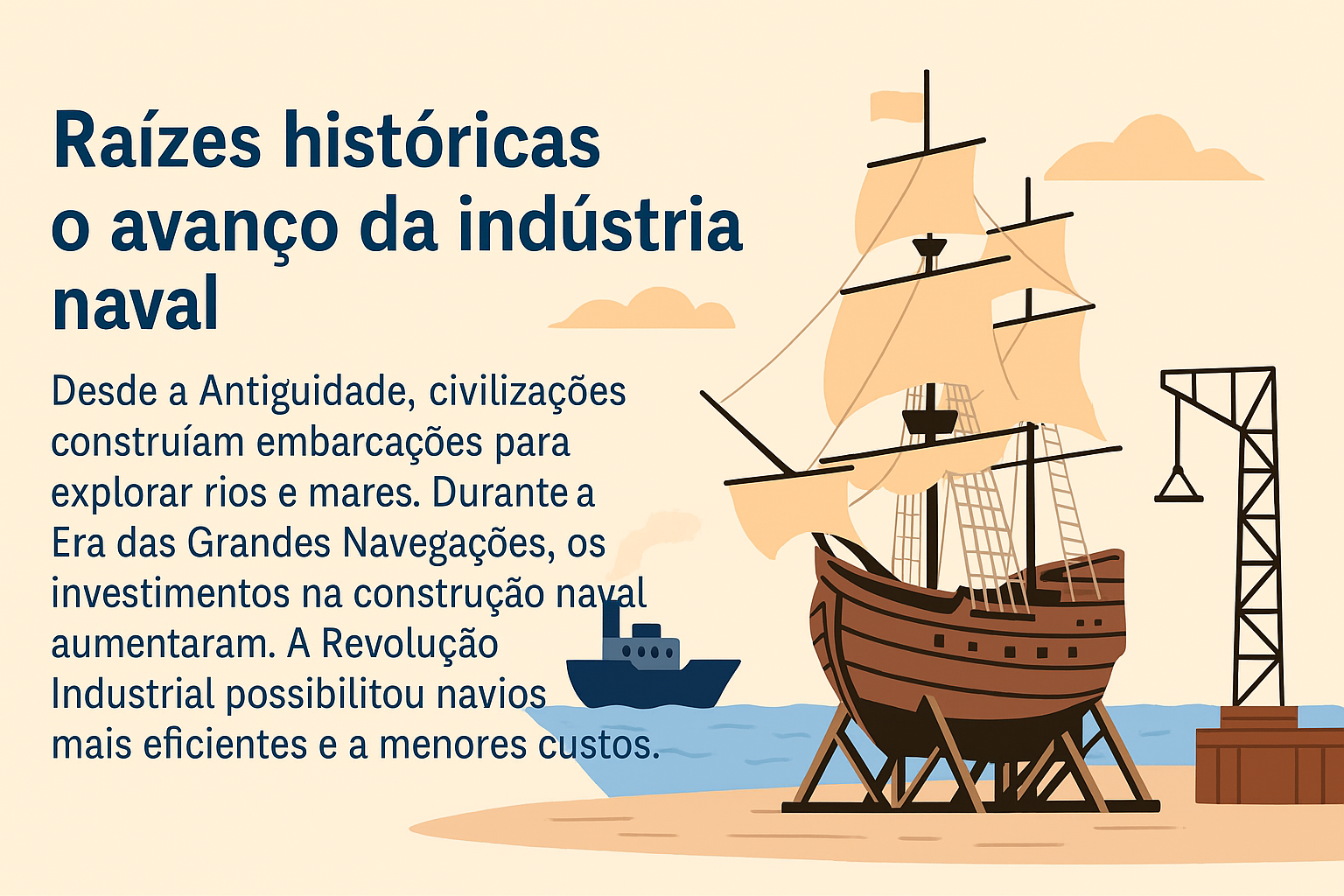
Since Antiquity, civilizations such as the Egyptians, Phoenicians, and Greeks built vessels to explore rivers and seas.
The mastery of navigation was synonymous with power and wealth, which drove up shipbuilding costs due to the need for noble materials and specialized labor.
However, it was during the Age of Great Discoveries, between the 15th and 17th centuries, that the shipbuilding industry began to systematize more comprehensively.
At this time, Portugal and Spain led maritime expansion, with robust fleets requiring high investments to ensure the durability and safety of ocean voyages.
According to the Institute of Maritime History (IHM, 2023), the costs involved included not only the wood and iron for construction.
But also the financing of expeditions, maintenance of vessels, and crew salaries, factors that made the sector an economic challenge.
With the Industrial Revolution in the 19th century, shipbuilding made a significant leap.
The replacement of wood with steel and the introduction of steam engines reduced long-term operational costs, although the technical complexity raised initial investment.
Shipyards began to operate with more efficient industrial processes, especially in countries like England and the United States, which dominated the naval market for decades.
According to the Institute of Maritime Technology (ITM, 2024), the adoption of ship-grade steel and the standardization of construction processes were decisive milestones in reducing costs and increasing production scale.
However, the industry continued to face high operational costs, maintenance, and technological upgrades.
Main Components of Shipbuilding Industry Costs
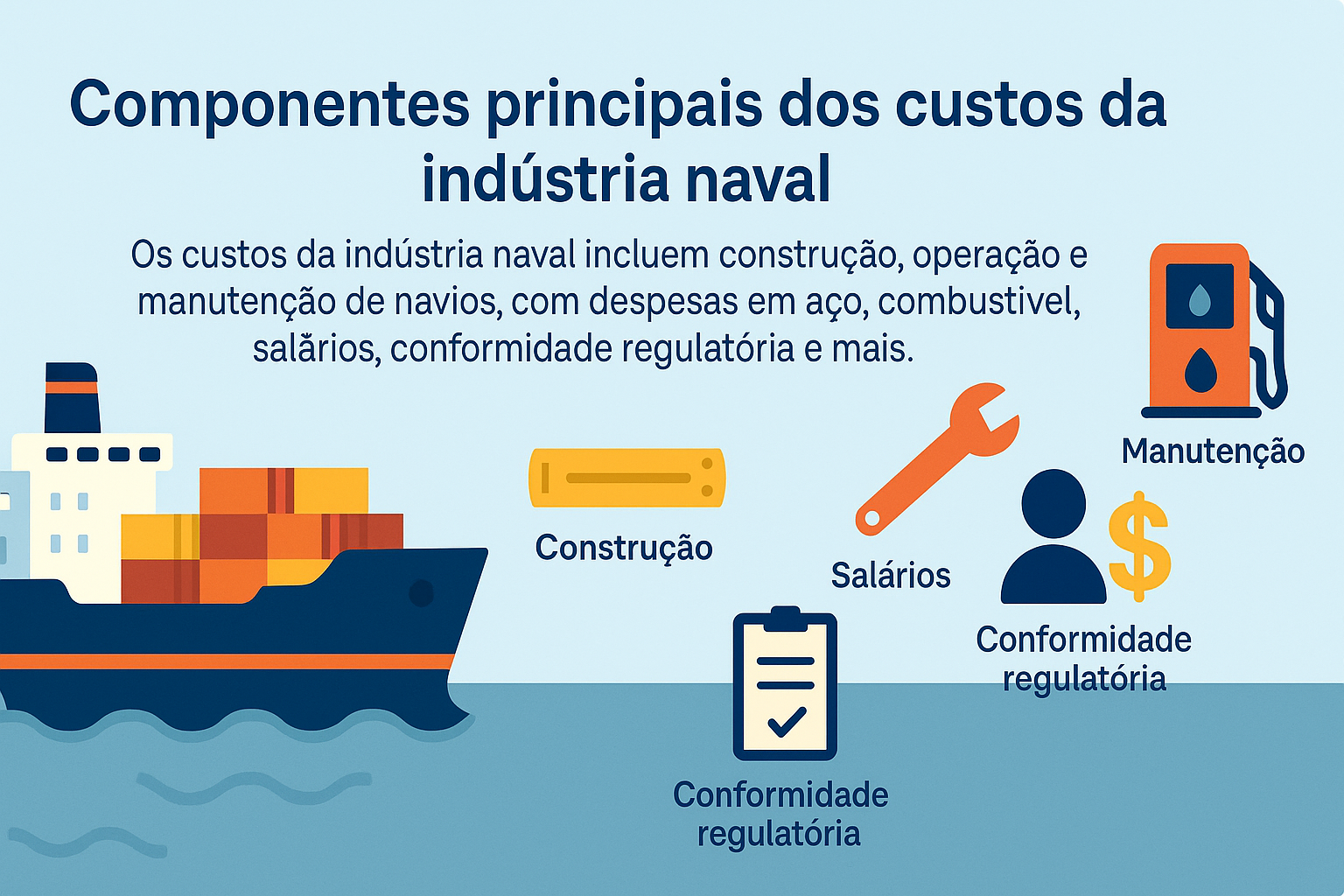
Currently, the costs of the shipbuilding industry involve various interconnected factors.
The construction of a ship depends on the purchase of high-quality ship-grade steel, complex propulsion systems, advanced electronic equipment, and rigorous safety systems.
Additionally, the shipyard must invest in specialized labor and comply with environmental and regulatory requirements, which also drive up costs.
According to the annual report from BIMCO (2024), the international association of shipowners, the construction costs of modern ships can vary significantly, reaching hundreds of millions of dollars, depending on the size and purpose of the vessel.
Operating a ship also incurs considerable expenses, including fuel, crew salaries, port fees, and marine insurance.
Moreover, constant maintenance and the technological updates required by international standards, such as those from the International Maritime Organization, raise costs over the lifespan of ships.
According to data from the International Energy Agency (IEA, 2023), compliance with environmental standards, such as the reduction of sulfur content in fuel (IMO 2020), has increased operational costs by up to 15% in recent years.
Furthermore, digital security has become an increasing concern.
According to the BIMCO (2024) report, investments in cybersecurity increased by 30% due to the higher incidence of virtual attacks in the shipping sector, raising operational costs.
Technology as an Ally to Reduce Costs

Despite the challenges, the shipbuilding industry is betting on innovation to reduce costs.
The automation of processes in shipyards and the use of advanced software in naval engineering improve production efficiency.
The development of ships powered by alternative fuels, such as LNG (liquefied natural gas), also promises lower operational costs in the long run.
Furthermore, digitizing operations allows for real-time monitoring of vessels, predicting maintenance, and avoiding failures that incur unexpected costs.
The Institute of Maritime Technology (ITM, 2024) predicts that the adoption of artificial intelligence and automation could reduce operational costs in the shipbuilding industry by up to 20% in the next decade.
The use of new materials, 3D printing for manufacturing parts, and advanced simulators for crew training also contribute to lowering costs and increasing safety.
What to Expect from the Future of the Shipbuilding Industry?
Investments in research and development will be essential to create more economical and less polluting vessels.
Governments and international organizations should maintain policies that encourage innovation without compromising the environment.
Emerging countries, such as Brazil, can benefit by strengthening their shipyards and training specialized labor, generating jobs and competitiveness.
The advancement of digitization and artificial intelligence will allow for more optimized processes and less waste, as predicted by the Institute of Maritime Technology (ITM, 2024).
Finally, international cooperation will remain essential to harmonize regulations and ensure a stable and sustainable maritime market.
The costs of the shipbuilding industry reflect historical evolution, economic decisions, and technological advances that shape global trade.
Understanding these costs allows for an appreciation of the impact of the shipbuilding industry on daily life and the importance of investing in innovation and sustainability to ensure the future of the sector.











Seja o primeiro a reagir!