





 Portuguese
  English
  Spanish
  5 min of reading
  0 comments


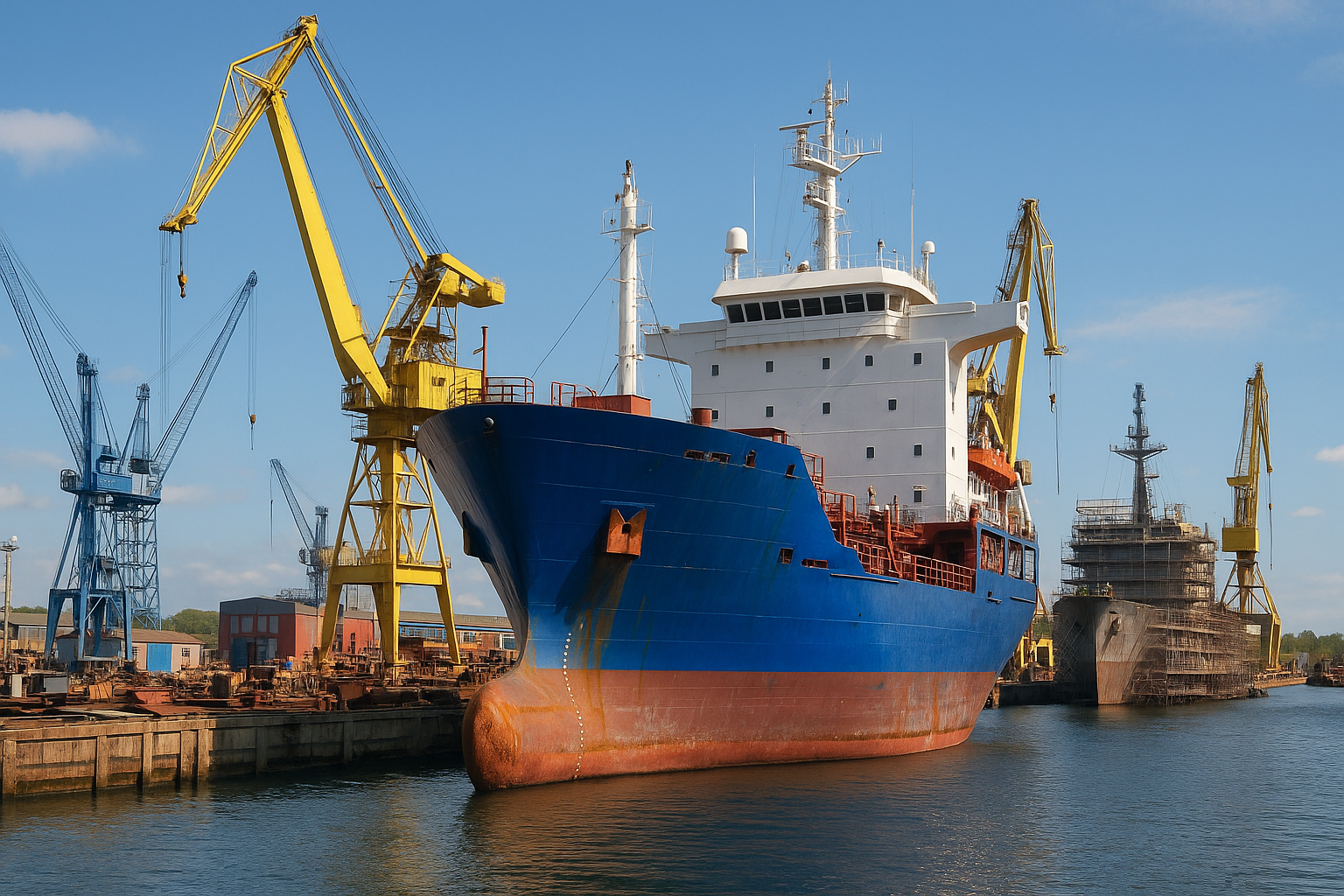
Know The Importance of Brazilian Shipyards, From Their Historical Roots to Their Current Impact on the Economy, Job Creation, and Strategic Development of the Country.
Brazilian shipyards play a fundamental role in the development of the naval industry and the national economy.
Moreover, far beyond the simple construction of ships, they represent the strength of specialized labor, technological advancement, and Brazil’s strategic potential in the global maritime scenario.
Therefore, understanding this influence helps to see how much this sector impacts the market in a broad, dynamic, and continuous way, affecting everything from cargo transportation to national defense.
-
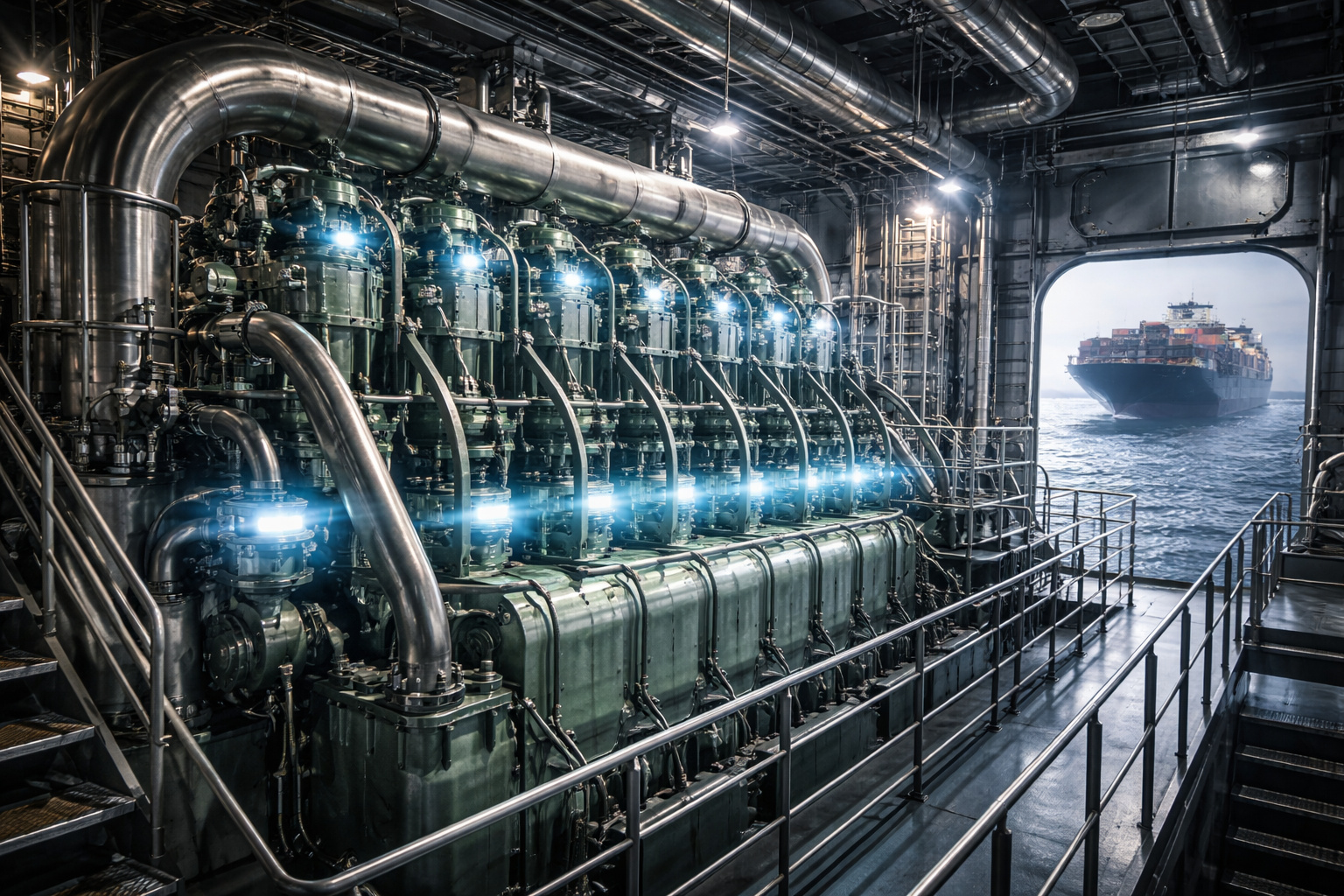
Europe is trying to create an ammonia-powered marine engine without auxiliary fuel, which could unlock the race for giant emission-free ships. The technology aims to eliminate one of the biggest obstacles to clean maritime propulsion.
-
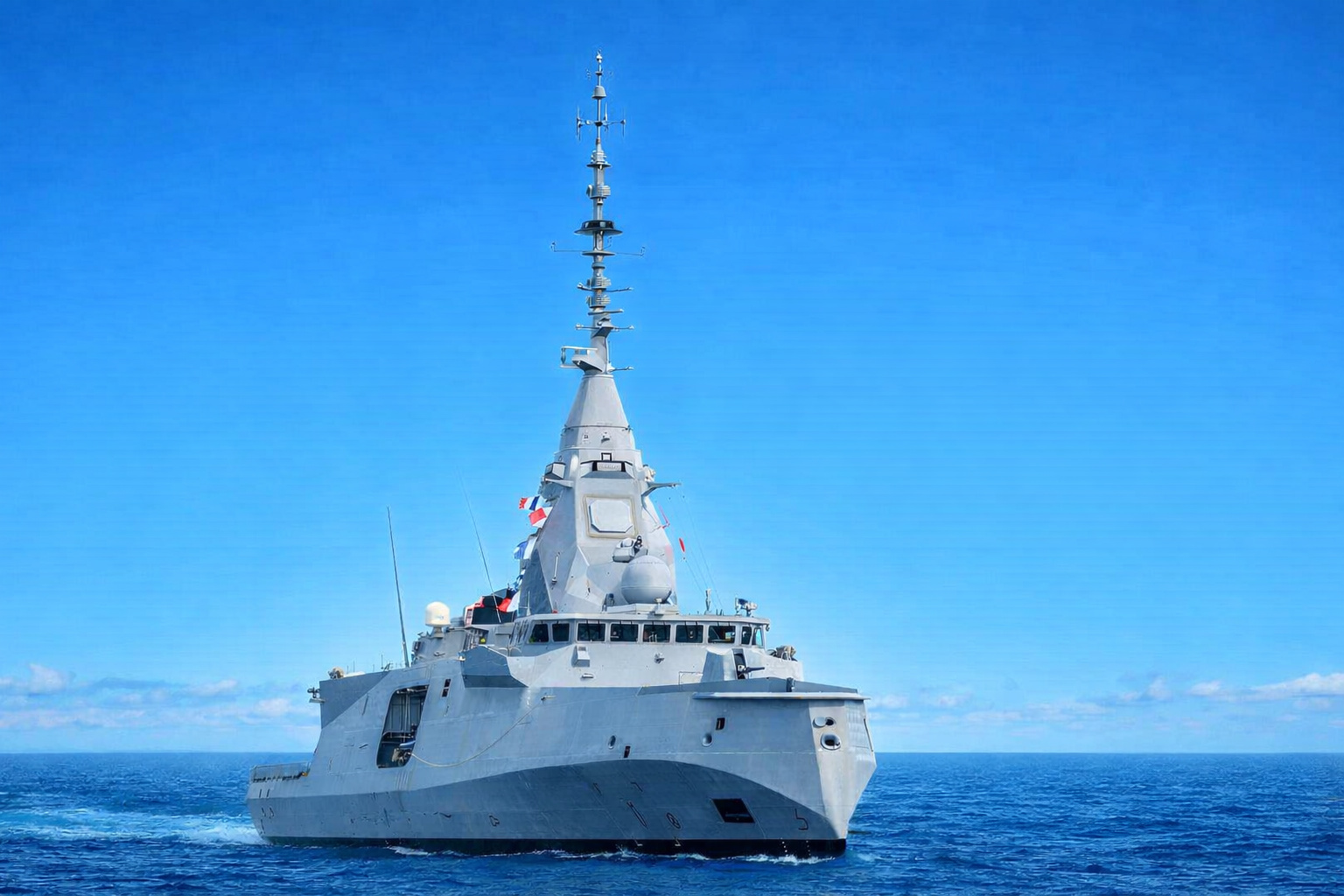
A 4,500-ton frigate with just over 100 crew members, state-of-the-art radar, and cruise missiles is being touted as the new standard of naval warfare in the 21st century.
-
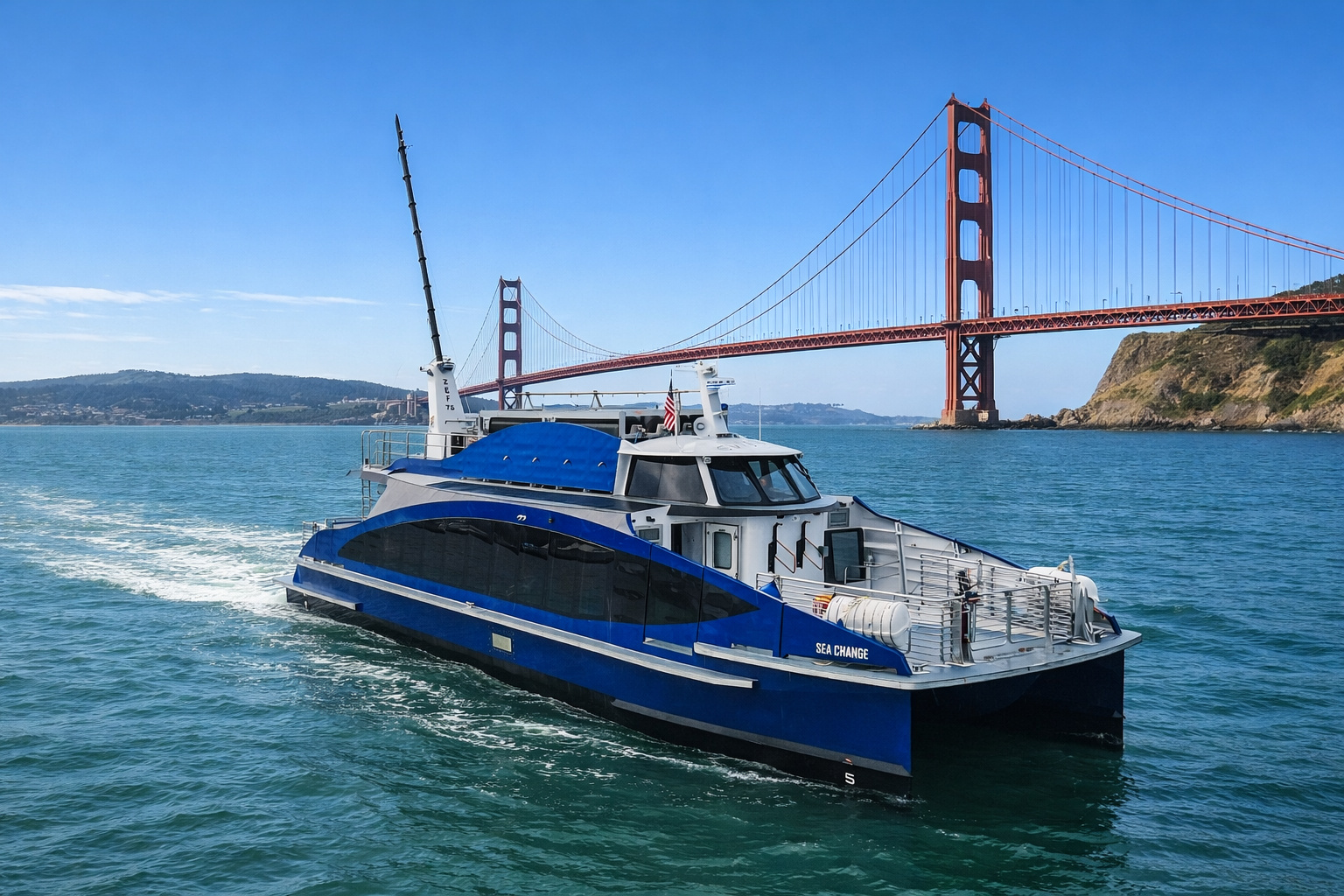
The first commercial hydrogen-powered ferry enters operation in the U.S., eliminates the use of diesel, uses fuel cells to generate clean energy on board, and transforms San Francisco Bay into a landmark of the new era of emission-free navigation.
-
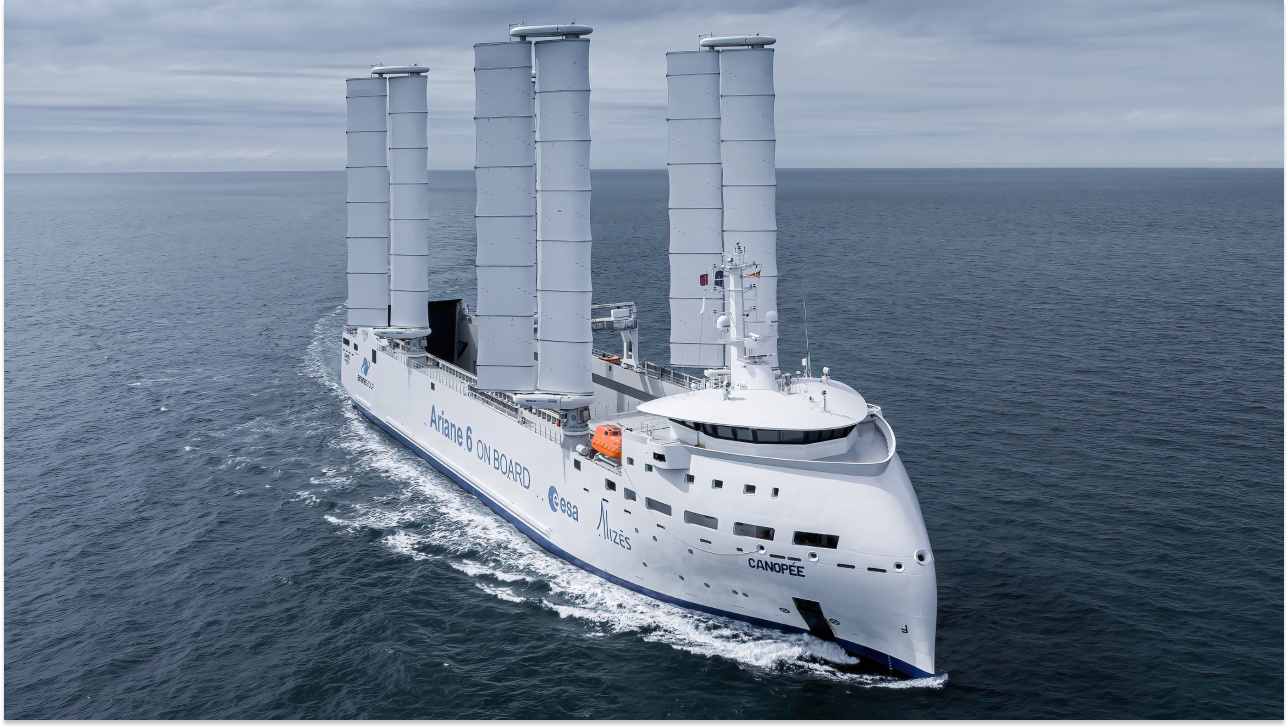
With a length of 121 meters and four rigid sails of 36 meters that automatically rotate to capture the wind, Canopée is the world’s first hybrid industrial cargo ship powered by wind, used to transport rockets and reduce fuel consumption by up to 30% on transoceanic routes.

The naval sector moves a diversified production chain, ranging from steel production to specialized engineering.
For this reason, the development of shipyards is directly related to the prosperity and innovation of the country, as well as symbolizing Brazil’s autonomy regarding strategic vessels.
According to data released by the Brazilian Institute of Geography and Statistics (IBGE), the naval industry represented, in 2022, about 1.5% of the Brazilian industrial Gross Domestic Product (GDP), reinforcing its economic importance.
The Origins of Naval Construction in Brazil

Naval construction in Brazil has roots that trace back to the colonial period in the 16th century, when the Portuguese established the first rudimentary shipyards to build vessels for exploring and protecting maritime routes.
As explained by the Brazilian Historical and Geographical Institute (IHGB), these first shipyards were fundamental for consolidating the Portuguese in the territory and for defending colonial possessions.
Initially, the Northeast and Southeast regions gained the first spaces for naval construction, taking advantage of the abundance of native woods.
The vessels built at that time were suitable for coastal and river navigation.
In the 19th century, with the arrival of the Portuguese royal family in Brazil in 1808, Brazilian ports were opened.
According to the IHGB, this event was a turning point for economic and industrial development, including naval construction.
Thus, shipyards began to manufacture larger and more resistant vessels, such as corvettes and frigates of the Brazilian Imperial Navy, enhancing the country’s defense capacity.
During the government of Getúlio Vargas (1930–1945; 1951–1954), the country experienced a strong phase of industrialization.
In this context, the foundation of the National Steel Company (CSN) in 1941 marked a milestone for the naval sector.
According to the Ministry of Economy, CSN began supplying shipyards with steel produced domestically, reducing dependency on imports and strengthening the national industry.
Additionally, public policies of that period encouraged the creation of larger and more technologically advanced shipyards, such as the Atlantico Sul Shipyard, founded in 1954 in Rio de Janeiro.
The Vargas Era and The Expansion of The Naval Sector
In the 1960s, Brazil adopted a strategic stance to strengthen the naval sector.
According to the Brazilian Agency for Industrial Development (ABDI), this period was marked by an increase in the production of national vessels, aiming to ensure strategic autonomy, stimulate the economy, and generate jobs.
The Merchant Marine Fund (FMM), created in 1958, financed the construction and modernization of vessels, making shipyards more competitive.
Data from the Brazilian Shipbuilding Industry Association (ABIN) indicate that between the 1970s and 1980s, Brazil became the second-largest producer of ships in the world, second only to Japan.
At this peak, shipyards such as Verolme, Mauá, and Ishikawajima built vessels for export, strengthening the Brazilian naval industry and its international presence.
This success was due to a combination of protectionist policies, strong demand for oil tankers due to offshore oil exploration, and the government’s bet on import substitution.
Also during this period, the production chain consolidated, including suppliers of steel, equipment, and technology.
Rio de Janeiro, São Paulo, and the South of Brazil stood out as naval hubs. Therefore, the naval sector became a symbol of national progress.
Crises and Recoveries in The Naval Sector
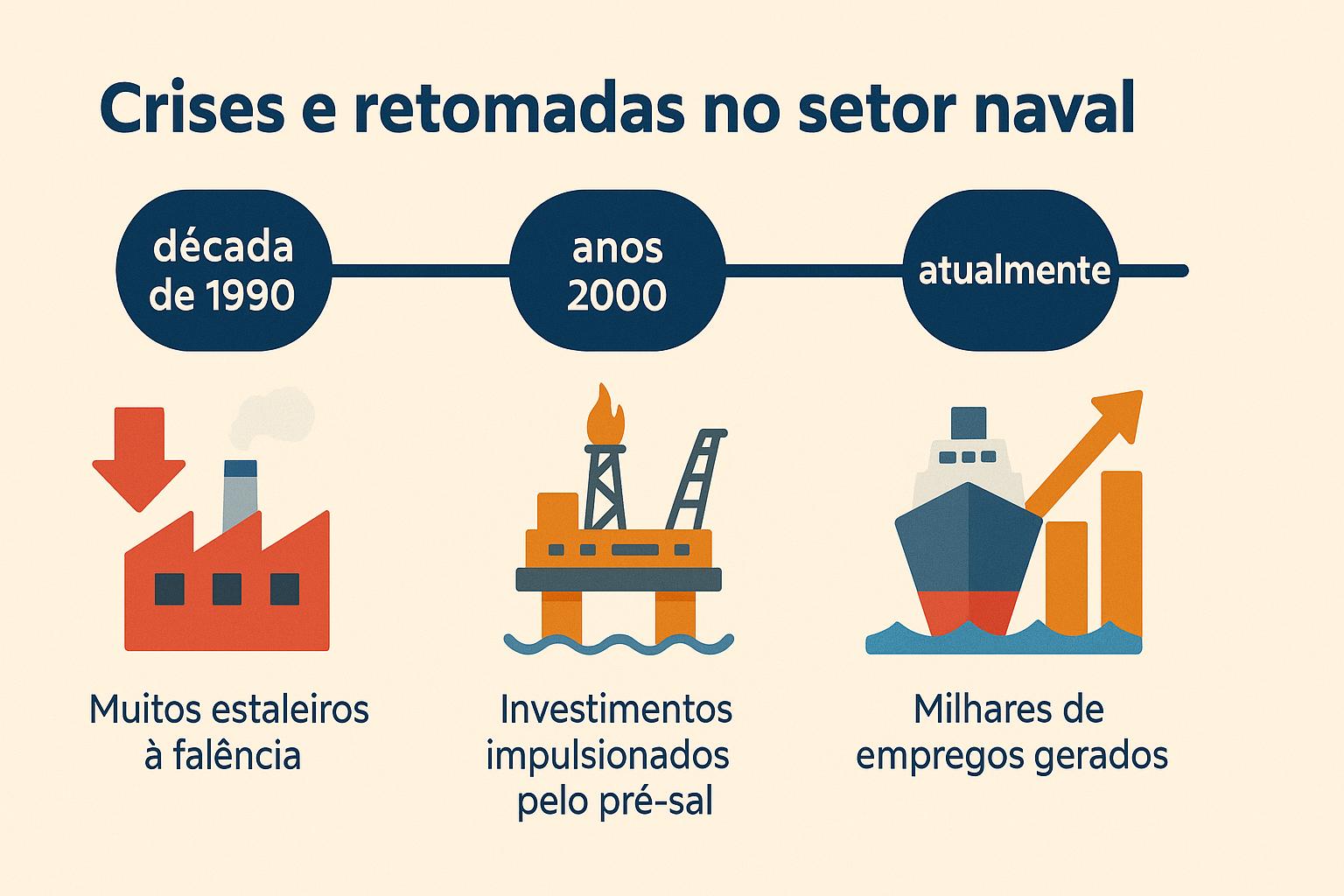
Despite the success, the Brazilian naval industry faced severe crises in the 1990s.
According to a report from the National Bank for Economic and Social Development (BNDES), the economic opening of the Real Plan in 1994, combined with a lack of specific public policies for the sector, led many shipyards to bankruptcy.
The sector could not compete with the Asian industry, especially Chinese and South Korean, which offered lower costs and high production scale.
However, from the 2000s onwards, there was a significant recovery, mainly driven by Petrobras investments in the pre-salt boom.
The National Energy Plan 2030 from the Ministry of Mines and Energy highlights that this demand created an urgent need for support vessels, platforms, and drilling rigs.
Consequently, shipyards such as Atlantico Sul underwent modernization.
As new naval hubs emerged in Pernambuco, Rio Grande do Sul, and Rio de Janeiro, bringing thousands of jobs and revitalizing local economies.
Besides the economic impact, these investments ensured Brazil’s capacity to build strategic vessels, reinforcing national sovereignty.
Challenges and Prospects for The Future

Currently, Brazilian shipyards continue to be major employers, especially in cities that have grown around naval hubs, such as Niterói, Rio Grande, and Ipojuca.
According to data from the Ministry of Labor and Employment (MTE), the sector generates thousands of direct and indirect jobs in these regions.
However, the sector faces challenges to maintain its global competitiveness.
The National Confederation of Industry (CNI) highlights that high production costs, bureaucracy, and economic instability hinder investment attraction.
Additionally, there is an urgent need for technological modernization, focusing on automation, innovation, and sustainability, to meet increasingly demanding international standards.
Thus, to grow, the country needs to invest in technical and professional training, ensuring a qualified and updated workforce.
Also, diversifying the vessels produced, with attention to transporting various cargoes and maritime tourism, can reduce the sector’s dependence on oil and gas.
Stable public policies, clear tax incentives, the resumption of the Merchant Marine Fund, and the simplification of processes are measures to provide legal security and attract investments.
Similarly, Brazil’s inclusion in international trade treaties could open doors to new markets, as indicated by foreign trade experts.
Brazilian Shipyards and Sustainability
In a global context concerned with the environment, Brazilian shipyards have the opportunity to position themselves at the forefront of sustainable naval construction.
According to the Brazilian Association of Naval Engineering (ABENAV), technologies such as natural gas-powered ships, energy recovery systems, and the use of less polluting materials are on the rise.
Adopting these practices not only meets environmental demands but also makes shipyards more competitive, attracting clients who value environmental responsibility.
Furthermore, innovation in this area contributes to the development of a modern naval industry prepared for the challenges of the future.
Therefore, Brazilian shipyards are much more than simple shipbuilding locations. They compose the economic, industrial, and strategic history of the country.









Seja o primeiro a reagir!