





 Portuguese
  English
  Spanish
  4 min of reading
  0 comments


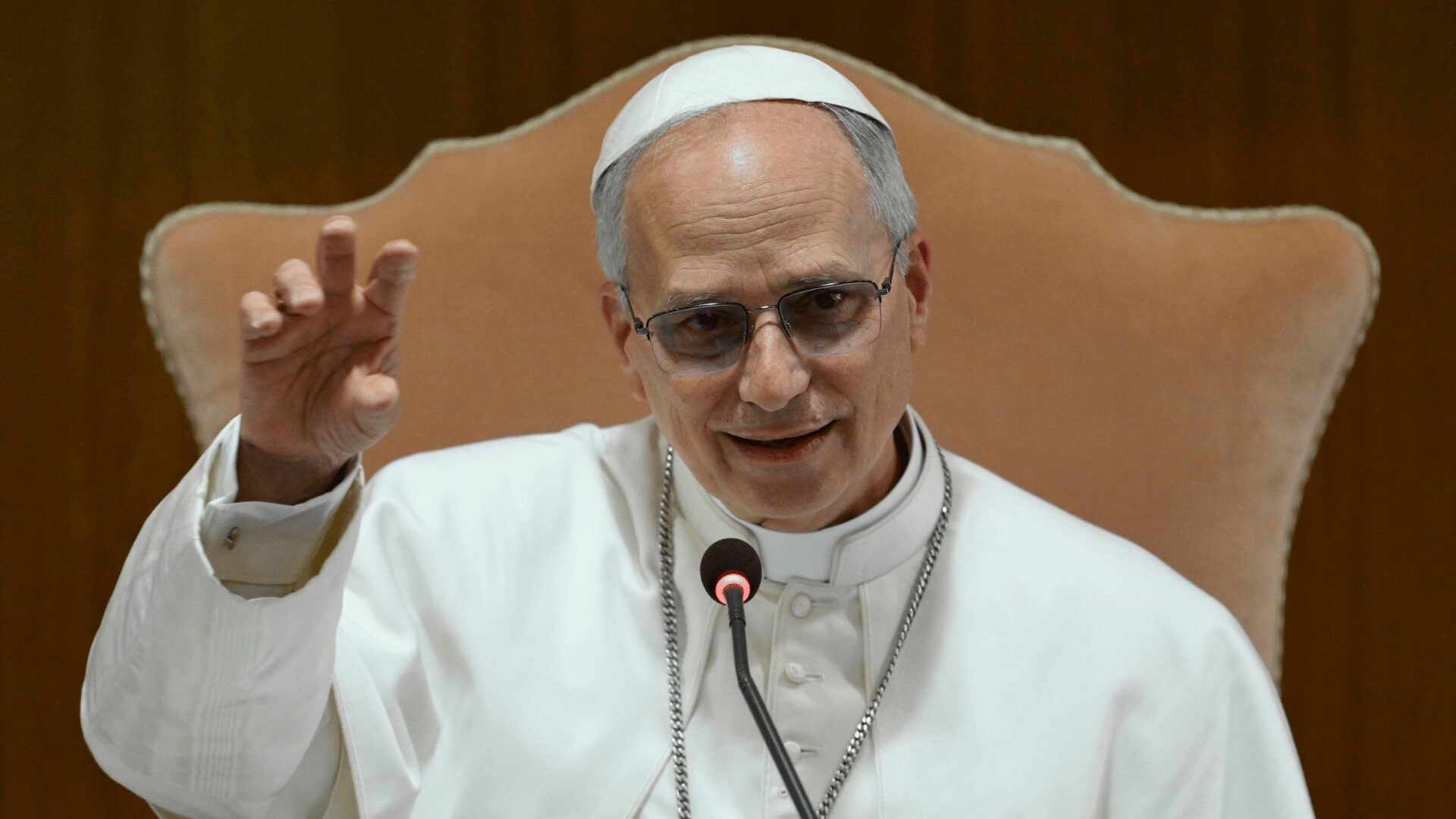
Learn How the Tradition of the Catholic Church Influences the Pope’s Remuneration and the Challenges That Leo XIV Will Face in His Papacy
On Thursday (8), Cardinal Roberto Prevost was elected as the new pontiff of the Catholic Church, adopting the name Leo XIV.
In assuming this leadership position, he not only takes on religious responsibilities but also administrative ones, as the Vatican is recognized as an independent state.
The Multifaceted Role of the Pope
The figure of the pope is often seen as a symbol of unity and spiritual leadership for over 1.3 billion Catholics around the world.
-
Rigid bags with their days numbered: new trend prioritizes comfort in 2026.

-
YouTuber creates an excavator equipped with a giant 4.5-meter sword to challenge his brother to a rematch, and the invention quickly goes viral on social media.

-
The U.S. Army surprises the world by presenting the UH-60MX Black Hawk helicopter capable of flying without pilots, controlled by a tablet, featuring the MATRIX system, smart sensors, and full autonomy in real combat and rescue missions.

-
Heineken’s factory in Brazil produces 300 million beer cans in just 4 months, reaches 1 million hectoliters, received R$ 2.5 billion, and is already projecting an annual capacity of 5 million with sustainable technology.


However, the position also involves various administrative and diplomatic functions.
The pope is responsible for guiding the Church on theological issues but must also deal with the complexities of governing the Vatican State, which has its own legislation, economy, and international relations.
Additionally, the pope acts as head of state, which implies responsibilities that go beyond the religious sphere.
He must engage in political, social, and humanitarian issues, seeking to promote peace, social justice, and charity on a global level.
This multifunctionality makes the role of the pope essential not only for Catholics but for society as a whole.
What You Need to Know About the Pope’s Salary
One of the most intriguing subjects for many believers over the years has been the question of the pope’s salary.
Leo XIV’s predecessor, Pope Francis, who passed away in April, was always the subject of questions regarding his remuneration.
To the surprise of many, he revealed a curious and unexpected answer during the 2023 documentary “Amen: Asking the Pope.”
Francis stated that, contrary to what many believe, he never received a fixed salary: “When I need money to buy shoes or something like that, I ask.
I don’t have a salary, but I don’t worry about it because I know I will be fed for free,” he joked.
This statement reflects a tradition that dates back to the very lifestyle of the popes, who are guided by simplicity and humility.
The Tradition of Humility in the Catholic Church
The reality, as explained by a spokesman for the Vatican, is that popes have never received a regular salary.
This practice was publicly clarified after speculation in 2001 about an alleged payment to Pope John Paul II.
Thus, even holding a position of prestige and responsibility, Leo XIV, like his predecessors, will not have a fixed salary.
However, it is important to note that the pope’s personal needs, such as housing and food, are fully covered by the Vatican.
This approach reflects the philosophy that a pope’s mission should not be guided by financial interests but by principles of generosity and service.
Life in the Vatican and the Administrative Challenges of Pope Leo
Upon taking office, Leo XIV will also face significant administrative challenges.
The Vatican, although small in area, has a complex organizational structure that includes the Roman Curia, which is the central administration of the Church.
This means managing various dicasteries and councils that deal with everything from education to foreign relations.
Moreover, the pope will need to address internal issues, such as the need to promote transparency and combat corruption, which has been a continuous challenge within the Church.
The recent financial scandal involving the administration of the Vatican highlighted the need for reforms and greater accountability in managing the Church’s resources.
Commitment to Charity
In addition to his administrative responsibilities, Leo XIV will also be responsible for managing a fund aimed at charity.
This fund is used to support various causes and assist people in need around the world.
A recent example of this generosity was the donation of half a million dollars to the Peter’s Pence fund, which helps thousands of people in Mexico, made by Pope Francis.
These actions reinforce the idea that leadership in the Catholic Church is more about serving the community and promoting solidarity than about financial compensation.
Thus, the papacy, which echoes the life of Jesus, remains centered on humility and service to others, fundamental characteristics for any spiritual leader.
The Influence of Pope Leo in Global Politics
The role of the pope is not limited to the religious sphere; he also has a significant influence in global politics.
The Catholic Church has a long history of involvement in social and political issues, promoting peace and justice in various parts of the world.
The pope is often seen as a mediator in conflicts and a defender of human rights, especially in situations where the most vulnerable are affected.
Pope Leo XIV, like his predecessors, can use his position to address critical issues such as economic inequality, climate change, and the rights of refugees.
With such a vast base of believers, his words and actions have the potential to mobilize people worldwide for important causes.
The election of Leo XIV as the new pope highlights not only his responsibilities but also the rich tradition of the Catholic Church in prioritizing spiritual values over monetary issues, a curiosity that continues to intrigue and inspire many believers around the world.
SOURCE: CNNBRASIL







Seja o primeiro a reagir!