





 Portuguese
  English
  Spanish
  4 min of reading
  0 comments


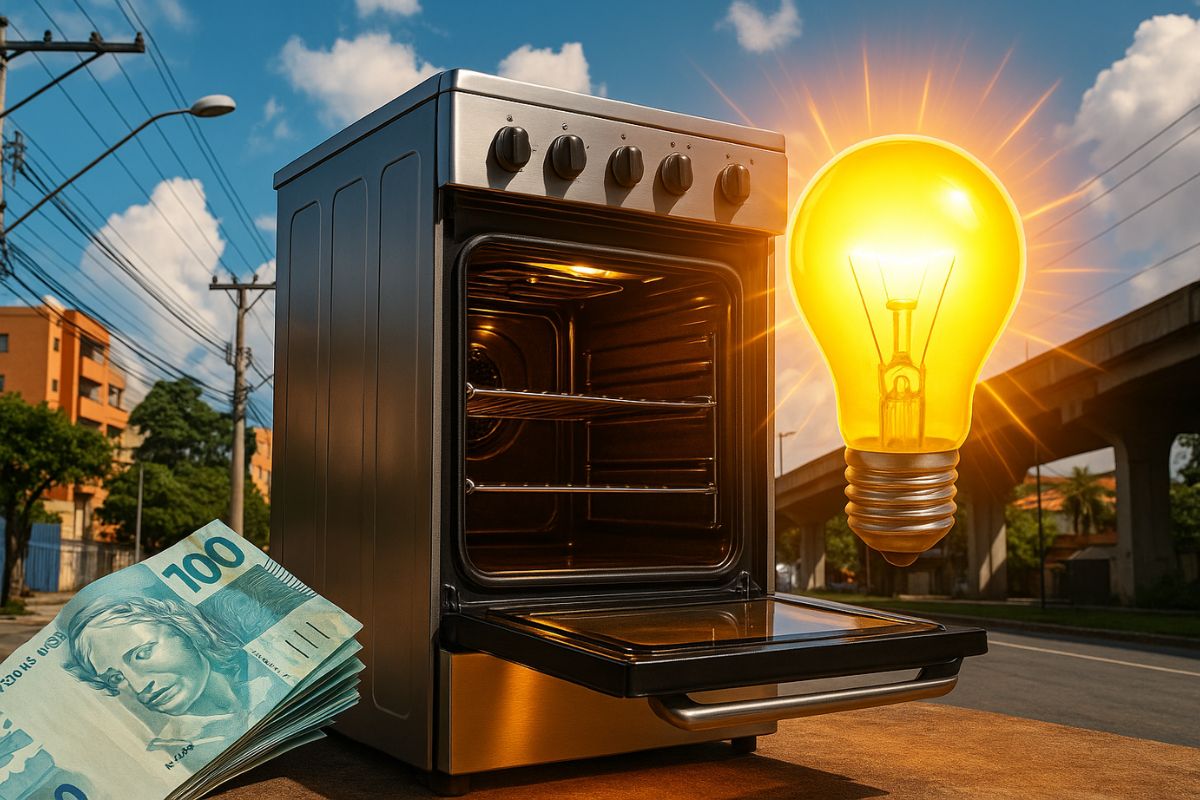
Utilizing Residual Heat from the Oven Saves Energy, Reduces Electric Bills, and Keeps Household Routines More Sustainable Without Completely Changing Cooking Methods.
The movement to find ways to save energy at home gained momentum with rising electricity costs and the popularity of appliances like electric ovens and air fryers. Among the most efficient practices is using residual heat, that is, utilizing the heat that remains in the appliance after it is turned off to finish cooking, keep food warm, or perform small culinary tasks without consuming extra energy. It is a simple strategy that, when applied regularly, reduces the operating time of appliances and improves the use of already-consumed energy.
This technique fits into a more rational consumption model that doesn’t rely on new appliances or kitchen renovations. By turning off the oven or air fryer and continuing to use the heat that is still there, families reduce the time spent on maximum power, cut consumption spikes, and expedite service. It’s a low-effort, high-impact action, especially for those who cook every day.
How Utilizing Residual Heat Works
The principle is straightforward: every oven or air fryer stays warm for a few minutes after being turned off. Instead of letting that heat dissipate, it can be used to finish light heating, keep prepared dishes at the ideal temperature until serving time, or even do minor dehydrations.
-
Spain surprises the world by erecting 62 artificial dunes, mixing sand with natural remains of posidonia, and causing the structure to lose only 1.4% of its volume in 1 year.

-
With 16 Bulava missiles, improvements in acoustic stealth, and a design focused on silent patrols, Russia’s nuclear submarine was born to ensure Moscow’s invisible retaliation and has become one of the pillars of its maritime strength.

-
‘Populous’ city in Rio among the worst in Brazil in national ranking and exposes silent development crisis.

-
Couple buys house in the South Zone of São Paulo, opens a hidden door in the garage, and finds a secret wine cellar with dozens of old wines forgotten since the 1970s.

This way, there’s no need to turn the appliance back on or resort to the microwave for something quick, which means less energy expenditure in daily routines.
In practice, it’s best to schedule cooking so that the heavier stages occur with the oven on and the finishing stages take place with the oven already turned off. Breads, cookies, tortillas, already roasted vegetables, and desserts that only need to “set” turn out perfectly in this residual heat, with no risk of burning and no new energy consumption.
Planning Is What Transforms the Tip into Real Savings
For this way of saving energy to actually work, it’s necessary to organize the order of the dishes. Cooking randomly causes the oven to be turned on multiple times a day. However, when there’s planning, the same heating cycle serves multiple functions.
For example: bake the main dish with the oven on and then place the afternoon snack bread inside just to warm it using the already turned-off oven.
Another effective strategy is to sync preparations, using different racks simultaneously. While the oven is in operation, meats and sides can be baked, and the final heat is used to keep everything warm until it’s time to serve.
This chaining reduces the number of heating cycles throughout the day and, consequently, the electricity expenditure.
Practical Examples of Using Residual Heat
Some of the most common applications include warming up ready-made breads and cakes, maintaining the temperature of rice, pasta, and baked dishes until the meal is served, and finishing sensitive foods to excess heat, such as chocolate dishes. Sliced fruits, herbs, and seeds can also be lightly dried in this warm environment, preventing the need to turn the oven back on just for that purpose.
Another important point is that residual heat is usually gentle and steady, ideal for delicate finishes. This expands the range of recipes that can be optimized with this technique without affecting the texture of the food and without wasting already paid energy.
Benefits Beyond the Electric Bill
The immediate gain is financial: less time with the oven on means less consumption. But there are also significant indirect effects.
The habit of utilizing residual heat creates a household culture of rational energy use, something that can be replicated with other appliances, such as irons and air fryers, reducing the overall impact of the household on the monthly bill.
There’s also a sustainability aspect. Whenever a family can perform a task with energy that has already been generated and consumed by the appliance, it reduces the demand for new energy at that moment. In kitchens that operate daily, this accumulation makes a difference over the month.
Necessary Precautions to Maintain Safety and Quality
Although it’s a simple practice, some precautions need to be observed. It’s essential to follow the manufacturer’s guidelines regarding usage time and the cooling of the equipment, avoiding opening and closing the oven with unprotected hands immediately after turning it off. The internal temperature is still high and can cause burns.
It’s also important to evaluate the type of food that will stay in the residual heat. Preparations that require rapid refrigeration should not remain inside the warm oven.
However, dishes that only need to be kept warm can stay there for a few minutes without compromising texture or flavor. Monitoring the time and knowing the characteristics of each recipe ensures that energy savings don’t come at the cost of quality.
The utilization of residual heat from the oven is one of those silent household solutions: it requires no investment, doesn’t radically change routines, and still, helps to save energy continuously. The more organized the kitchen is, the greater the return from this practice throughout the month.
Do you already use the oven this way or do you still turn the appliance on every time you need to heat something quickly? Share in the comments how your routine is and what other saving strategies work in your home.








Seja o primeiro a reagir!