





 Portuguese
  English
  Spanish
  4 min of reading
  0 comments


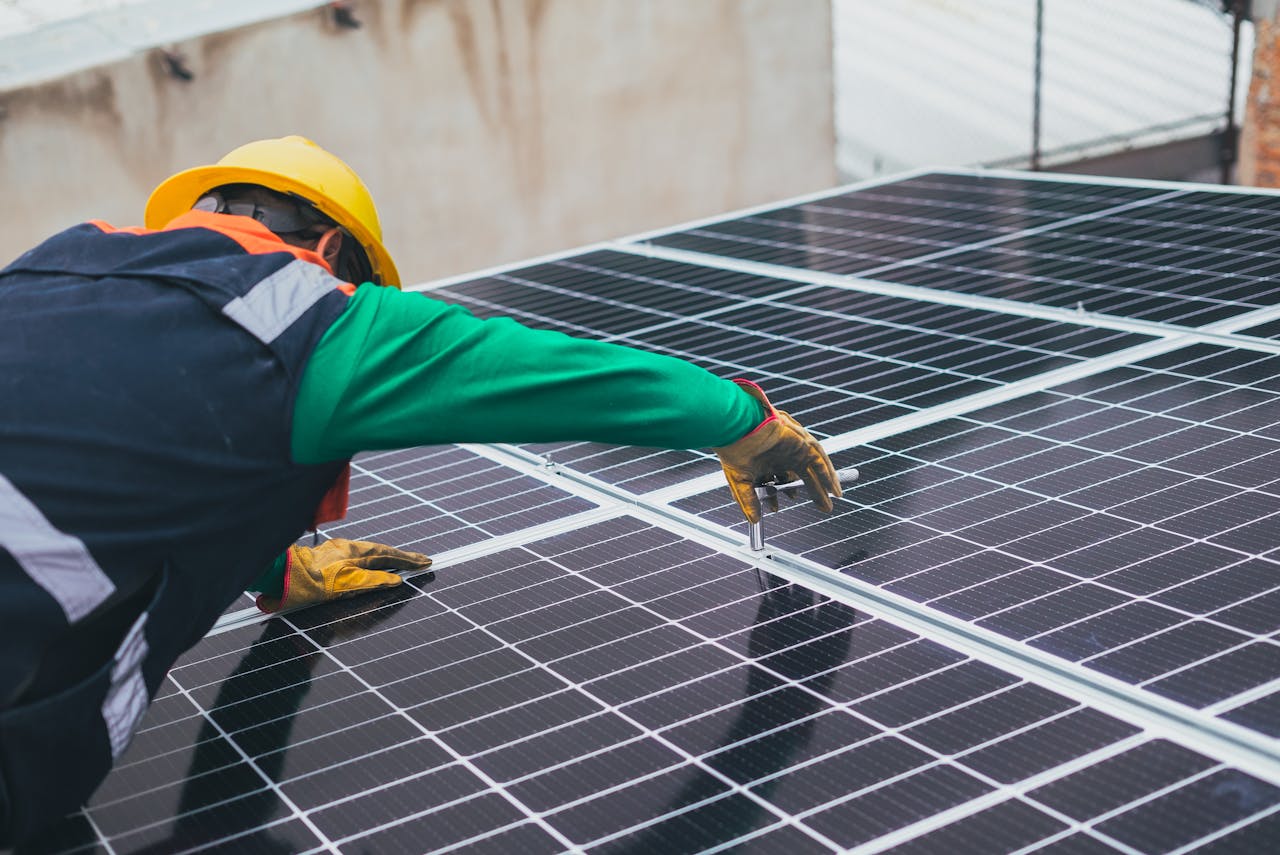
Residential Solar Energy Can Be a Beneficial Investment. See the Average Installation Costs and the Estimated Time to Get Returns with Savings on the Electricity Bill
In recent years, solar energy has become a viable and profitable alternative in Brazil. The drop in the cost of solar panels is driving the adoption of the technology in different regions of the country.
A survey by the platform Meu Financiamento Solar revealed that the prices of solar systems have fallen by about 60% between 2022 and 2025, making the investment more accessible for consumers of different profiles.
Currently, over 4.6 million properties in Brazil already have their own solar energy generation, including homes, businesses, industries, rural properties, and public buildings.
-
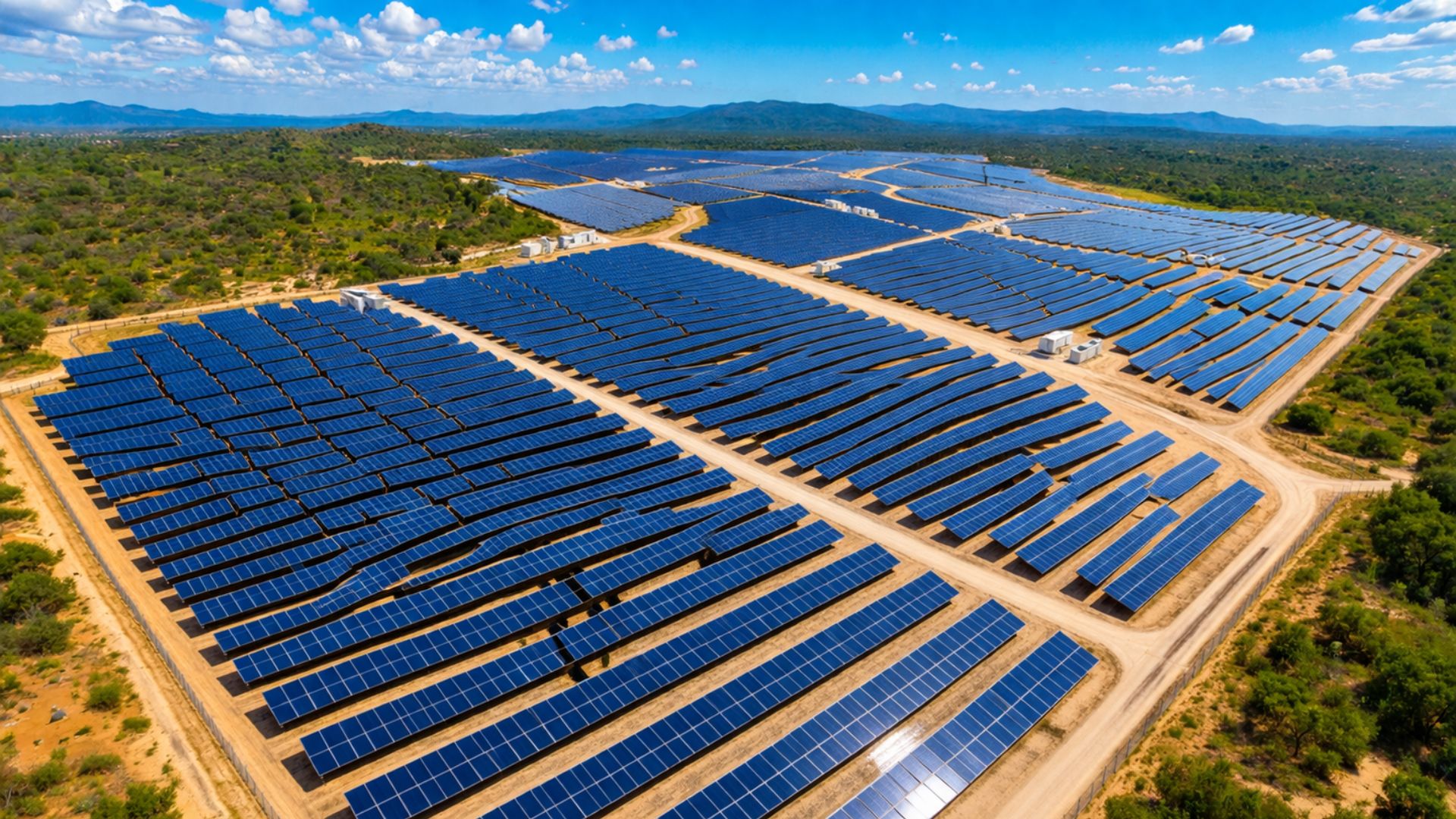
The Sol do Agreste Photovoltaic Complex begins operations in Pernambuco and accelerates the expansion of solar energy in Brazil, directly impacting the reduction of emissions and strengthening the sustainable energy matrix.
-
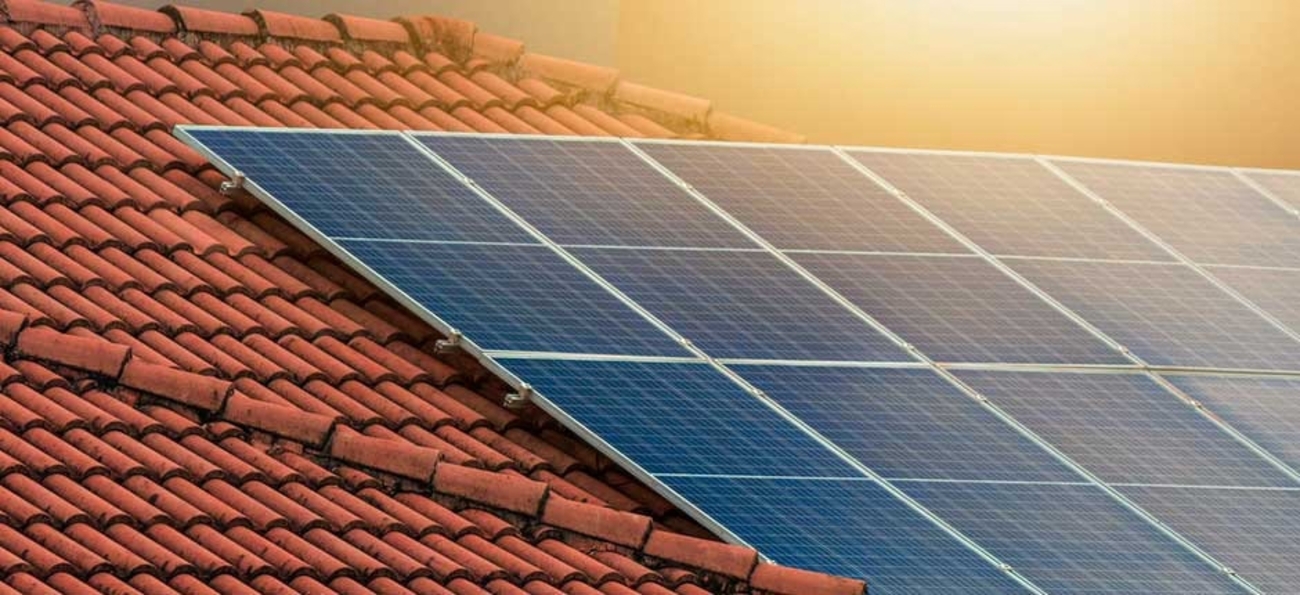
Roraima bets on the sun to escape high tariffs: Amid the energy crisis and price hikes, solar energy is growing in Roraima and transforming consumption in the North region.
-
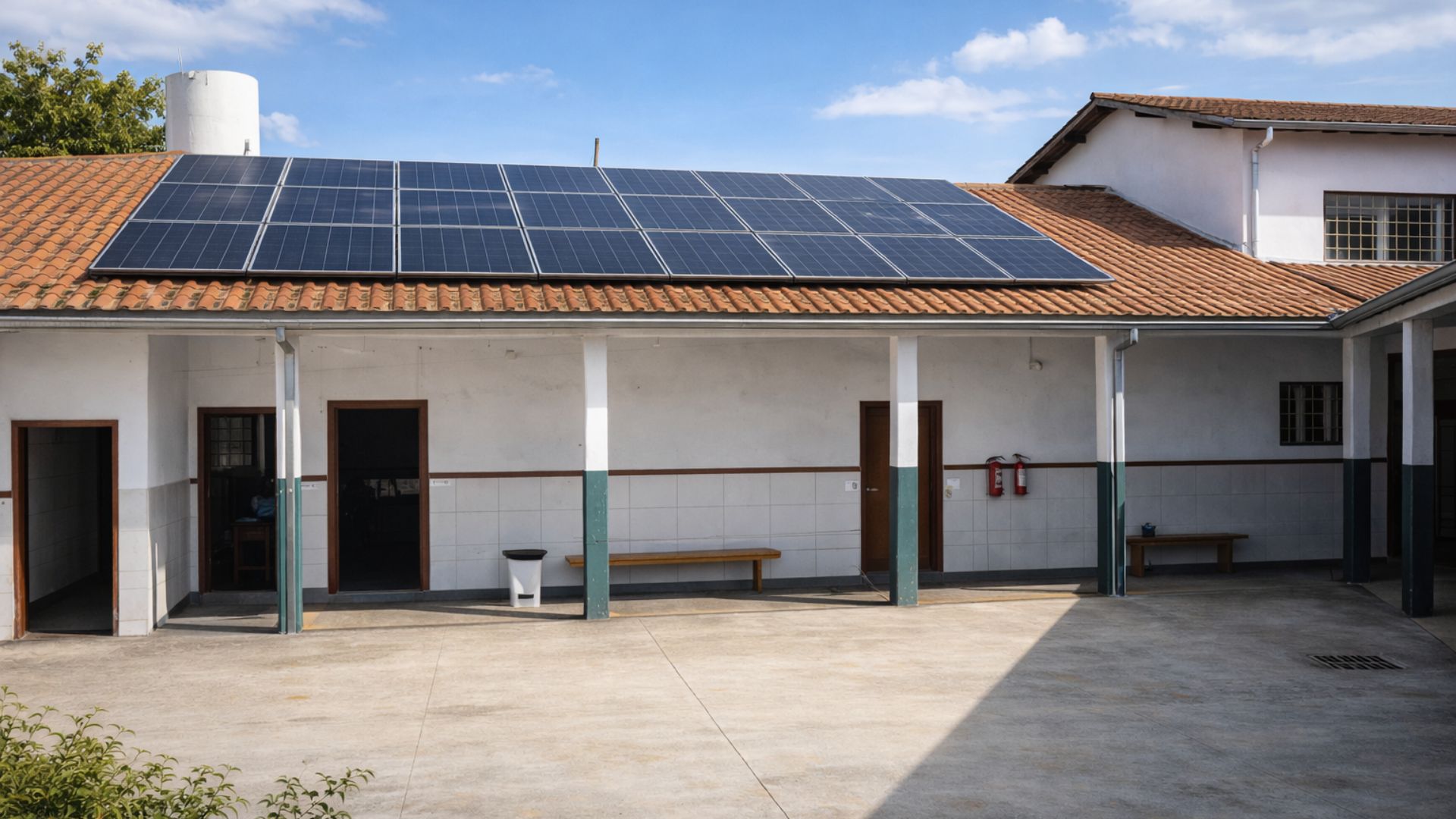
Copel boosts solar energy in Paraná and brings innovation to public schools, promoting savings on electricity bills, energy efficiency, and a direct impact on the quality of education.
-
Brazil reaches historic milestone in solar energy: Sector surpasses 2 million accumulated green jobs and generates billions in the national economy even under market pressure.
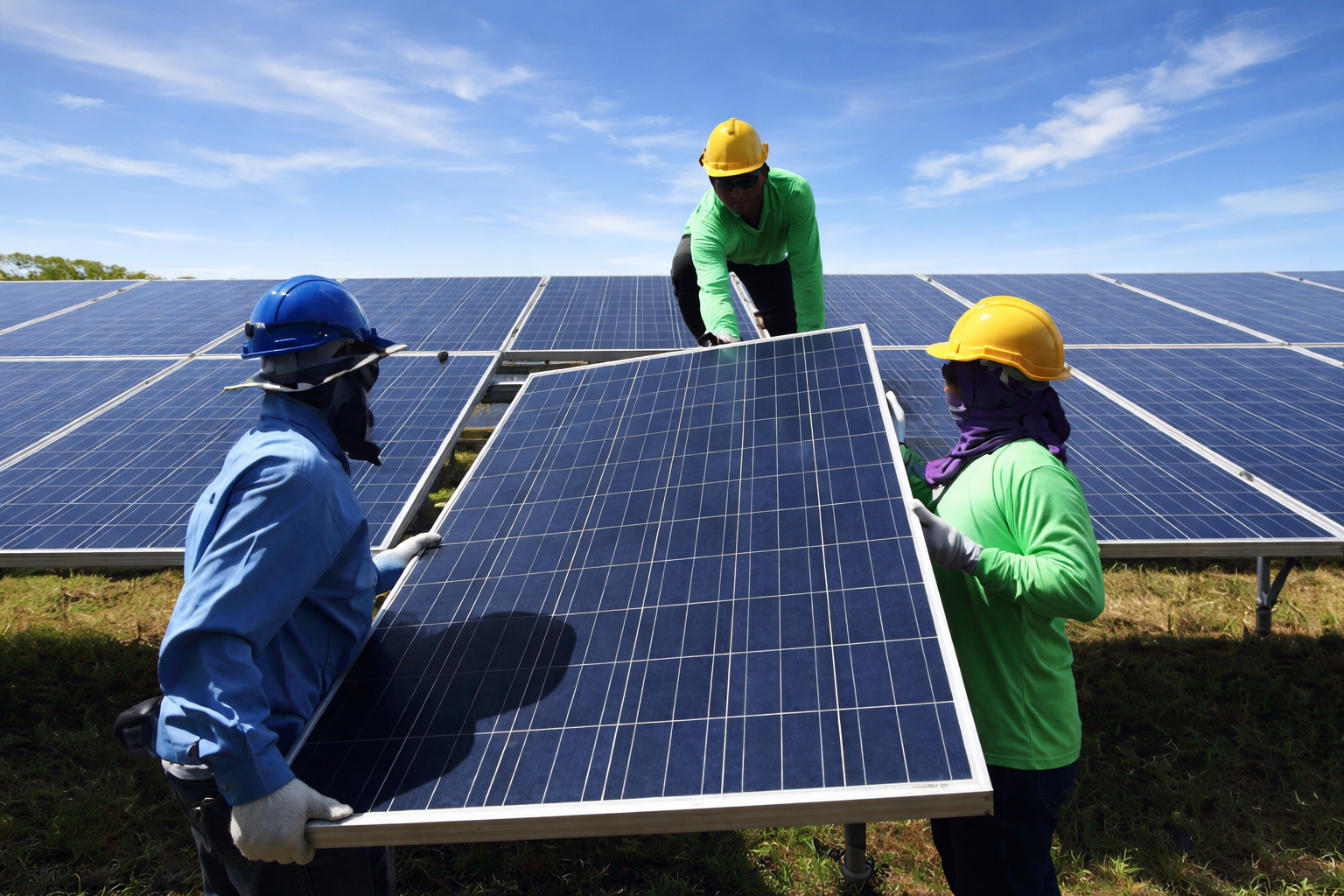
According to the Brazilian Association of Photovoltaic Solar Energy (ABSOLAR), the installed capacity of photovoltaic technology has already reached 35 gigawatts (GW), with accumulated investments exceeding R$ 164 billion.
The popularization of solar energy occurs amid the search for renewable sources and the need to reduce electricity costs. The lower price and rapid return on investment have been decisive factors for many consumers opting to install solar systems on their rooftops.
Solar Energy: Savings and Return on Investment
The return on investment in solar energy depends on factors such as region and the size of the installed system. The survey analyzed prices from over 3,000 installed companies and indicated that the annual return rate on investment varies between 35% and 45%, depending on local conditions.
In practice, this means that a consumer can recover the invested amount in solar energy in about three years, based on the monthly savings obtained on the electricity bill.
To illustrate, a residence in the Southeast that consumes 347 kWh per month would need a minimum system of 3.3 kWp to meet its entire electricity needs. In the Northeast, where there is greater solar incidence, a smaller solar energy system may be sufficient to meet the same consumption.
Price Simulation and Return on Investment in Solar Energy:
| Type of Consumer | System Power | Average Price (R$) | Savings on Electricity Bill (R$) | Annual Savings (R$) | Annual Return Rate |
|---|---|---|---|---|---|
| Residential | 5 kWp | 12,906.00 | 400 | 4,800.00 | 37% |
| Residential | 6.6 kWp | 16,988.00 | 500 | 6,000.00 | 35% |
| Residential | 7.6 kWp | 18,165.00 | 600 | 7,200.00 | 40% |
| Residential | 8.8 kWp | 20,518.00 | 700 | 8,400.00 | 41% |
| Residential | 10 kWp | 22,692.00 | 800 | 9,600.00 | 42% |
| Residential | 12.2 kWp | 26,318.00 | 1,000.00 | 12,000.00 | 46% |
| Commercial | 25.5 kWp | 54,500.00 | 2,000.00 | 24,000.00 | 44% |
| Commercial | 50.5 kWp | 122,900.00 | 4,000.00 | 48,000.00 | 39% |
Financing of Solar Systems
For those looking to invest in solar energy, various financing options are available in the market. The installments can be adjusted according to the loan period, ranging from 36 to 84 months.
Simulation of Financing for Different Sizes of Systems:
| Type of Consumer | System Power | Average Price (R$) | 36 x Installments (R$) | 60 x Installments (R$) | 84 x Installments (R$) | Monthly Savings on Electricity Bill (R$) |
|---|---|---|---|---|---|---|
| Residential | 5 kWp | 12,906.00 | 575 | 428 | 388 | 400 |
| Residential | 6.6 kWp | 16,988.00 | 745 | 554 | 500 | 500 |
| Residential | 7.6 kWp | 18,165.00 | 793 | 590 | 534 | 600 |
| Residential | 8.8 kWp | 20,518.00 | 891 | 663 | 600 | 700 |
| Residential | 10 kWp | 22,692.00 | 981 | 730 | 661 | 800 |
| Residential | 12.2 kWp | 26,318.00 | 1,131.00 | 842 | 762 | 1,000.00 |
| Commercial | 25.5 kWp | 54,500.00 | 2,296.00 | 1,702.00 | 1,547.00 | 2,000.00 |
| Commercial | 50.5 kWp | 122,900.00 | 5,131.00 | 3,818.00 | 3,458.00 | 4,000.00 |
Sector Growth and Company Mergers
The solar energy sector has attracted significant investments. In 2024, mergers and acquisitions grew 76%, totaling 51 transactions. This movement includes both large plants and small projects.
The consultancy Greener reported 35 operations involving solar plants, totaling 3.6 megawatts-peak (GWp). In the distributed generation market, Brasol was one of the companies that expanded its imports the most, acquiring four plants.
In Centralized Generation, Atlas Renewable Energy acquired 11 plants from Shell, totaling approximately 600 MWp.
Differences Between Distributed Generation and Centralized Generation:
Solar energy can be generated in two main ways: Distributed Generation (DG) and Centralized Generation (CG).
| Characteristic | Distributed Generation (DG) | Centralized Generation (CG) |
|---|---|---|
| Size | Small installations, such as residential self-consumption systems (4 kW to 8 kW) or DG plants for shared generation. Basically, installations up to 3 MW. | Larger plants. |
| Self-consumption | Predominantly local self-consumption (simultaneous generation and consumption) and also remote self-consumption and shared generation. The surplus becomes credit. | Not directly applicable. CG sells energy to distributors and consumers. |
| Dispatch | Not dispatchable by the National Electric System Operator (ONS). Energy is injected into the distribution grid. | Dispatchable by the ONS, which controls when each plant operates. |
| Market Participation | Does not participate in the Free Energy Market. Compensation is done through credits in the regulated environment. | Can be contracted through energy auctions or the Free Energy Market via bilateral contracts (PPAs) or self-production. |
| Contracting Model | No sale of energy, but rather credit compensation. | Sale of energy through auctions, bilateral contracts (PPAs) or self-production. |
| Driving Force | Mainly by residential consumers. | More focused on energy trading in the Free Market. |
| Energy Auctions | Does not participate in energy auctions. | Participates in auctions, although these are becoming rarer. |
| Challenges | Consolidation of the sector with larger companies acquiring smaller ones. | Generation cuts, low PLD (energy price) and demand not keeping up with supply. |
| Storage | Battery storage systems for better use of surplus energy. | Not directly applicable. |
The future of solar energy in Brazil is moving towards greater decentralization. Small residential consumers are likely to become prosumers, meaning they will be both producers and consumers of energy at the same time.
According to Mateus Pinheiro, an analyst at Greener, one of the challenges for this evolution is storing energy generated during the day for use at night. The arrival of electric vehicles may also accelerate the adoption of solar technology by consumers.
With decreasing costs and accelerated financial returns, solar energy continues to establish itself as an accessible and sustainable alternative for the future of energy in Brazil.
With information from IstoÉ.





Seja o primeiro a reagir!