





 English
  Francês
  Alemão
  Italiano
  Japonês
  Norueguês
  Portuguese
  Spanish
  5 min of reading
  0 comments


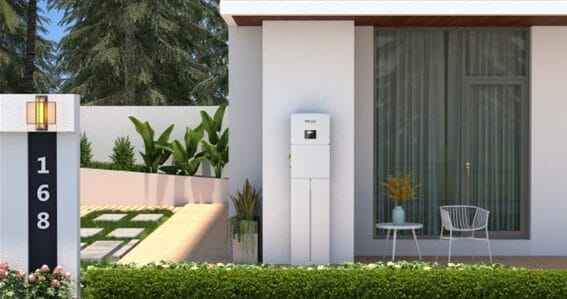
Energy Storage System Reduces Costs, Ensures Energy Independence, and Generates Credits with Surplus Energy, Even During Outages.
“`html
Investing in an energy storage system can bring various benefits, such as reducing energy costs. Moreover, this solution provides greater autonomy in electricity consumption, making it possible to use energy when the traditional supply is interrupted. With the surplus energy generated by the system, it is also possible to accumulate credits, which can be advantageous in various situations.
In homes that choose to install an energy storage system integrated with a photovoltaic system, the benefits are even greater. Not only is there a reduction in electricity expenses, but also a sustainable way of energy consumption, reducing environmental impact. This type of energy storage is a bet on futurism and efficiency, allowing electricity to be conserved for times of greater need, ensuring security and energy independence.
-
Renewable energy advances over protected areas in Brazil, and a survey by the Energy Transition Observatory reveals silent impacts that challenge environmental conservation and pressure sensitive traditional territories.

-
Rio Grande do Sul accelerates energy transition: State invests in renewable technologies and consolidates decarbonization strategies and pathways to attract billions in new industrial investments.

-
With 160,000 m² of collectors, an area larger than 20 football fields, Silkeborg, in Denmark, hosts a solar thermal plant that heats 19,500 homes and could become the largest solar heating plant in the world.

-
A study reveals the expansion of renewable energy procurement in Brazil and shows how companies are taking advantage of opportunities to reduce expenses, ensure energy efficiency, and strengthen strategic environmental commitments.


“`
Attractiveness of Energy Independence
The search for energy independence has attracted, among other groups, remote workers, those whose lives depend on electrical appliances, and individuals who wish to avoid frequent power supply failures. With intense heat and heatwaves becoming increasingly common events, the situation worsens in Brazil. The scarce rains, below expectations, result in higher electricity tariffs, increasing consumption just when prices rise. This raises the question: is it advantageous to invest in an energy storage system?
The question regarding the energy storage system is answered by experts, who clarify doubts on the topic. In essence, an energy storage system consists of a hybrid inverter and a battery, which enable the storage of excess solar energy collected during the day. In simple terms, the energy captured but not used is stored.
Advantages of the Storage System
The stored energy has various applications, being usable during periods without solar energy generation, such as rainy days or at night, or it can also be injected into the power grid to generate credits for the consumer. SolaX Power, a leading company in solar energy storage solutions, demonstrates how a battery with a capacity of 17.3 kWh can support a wide range of appliances, whether in homes, businesses, industries, or rural properties. Gilberto Camargos, the executive director of SolaX Power in Brazil, illustrates how this battery can allow for three uses of a microwave, keep the refrigerator running for 24 hours, the television active for eight hours, lights for 24 hours, charge four smartphones, use an induction cooktop for 40 minutes, run an air conditioner for eight hours, use a coffee maker three times, keep a fan on for 24 hours, and operate a rice cooker for one hour.
In addition to considerable savings on the electricity bill, the solar energy storage system significantly enhances the traditional photovoltaic system, offering an energy independence that is increasingly necessary. The constant power outages and blackouts in various regions of Brazil, especially during the heavy rain seasons like summer, represent a growing challenge. Having a system that provides continuity of energy, even when there are interruptions in supplier services, offers peace of mind and, in many cases, prevents financial losses or health risks for those who rely on electrical devices.
Economy and Market Growth
Yet, many people still question the cost of the photovoltaic system, but the situation is becoming favorable for the end consumer. The reduction in the prices of these devices has been significant due to the decrease in battery costs and approximately a 50% drop in the price of photovoltaic modules, which constitute a significant portion of a solar plant’s cost.
According to the executive, the reduction in the cost of solar energy storage systems has been about 50%, matching the prices of conventional photovoltaic systems from five years ago. Caio Lucena, partner at Plug Solar Energia, responsible for Operations and Marketing Areas, notes that many current clients seek a storage system not only to avoid blackouts but also to protect and preserve perishable goods in refrigerators, especially in a scenario where remote work has become common. Additionally, there’s the advantage of using the surplus energy generated to accumulate credits on the bill.
Innovations with Hybrid Inverter
With a hybrid inverter, the priority is to charge the batteries, maintaining the residence or business loads with energy from the photovoltaic modules. If there’s still surplus, this is injected to the grid, generating credits that can be used when consumption exceeds that month’s generation. Lucena explains that this is one of the functionalities of hybrid inverters, technology that replaces the need to have various separate systems, like on-grid, off-grid, and battery backup systems.
The decrease in prices has made energy storage systems accessible for a broader range of consumers. Previously, due to high costs, these systems were aimed at clients with very specific needs. With the drop in battery prices, especially lithium batteries, and the introduction of hybrid inverters in the national market, this technology is becoming more popular. Furthermore, the annual increase in electricity tariffs makes the return on investment more attractive and faster.
Investment and Long-Term Benefits
In terms of values, currently, a system composed of a 6000 W hybrid inverter and a 5.8 kW lithium battery is in the range of R$ 45 thousand. Although it may seem high, Caio Lucena reminds us that, in São Paulo, a prolonged blackout left many areas of the city without power for about a week at the end of 2023. Considering all the potential damages that such a blackout can cause, the perspective for investment does not seem so unfavorable.
Additionally, the guarantee of about ten years for inverters and 15 years for batteries contributes to the economic viability of the system. If the batteries are charged during the daytime by photovoltaic panels and the energy is injected into the grid during peak consumption hours, the return on investment can happen in five years, especially for consumers paying high-tension rates. The practical rates during peak hours, charged by the utility company, can be extremely high. Thus, the system represents a considerable benefit in both savings and durability, as the batteries have a minimum lifespan of 16 years.
About SolaX Power, the company was founded in 2012 and is headquartered in Hangzhou, China, with branches in several countries around the world, including the Netherlands, Germany, the United Kingdom, Australia, Japan, and the United States. With over 2,000 employees globally, the company is renowned for its research and development efforts, holding more than 100 international patents and over 500 market certifications.
Source: SOLAX Press









Seja o primeiro a reagir!