





 English
  Francês
  Alemão
  Italiano
  Japonês
  Norueguês
  Portuguese
  Spanish
  3 min of reading


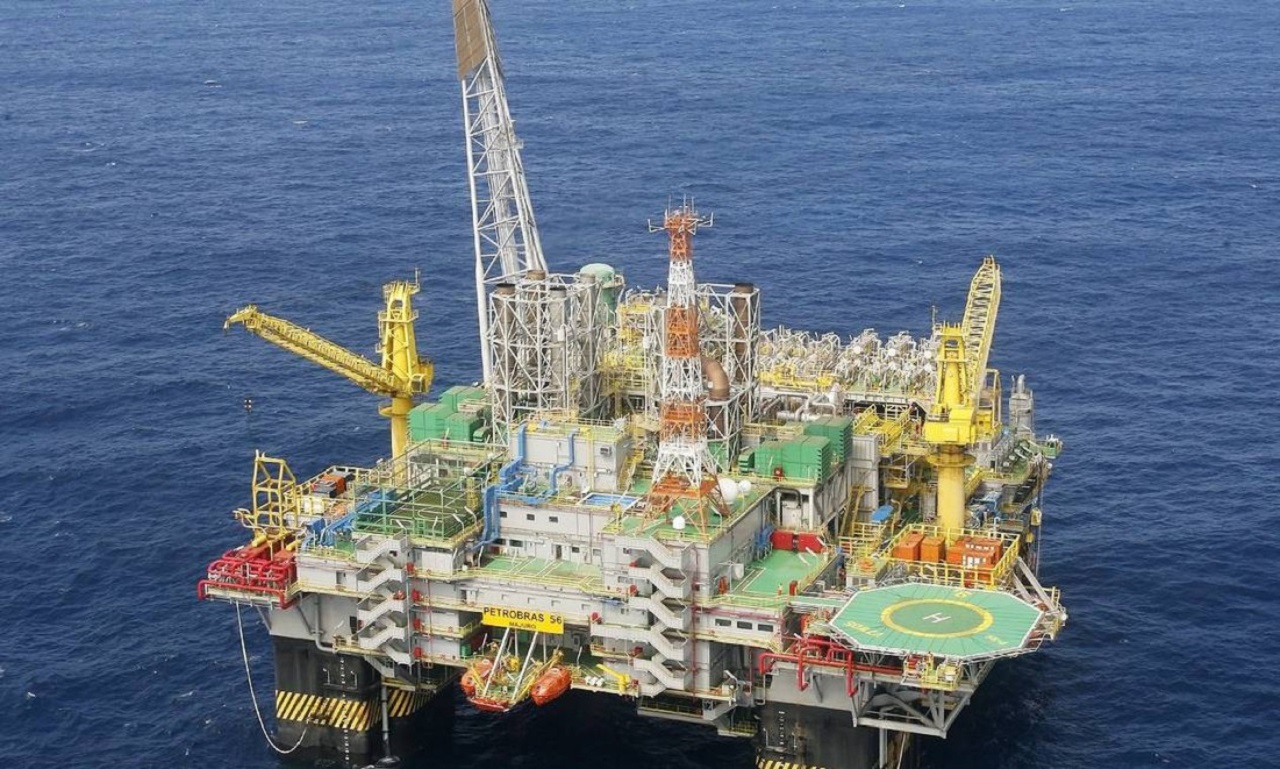
New Offshore Fields Will Be Created, Generating US$ 36.7 Billion in Investments in the National Oil and Gas Market. The Sector’s Recovery Comes After a Long Pandemic Period and With Influence from the War Between Russia and Ukraine.
Brazil is expected to attract about 10% of the resources allocated to new projects in the oil and gas sector worldwide by 2025, with an enviable portfolio of new investments in offshore fields. Furthermore, Brazil will receive investments amounting to US$ 36.7 billion during this period, which will be applied in the development of offshore assets. This estimate belongs to Rystad Energy, which also emphasizes that the operators present in the country sanctioned 10 projects throughout 2021. For the future, a series of other investments in offshore fields are also planned, including the revitalization project of Barracuda-Caratinga, the discovery of Natator, additional FPSOs in Atapu and Sépia, the Neon project by Karoon, among others.
Brazilian Oil and Gas Sector Expands After End of the Pandemic
Rystad also points out that the sanctioning momentum in the oil and gas sector in the country expanded in the past year, after stagnating in 2020 with the onset of the Covid-19 pandemic. Among the investment projects approved in the last year are four ventures from Petrobras: Mero 4, FPSOs Búzios 6 and 7, and the FPSO Maria Quitéria. Previously, the Brazilian state-owned company had already announced the sanction of large offshore projects in 2019, including Búzios 5, Mero phase 2, and the revitalization projects of the Marlim field.
In addition to Petrobras, international companies operating in the oil and gas sector also contributed investments to the growth of the development portfolio of new offshore fields in the country. The list includes the brownfield redevelopment plans of Perenco in the areas of Carapeba, Vermelho, and Pargo, approved last January. Meanwhile, Australian Karoon is preparing for the development of Patola.
-
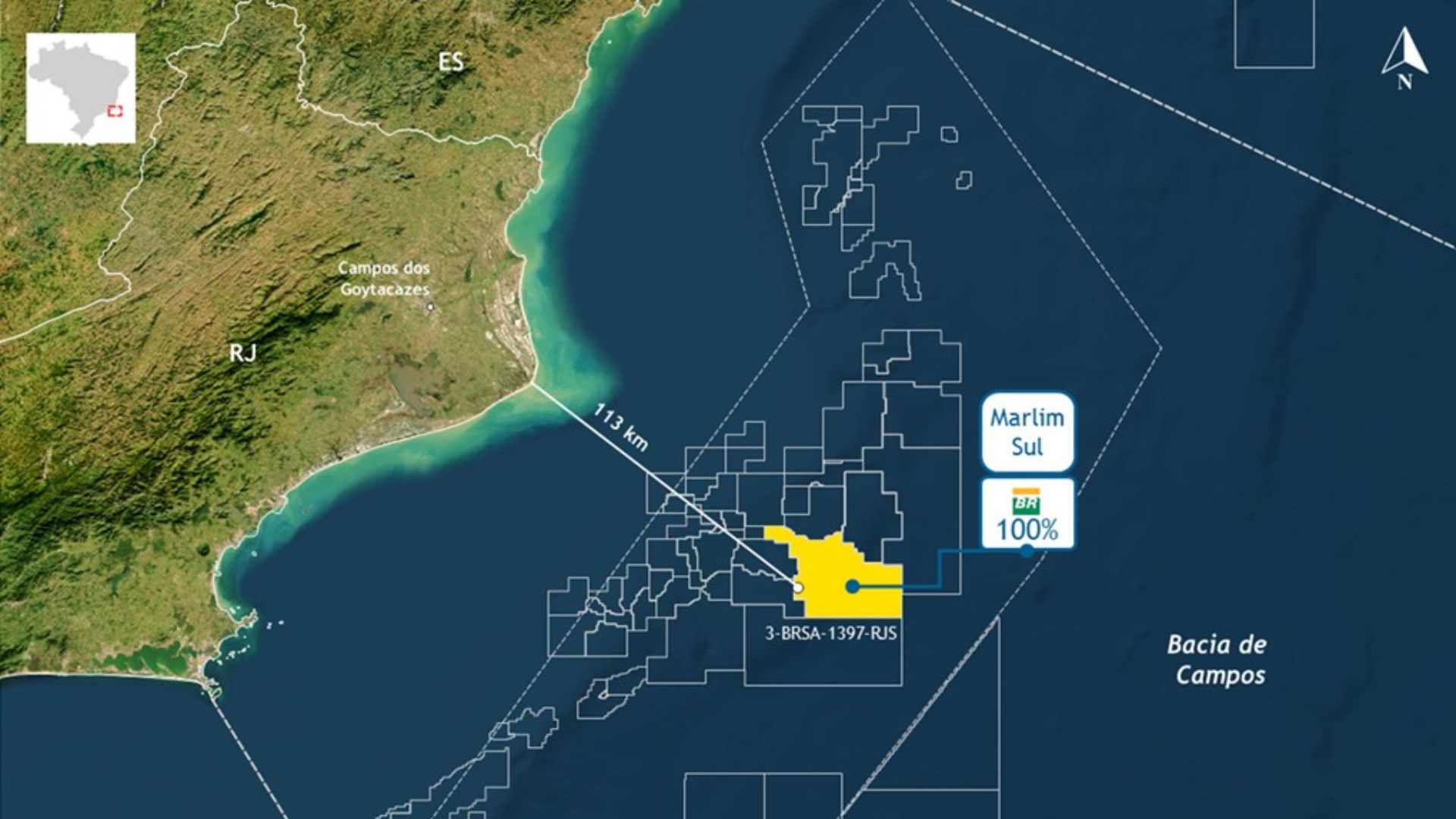
Brazilian giant expands borders in the Southeast: Petrobras confirms new oil discovery in ultra-deep waters in the pre-salt of the Campos Basin.

-
Alert in the global energy market: Severe tropical cyclone hits the coast and disrupts gas production at major plants in Australia, threatening global supply.

-
Petrobras finds high-quality oil in the pre-salt at 113 km from RJ and reignites expectations about strategic reserves in the Campos Basin.

-
Ocyan opens registrations for startups focused on innovation in the oil and gas sector and will select projects for Innovation Day with the support of Nexio.


Norwegian Equinor is focusing efforts on its project in the Bacalhau field, the first greenfield project not operated by Petrobras in the Brazilian pre-salt oil and gas area.
Oil and Gas Market Activities Can Continue to Be Positive Over the Next Three Years
The Rystad Energy also anticipates that five more greenfield projects in the pre-salt will be operated by companies in the oil and gas sector over the next two years.
The ventures include the offshore Gato do Mato field from Shell and Wahoo from PetroRio later this year, and gas discoveries Pão de Açúcar, Seat, and Gávea from Equinor, in block BM-C-33, at the end of next year.
The estimate is that activity will remain strong over the next three and a half years, with several projects lined up for sanction in the sector, including FPSOs for Búzios 8 and 9, Petrobras’s offshore fields in Sergipe-Alagoas Deep Waters (SEAP), and Berbigão/Sururu Phase 2.
Spending on Oil and Gas Could Reach US$ 11 Billion This Year
Rystad emphasizes that spending in the South American oil and gas sector is expected to rise to about US$ 11 billion this year, marking a 27% increase compared to the previous year, due to high oil prices, the recovery of global oil demand, and healthier E&P balances.
Thus, this will be the largest year-on-year percentage increase in about 15 years, contributing to an overall expansion of 54% in the region from 2020 to 2023, when prices are expected to start stabilizing.
According to the company, the expectation is that a relatively large increase in CAPEX will occur in a moment of economic uncertainty, dominated by inflation, potentially increasing costs for owners who will execute upcoming works.







Seja o primeiro a reagir!