





 Portuguese
  English
  Spanish
 3 min of reading
  0 comments



The INPI Represented Brazil in an International Forum That Discussed the Role of Intellectual Property in Sustainable Development and the Promotion of Green and Inclusive Technologies
The sustainable development has become the main axis of public and business policies on a global scale, and Intellectual Property (IP) has assumed an essential role in this process, according to a report published.
On October 4, the National Institute of Industrial Property (INPI) participated in the International Forum on Promoting the Use of IP for the Sustainable Development Goals (SDGs), held during Expo Osaka 2025, in Japan.
The event brought together global leaders and institutions, such as the Japan Patent Office (JPO), the World Intellectual Property Organization (WIPO), and the European Patent Office (EPO), in addition to representatives from Canada, Chile, China, South Korea, the Philippines, France, and Laos.
-
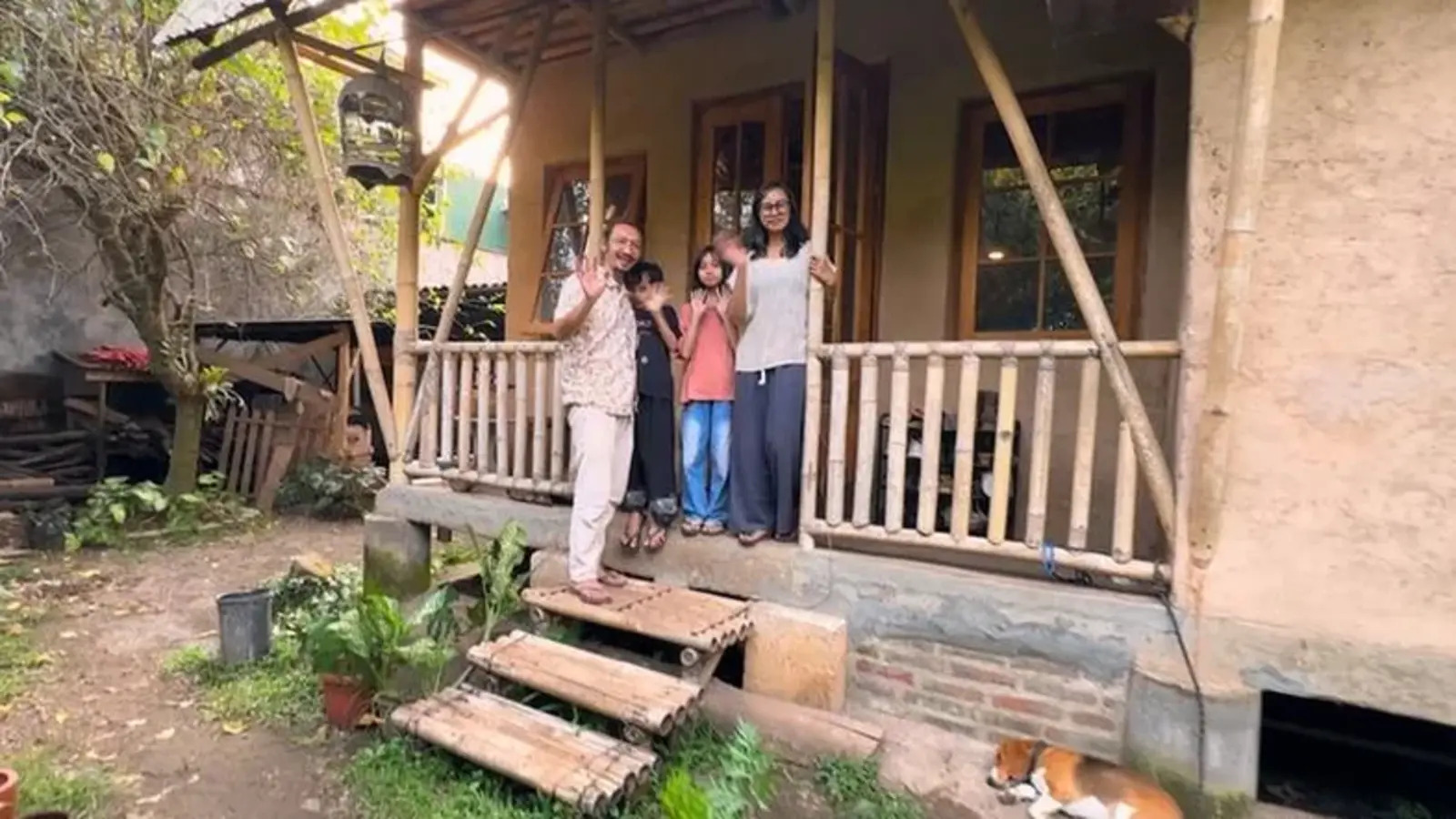
With earth, bamboo, straw, and lime mortar, a specialist builds a house for just over $460 and draws attention for its cost being much lower than traditional construction.
-
Rodrigo de Freitas Lagoon advances in environmental recovery with sanitation, elimination of irregular sewage, and the resumption of water sports in Rio de Janeiro.

-
The largest South American oil company, Petrobras, is preparing for a historic leap in production with new FPSO platforms and the expansion of refining — projects that could add up to 900,000 barrels per day and strengthen Brazil’s energy security.

-
Sustainable housing gains strength with a nationally awarded project in Campo Grande, highlighting innovative solutions that combine sustainability, urban integration, and efficiency in the use of natural resources.


Sustainable development guided all discussions, highlighting the importance of aligning technological innovation with environmental responsibility, especially in emerging countries.
Clean Technologies and Green Innovation Gain Ground in the UN SDGs
During the Forum, the presentations addressed how Intellectual Property can accelerate solutions related to climate change and strengthen the UN SDGs.
The WIPO Green project, a global platform coordinated by WIPO and supported by INPI since 2019, was mentioned as an example of international collaboration for sustainable development.
Focusing on clean technologies, WIPO Green connects creators of environmental innovations with investors and institutions interested in sustainable solutions.
According to data released during the event, the project already includes more than 1,200 registered green technologies, stimulating the transfer of knowledge between countries.
This integration reinforces the role of IP as a practical tool for environmental and economic transformation, promoting sustainable development in a concrete way.
WIPO Green and the Advancement of International Technological Cooperation
The WIPO Green, a global platform from WIPO, has become a central axis in the debate around innovation and sustainable development.
The participation of INPI in the project since 2019 demonstrates Brazil’s commitment to strengthening international cooperation.
During the event at Expo Osaka 2025, the Green Technologies Book – Expo Special Edition was launched, gathering successful cases and solutions that apply clean technologies in sectors such as energy, transportation, and agriculture.
The document shows how Intellectual Property stimulates the creation of innovative solutions, enabling the practical implementation of the UN SDGs and strengthening the sustainable innovation network across continents.
These actions demonstrate that sustainable development directly depends on integrated global policies and the sharing of technical knowledge.
Inclusion of Women and Youth as Drivers of Sustainable Innovation
Another highlight of the Forum was the JPO-WIPO Award at Expo 2025, which honored companies committed to using IP to design more sustainable and inclusive societies.
The award also highlighted the active participation of women and youth in innovation environments, reinforcing the importance of diversity for sustainable development.
According to the organizers, increasing female and youth presence in technological projects is essential to expand creativity and drive solutions geared towards clean technologies and green innovation.
This vision aligns perfectly with the principles of the UN SDGs, which seek to balance economic growth, social inclusion, and environmental preservation.









Seja o primeiro a reagir!