





 English
  Francês
  Alemão
  Italiano
  Japonês
  Norueguês
  Portuguese
  Spanish
  4 min of reading


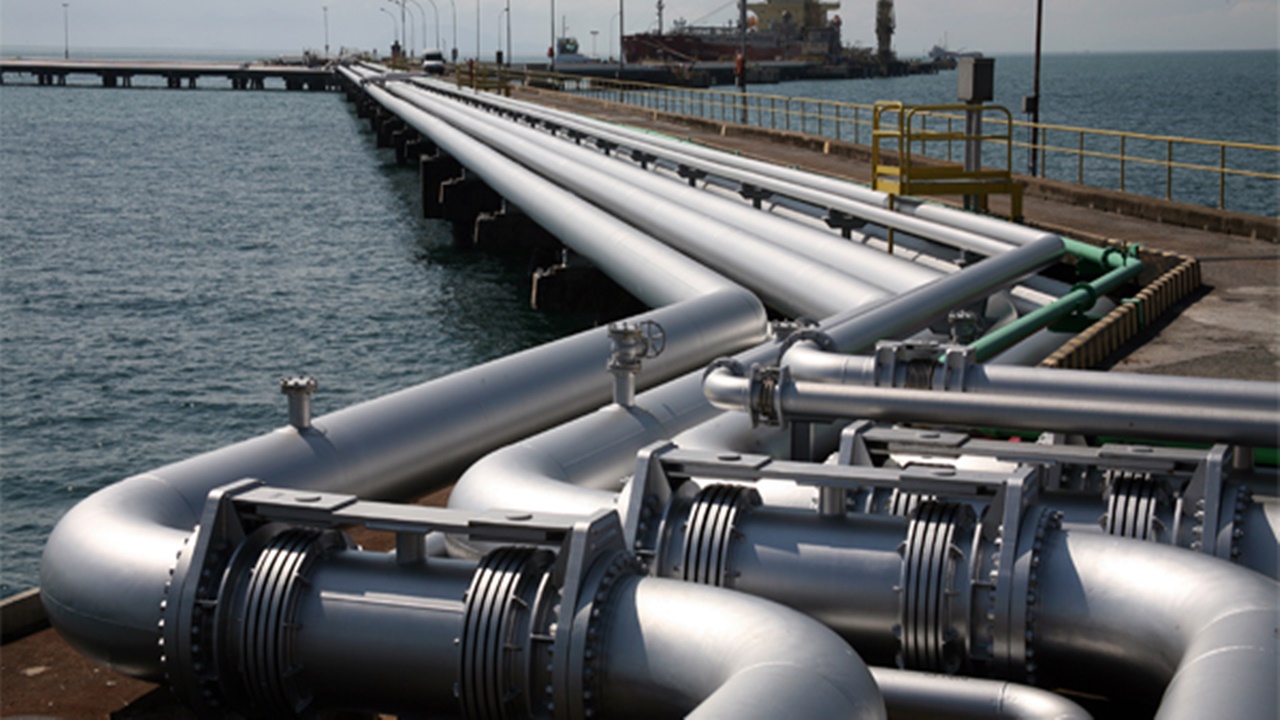
Current Demand For Natural Gas In The Country Is Around 90 Million M3/Day. Brazil Has Gigantic Potential For The Pipeline Sector And Petrobras Cannot Be The Only Agent
The pipeline segment has great potential for expansion in the country with the opening of the natural gas market and the increased production from the pre-salt, in addition to being a transport alternative that allows for the movement of large volumes of fuels with lower greenhouse gas emissions. These are some of the conclusions from the discussions on the first day of Rio Pipeline 2021, an event promoted by the Brazilian Institute of Oil and Gas (IBP).
Read Also
- Even With The High Dollar, Fuel Prices Have Plummeted, Reaching R$ 1.98 Per Liter Of Ethanol At The Start Of The Pandemic, But It Did Not Hold, And Consumers Suffer From Constant Spikes
- Faetec In Partnership With Cisco, A World Leader In Information Technology, Offers Slots In A Free Online Course (EAD) With Professional Training Certificates; Candidates From All Over Brazil Can Participate
- Arab Fund Mubadala Takes Over Billion-Debt Of Invepar And Now Controls The Metro Of Rio De Janeiro
- Global Giants In Wind Turbines, Vestas And Siemens Gamesa, Become Victims Of Their Own Success
- MODEC Calls For Candidates Without Experience In Engineering, Law, Technology And More For Internship Positions In Rio De Janeiro, Santos And Macaé
The president of IBP, Eberaldo de Almeida Neto, emphasized that Petrobras’s divestments in the pipeline segment and the New Natural Gas Law open many opportunities for growth in this market, attracting investments to the country. Brazil still has a relatively small pipeline network – the equivalent of 2% of the pipeline grid in the USA, for example.
Shell Sees Room For The Development Of Hubs And Integrated Gas Projects For Sectors Like The Chemical And Fertilizer Industries
The current demand for natural gas in the national market is around 90 million m3/day. Of this total, approximately 40 million m3/day is supplied by national production, 76% of which comes from the pre-salt. During the event, possibilities for applying the large volume of additional offshore natural gas in the coming years were discussed.
-
Government unlocks R$ 554 million for a highway that has been requested for decades and accelerates the duplication of BR.
-
Without bricks, without cement, and without endless construction: the cardboard house that is assembled in modules and can be moved.

-
Billions of barrels on the equatorial margin could lead Amapá to double its oil production in Brazil — the state aims to enter the route of companies in the Campos Basin, attract investments, and boost jobs and businesses in the oil and gas sector.
-
Without bricks, without cement, and without endless construction: the cardboard house that is assembled in modules and can be moved.

Alexandre Cerqueira, Manager of Regulatory Affairs of Energy for South America at Shell, sees room for the development of hubs and integrated gas projects for sectors such as the chemical and fertilizer industries. To achieve this goal, he states, investments in new infrastructures will be necessary.
Integrated Network Is Essential For Maintaining A Sustainable Market
Gustavo Labanca, president of TAG, who also believes in diversifying the use of gas, highlighted that having an integrated network is essential for maintaining a sustainable market in the long term, attracting more agents and generating more competition.
Integrating the natural gas pipeline system to meet the demands of the electric sector is yet another challenge that the infrastructure of the downstream chain faces, according to the speakers. Edmar Almeida, a professor at the Energy Institute of PUC-Rio, notes that there is much room for the growth of business models for thermal gas generation. “It is important for thermals to enter the transport system to take advantage of the opportunity in the gas industry.”
Brazil Has Gigantic Potential For The Pipeline Sector And Petrobras Cannot Be The Only Agent
For Eberaldo Almeida, president of IBP, road transport of fuels and other petroleum derivatives imposes limits on economic growth and full supply security in the country.
“Pipelines are a safe and clean way to transport fuel,” said Transpetro’s Integrated Solutions and Optimization manager, Juter Isensee Neto, highlighting the low carbon emissions of pipeline activities.
“We have gigantic potential for the pipeline area, and Petrobras cannot be the only agent,” he stated, reminding that the sector is going through a transition phase with the sale of Petrobras assets.
As an example of lower emissions, the manager cited the pipeline that connects São Paulo to Brasília, transporting 800,000 m3 of products per month. To transport the same amount of fuel, 13,345 truck trips would be necessary, which consume diesel.
Oil And Gas Sector, Which Utilizes Pipeline Transportation, Needs To Rely On Three Pillars Toward Energy Transition
Heloisa Borges Bastos Esteves, director of Oil, Gas and Biofuels Studies at the Energy Research Company (EPE), highlighted that the oil and gas sector, which utilizes pipeline transportation, needs to rely on three pillars for energy transition: increasing efficiency, technological evolution, and the use of renewable sources.
The Rio Pipeline, one of the most important events in the pipeline segment in the world, will take place this year virtually until Thursday (11.11), with the participation of more than 1,270 delegates from 26 countries.
The event is sponsored by Petrobras, NTS, Rosen, TAG, TBG, ATGÁS, AMPP, Compass, Herrenknecht, Tenaris, Wood and Elastomers, and has the participation of the Federal Government.









Seja o primeiro a reagir!