Portuguese
  Spanish


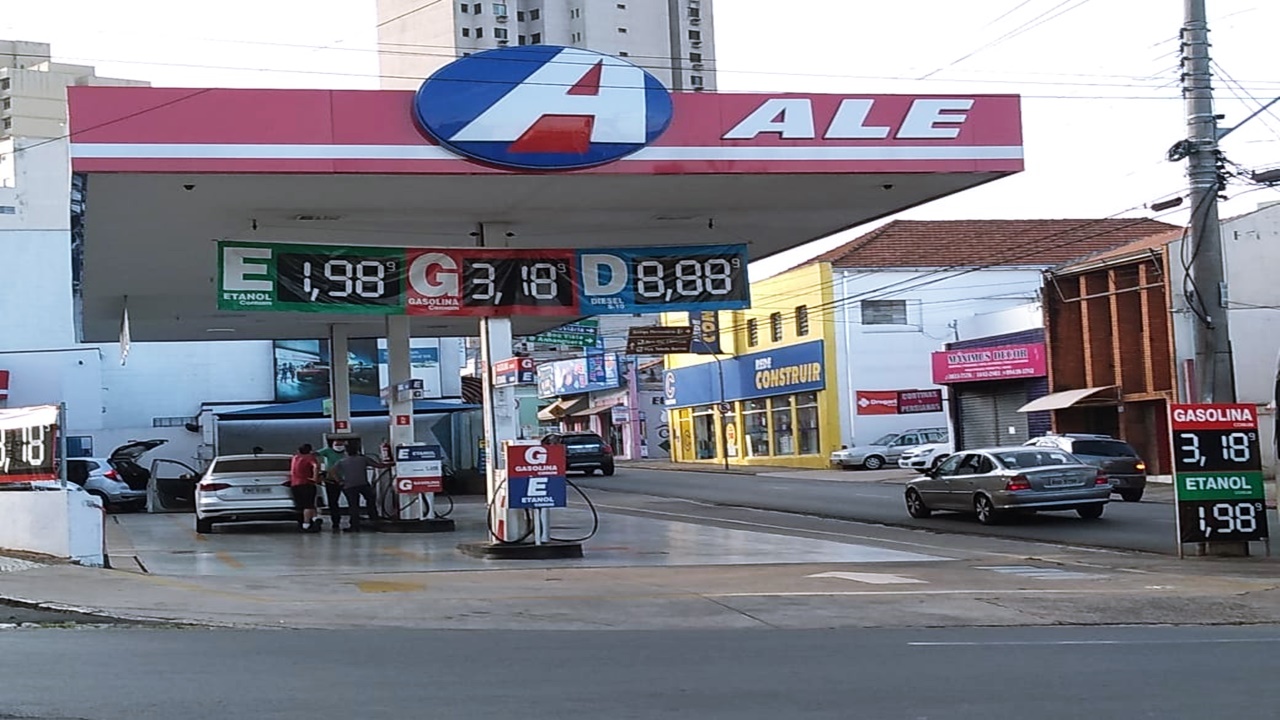

Consumer Is Also a Protagonist and Global Regulator of the Gasoline, Diesel, and Ethanol Market.
The consumer’s pocket, taxi drivers, and app drivers have to deal with constant adjustments in fuel prices set by Petrobras, but after all, how can we explain the reason for the prices of ethanol, gasoline, and diesel plummeting at the beginning of the pandemic when the dollar was extremely high?
Read Also
- Offshore Oil Platform to Become a Resort with an Amusement Park in the Middle of the Sea
- Industrial Expansion of the Brazilian Multinational CBMM, the World’s Largest Niobium Producer, Opened Last Thursday (04/11), Will Increase Niobium Production to 150,000 Tons Per Year and Create Many Jobs
- After Loyalty to Brands at Gas Stations Was Released, ANP Authorized Yesterday (04/11) the Sale of Gasoline and Ethanol via Delivery; Measure May Reduce Fuel Prices and Alleviate Consumers’ Expenses
In February 2020, the onset of the global crisis caused by the Covid-19 pandemic, fuel prices in general plummeted worldwide, but “not everything is rosy” and after May, we began to rise again.
Quarantine Influenced the Drop in Gasoline, Diesel, and Ethanol Prices
Social isolation measures led to a drastic reduction in fuel consumption, both for transportation and for industry.
-
OPEC+ Boosts Oil Supply by 188,000 Barrels per Day in July 2026, Leading to Price Drop from $112 to $89 per Barrel in Under Two Months

-
TotalEnergies Signs 20-Year Deal to Purchase 2 Million Tons of LNG from Alaska, Boosting Project Viability
-
Turkey Deploys Çağrı Bey Drilling Ship to Explore New Oil Frontier Off Somalia’s Coast
-
Golden Pass LNG Ships First Liquefied Gas Cargo from the U.S., Completing $10 Billion QatarEnergy and ExxonMobil Investment



Law of Supply and Demand: the drastic reduction in demand caused fuel prices to plummet, resulting in excess product stock.
As reported at the time, by us at Click Petroleum and Gas, oil was even traded at negative values because with no storage available, many investors preferred to pay not to receive the purchased barrels.
In other words, with gasoline and diesel much cheaper, alcohol had to come down in price as well. At the time, the technical director of Unica – Union of the Sugarcane Industry, reported that the sector suffered losses, even selling the biofuel below cost.
But it didn’t take long for the global market to adapt to the new situation and prices began to rise again. With gasoline and ethanol demand increasing, prices consequently went up, and losses at the pump were mitigated.
The Consumer Is Also a Market Regulator
Not only Brazil but the whole world suffers from the constant surges in fuel prices, which have now returned to being sold with positive margins, for both ethanol, gasoline, and diesel.
Lessons Learned? What can we learn from everything that happened at the beginning of the pandemic? – If fuel prices have risen again, it is because there are people willing to pay that amount. After all, it is important to note that the consumer is a protagonist and regulator of the market.
After Loyalty to Brands at Gas Stations Was Released, ANP Authorized the Sale of Gasoline and Ethanol via Delivery; Measure May Reduce Fuel Prices and Alleviate Consumers’ Expenses
After the direct sale of ethanol and the end of brand loyalty at gas stations were approved on August 11, meaning that stations displaying a specific distributor’s brands could start selling fuels from other suppliers, as long as the consumer is informed, it was time for the much-promised sale of gasoline and ethanol via delivery to be authorized by the National Agency of Biofuels, ANP. Together, these measures could become the ‘solution’ to contain and curb the rise of gasoline prices, and alleviate consumers’ expenses.
With this, gas stations will be able to deliver regular gasoline or ethanol to homes. However, the measure takes effect 180 days after the resolution is published in the Official Gazette of the Union.
According to the ANP, the approved measures have been discussed since the beginning of the truck drivers’ strike in 2018 and aim to ensure supply and increase market efficiency.
Under the regulation, fuel delivery will only be allowed for ‘type C’ ethanol and gasoline (the common type sold at gas stations). Delivery must take place in the same municipality where the reseller is authorized to operate.