





 Portuguese
  English
  Spanish
 3 min of reading


Cut in the Value of CNG Makes the Fuel Even More Competitive and Environmentally Friendly
Brazilian drivers can breathe a sigh of relief thanks to a significant reduction in the price of Compressed Natural Gas (CNG). Meanwhile, the decrease in rates also has a positive impact on the environment, as CNG is known for emitting fewer pollutants.
New Era for Compressed Natural Gas
Comgás, the leader in the distribution of piped natural gas in Latin America, implemented a tariff update on June 10, as determined by the Public Services Regulatory Agency of the State of São Paulo (Arsesp). Deliberation No. 1.414/23, published in the Official State Gazette on June 6, resulted in an 8% reduction in the current CNG tariff for gas stations and a reduction of up to 7.5% for the industry.
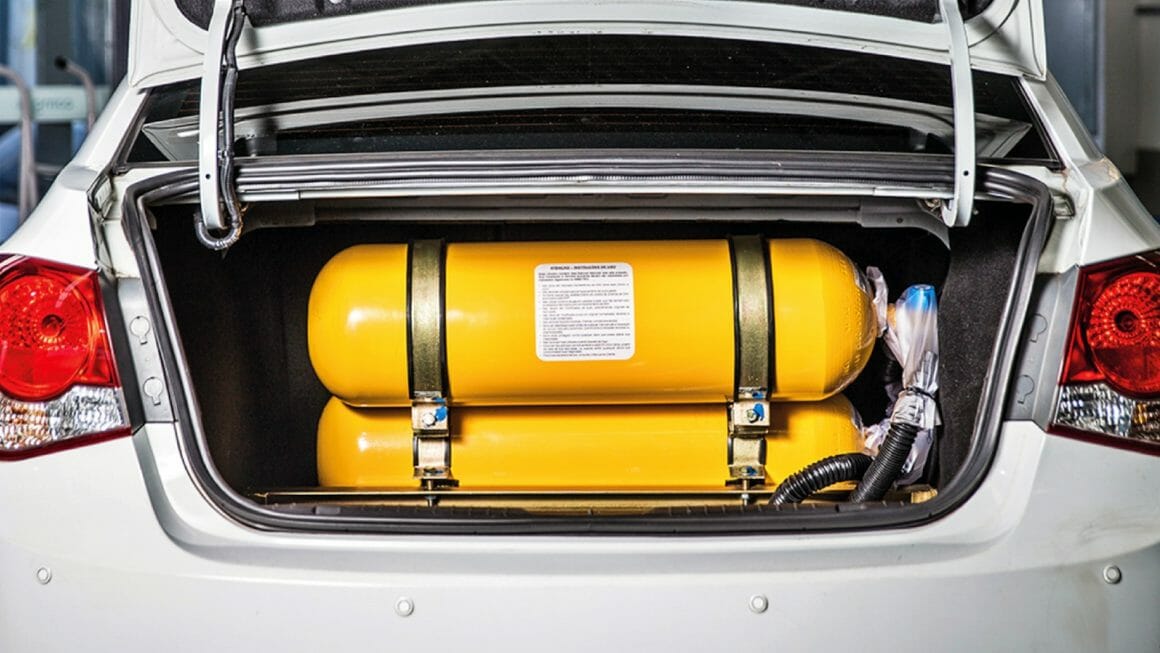
The effects of this tariff change, combined with the maintenance of the zero rate for PIS/Cofins, make CNG even more appealing for drivers. Depending on the region, savings for light vehicles can exceed 40% compared to the use of gasoline and ethanol. Installing a CNG kit offers several advantages: besides the financial aspect, the fuel is less polluting, and the maintenance of the kit is straightforward and free from common issues found with other fuels, such as hose drying and frequent spark plug changes.
-
Oncorp wins auction and enables biodiesel and gas thermal plants in Brazil, with strategic projects in Suape and Xavantes Aruanã.

-
Raízen Recovery: Shell Cosan May Reduce Control After R$ 65 Billion Debt

-
Outback Montes Claros: Chain Confirms First Unit in Northern Minas in 2026

-
Inpasa Creates Advisory Council and Brings José Olympio to Strengthen Corporate Governance

Guilherme Santana Freitas, head of CNG at Comgás, emphasizes that “the growing demand for solutions that minimize environmental impact, combined with benefits like performance, savings, ease of installation and maintenance, along with wide availability – with more than 230 gas stations supplied by Comgás – make CNG an excellent option for fleet managers, whether they are owned, leased, light, or heavy.”
CNG: Efficiency and Sustainability in Motion
One of the crucial aspects of CNG in passenger vehicles is its efficiency. The performance of CNG is double that of ethanol. For example, a car using CNG can travel an average of 14 kilometers per cubic meter, while the same vehicle would achieve 7 kilometers per liter with ethanol and 10 kilometers per liter with gasoline.
When considering heavy vehicle fleets, the savings from CNG compared to diesel are equally significant. Considering that a diesel truck travels an average of 10,000 kilometers per month, the savings provided by CNG can reach nearly 15% per kilometer driven.
Comgás has been committed to encouraging customized projects to further enhance savings. Establishing fueling garages in transportation companies and industries can reduce freight costs overall. If a logistics company can install a fueling station on its premises, savings can range from 30% to 40% compared to diesel sold at regular stations.
Additionally, CNG also brings benefits for the environment. Besides reducing greenhouse gas emissions by up to 20%, local pollutant generation and particulate matter can be reduced by over 90%. “Moreover, compressed natural gas almost completely eliminates the ‘black smoke’ emitted by conventional truck engines,” concludes Guilherme. With all these benefits, CNG emerges as an advantageous and sustainable option in the current energy landscape.










Seja o primeiro a reagir!