





 Portuguese
  English
  Spanish
 5 min of reading
  0 comments


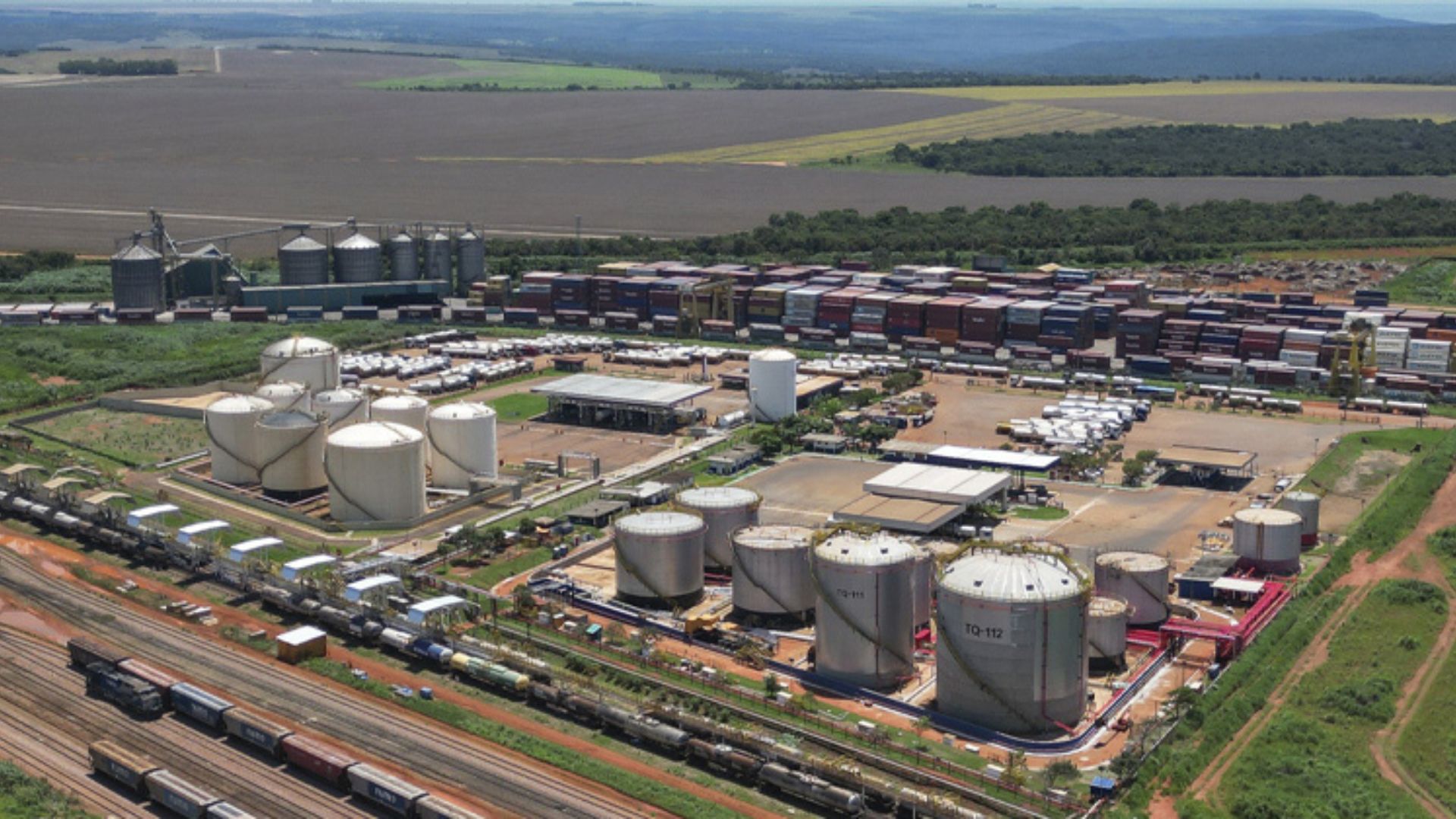
Ultracargo Has Put Into Operation a New Railway Bypass in Rondonópolis, Expanding the Transport of Biofuels and Derivatives Between MT and SP. The Structure Strengthens Ethanol Logistics, Reduces Operating Costs, and Integrates the Midwest with the Southeast
Ultracargo has begun operation of a new railway bypass at the terminal in Rondonópolis, Mato Grosso, strengthening the logistics of biofuels and derivatives between MT and SP. According to a report from Portos e Navios this Tuesday (27), the investment of R$ 95 million connects the Midwest to the national railway network, increases the terminal’s handling capacity, and improves efficiency in the flow of Ethanol, especially corn ethanol produced in the region.
Ultracargo Expands Logistics Integration Between MT and SP with New Railway Bypass
The new infrastructure reduces logistical costs, optimizes rail use, and decreases dependence on road transport. As a result, Ultracargo advances in the integration of production, storage, and distribution of fuels, consolidating Rondonópolis as a strategic hub for Brazil’s energy logistics.
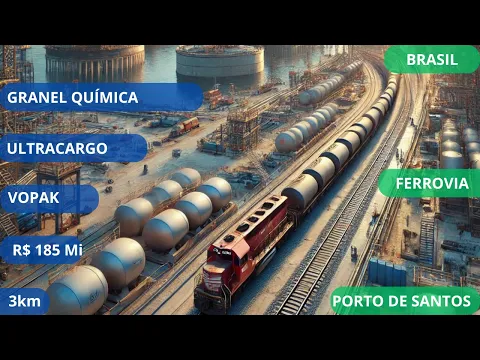
The Ultracargo project involves the operation of a railway bypass approximately four kilometers long, directly linked to the regional railway network. The structure was developed for the transport of biofuels and derivatives, including oil derivatives and Ethanol, connecting the Rondonópolis terminal to other strategic assets of the company.
-
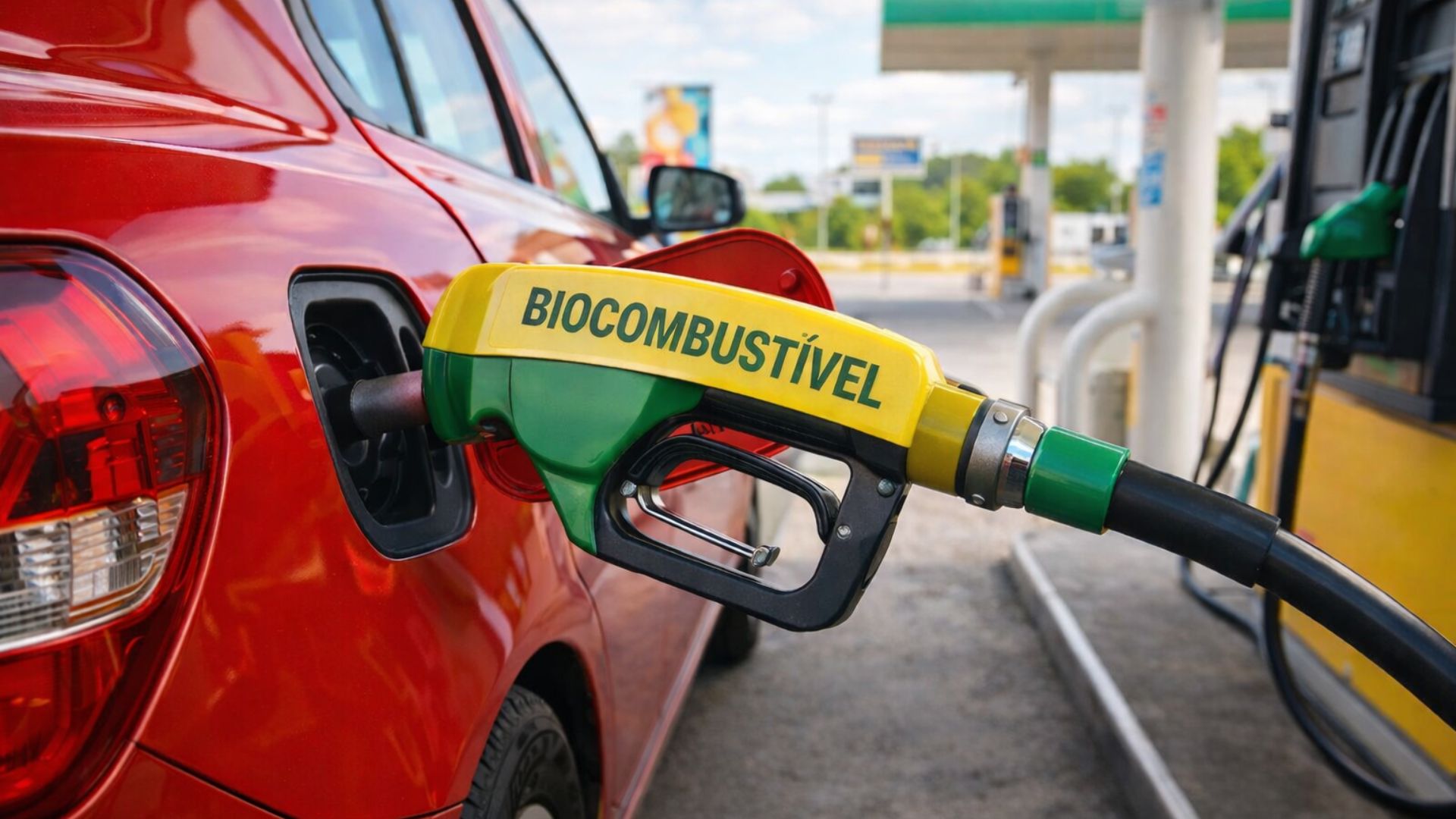
Brazil accelerates hydrogen and biofuel projects to consolidate the fuel of the future and reduce dependence on oil by 2026.

-
CNPE strengthens policy and prevents imported biodiesel from being mixed with diesel, aiming to strengthen the Brazilian industry and protect jobs by reducing external dependence amid tensions in the global market.
-
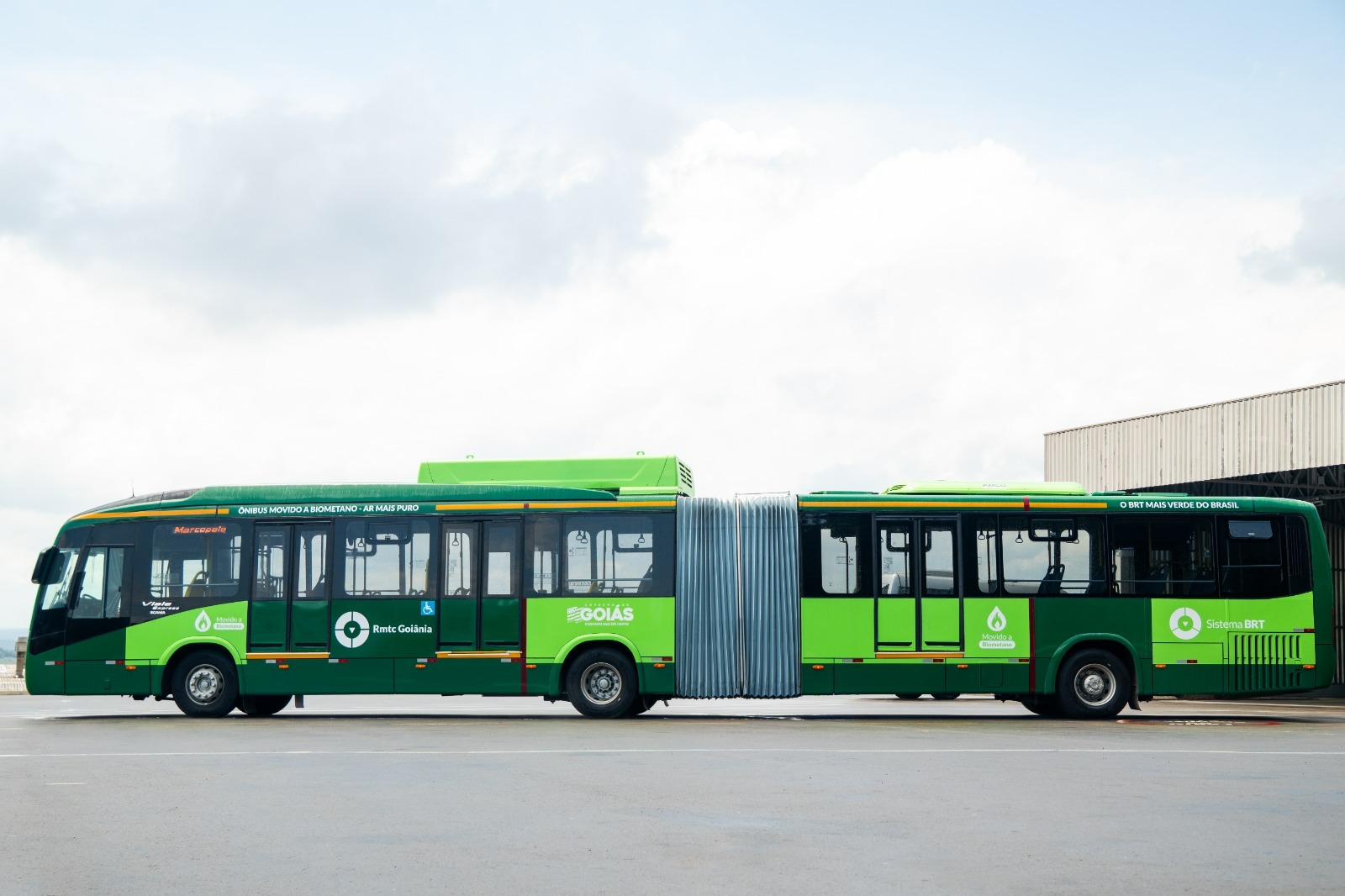
Revolution in public transport: Goiânia puts into circulation the first articulated buses powered by biomethane in Brazil and promises to drastically reduce pollution on the Anhanguera Corridor.
-
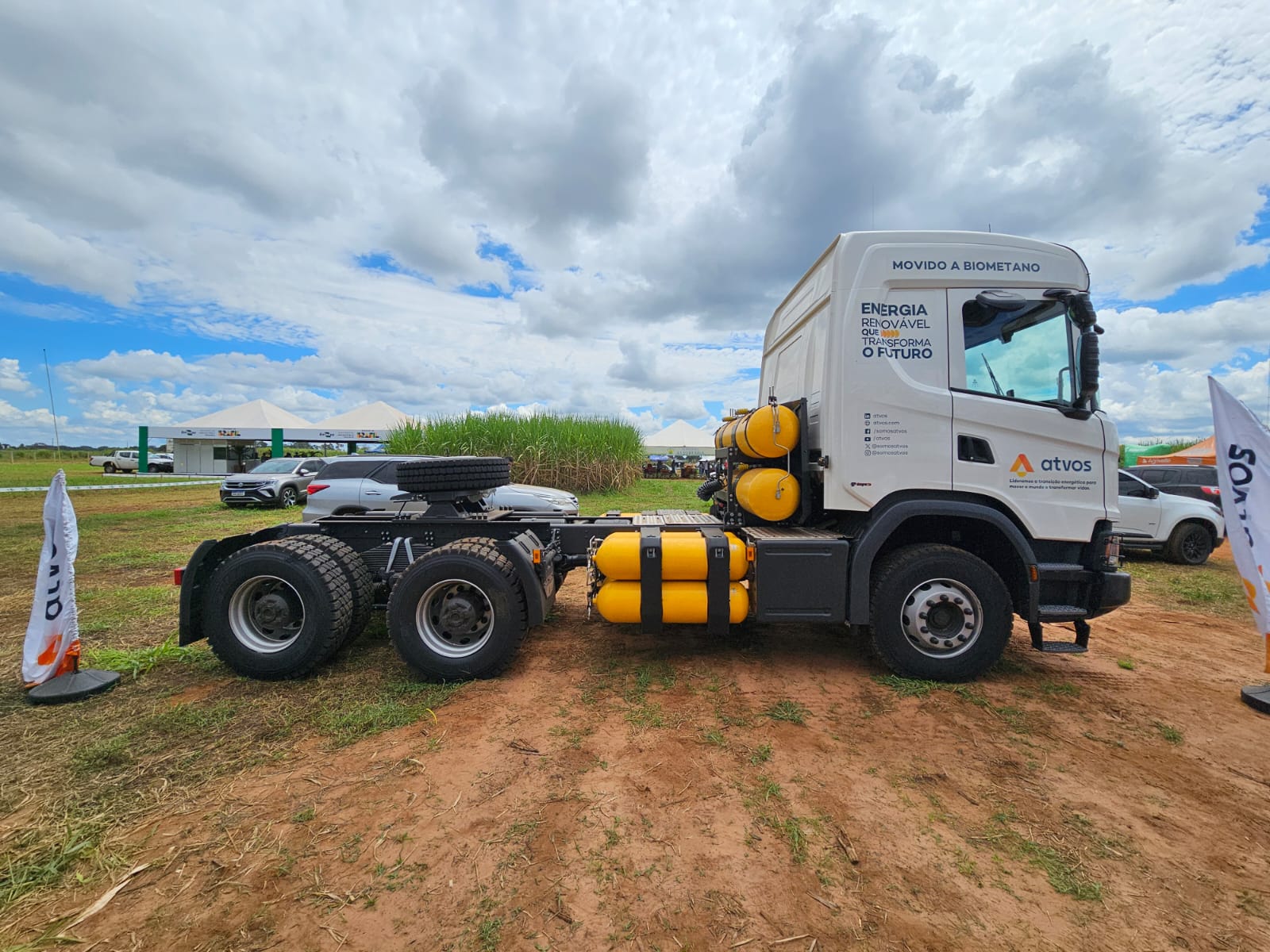
From the field to the pipelines: Mato Grosso do Sul accelerates the energy transition and consolidates a new axis in renewable energy with the arrival of a giant biogas plant.

The investment reinforces logistics integration between MT and SP, two of the country’s main production, consumption, and distribution hubs for fuels. According to the company, the goal is to ensure greater fluidity in transport, reduce historical bottlenecks, and create a more efficient logistics corridor between the Midwest and the Southeast.
Railway Bypass Strengthens Ethanol Logistics Produced in the Midwest
The new railway structure allows trains with up to 80 wagons to circulate, transporting approximately eight thousand cubic meters per composition. This volume remains integrated into the national rail network and connects to Ultracargo’s unit in Paulínia, in the interior of São Paulo, one of Brazil’s main fuel distribution hubs.
The railway bypass enhances the logistical competitiveness of Ethanol, especially corn ethanol produced in Mato Grosso. The railway now plays a central role in the flow of production, ensuring greater operational predictability and reducing costs associated with long-distance transport.
Ultracargo Bets on Integrated Logistics for Biofuels and Derivatives
One of the project’s pillars is the concept of integrated logistics adopted by Ultracargo. According to the company, planning foresees that trains transporting oil derivatives from the Southeast to Mato Grosso will return loaded with biofuels and derivatives, mainly Ethanol.
This strategy reduces empty movements and improves the efficiency of railway operations. By taking advantage of the return flow, the company optimizes the use of existing infrastructure, reduces the cost per cubic meter transported, and contributes to a more rational and sustainable logistics system.
Ultracargo Terminal Capacity Grows with Focus on MT and SP
With the operation of the railway bypass, the Ultracargo terminal in Rondonópolis now has the capacity to handle up to three million cubic meters per year. This increase is not limited to the railway but involves a set of structural improvements made on-site.
The investment included expanding storage capacity by 15 thousand cubic meters, with the installation of two new Ethanol tanks, as well as modernizing the railway and road platforms. The terminal now operates with greater flexibility and efficiency, meeting growing demands between MT and SP.
Migration from Road to Rail Transport Boosts Ethanol
The new infrastructure allows for a partial migration from road transport to rail, a strategic change for the logistics of biofuels and derivatives. Ultracargo highlights that the railway is more efficient for large volumes and long distances, such as the route between MT and SP.
The reduction in dependence on road transport brings economic and operational gains. Less exposure to cost fluctuations, greater predictability in deadlines, and increased load capacity make the railway an increasingly relevant alternative for the flow of Ethanol.
Reduction of Logistics Time Between MT and SP with the Railway Bypass
In addition to increasing capacity, the project brought direct gains in transport time. According to Ultracargo, the modernization of platforms and the integration of the railway bypass allowed for a reduction of up to two days in logistics connection time between Mato Grosso and São Paulo.
Less time in transit means lower costs and greater operational efficiency. This factor is especially important for logistics chains of biofuels and derivatives, which require continuous flow, regularity, and reliability in supplying consumer markets.
Rondonópolis Consolidates as a Logistics Hub for Ethanol
With the new investments from Ultracargo, Rondonópolis strengthens its position as a strategic hub for Ethanol logistics in Brazil. The city consolidates itself as a fundamental link between the production of the Midwest and the distribution and consumption centers of the Southeast.
The integration between MT and SP expands the reach of regional production, allowing larger volumes of biofuels and derivatives to reach markets more efficiently. This movement follows the growth of corn ethanol production and the need for compatible infrastructure with this expansion.
Economic and Logistical Impacts of Ultracargo’s Project
The effects of the new railway bypass go beyond Ultracargo’s operation. The improvement in logistics between MT and SP generates positive impacts for producers, distributors, and consumers of Ethanol and other fuels.
Among the main effects of the new railway bypass are the reduction of logistical costs along the chain, the increase in the competitiveness of Brazilian Ethanol, less pressure on the highways, and better use of existing railway infrastructure, reinforcing efficient logistics as one of the fundamental pillars for the advancement of biofuels in the country.

A New Railway Corridor for Brazilian Bioenergy
The operation of the railway bypass by Ultracargo in Rondonópolis represents a structural advancement for the logistics of biofuels and derivatives between MT and SP. The investment strengthens rail transport, expands terminal capacity, reduces costs, and improves the flow of Ethanol produced in the Midwest.
The new logistics corridor connects production, efficiency, and regional integration. By consolidating Rondonópolis as a strategic hub and reinforcing the link with the Southeast, Ultracargo contributes to a more competitive, modern energy chain aligned with the needs of the Brazilian market.









Seja o primeiro a reagir!