





 Portuguese
  English
  Spanish
  3 min of reading
  0 comments


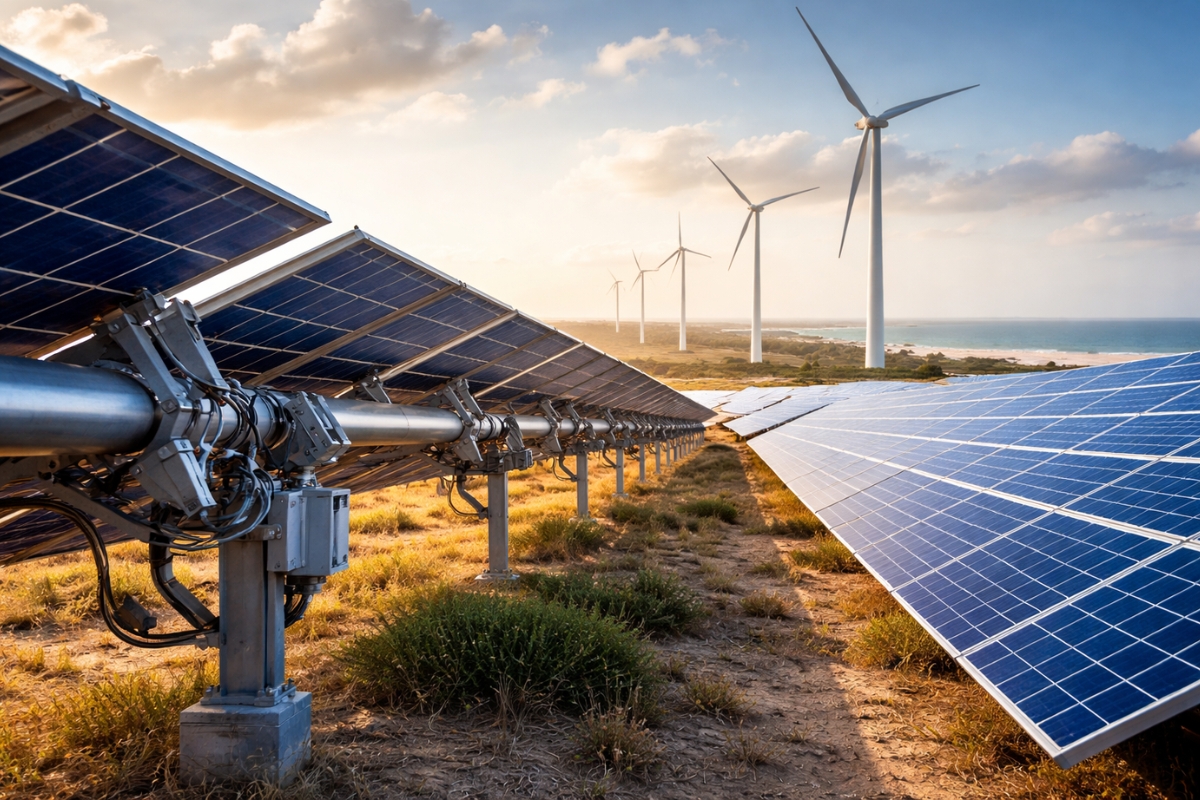
In São Miguel do Gostoso, Polimix Energia Implemented a 40.8 MWp Solar Plant Integrated with a 103.5 MW Wind Complex to Supply Ten Cement Factories, Resulting in Cost Reduction and Greater Operational Efficiency in the Northeast.
The energy transition has stopped being a trend and has become a concrete strategy within the heavy industry in Brazil. In Rio Grande do Norte, a new step is about to reinforce this change.
Polimix Energia, the generation arm of the Polimix concrete group, confirmed that it is set to begin commercial operation of the UFV Mundo Novo photovoltaic plant by the end of 2026. The project integrates a hybrid model that combines solar and wind energy in the same complex.
This movement draws attention due to the volume of power involved and the direct impact on the supply of the group’s factories. In-house generation gains strength and reduces dependence on the traditional market.
-
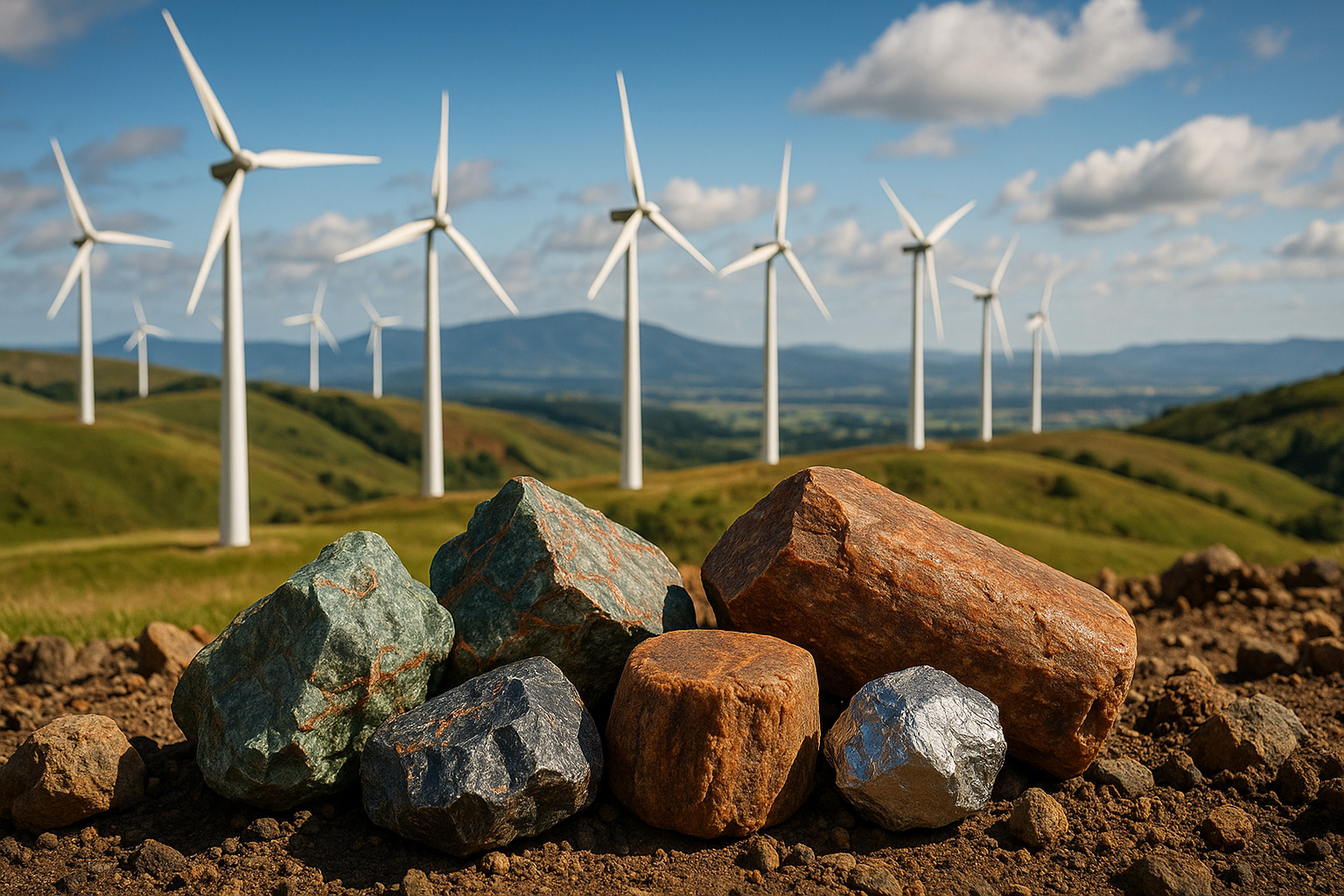
The Brazilian state accelerates industrial competitiveness with a focus on the extraction of strategic minerals to boost the energy transition in Goiás.
-
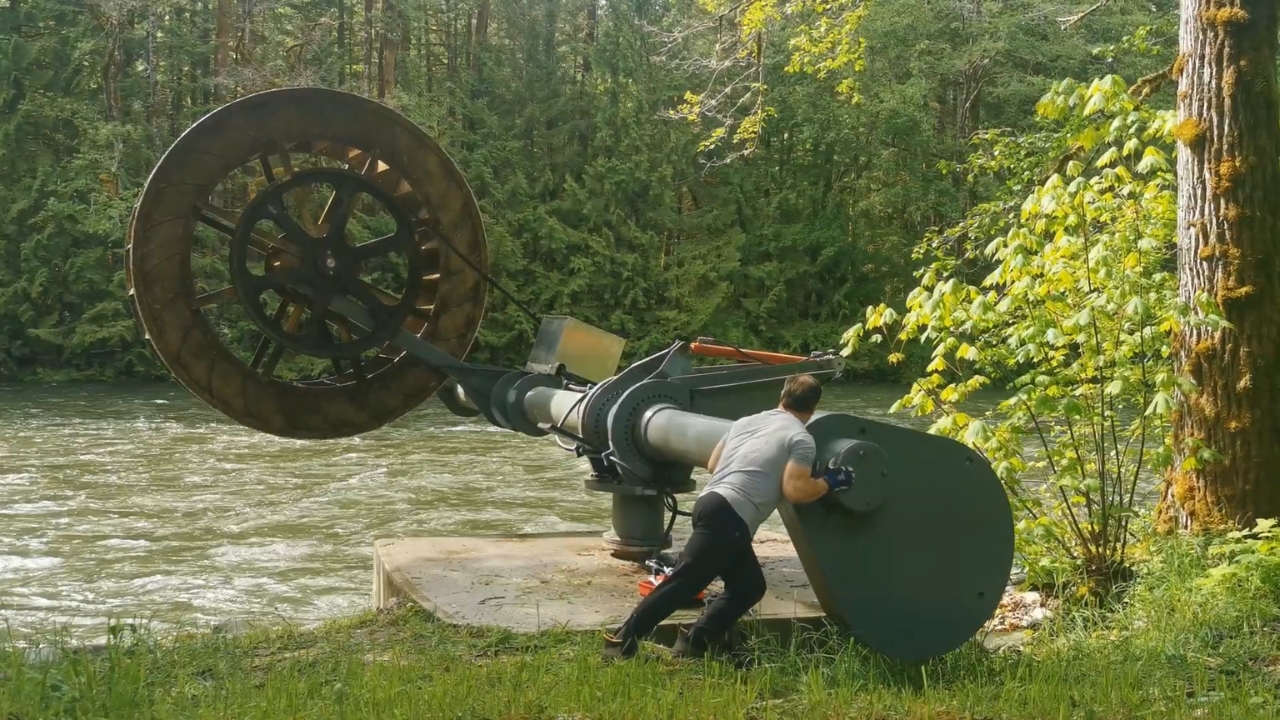
A Canadian retiree creates a hydroelectric system on a real river, generating energy continuously throughout the day and demonstrating how the power of water can supply a house with stability even in a simple structure.
-
Petrobras reaffirms its commitment to the market and ensures that it will carry out the energy transition safely to maintain national sovereignty.

-
Researchers discover a possible hydrogen deposit of up to 46 million tons beneath an ancient coal basin, and the volume could exceed half of the entire global production.


Hybrid Project in Rio Grande do Norte Unites Sun and Wind in a Single Complex
The project is located in São Miguel do Gostoso, Rio Grande do Norte, a region known for its high wind and solar potential.
The UFV Mundo Novo is part of a hybrid project that combines two complementary renewable sources. While solar energy produces during the day, wind energy can maintain consistent generation according to wind patterns.
This model increases the efficiency of transmission infrastructure use and reinforces the energy stability of the complex.

Solar Plant Will Have 40.8 MWp and Will Use Trackers with 150 Modules Each
The solar plant will have an installed power of 40.8 MWp. To achieve this performance, trackers provided by the Spanish company Soltec will be used.
Each tracker will have a capacity of 105.8 kWp and will accommodate 150 photovoltaic modules. The tracking system follows the sun’s movement throughout the day, increasing energy production.
According to the manufacturer, the adopted configuration allows significant gains in Capex and Opex, reducing the number of electronic and electromechanical components such as motors, control systems, batteries, and dedicated panels. The detail that caught the most attention was precisely this technical simplification combined with the scale of the project.
Wind Complex Already Operates with 103.5 MW and Supplies 450 Thousand MWh Per Year
Even before the solar plant’s entry, the Eólico Mundo Novo complex has been in commercial operation since January 2024.
With an installed capacity of 103.5 MW, the wind farm supplies approximately 450 thousand MWh per year of renewable energy. This volume supplies all ten cement factories of the Polimix group.
The wind turbines used in the project were provided by the Danish manufacturer Vestas, a global reference in the wind sector.
Cost Reduction and Strengthening of In-House Generation Gain Prominence
The combination of solar and wind reinforces a clear self-production strategy. By integrating 40.8 MWp of solar with the already existing 103.5 MW of wind, Polimix expands its energy capacity and reduces exposure to market fluctuations.
In addition to operational efficiency, there is a direct impact on cost predictability. The reduction of components in the solar trackers also contributes to lower maintenance and greater reliability over time.
The result is a stronger self-energy matrix, aligned with industrial growth and sustainability goals.
The expansion of renewable generation within large industrial groups shows that the energy transformation is already underway and that hybrid models may become increasingly common in Brazil.
What do you think of the strategy of combining solar and wind energy to power large industries? Should this model spread across the country? Share your opinion in the comments.







-

Uma pessoa reagiu a isso.