





 Portuguese
  English
  Spanish
  4 min of reading


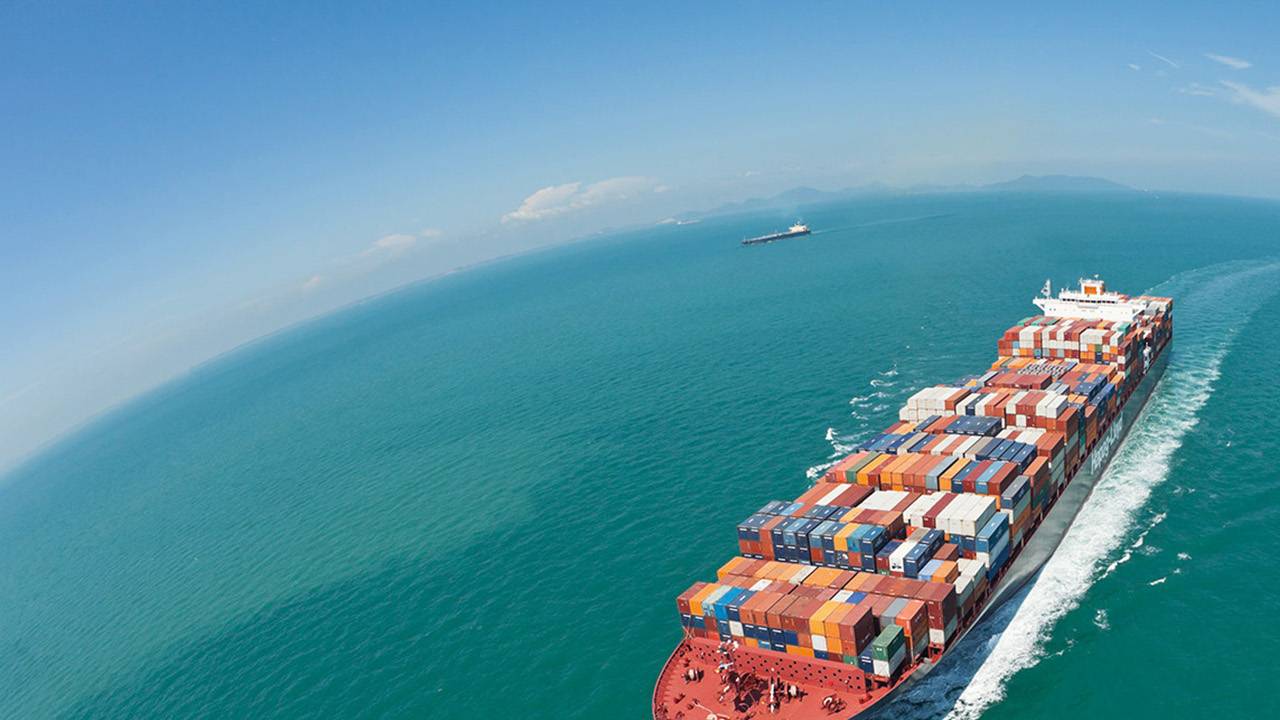
Hapag-Lloyd To Use Advanced Biofuels For DHL Shipment Transportation
São Paulo, July 2022 – DHL Global Forwarding, the air and ocean freight specialist of Deutsche Post DHL Group, has signed an agreement with Hapag-Lloyd, a global leader in shipping, for the use of advanced biofuels. As an initial step, Hapag-Lloyd will ship 18,000 TEU (Twenty-foot Equivalent Unit) of DHL’s volume using advanced biofuels, which equates to a reduction of 14,000 tons of CO2 emissions. The two companies share the vision of decarbonizing container transport and logistics. With their project, they demonstrate the scalability of sustainable transportation solutions and the relevance of sustainable fuels in today’s market. As pioneers, both DHL and Hapag-Lloyd are committing to a uniform industry standard, following a blending approach.
“Decarbonizing heavy transport is a major challenge that the entire industry needs to rethink. That’s why we are very proud to have found a partner like Hapag-Lloyd that shares the same ambitions for a climate-neutral world, anchored in the Paris Agreement. Together, we want to pave the way for Book & Claim and blending mechanisms to facilitate the use of sustainable fuels by carriers,” says Dominique von Orelli, Global Head of Ocean Freight at DHL Global Forwarding.
Advanced biofuels are based on biological raw materials, such as used cooking oil and other waste products. This material is used to produce a fatty acid methyl ester (FAME), which is then mixed with varying proportions of low-sulfur fuel oil. Compared to standard fuels, this pure biofuel product reduces greenhouse gas emissions by more than 80%.
-
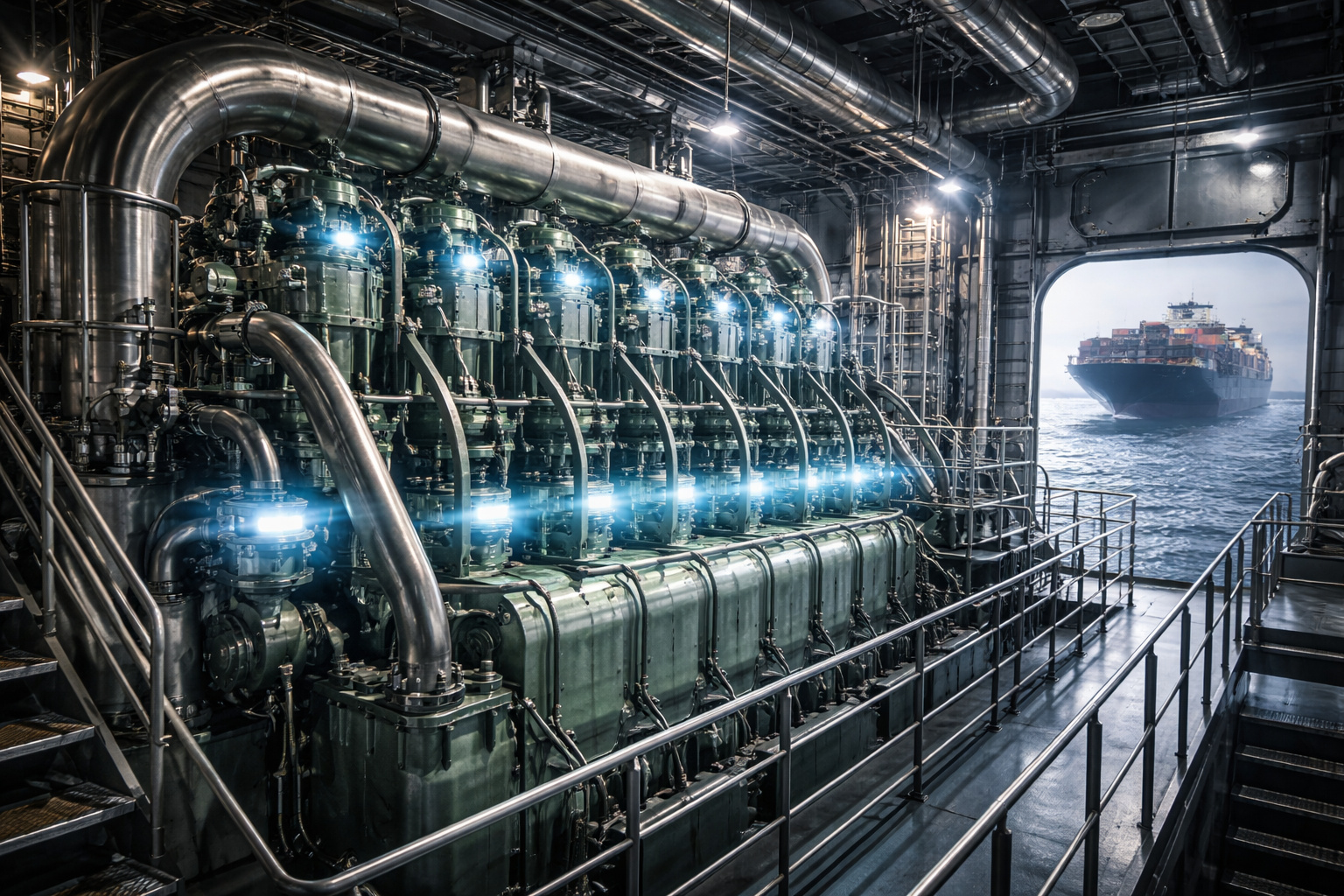
Europe is trying to create an ammonia-powered marine engine without auxiliary fuel, which could unlock the race for giant emission-free ships. The technology aims to eliminate one of the biggest obstacles to clean maritime propulsion.
-
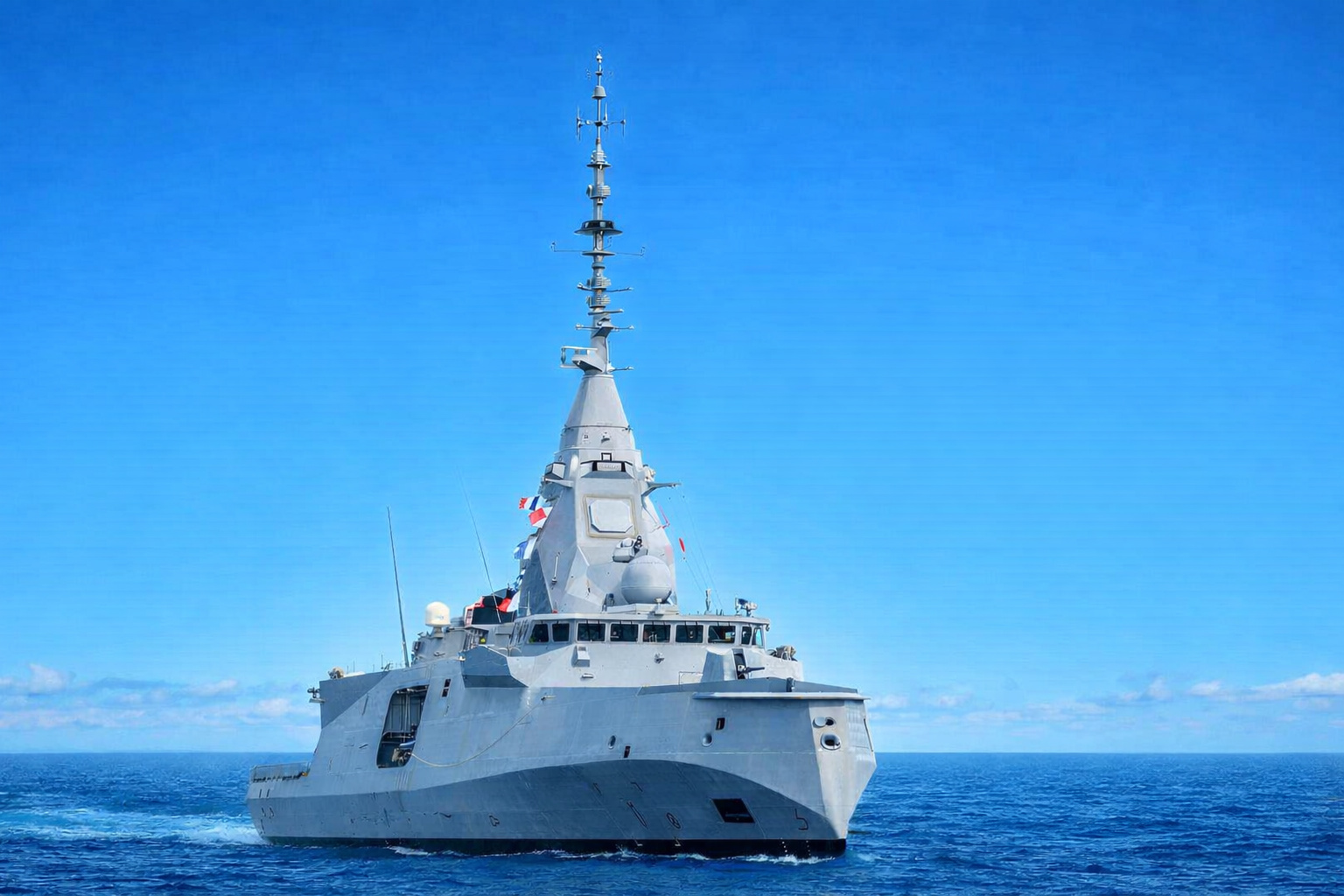
A 4,500-ton frigate with just over 100 crew members, state-of-the-art radar, and cruise missiles is being touted as the new standard of naval warfare in the 21st century.
-
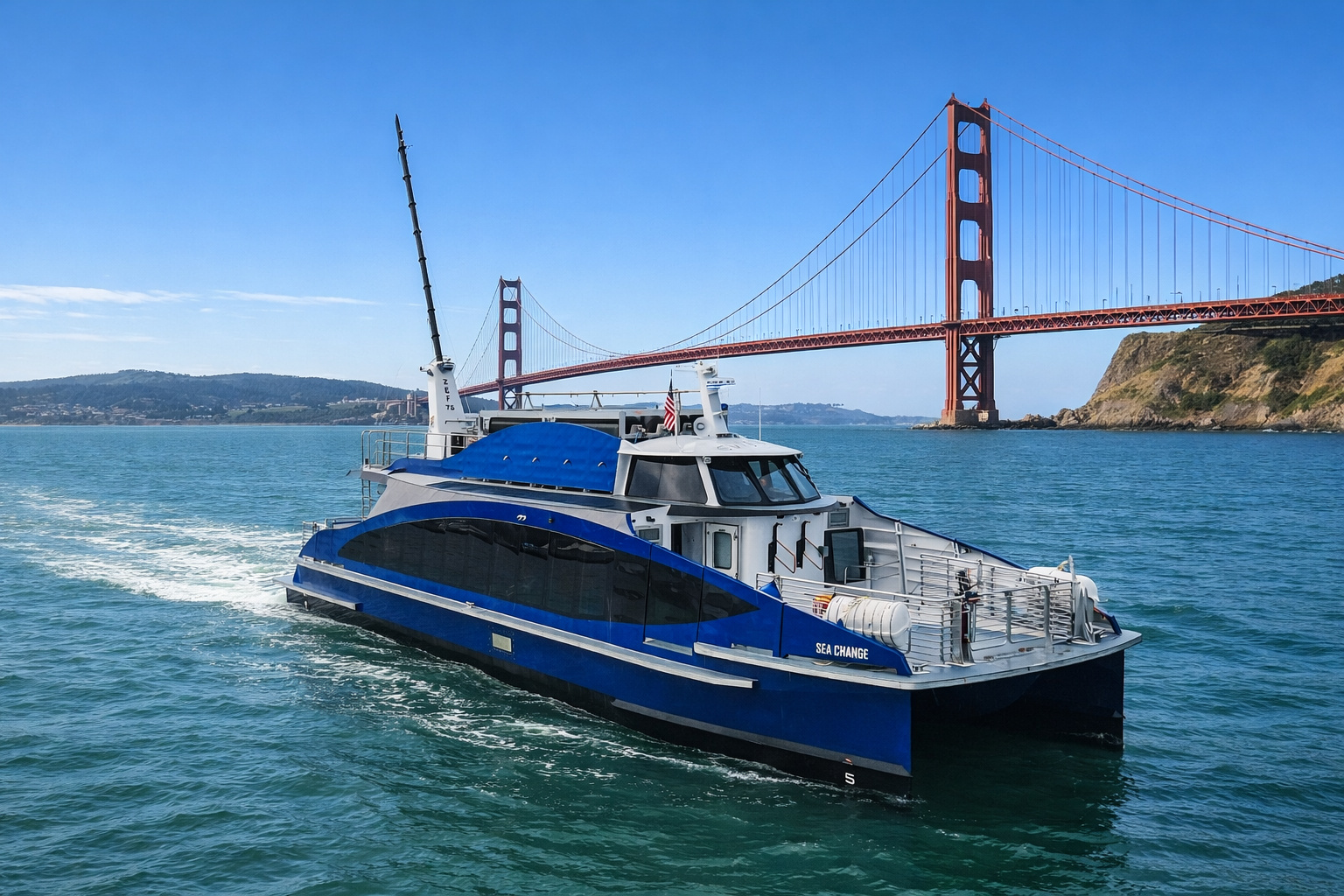
The first commercial hydrogen-powered ferry enters operation in the U.S., eliminates the use of diesel, uses fuel cells to generate clean energy on board, and transforms San Francisco Bay into a landmark of the new era of emission-free navigation.
-
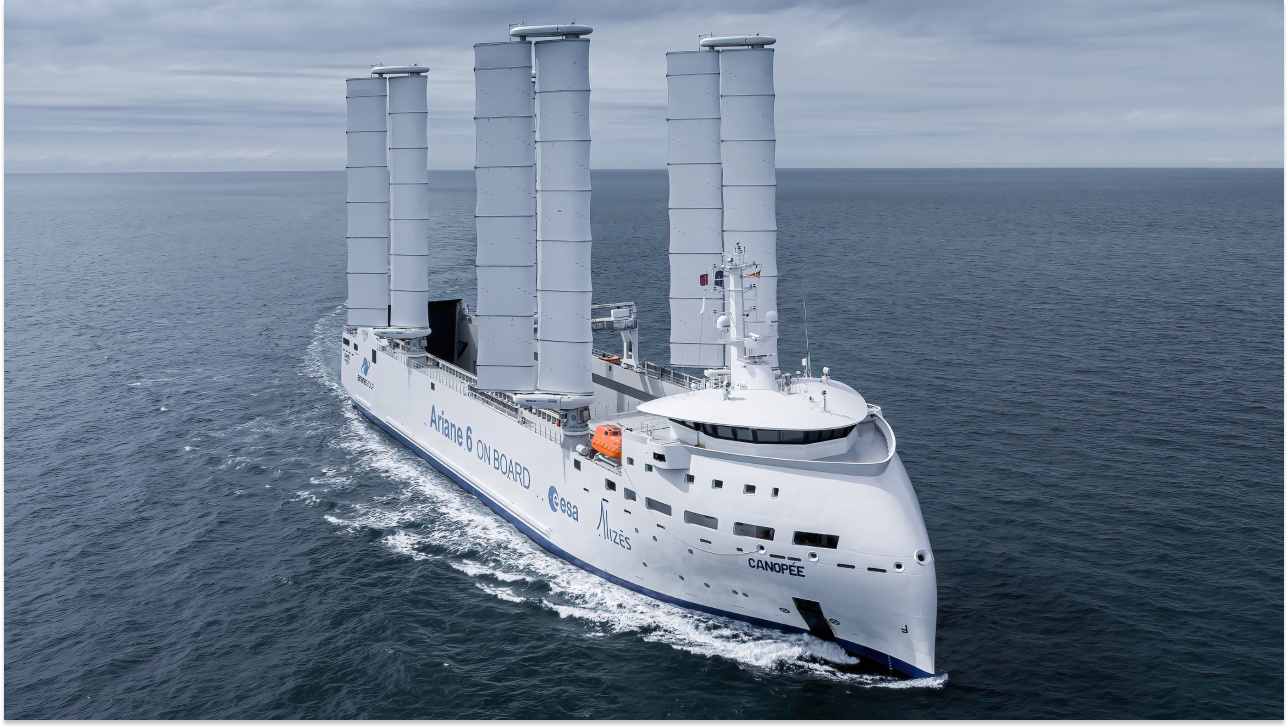
With a length of 121 meters and four rigid sails of 36 meters that automatically rotate to capture the wind, Canopée is the world’s first hybrid industrial cargo ship powered by wind, used to transport rockets and reduce fuel consumption by up to 30% on transoceanic routes.

“We are very pleased to have signed this agreement for the use of a substantial amount of advanced biofuel with DHL, as we share the values and ambition to protect our environment and move towards a greener future. Biofuels will play a significant role in the coming years on our path to becoming net zero carbon by 2045. This project will bring us closer to offering our customers biofuel-powered transport as a commercial product, thereby supporting them in their efforts to reduce their carbon output,” says Danny Smolders, Managing Director of Global Sales at Hapag-Lloyd.
Aligned with the sustainability strategies of DHL and Hapag-Lloyd to achieve zero emissions by 2050 and 2045, respectively, both companies are committed to providing sustainable logistics solutions and access to sustainable fuels that will support the decarbonization of the sector.
Hapag-Lloyd has been testing advanced biofuels since 2020 and offers a carbon-reducing transportation solution using biofuel blends instead of traditional fossil marine fuel oil (MFO). The resulting reduction in CO2 equivalent emissions (CO2e) can be offered as a “Green Product” based on Twenty-foot Equivalent Units (TEU) and thus passed on to customers to help reduce their Scope 3 emissions.
The DHL GoGreen Plus service paves the way for the transition to clean and sustainable transportation. As part of the GoGreen Plus, DHL customers receive various solutions to minimize logistics-related emissions and other environmental impacts across the entire supply chain. Therefore, CO2 emissions are reduced in both air and ocean freight, and additionally, the remaining part of the supply chain is climate neutral through full lifecycle emission offsetting. Emission reductions also help DHL customers achieve their climate goals. With the “Book & Claim” mechanism, DHL can pass on the benefits of reduced greenhouse gas emissions (Scope 3 emissions) to its customers. The product offering GoGreen Plus is part of the Group’s mid-term sustainability roadmap for 2030 and contributes to the goal of covering at least 30% of fuel requirements with sustainable fuels. To reduce CO2 emissions in accordance with the Paris Climate Agreement, the Group will spend 7 billion euros on sustainable fuel and clean technologies by 2030.
About Hapag-Lloyd
With a fleet of 248 modern container ships and a total transport capacity of 1.8 million TEU, Hapag-Lloyd is one of the leading shipping companies in the world. The company has approximately 14,000 employees and 418 offices in 137 countries. Hapag-Lloyd has a container capacity of approximately 3.0 million TEU, including one of the largest and most modern fleets of refrigerated containers. A total of 123 liner services globally ensure fast and reliable connections between over 600 ports on all continents. Hapag-Lloyd is a key player in the Transatlantic, Middle East, Latin America, and Intra-America trades.
About DHL – The Logistics Company For The World
DHL is the global market leader in the logistics industry. Our divisions offer an unmatched portfolio of logistics services ranging from domestic and international parcel delivery, e-commerce shipping and fulfillment solutions, international express transport, road, air, and ocean freight to complete supply chain management. With around 380,000 employees in more than 220 countries and territories worldwide, DHL connects people and businesses securely and reliably, enabling sustainable global trade flows. With specialized solutions for growing markets and industries, including technology, life sciences and healthcare, engineering, manufacturing and energy, mobility/automotive, and retail, DHL is decisively positioned as “The Logistics Company For The World.”
DHL is part of the Deutsche Post DHL Group. The Group generated revenues of more than 81 billion euros in 2020. With sustainable business practices and a commitment to society and the environment, the Group positively contributes to the world. The Deutsche Post DHL Group aims to achieve zero-emission logistics by 2050.
Source: Saulo Kurosaka Via RPMA Comunicação










Seja o primeiro a reagir!