





 Portuguese
  English
  Spanish
  3 min of reading


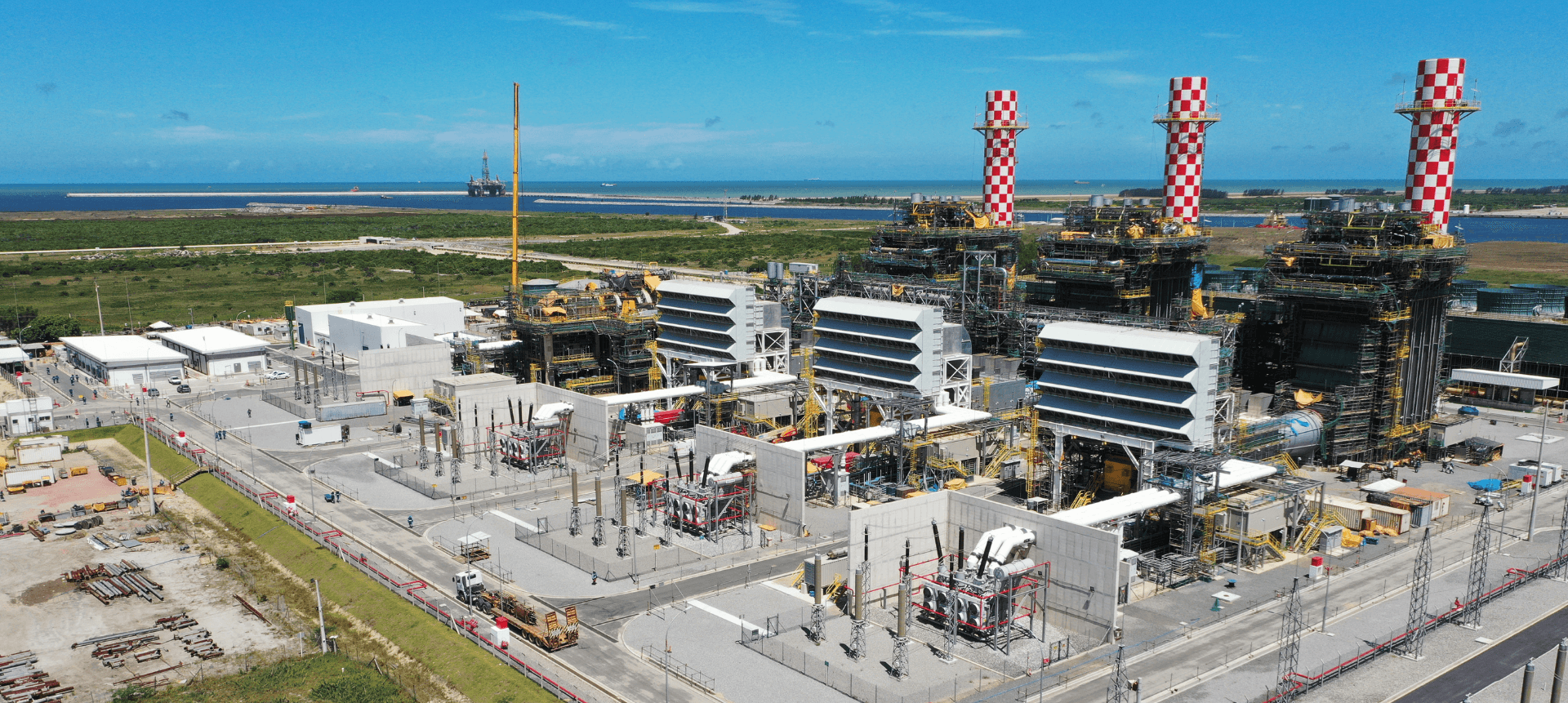
Thermal Power Plants Will Cost About R$ 13.1 Billion By November, According to ONS (National Electric System Operator) Forecasts
The thermal power plants, which pollute more and generate more expensive energy, are being used more to avoid a blackout amid the water crisis that Brazil is experiencing, leading to higher energy generation costs in Brazil. This expense is passed on to consumers, which is expected to make electricity bills more expensive until at least 2025. Check out this news: MME Forecasts R$ 20 Billion Investment with Program That Extends Use of Coal-Fired Thermal Power Plants
- Universities in Canada, the United Kingdom, and the USA Have Scholarships Open for Brazilians Who Wish to Study Abroad and Enhance Their Resumes
- On the Eve of Truck Drivers’ Strike, Federal Government Announces “Diesel Assistance” Aiming to Benefit 750 Thousand Truck Drivers, But It Displeases the Category
- Gasoline and Diesel Prices May Rise Even More with Petrobras Supply Cuts
- Global Semiconductor Chip Crisis Raises Prices of Entry-Level Cars and Leaves Used Cars Scarce in the Brazilian Market
- RS Gains R$ 60 Million Power Plant Capable of Producing 10 Million Liters of Ethanol Per Year
Recently, the GNA I Thermal Power Plant Started Operating
Aneel – National Electric Energy Agency Authorized the Operation of the GNA I Thermal Power Plant. The facilities are located at the Porto do Açu in São João da Barra, Rio de Janeiro. The UTE will be powered by natural gas and have a capacity to produce 1,338.30 megawatts (MW), enough to supply 4 million people.
The Director-General of Aneel, André Pepitone, states that the operation of this thermal power plant will be very beneficial for the sector, especially in the current context. The energy generated by the UTE located at the Porto do Açu will be injected into the system in the Southeast region, the most affected by the drought in reservoirs, which is sufficient to meet the needs of 4 million residents, emphasizes the executive.
-
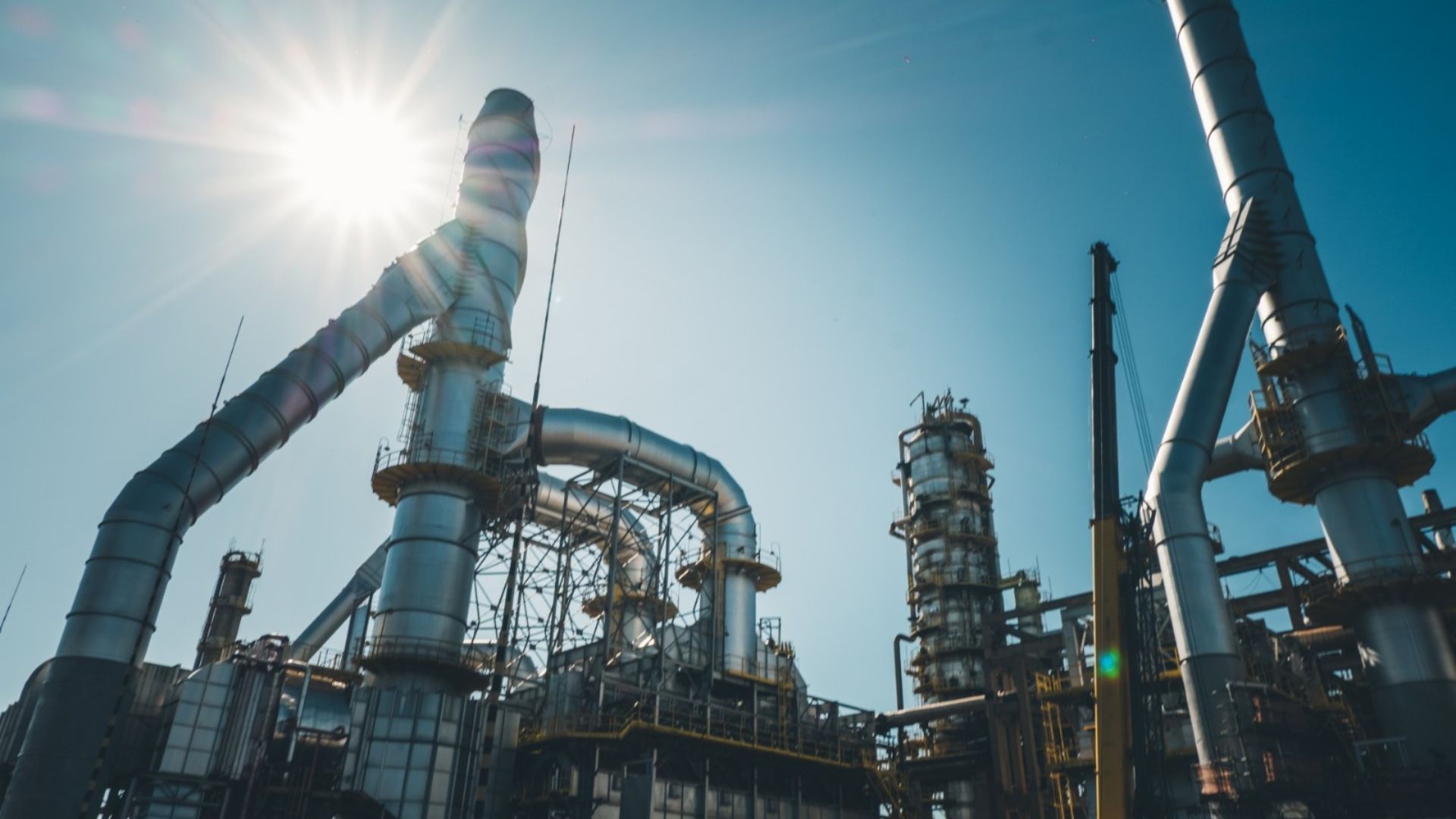
Petrobras Expands Refining in Brazil, Increases Production of Diesel S-10 and Gasoline, Enhances Operational Efficiency, and Reduces Import Dependence Between 2023 and 2025
-
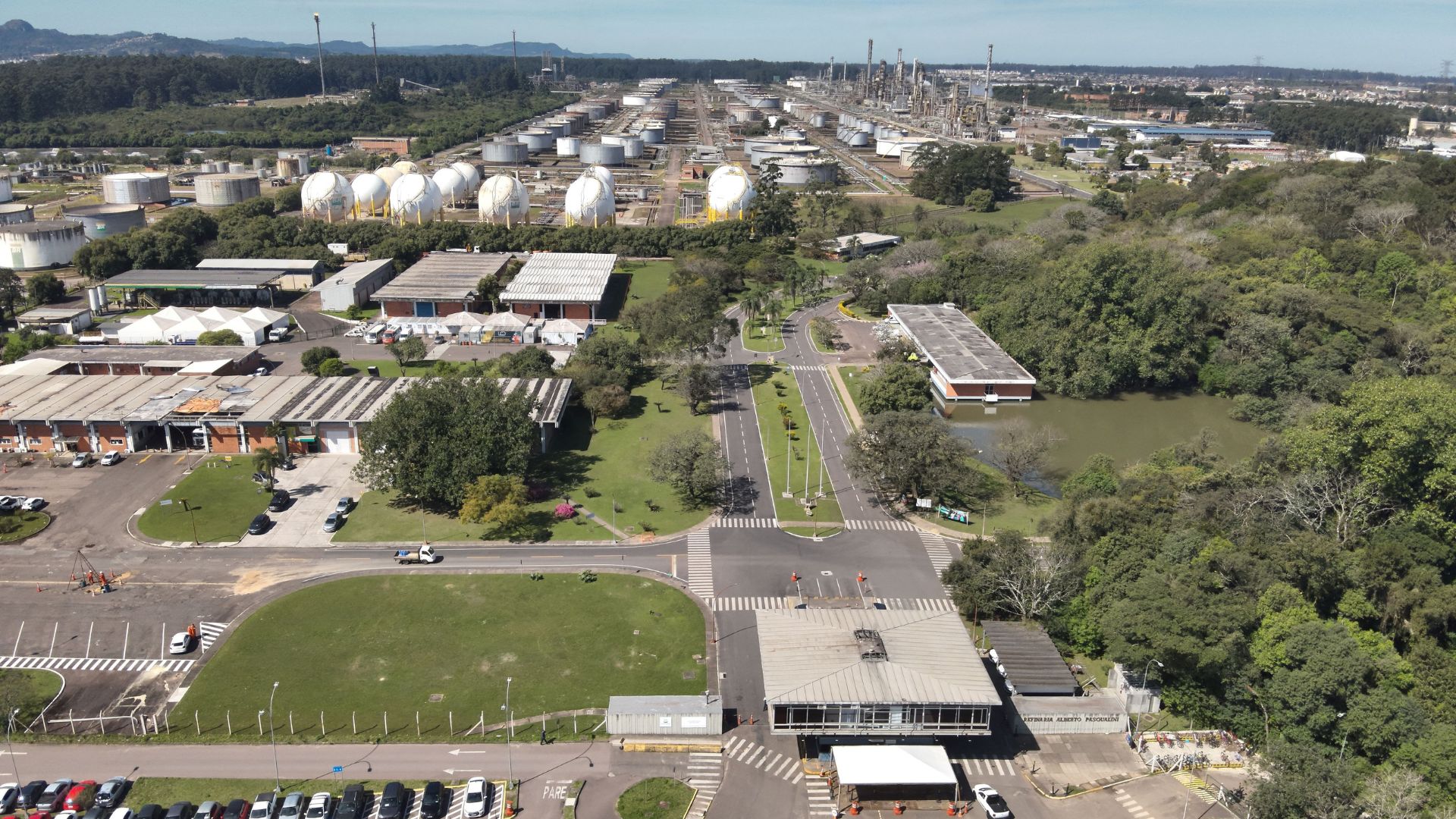
Petrobras’ Refap Sets Historic Records for Gasoline and S-10 Diesel Production in Canoas in Q4 2025, Surpassing Previous Figures
-
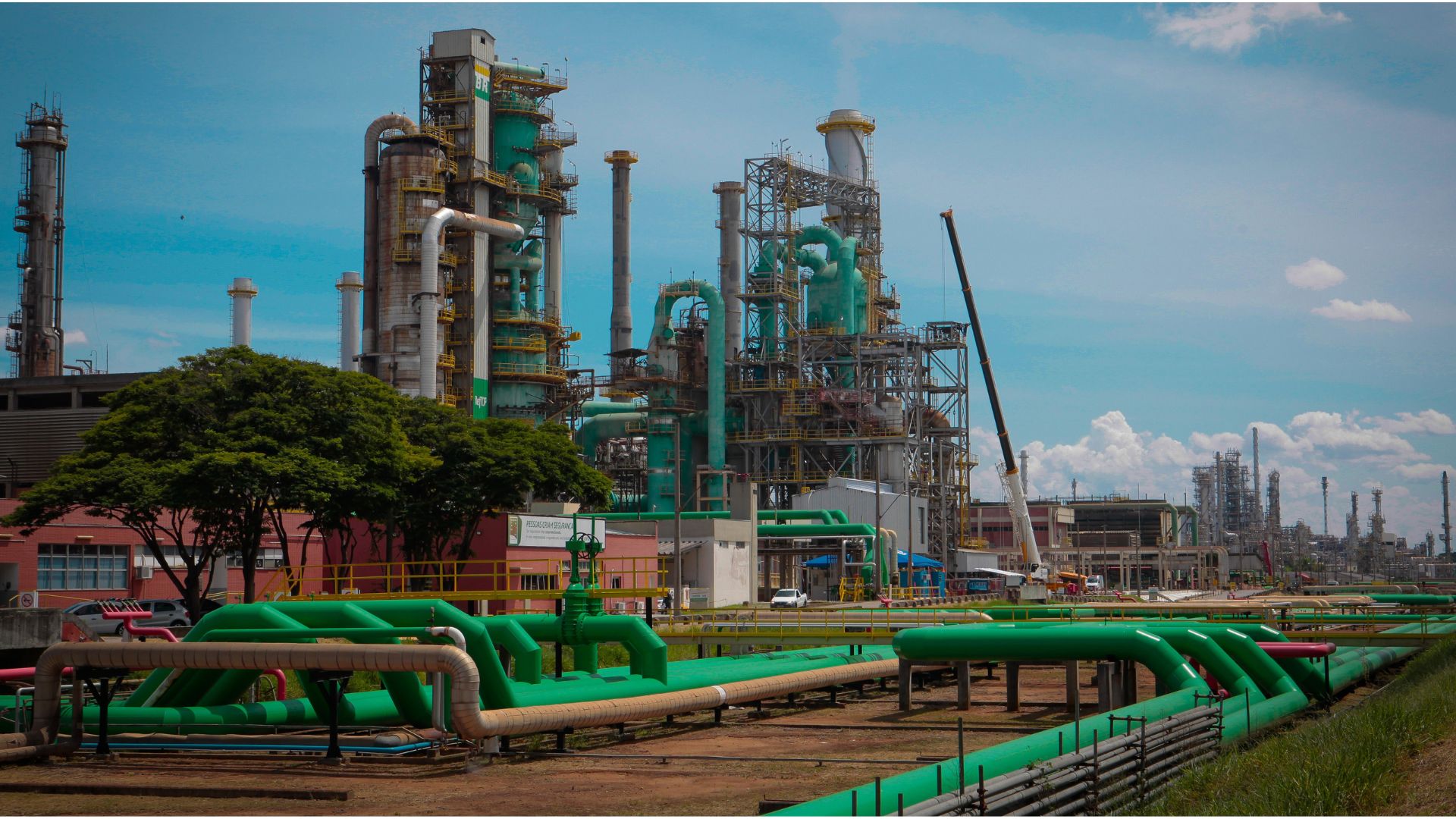
Revap Starts Operation of Modernized HDT and Petrobras Expands S-10 Diesel Production by 80% at the Refinery, Boosting Supply of Less Polluting Fuel in Brazil
-
Thermal Power Plant in Rio Grande do Sul Is Key to Attracting GWM
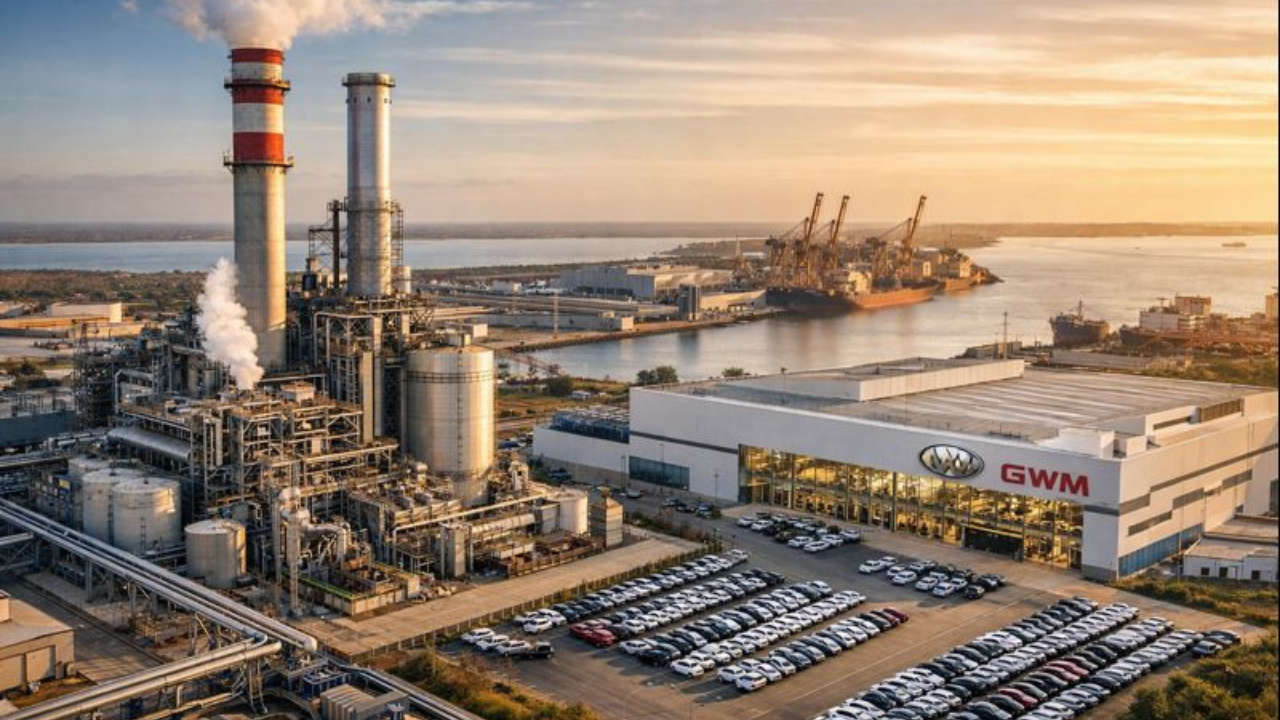

The water crisis caused by lack of rain consequently generates a drop in water storage in hydroelectric reservoirs, and the National Electric System Operator (ONS) had to activate thermal power plants to ensure energy supply to the country. However, the energy generated in thermal power plants is more expensive and increases electricity bills. At the end of August, the government and the National Electric Energy Agency (Aneel) announced a new level of tariff flag.
The Marlim Azul UTE, Is 70% Complete
In an interview with journalists, Shell Brasil’s Director of New Energies, Guilherme Perdigão, stated that the Marlim Azul thermal power plant is 70% complete and expected to start operations in January 2023, as scheduled. The executive highlighted that the first turbine has already arrived in Macaé, where the power plant is being built.
Guilherme Perdigão mentioned that currently, there are more than 1,200 people working on the project as a whole. The Marlim Azul thermal power plant project in the city of Macaé, Rio de Janeiro, also includes the construction of a 22-kilometer gas pipeline, in addition to the line connecting it to the system.
According to Perdigão, the Covid-19 pandemic was a significant challenge during the construction period, but the decline in case numbers due to vaccination brings optimism for the coming months. The National Electric Energy Agency has been informed of the challenges encountered in the construction stages during the pandemic. The Marlim Azul thermal power plant is expected to receive part of the R$ 3 billion that Shell plans to invest in the country by 2025.








Seja o primeiro a reagir!