





 Portuguese
  English
  Spanish
  5 min of reading
  0 comments


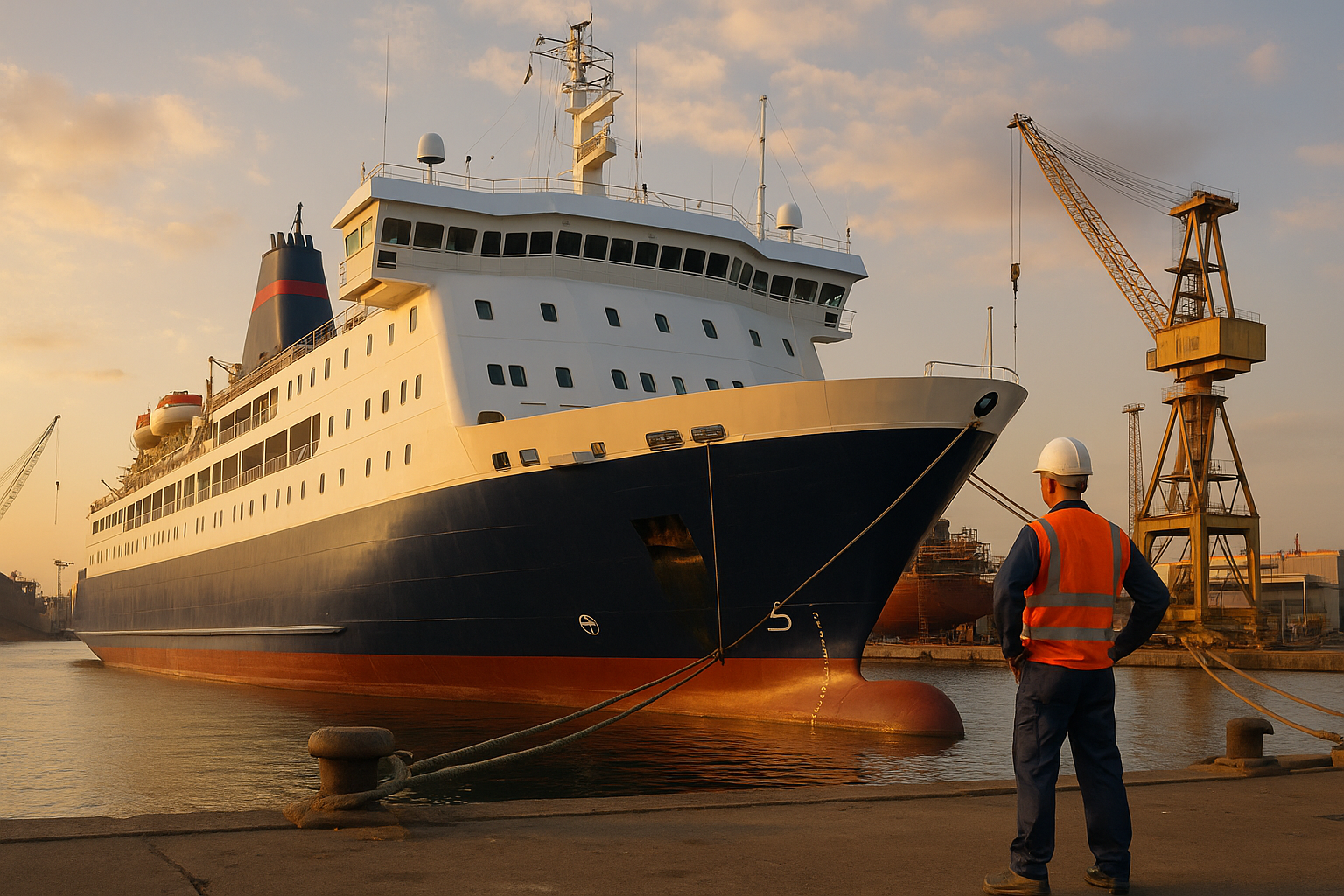
Discover How Applying Tips in the Maritime Industry Can Transform Maritime Operations with More Safety, Efficiency, and Sustainability — Exploring From Historical Context to Current and Timeless Practices.
The maritime industry is one of the oldest and most essential human activities.
Since ancient times, civilizations such as the Egyptians, Phoenicians, and Greeks built vessels for trade, war, and exploration.
According to the International Maritime Organization (IMO), navigation dates back at least 5,000 years, being fundamental for the expansion of human societies.
-
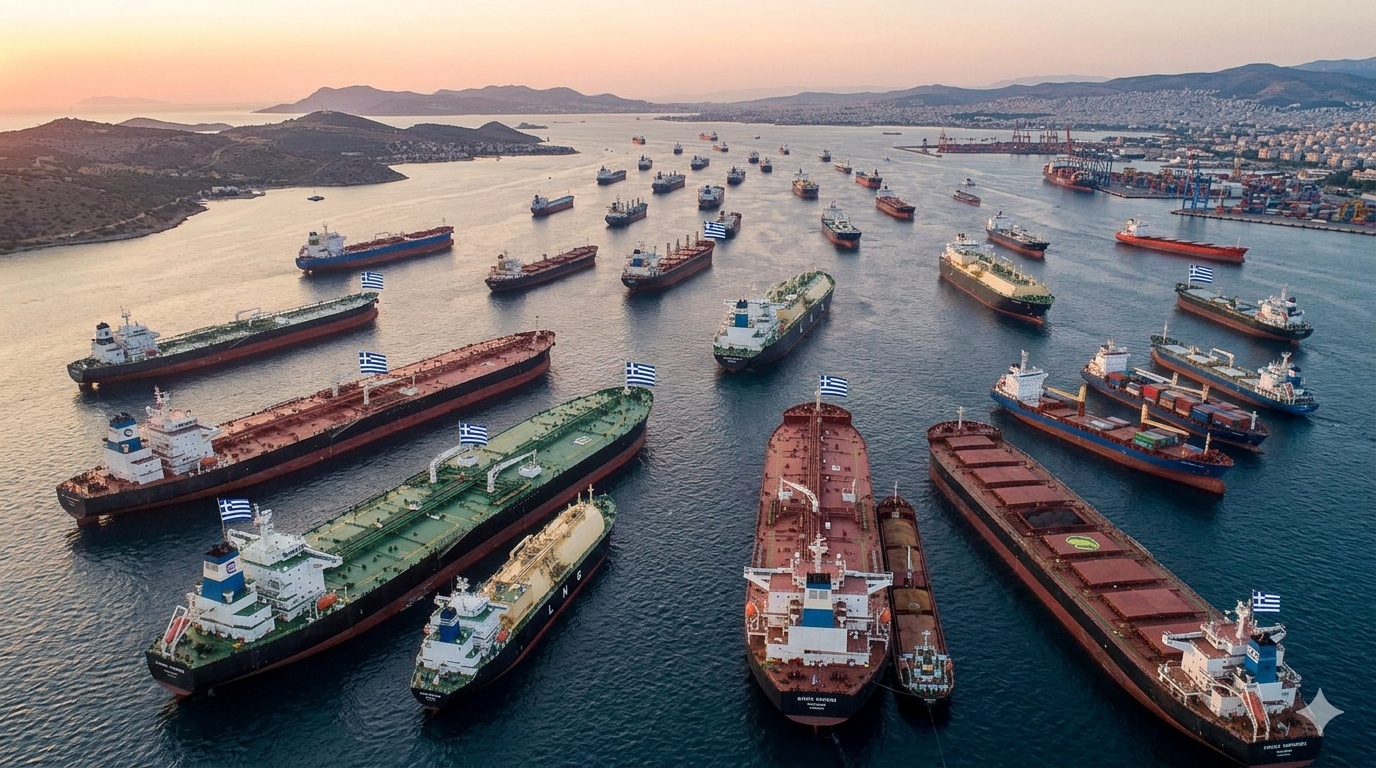
Neither the USA nor China: a small European nation has become one of the largest maritime powers on the planet, controlling one of the largest merchant fleets in the world with thousands of ships and dominating the global transportation of oil and strategic cargo.
-
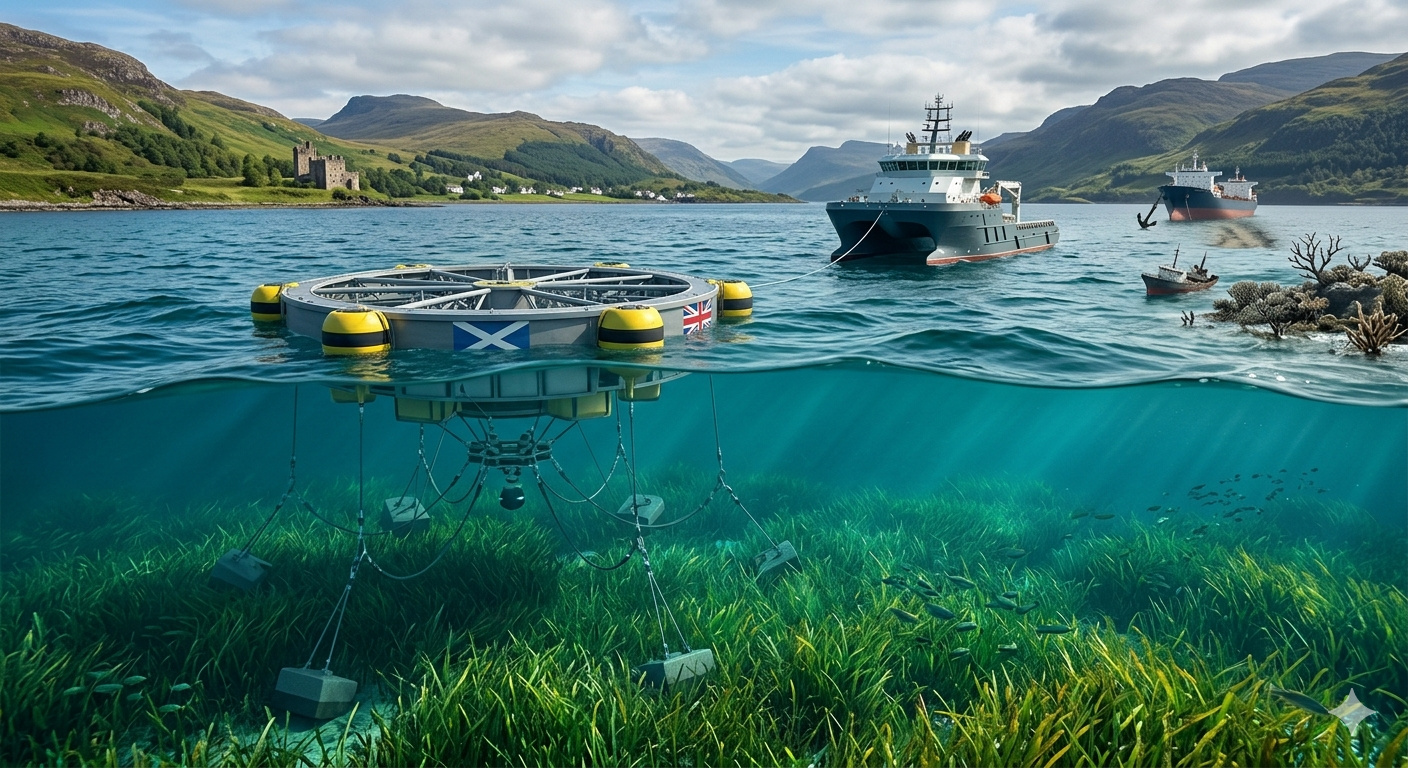
Scotland and the United Kingdom have created a new anchoring system that floats in the water without touching the seabed, after discovering that the current from a conventional anchor destroys up to 50 m² of seagrass meadow per event and that ship-damaged reefs showed no signs of recovery even ten years later.
-
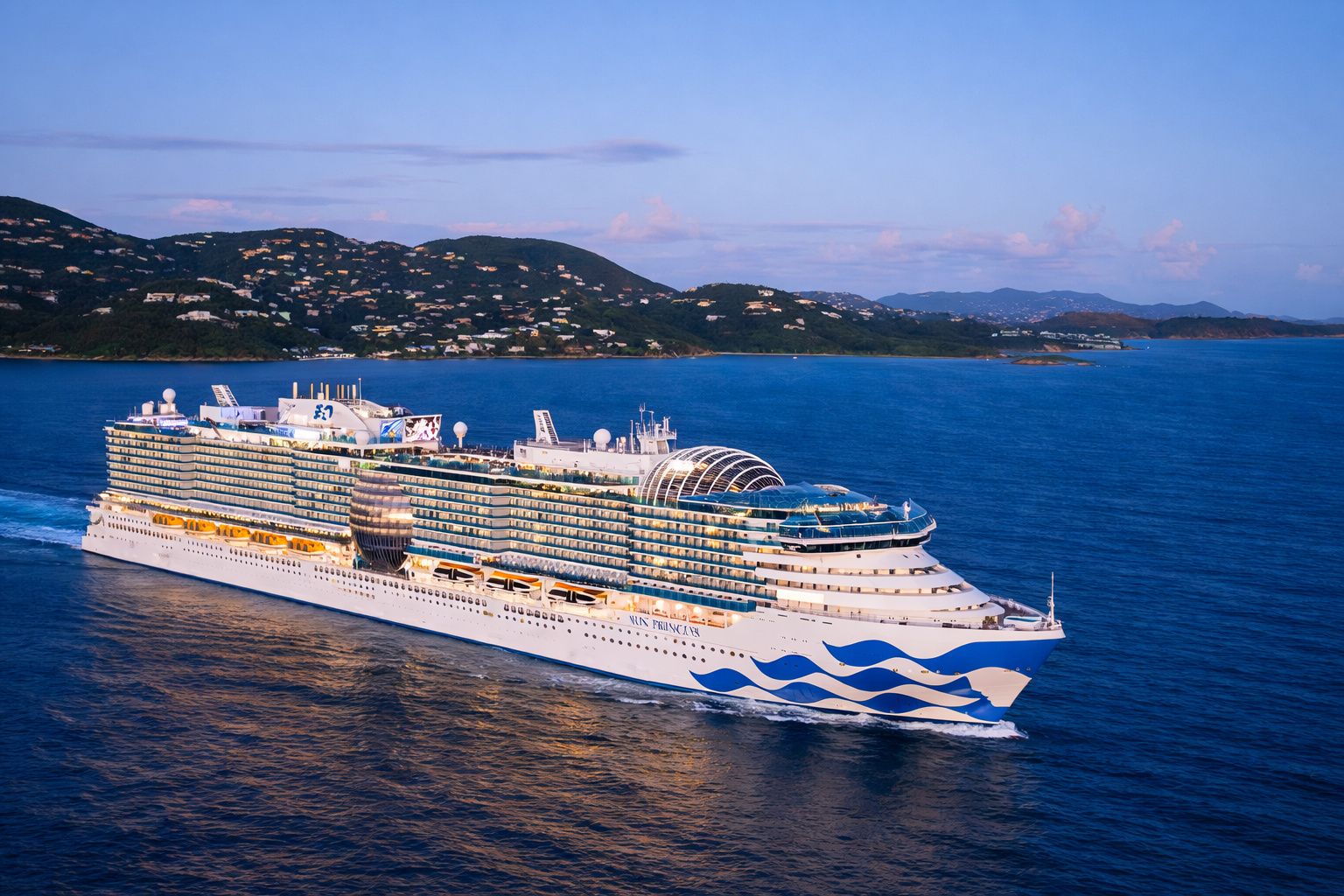
Weighing 175,500 Tons, Measuring 345 Meters Long, and With Capacity for Over 4,300 Passengers, the Sun Princess Becomes the Largest Ship Ever Built by Princess Cruises and Attracts Global Attention for Its Huge Glass Dome Inspired by Santorini’s Architecture Installed on Top of the Vessel
-
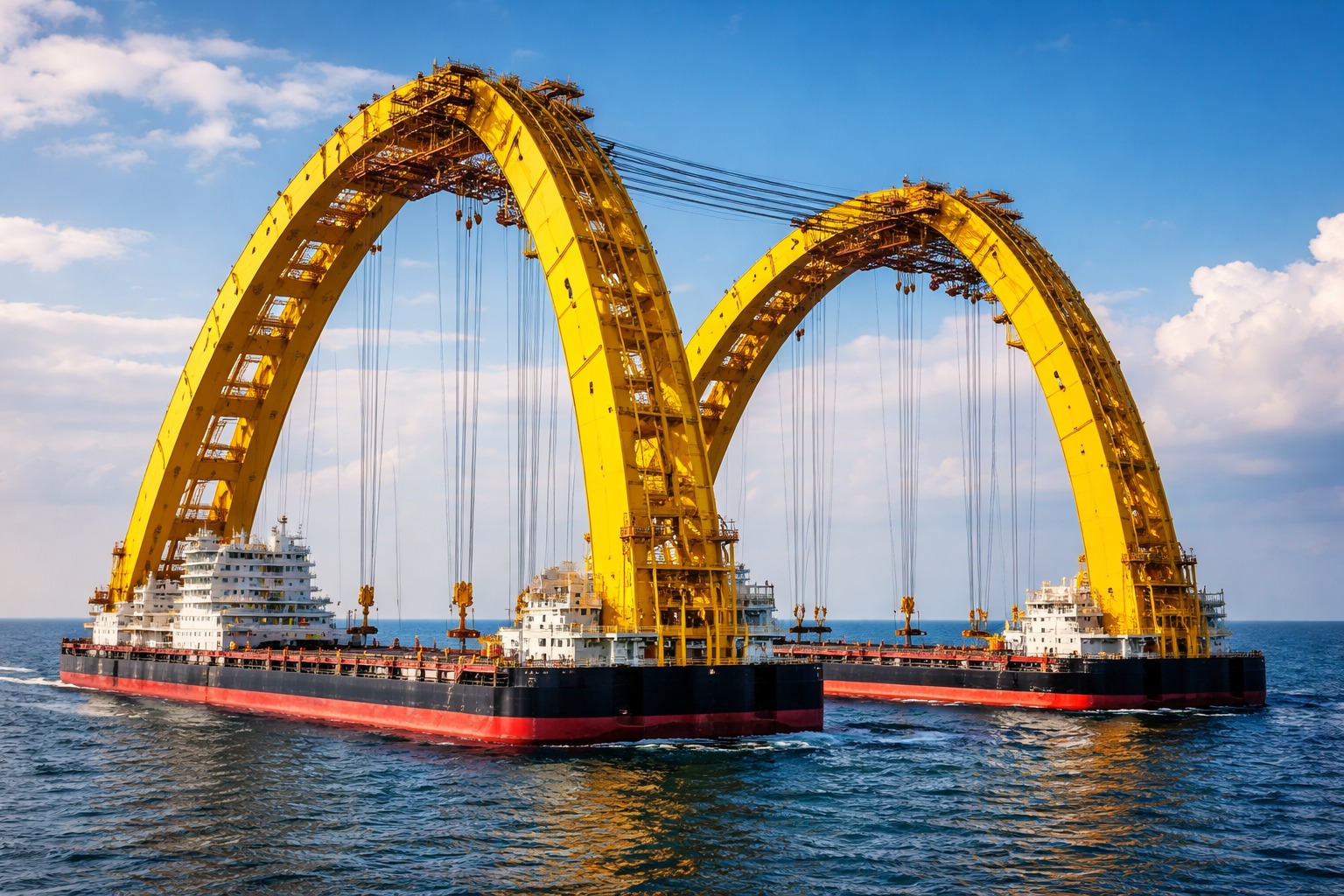
TX-10, The Colossus of The Sea: Largest Lifter Ship in The U.S., With Two Giant Barges, 73-Meter Tall Structure, and Strength to Raise 7,500 Tons of Sunken Oil Rigs

During the Middle Ages, for example, shipbuilding underwent significant advancements, especially with the invention of the Portuguese Caravel, which facilitated great navigations and the Age of Discoveries.
The IMO’s website highlights that these vessels were pivotal for European maritime expansion in the 15th and 16th centuries.
With the advancement of the Industrial Revolution in the 19th century, steel replaced wood as the primary material for ships, and steam engines replaced sails.
As noted by the National Institute for Educational Studies and Research Anísio Teixeira (INEP), this transformation marked a turning point, initiating the modern maritime industry.
To this day, the maritime sector is vital for global trade, national defense, and the global economy. Therefore, understanding and applying best practices in the sector is essential for those who want to thrive in this area.
The Importance of Preventive Maintenance and the Role of Standards
Since ancient times, navigators knew that success depended on the constant maintenance of vessels.
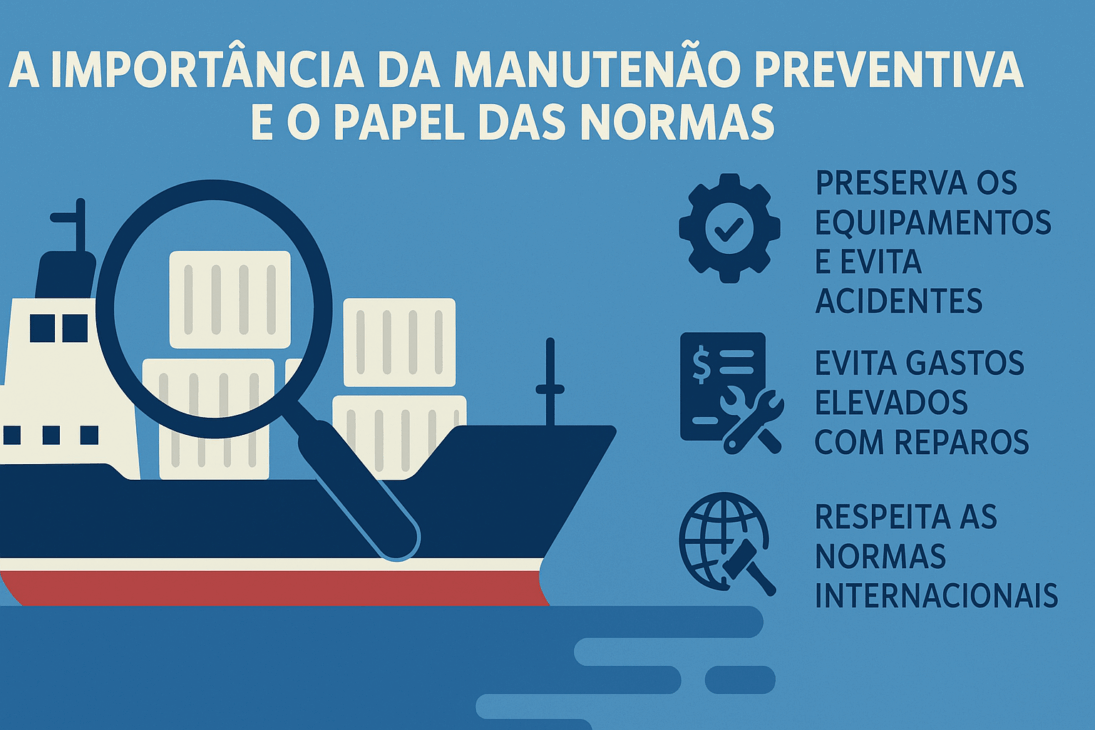
As emphasized by the National Agency of Waterway Transportation (ANTAQ), preventive maintenance increases ship lifespan by up to 30% and reduces operational risks.
In addition to preserving equipment, this practice prevents accidents and avoids high costs with emergency repairs.
The Maritime Maintenance Manual by ANTAQ reinforces that routine inspections and periodic component replacements are essential for maintaining operational safety.
Another crucial factor for the maritime industry is adherence to international standards. The IMO, a specialized agency of the United Nations (UN), develops global regulations aimed at ensuring safety at sea and protection of the marine environment.
An example is the International Safety Management Code (ISM Code), implemented in 1998, which requires industry companies to establish rigorous standards for risk management.
According to the official IMO website, compliance with these standards prevents serious accidents and promotes sustainability.
These standards also pave the way for companies to gain credibility and access international markets, as they demonstrate a commitment to social and environmental responsibility.
Technical Training and Innovation in the Maritime Industry
The qualification of the team is one of the fundamental tips in the maritime industry. Since the earliest maritime expeditions, technical mastery has been a differential for great navigators.
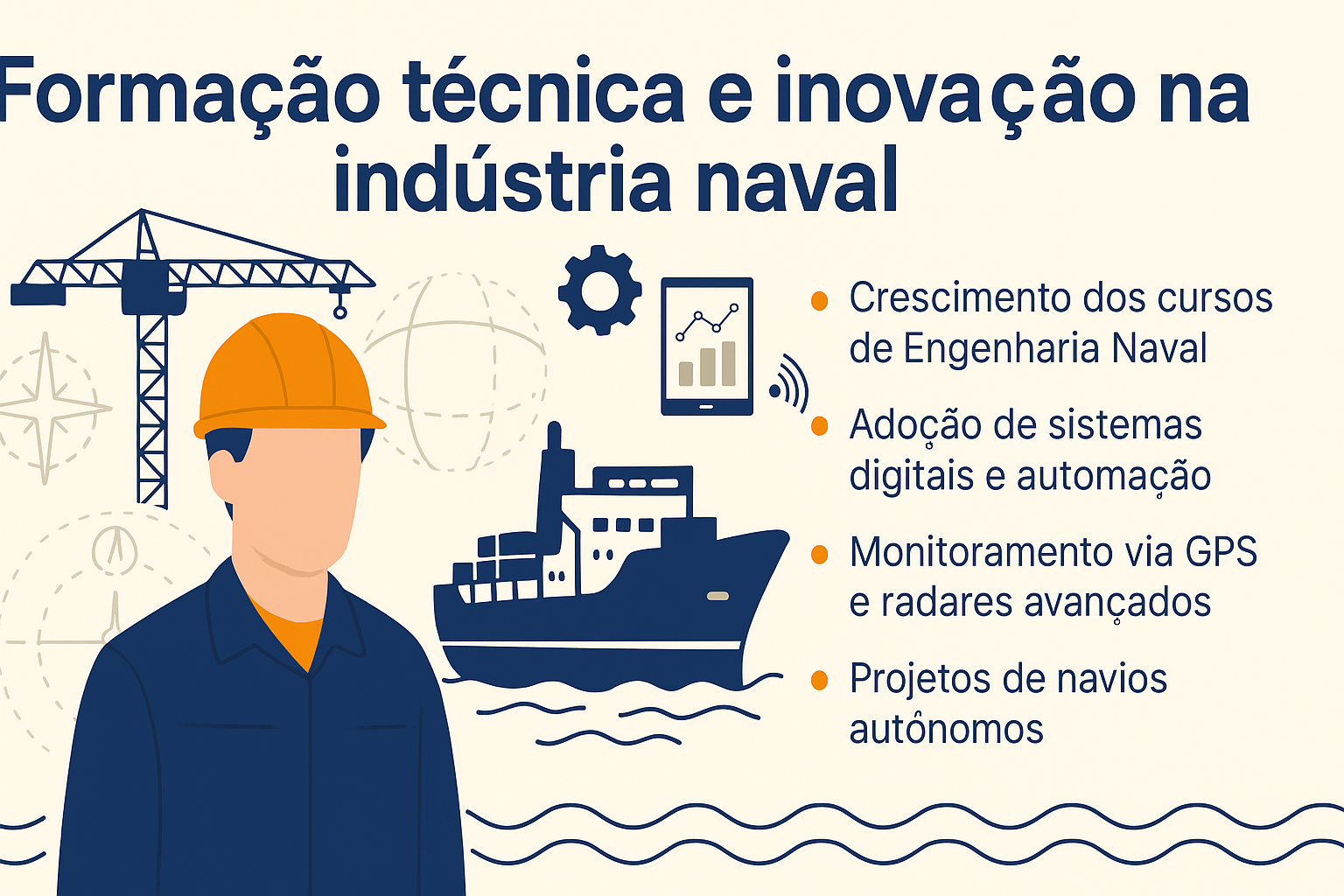
Currently, the Ministry of Education (MEC) reports that technical and higher education courses in Naval Engineering have seen a 15% growth over the last decade, in line with the demand for skilled professionals.
Beyond knowledge, technological innovation is transforming the sector.
According to the Brazilian Association of Naval and Offshore Industry (ABIN), in the past five years, there has been a 40% increase in the adoption of digital systems, automation, and monitoring via sensors.
For example, the use of Global Positioning System (GPS) and advanced radars facilitates safe and accurate navigation.
ABIN’s report also highlights that projects for autonomous ships are under development, indicating the future direction of the maritime industry.
These innovations not only improve operational efficiency but also reduce human errors and environmental impact by optimizing fuel consumption.
Logistics, Sustainability, and Strategic Partnerships in Navigation
The role of logistics in the maritime industry is undeniable.
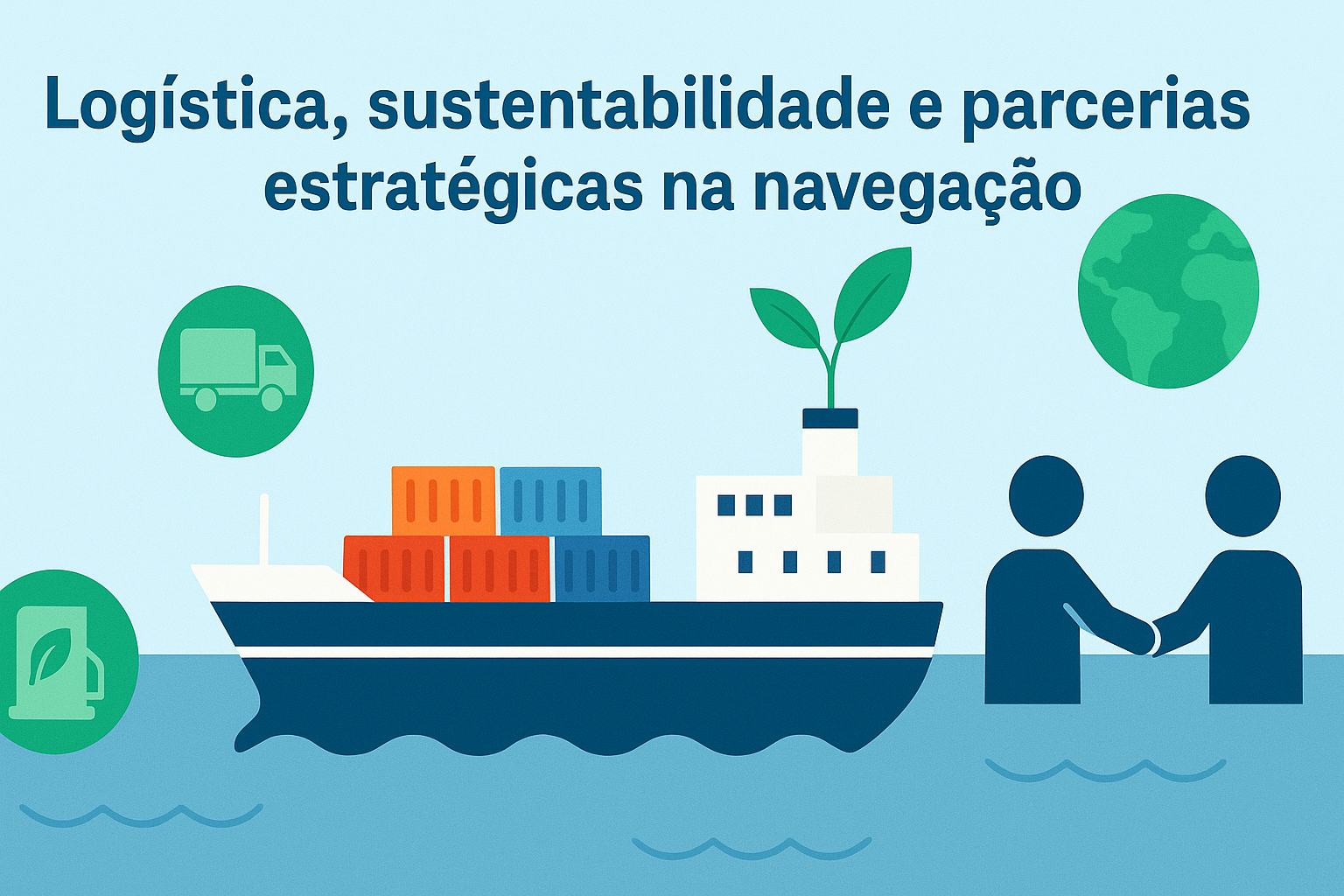
According to a report by the United Nations Conference on Trade and Development (UNCTAD), in 2023, over 80% of world trade depends on maritime transport.
Therefore, organizing routes, managing loads, and monitoring weather conditions are essential tasks to avoid delays and losses.
Historically, the success of major ports and trade routes has always been linked to logistical efficiency.
The medieval European ports, for example, were vital centers for international trade.
Environmental sustainability has gained importance in the sector in recent years.
According to the United Nations Environment Programme (UNEP), maritime transport is responsible for approximately 2-3% of global greenhouse gas emissions.
Thus, companies have been adopting practices to reduce pollutants, use alternative fuels, and respect environmentally protected areas.
Such measures are fundamental to ensuring the future of the planet and the maritime sector itself.
Additionally, strategic partnerships with suppliers and skilled technicians make processes more efficient.
Maintaining good relationships and clear communication avoids failures and optimizes costs, ensuring the success of projects.
Risk Management and Passion for the Maritime Sector
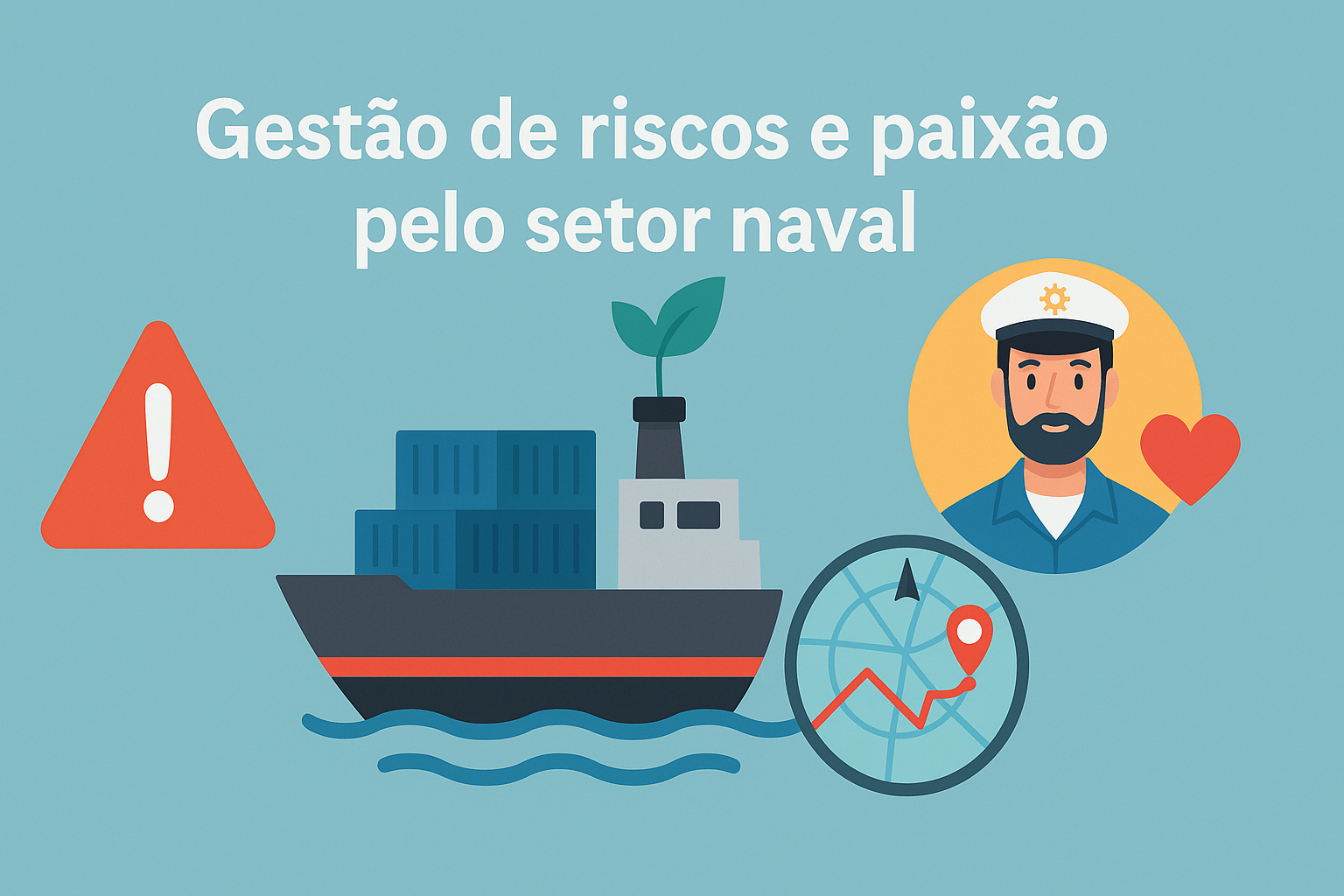
Every maritime activity involves natural and technical risks, such as storms, mechanical failures, and human errors. Therefore, risk analysis is a common practice in the maritime industry.
As recommended by the IMO, creating contingency plans and using predictive analysis software are essential to mitigate unforeseen events.
Historically, navigators like Vasco da Gama and Ferdinand Magellan used maps, astronomical studies, and meticulous planning to face the challenges of the sea.
Today, a culture of prevention protects lives, cargo, and companies’ reputations. It is essential for maintaining continuous and effective operations.
In addition to all technical practices, passion for the work is what truly drives the maritime sector.
Commitment, constant study, and attention to detail ensure that this sector, which connects the world and drives the global economy, continues to advance.
Tradition and Innovation Side by Side in the Maritime Industry
In summary, the tips in the maritime industry have been refined over the centuries and remain essential.
Maintenance, training, innovation, compliance with regulations, and sustainability form the foundation for safe and efficient operations.
These principles, combined with technology and passion for the craft, help the sector remain vital and competitive.
Those who work in the maritime industry do not just navigate; they build a history of progress, overcoming, and legacy that spans generations.










Seja o primeiro a reagir!