





 Portuguese
  English
  Spanish
  3 min of reading
  0 comments


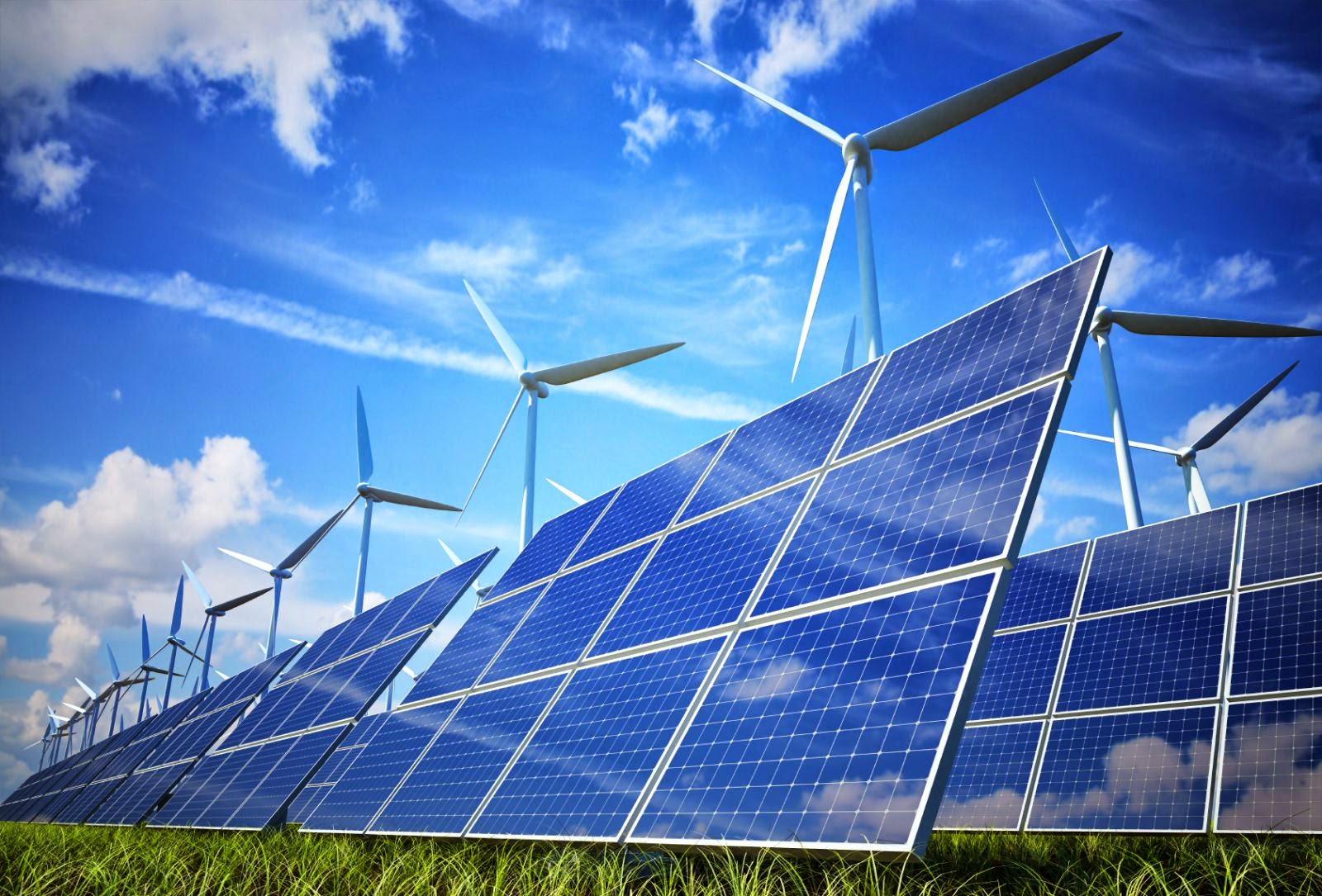
The Discussion About The Future Of The Global Energy Matrix Has Gained Strength In Recent Years, Especially With The Advancement Of Climate Change. In This Context, The Terms Renewable Energy And Clean Energy Frequently Emerge.
Although many people use these concepts as synonyms, there are relevant differences between them. Therefore, understanding these distinctions helps to grasp the environmental impact of each source and Brazil’s strategic role in the energy transition.
What Is Renewable Energy And How Does It Work
Renewable energy comes from natural and inexhaustible sources. That is, they renew continuously, such as wind, solar, water, and biomass. Thus, even with constant use, these sources remain available.
Moreover, this energy significantly reduces dependence on fossil fuels. As a result, its use contributes to the reduction of greenhouse gas emissions. Among the best-known examples are solar energy, wind energy, hydropower, and biomass.
-
Renewable energy advances over protected areas in Brazil, and a survey by the Energy Transition Observatory reveals silent impacts that challenge environmental conservation and pressure sensitive traditional territories.

-
Rio Grande do Sul accelerates energy transition: State invests in renewable technologies and consolidates decarbonization strategies and pathways to attract billions in new industrial investments.

-
With 160,000 m² of collectors, an area larger than 20 football fields, Silkeborg, in Denmark, hosts a solar thermal plant that heats 19,500 homes and could become the largest solar heating plant in the world.

-
A study reveals the expansion of renewable energy procurement in Brazil and shows how companies are taking advantage of opportunities to reduce expenses, ensure energy efficiency, and strengthen strategic environmental commitments.


However, not all renewable sources have low environmental impact. Large hydropower plants, for example, can affect ecosystems and communities by flooding extensive areas. Therefore, being renewable does not necessarily mean being clean.
Clean Energy: Low Emission, But Not Always Renewable
While renewable energy is based on the source’s regeneration capacity, clean energy is defined by its low pollutant emissions. Therefore, the focus is on the environmental impact during electricity generation.
For example, nuclear energy does not release carbon dioxide during the electricity generation process. However, it relies on uranium, a finite resource, and generates radioactive waste that requires safe long-term storage.
Thus, not all clean energy is renewable. Likewise, not all renewable sources are completely clean. This distinction guides energy policies, investments, and more conscious consumption choices.
The Role Of Brazil In The Global Energy Scenario
In the international context, Brazil occupies a leadership position in renewable energy generation. Currently, more than 80% of the national electricity matrix comes from renewable sources. The country predominantly uses hydropower, but it has been increasing the number of wind farms and solar plants, especially in the Northeast.
Additionally, Brazil has created incentive programs to expand access to these technologies. These efforts place the country ahead of nations that still rely heavily on fossil fuels.
Another positive point is the diversification of the Brazilian energy matrix, which combines clean and renewable sources. This way, the country ensures greater energy security, less environmental impact, and greater external independence.
Why Is This Distinction So Important?
Understanding the difference between clean and renewable energy helps to formulate more effective energy strategies. Moreover, companies and consumers committed to sustainability can make choices more aligned with environmental preservation.
By adopting a matrix based on sustainable sources, Brazil reduces environmental impacts, stimulates the green economy, and expands its global influence in combating the climate crisis. Therefore, differentiating these concepts is essential for a more conscious and responsible energy future.







Seja o primeiro a reagir!