





 Portuguese
  English
  Spanish
  9 min of reading
  0 comments


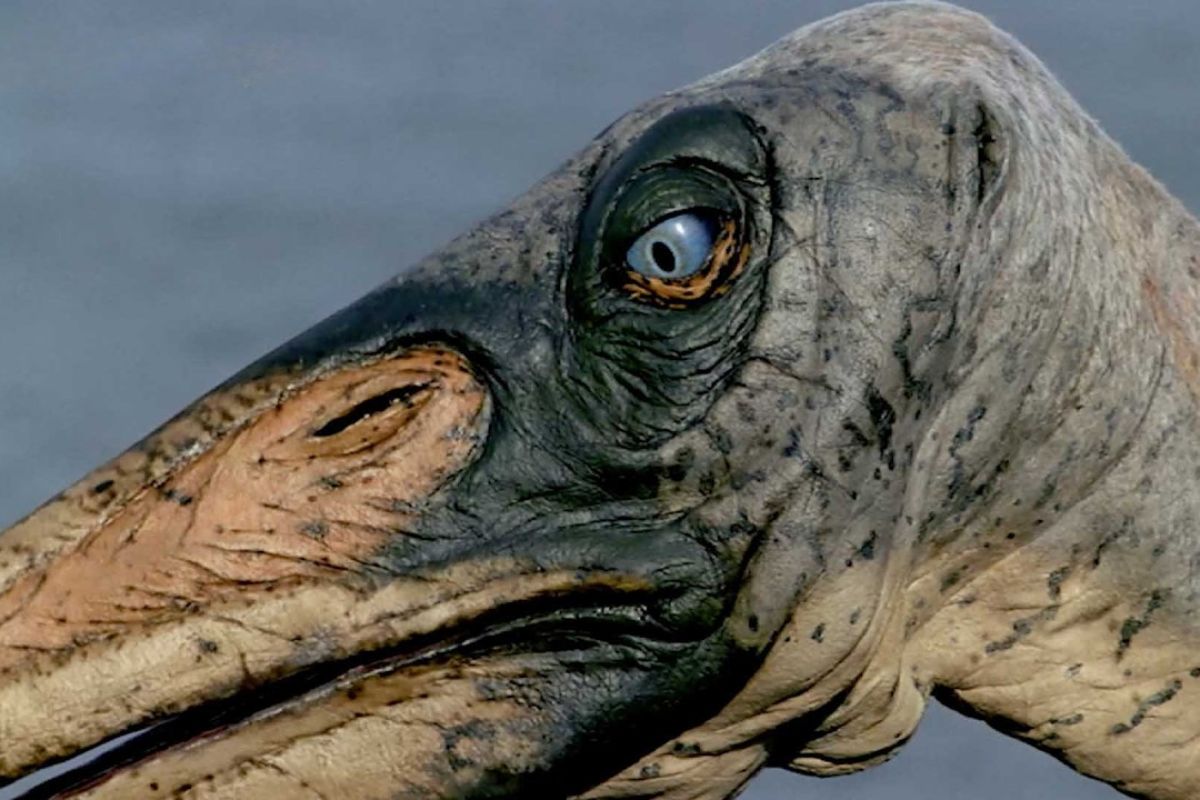
In The Triassic, Dinosaurs Still Rare Tested Lightness And Speed While The Full River Announced Nine Months Without Rain. Coelophysis Hunted Placerias Of One Ton; Wet Canyons Turned Nurseries. In The Sea, Live Young Were Born. On The Cliffs, Pterosaurs Fought For Space, And Eggs On The Ground Suffered From Acid Pollution And Predators By The Smell.
In The Observed Scenario, Dinosaurs Crossed A World Of Contrasts: After The Rains, The River Filled And The Landscape Of Ferns Seemed Generous, But The Dry Season Extended The Risk For Nine Months And Turned Water Into A Decisive Resource. In Pangea, This Pressure Not Only Eliminated The Weak; It Selected Those Who Could Spend Less Energy To Survive.
At The Same Time, Giant Reptiles That Dominated The Earth For Over 50 Million Years Still Imposed Their Presence, And Change Happened In The Detail: Balance On Two Legs, Quick Reflexes, Threat Displays, And Reproductive Choices. From The Triassic To The Coastal Cliffs, The Competition Defined Who Would Maintain Territory, Food And Offspring For Millions Of Years.
Pangea And The Triassic: The Single Continent That Dried For Nine Months

The Triassic Appears As A Period When Pangea Concentrated Everything In A Single Continent, And The Climatic Routine Imposed A Repeated Script: End Of The Rainy Season, Full River, And Then Nine Months Without Rain.
-
Goodbye batteries: a new sensor created by Japanese scientists uses sweat as an energy source and points to a promising path for more sustainable devices, with greater autonomy and less need for frequent recharging.

-
The Brazilian Army inaugurated the assembly line for the Guaicurus armored vehicle with a contract for 420 units by 2033, and the same vehicle has already been tested in combat in Afghanistan and Lebanon by European armies.

-
Xiaomi launched a 10-kilogram washing machine for less than R$910.00, so slim that it fits inside a kitchen cabinet with only 15 millimeters of clearance, featuring 24 washing programs and voice control.

-
April begins with above-average heat and irregular rains in Brazil as El Niño warms the Pacific and exceeds 80% probability for the second half of 2026, with a risk of frost in the mountains and a winter that may repeat the extremes of 2023.

The Initial Abundance Was A Trap, Because The Water Level Did Not Stay Abundant For Long.
In This Scenario, Dinosaurs Were Relatively Rare, But They Began To Show Signs Of Future Success.
The Advantage Did Not Come From Immediate Brutal Strength; It Came From The Ability To Cross The Drought Efficiently, Find Prey, Avoid Injuries, And Keep Moving When The Landscape Tightened.
Dinosaurs Coelophysis And Placerias: Speed Against A Ton Of Past

A Type Of Dinosaur Evolved To Thrive In Drought Conditions, And The Coelophysis Summarizes This Logic. It Can Survive With Very Little Water, Has A Light Skeleton, And Is Fast.
The Central Adaptation Is To Kill With Precision, Because Losing Energy In The Chase Can Cost The Rest Of The Dry Season.
Dinosaurs Appeared About 10 Million Years Ago As Small Predators, And What Makes Them Unique Is The Anatomy That Supports Posture And Reaction: Special Hips And Ankles Allow Them To Stand Upright With Perfect Balance On Two Legs.
With Extremely Quick Reflexes, They Cross The Triassic Like Survival Athletes.
On The Other Side Of The Confrontation Are The Placerias.
A Huge Herd Descends From The Fern Thicket For Morning Drinking, With Individuals Weighing One Ton.
These Creatures Are Not Dinosaurs; They Are Much Older Reptiles.
Once There Were Many Varieties, But In The Triassic, The Placerias Appear As The Only Ones Of Their Kind, Already Described As Threatened.
Despite Their Scary Appearance, They Are Gentle Herbivores And Use Their Tusks To Unearth Roots.
In Two Enraged Males, The Tusks Can Become Lethal Weapons.
For The Coelophysis, The Placerias Are Prey, And The Young Female Aims For The Older And Weaker Animals In The Herd.
The Hunt Here Is A Risk Calculation, Because A Mistake Against A Ton Can End The Race.
Wet Canyons, Stegosaurus And Allosaurus: When Shelter Becomes A Magnet

A Year Later, The Movement Shifts To Denser Areas Of The Forest, And The Bottom Of A Canyon Becomes A Refuge.
There, The Small Female, Already Over Three Meters Long, Grazes Along With Other Young Ones, Gathered In A Nursery For Safety.
The Canyon Walls Drip Moisture, Creating Thick Layers Of Moss And Fern.
The Problem Is That The Canyon Descends To The Prairie, And The Vegetation Attracts Larger Dinosaurs.
A Seven-Ton Male Stegosaurus Emerges, Herbivorous But Dangerous.
The Plates On Its Back Are Mainly For Display; The Real Danger Lies In The One-Meter Long Spikes On Its Tail, Capable Of Devastating Effects Even With A Brain That Is Very Small Given Its Body Size.
The Group Of Animals Moves Away From The Stegosaurus, But Two Allosaurus Are Also Attracted, Guided By The Scent Of Prey.
The Stegosaurus Pumps Blood Into Its Plates And Creates A Terrifying Display Of Colors. Confused And Intimidated, The Allosaurus Retreats.
The Message Is Clear: In Dinosaurs, Signaling Also Saves Lives.
Brachiosaurus And Diplodocus: The Scale That Protects And The Mating That Shakes The Ground
For A Young Diplodocus, The Giants Around Seem Unreal.
The Brachiosaurus, A 13-Meter Tall Sauropod, Is Specialized In Grazing At The Top Of Trees.
With Chisel-Sharp Teeth, It Harvests Pine Cones And Fresh Leaves Effortlessly, At A Level That No Other Dinosaur Can Reach.
The Adults Weigh Over 70 Tons, And This Changes The Balance Of Threat.
The Juvenile Diplodocus Does Not Have This Advantage And Urgently Needs The Protection Of A Group.
When A Herd Of Adults Approaches, An Older Female Assesses The Young Ones, Accepts Them, And They Align Behind An Adult. Security Here Means Belonging.
The Diplodocus Herd Enters Its Maximum Strength, With Individuals Ranging From 12-Meter Long Adolescents To Adults Three Times Larger.
It Is Mating Season, And For The First Time, The Female Born Ten Years Ago In The Forest Is Old Enough And Large Enough To Reproduce.
The Males Display By Swishing Their Tails Back And Occasionally Fighting.
With Creatures Of This Size, The Forces Involved Are Colossal, Capable Of Breaking Ribs And Making The Ground Tremble.
The Victor Gains The Right To Mate.
Communication Includes Ground Thumping And Very Low-Frequency Calls.
This Infrasound Is Too Low For Most Animals To Hear, But It Is Captured Through The Ground.
The Male Responds By Walking Nearby, Rubbing His Body Against Hers. She Demonstrates Receptivity.
Mating Is Dangerous: The Female Will Have To Carry At Least Another 10 Tons On Her Back.
Over Time, The Vertebrae Above The Hips Fuse And Strengthen To Withstand This Trial.
Ophthalmosaurus: Live Birth, Seconds To Breathe And Sharks On The Perimeter
In The Sea, Ophthalmosaurus Begin To Give Birth. Most Marine Reptiles Return To Land To Lay Eggs, But The Ophthalmosaurus Gives Birth To Live Young.
This Frees The Adults From The Need To Leave The Water And Allows Fish-Like Forms.
A Single Female Has Between Two And Five Young.
As They Breathe Air, The Young Must Be Born Tail First; If They Were Born Any Other Way, They Could Drown In The Time It Takes To Escape.
Newborns Have Only A Few Seconds To Reach The Surface And Breathe For The First Time.
From Birth, The Young Are Vulnerable, And The Waters Are Full Of Predators. Even Adult Ophthalmosauruses Eat The Young Of Other Individuals To Increase Their Own Chances Of Survival.
True Safety Is Among Coral Cliffs.
Birth Also Puts The Mother At Risk.
A Female Tries To Expel The Unborn Young, Struggling For Air And Staying Near The Surface. Her Difficulties Attract Sharks, Predators With Extremely Acute Hearing.
The Sound Of Splashes Signals A Distressed Animal.
After 20 Minutes, The Effort Exhausts Her, She Breathes More Frequently, And The Sharks Approach.
Suddenly, Something Lurking In The Darkness Scares The Sharks Away: Liopleurodon.
Weighing 150 Tons, It Is Described As The Largest And Most Powerful Carnivore That Ever Lived On The Planet. The Presence Of This Predator Changes The Geometry Of Fear In Seconds.
Pterosaurs, Tapejara And Ornithocheirus: The Sea Rises And The Sky Becomes A Boundary
The Movement Of Continents Fragments Landmasses And Rises Sea Level, Opening New Maritime Routes And Coastal Lines.
Where There Once Was Solid Ground, Steep Cliffs Full Of Pterosaurs Emerge.
They Inhabited The Skies For 100 Million Years, And Species With Wingspans Of Six Meters Or More Are Common.
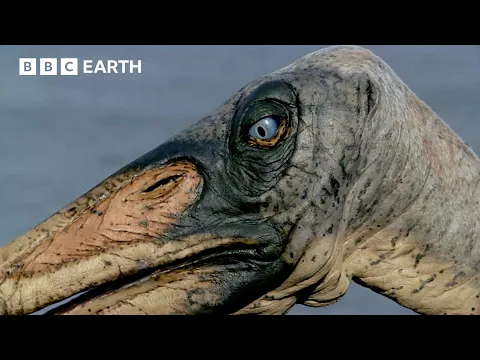
Among The Pterosaurs, The Ornithocheirus Stands Out.
It Has A 12-Meter Wingspan And A Body Larger Than A Man.
It Is A Giant Over 40 Years Old That Has Spent Its Life Wandering In Search Of Food, But Every Year It Needs To Intercept Its Nomadism To Find A Mate.
On The Rocky Outcrops, Another Mating Cycle Occurs With The Tapejara.
The Wings Of Pterosaurs Are Thin Skin Membranes That Extend From Elongated Fingers On The Forelimbs To The Tips Of The Hind Limbs.
The Bones Are Hollow And Very Light. In The Air, They Are Masters; On Land, They Are Awkward, With Their Legs Joined By Their Wings.
Kneeling, The Males Try To Claim A Highlighted Spot To Display To The Females Above. They Show Colorful Crests Until A Competitor Backs Down.
A Large Crest Also Serves As An Attraction. A Female Approaches Cautiously, With Her Head Down In A Sign Of Submission.
Without Display Space, A Male Gets Dangerously Close To A Breathing Hole And Loses His Chance At Reproduction.
The Ornithocheirus Follows Its Instinct And Heads For The Breeding Ground In Europe. It Arrives At The Cantabria Island After A 14,000 Kilometer Journey, Exhausted.
The Beach Is Crowded With Males Competing Noisily For Space. The Old One Tries To Land But Is Prevented And Ends Up On The Periphery: His Position Has Been Usurped By Younger Animals.
Even Insisting In The Midday Heat, The Females Remain Impassive.
Next To The Ornithocheirus, Birds Seem Smaller Than Insects.
Still, Their Feathered Wings Are More Resilient To Damage Than The Pterosaur Membrane, Especially In Dense Forests.
The Trend Becomes Clear: Pterosaurs Decline While Birds Thrive.
Leaellynasaura And Koolasuchus: Winter, Low Light And Tension Without A Leader
In The Forest, Giant Migrants Can Get Lost, And This Changes Everything For The Leaellynasaura Clan.
The Noise Of Huge Herbivores Prevents The Sentinel From Hearing More Threatening Sounds. A Giant Carnivore Kills The Dominant Female.
Winter Arrives And, Without A Leader, Tension Sets In.
In The Increasing Twilight, The Koolasuchus Feels The Temperature Drop And Leaves Its Summer Shelter. It Seeks A Place To Hibernate During The Cold And Dark Months.
Low Light Alters The Plants: They Stop Growing And Photosynthesis Completely Ceases. Some Lose Leaves; Others Become Dormant.
The Leaellynasaura Need To Work Harder To Find Food, Searching For Fungi And Nutritious Roots Beneath The Soil.
The Strategy Is To Move To The Heart Of The Forest, Where It Rarely Freezes, And Stay Active To Maintain Body Temperature.
Around A Waterfall, The Summer Balance Appears: Predators Have Victims And Only One Young Survives.
Tyrannosaurus, Didelphodon And Acid Pollution: Eggs On The Ground Become A Weak Point
On Land, Strength Does Not Eliminate Fragility. Months Go By And A Female Tyrannosaurus Builds A Camouflaged Nest In The Forest.
During Two Full Months Of Incubation, She Does Not Leave Her Post, Not Even To Eat.
The Nest Attracts Scavengers, Like A Dromaeosaur, And Requires Constant Vigilance.
Months Later, The Nest Is Abandoned. A Didelphodon Digs At The Side. Dinosaurs Are Vulnerable Because They Lay Eggs On The Ground.
Size Helps, And A Tyrannosaurus Egg Is A Challenge For This Marsupial, But The Smell Of The Dead Embryo Attracts Others.
Soon, The Age Of Mammals Would Arrive, But Here They Still Appear On A Small Scale, Weighing About 10 Kilos.
The Environment Adds Another Layer. Many Dinosaur Embryos Do Not Survive In A Volcanic Scenario Because Acid Pollution Prevents Proper Eggshell Formation.
Reproduction, Which Sustains The Species, Becomes A Bottleneck.
The Female Tyrannosaurus Calls For A New Partner. Tyrannosaurus Has Enormous Territories, Covering Hundreds Of Square Kilometers, And The Challenge Is To Attract A Wandering Male.
This Call Can Last For Weeks, In An Environment Where Any Reproductive Failure Weighs For Generations.
The Common Thread: Dinosaurs Win When Small Advantages Add Up
The Triassic Of Pangea Exposes A Repeated Principle: When Water Disappears For Nine Months, When The Sea Rises, When Winter Darkens The Forest, And When The Nest Becomes A Target, The Victory Belongs To Those Who Accumulate Small Advantages Over Time.
Dinosaurs Like Coelophysis Utilize Lightness And Balance; Giant Dinosaurs Use Scale And Groups; Pterosaurs Dominated For Eras But Lose Ground To More Resilient Wings; And Tyrannosaurus Shows That The Top Of The Food Chain Also Has A Weak Point.
This Silent War Does Not Have A Single Turning Scene.
It Is Made Up Of Droughts, Displays, Retreats, Long Journeys, Risky Deliveries And Exposed Eggs.
In The End, Dinosaurs Inherited The Planet Because They Managed To Keep The Survival Account Closed, Time And Again, In Environments That Changed Without Warning.
When Dinosaurs Were Still Minorities, The World Was Already Selecting Who Would Resist The Drought, Who Would Protect Young, Who Would Dominate Cliffs, And Who Could Reproduce Even With Acid Pollution And Predators By The Smell.
To Keep The Debate Going, Please Register In The Comments The Scene That Caught Your Attention Most And What It Indicates About Survival, To Deepen The Discussion.
In Your Reading, What Weighed Most For The Dinosaurs: The Triassic Drought In Pangea, The Pterosaur Competition, Or The Fragility Of The Tyrannosaurus Nest?





-

-

-

3 pessoas reagiram a isso.