





 Portuguese
  English
  Spanish
  3 min of reading
  2 comments


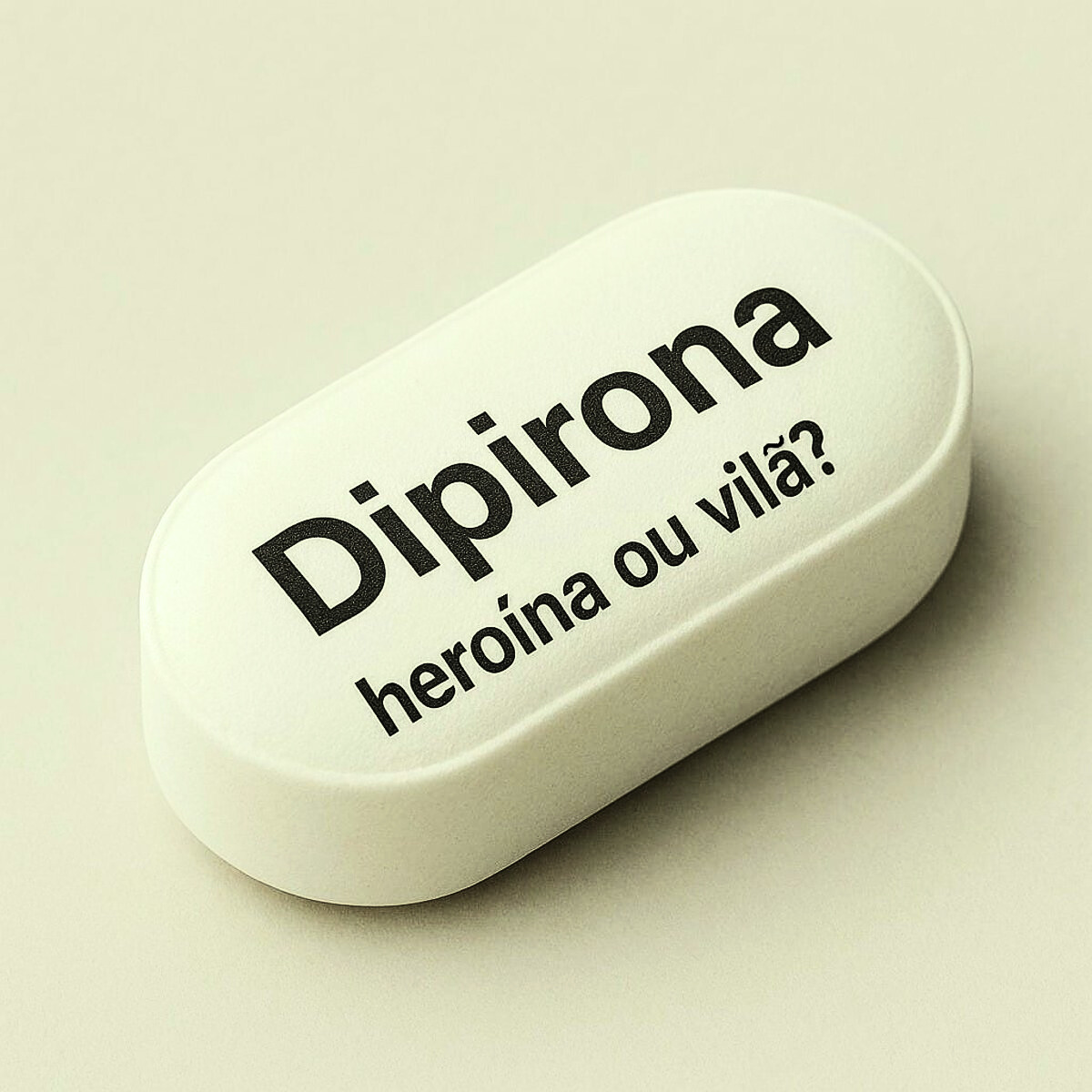


Discover Why Dipyrone Is Banned in Several Countries but Permitted in Brazil. Understand the Risks, Benefits, and Controversies of This Medication.
You have probably taken dipyrone or know someone who has. It’s the little medicine that resolves headaches, fevers, colics, toothaches, and even muscle pains. But what few people know is that this medication is banned in several countries around the world. Meanwhile, in Brazil, dipyrone is sold without a prescription at any pharmacy.
But after all: why is this so popular medicine here banned abroad? Is it dangerous? Or is the rest of the world being exaggerated?
Let’s understand!
-
While the world looks at oil, the war with Iran is already disrupting helium supply from Qatar, affecting car and iPhone chips, threatening AI expansion, and putting pressure on aluminum packaging at the highest value in four years.

-
Global warming will expose a treasure hidden under the ice of Antarctica and may spark an international dispute over gold and valuable minerals.

-
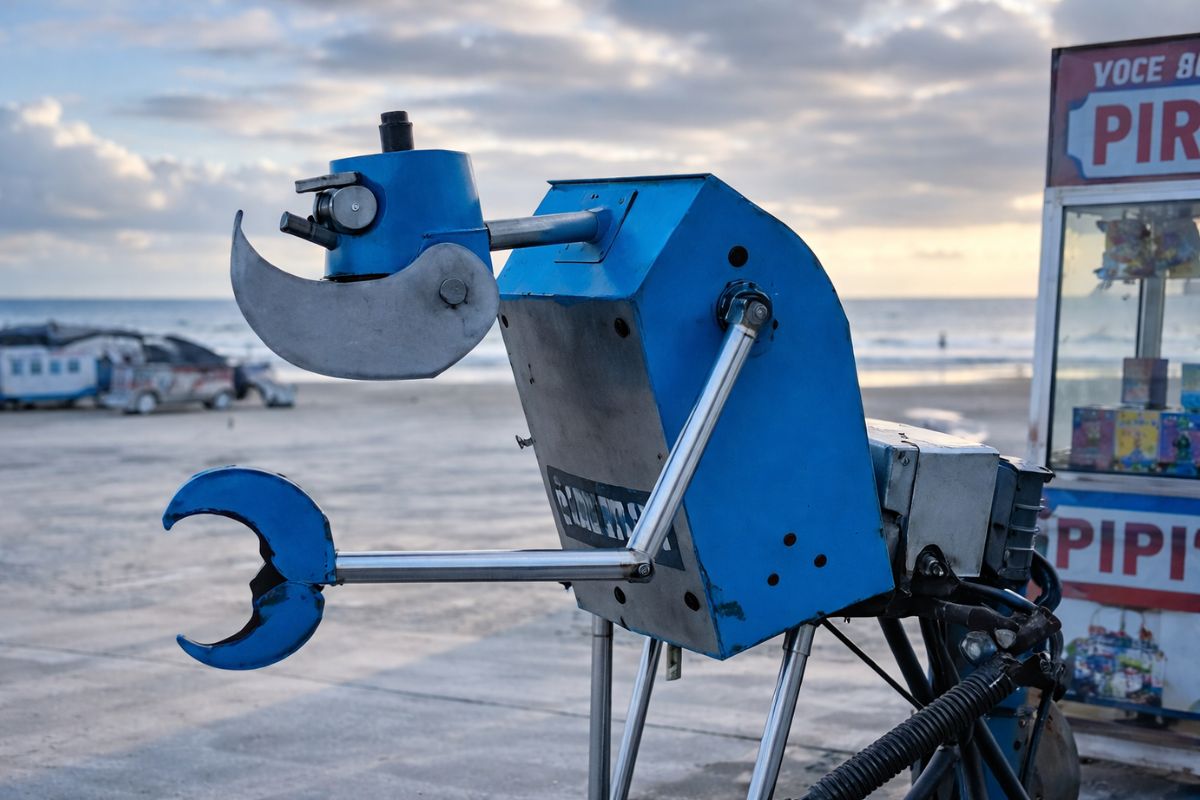
A street vendor from Praia Grande built a robot made of scrap from scooters and washing machines that pulls his popcorn cart on the beach, emits sounds, and interacts with customers, becoming an attraction on the coast of São Paulo.
-
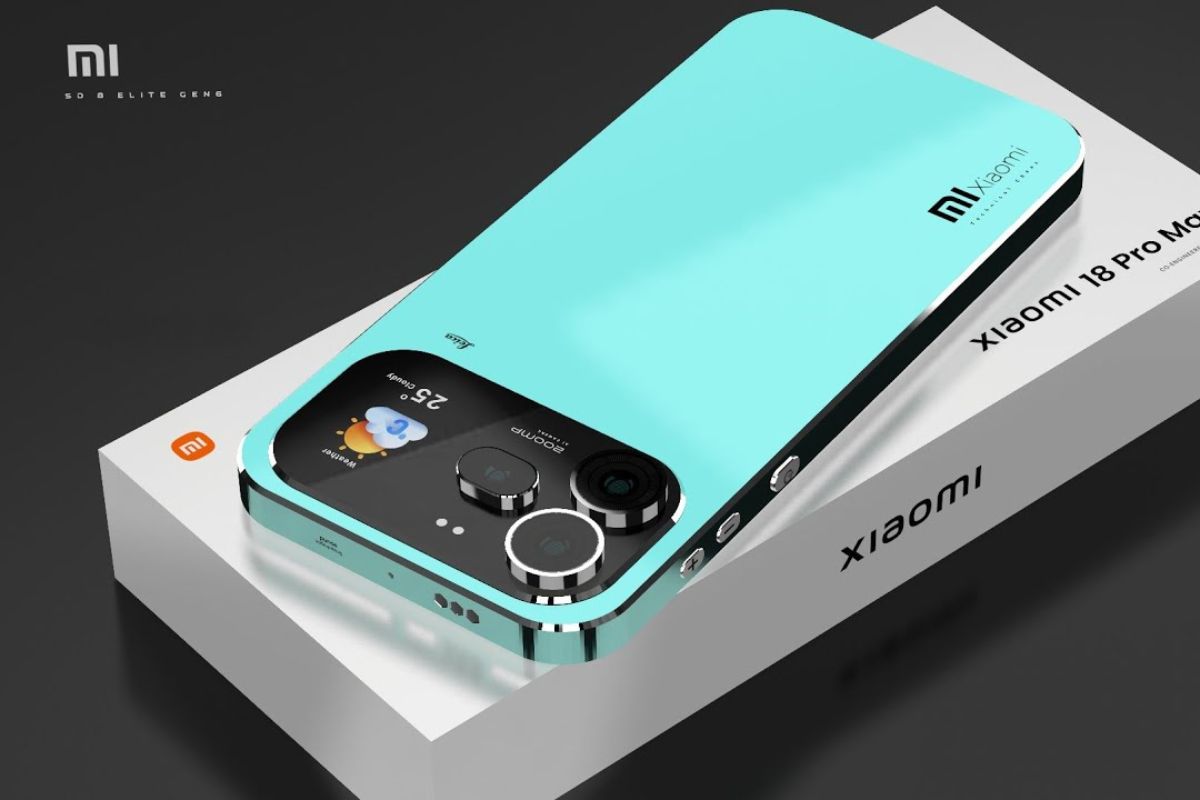
The specifications of the Xiaomi 18 Pro Max have been leaked, and the highlight is a dual 200 MP camera with a new 22-nanometer technology that promises to consume less energy and capture details in shadows and bright areas using LOFIC HDR.

What Is Dipyrone and Why Is It So Widely Used?
Dipyrone (or metamizole, its technical name) is an analgesic and antipyretic, meaning it serves to relieve pain and reduce fever. It is found in medications such as Novalgina, Anador, Maxalgina, among others.
It is known for being:
- Fast
- Inexpensive
- Effective
In Brazil, it is even used in hospitals, including intravenously, and is highly recommended for stronger pains or persistent fevers.
Why Is Dipyrone Banned in Other Countries?
The reason for the ban is linked to a rare but dangerous side effect, called agranulocytosis.
What Is That?
It is a reaction that attacks white blood cells, cells that protect the body against infections. When they diminish, the body becomes vulnerable to severe infections, which can even lead to death.
This risk has led countries such as:
- United States
- United Kingdom
- Japan
- Sweden
- Australia
banned or heavily restricted dipyrone. In these places, doctors prefer medications like paracetamol and ibuprofen, which have less history of serious adverse effects.
And Why Does Brazil Continue to Use It?
Because, according to local studies, cases of agranulocytosis here are extremely rare. The Anvisa (National Health Surveillance Agency) considers the medication safe when used correctly.
In addition:
- Dipyrone is very effective.
- It is an affordable option for the population.
- And Brazilian doctors are accustomed to its use.
That is why it continues to be sold without a prescription, which even impresses foreigners visiting the country.


So… Is Taking Dipyrone Safe?
For the vast majority of people, yes — especially if used in the correct doses and for the indicated time. But it is always important to:
- Read the patient information leaflet
- Avoid prolonged self-medication
- Consult a healthcare professional if symptoms persist
Dipyrone is considered safe in Brazil, in part, because of the genetic profile of the population, which seems to have a lower predisposition to severe reactions like agranulocytosis.
This risk can vary significantly among different countries and populations, which explains why the medication is allowed in some places and banned in others.
Dipyrone is a curious case: hated by some, loved by others. For some countries, it is poison; for Brazil, it is a solution. The most important thing is to be well-informed and always use any medication responsibly.
So, did you already know about this whole controversy?







Enquanto isso, o paracetamol continua sendo vendido nos EUA. Na Inglaterra, somente com receita médica e até 10 comprimidos por receita. Isso por conta de uma hepatite fulminante que ele pode provocar, inclusive com necrose do tecido hepático.
Tem gente que utiliza isso para “to kill oneself” em dosagens únicas elevadas.
Não devemos nos esquecer de outro produto hepatotóxico, o aspartame, 10 vezes mais prejudicial do que o ciclamato e a sacarina,que são proibidos nos EUA desde o início dos anos 70.
Nossa, dipirona resolve quase todos os meus problemas