





 Portuguese
  English
  Spanish
  5 min of reading
  1 comment


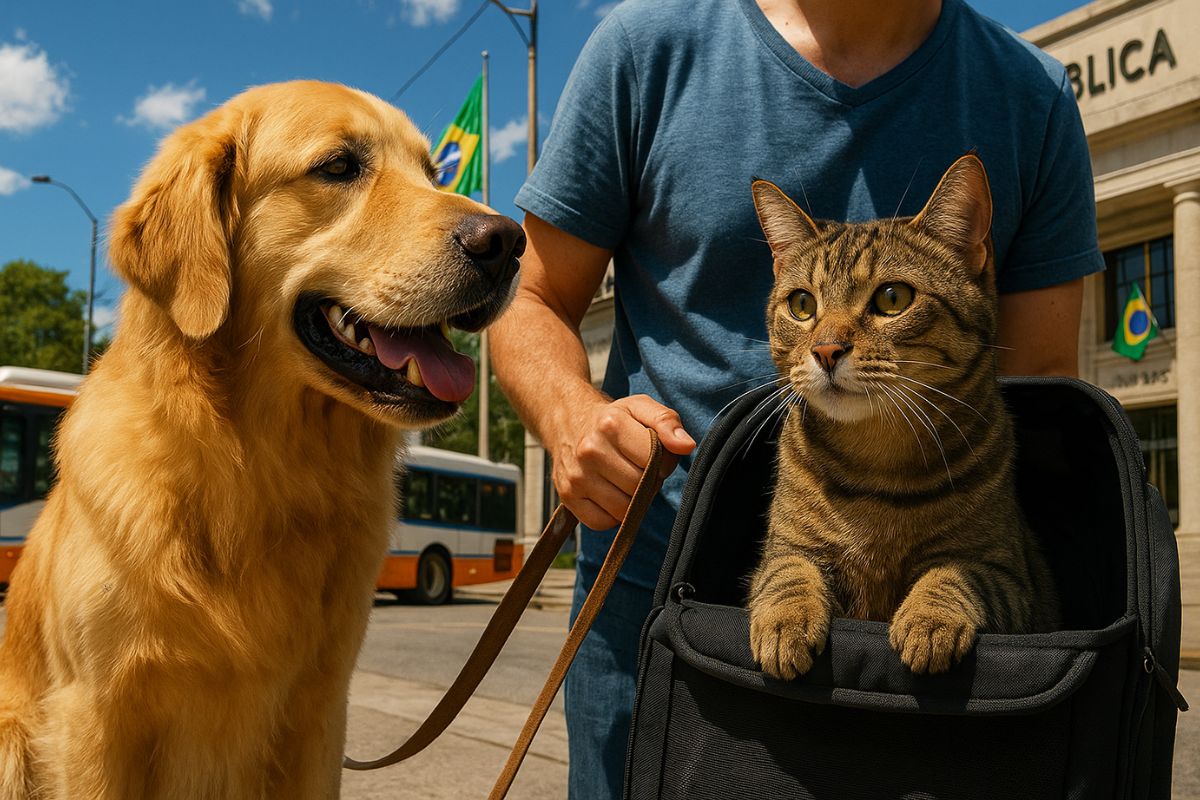


Rights and Duties on the Agenda: Joca Law Allows Cabins for Dogs and Cats Up to Fifty Kilograms and PL 4331 Ensures Access to Publicly Used Establishments, Reinforcing Tutor Responsibilities
When it comes to traveling and moving with pets, rights and duties go hand in hand. The so-called Joca Law allows the transportation of dogs and cats weighing up to 50 kg in the airplane cabin, while PL 4331 provides the right to enter and stay with a domestic animal in places open to the public. In practice, rights and duties now guide not only airlines and merchants but primarily the tutor, who needs to ensure well-being, safety, and respectful coexistence.
The regulatory advancement follows the “humanization” of pets and the growth of the pet market in Brazil. With more households sharing their routine with dogs and cats, a clear understanding of rights and duties prevents conflicts, reduces risks, and facilitates life in airports, stores, restaurants, and condominiums.
Joca Law: What Is Authorized and What the Tutor Assumes
The Joca Law allows the boarding of dogs and cats weighing up to 50 kg in the cabin. The right to access the pressurized seat expands options for multi-species families, especially for medium and large animals that were previously restricted. Although the regulation addresses the weight limit and the possibility of taking the animal with the tutor, it remains essential to observe the airline’s operational rules, such as internal security procedures and boarding routines.
-
The Senate approves a bill that criminalizes misogyny, hatred, or aversion towards women, and includes the crime in the Racism Law with a penalty of up to 5 years.

-
Chamber Approves Bill That Allows Pepper Spray for Women Over 16 and Imposes Strict Rules for Purchase, Possession, and Use as Self-Defense

-
Chamber Approves Law to Combat Leucaena, Fast-Growing Plant That Dominates Land and Threatens Native Species in Various Regions of the Country

-
Asset Division: Know What Cannot Be Divided in Case of Divorce

On the tutor’s side, the duties begin before purchasing the ticket. Planning, basic documentation for the animal, and organizing the trip reduce stress for the pet and those boarding around. Bringing water, anticipating breaks, and training the animal to remain calm in a busy environment are actions that materialize rights and duties in daily life.
PL 4331: Expanded Access to Public Places, Responsible Coexistence
PL 4331 ensures the right to enter and remain with a domestic animal in establishments open to the public and for collective use. This values the presence of pets in urban routines and provides predictability for retailers and consumers. At the same time, the project assumes behavior and hygiene countermeasures so that the experience is positive for all.
For the tutor, rights and duties are inseparable. It is their responsibility to ensure animal control, immediate cleaning of waste, and respect for sensitive areas. Environments dealing with food, healthcare, or large gatherings require additional organization, precisely so that the advancement of access does not become a reason for new informal vetoes.
Condominiums, National Registry, and the Measure of Responsible Ownership
Coexistence in a condominium follows the Civil Code and internal regulations. The general rule is to allow pets, only prohibiting situations of risk, persistent noise, and unsanitary conditions. In other words, rights and duties balance again: the resident can have their animal, as long as they do not exceed limits that affect the community.
The National Program for the Protection and Ethical Population Management of Dogs and Cats created the National Register of Domestic Animals, which professionalizes management, facilitates public policies, and strengthens responsible ownership. For the tutor, registering and keeping data updated is a simple gesture that shortens the path to reuniting in cases of escape and supports health campaigns.
Traveling and Moving Without Stress: Good Practices That Become Public Policy
Legal changes gain strength when they enter daily life. Adapting the pet to crates, leashes, and crowded environments before the “big day” prevents unforeseen events. Short training sessions, rewards, and simulations of lines and waiting prepare the animal for airports and shopping malls, reducing barking, anxiety, and the risk of escape. These routines transform rights and duties into real comfort for the animal and those who coexist with them.
During long trips, planning cooler hours, frequent hydration, and scheduled breaks improves the experience. The tutor who observes signs of fatigue, heat, or discomfort puts well-being first, exactly the spirit that supports the new rules.
Economic and Social Impacts: When Pet Inclusion Organizes the Market
Expanding access moves entire chains. Airlines, hotels, retail, and services adjust protocols, train teams, and standardize service. On the other side, more informed tutors about rights and duties demand transparent and fair practices, which tends to reduce conflicts and litigation.
There is also a cultural effect. As more pets are present in collective spaces, the need for canine and feline urban etiquette increases, from using leashes to socialization. The more predictable the behavior of animals and their tutors, the more sustainable the inclusion.
What Remains, Practically, for Those Who Tutor a Pet
Rights and duties form an inseparable pair. Access exists, but the tutor is responsible for ensuring safety, hygiene, and respect for the surroundings. In aviation, the cabin is now possible for up to 50 kg, but travel planning remains essential. In stores and services, PL 4331 opens doors, but good coexistence keeps those doors open.
In summary: the regulatory framework is advancing, and the best response from the tutor is to professionalize their routine with their animal. This includes training, socialization, organizing documents, and constant attention to well-being.
Rights and duties are the path to a truly pet-friendly society. The Joca Law expands cabin mobility up to 50 kg and PL 4331 consolidates access to public spaces, but it is daily behavior that defines whether the change sticks.
And you, tutor or industry professional, how have you experienced these rules in practice? Has your dog or cat traveled with you in the cabin or frequented busy establishments? What worked, what still holds you back, and what simple policy would you adopt to balance inclusion and well-being? Share your experiences and solutions in the comments.










Meu **** viaja direto, em um único dia tivemos que mudar de avião 3 vezes, e se comportou de forma exemplar. Já viajou de trem, andou de roda gigante, catamaram, barco, teleférico, bugui, vai em padaria, restaurante, praia, airbnb, hotel, piscina, parques, lojas, shopping, mercados, casa de parentes e amigos. Sempre se comporta de forma exemplar, não estraga nada, e faz amizades com todos. Como consegui isso? Amor, paciência, rotina de passeios (para fazer necessidades e desestressar), confiança, simples assim.