





 Portuguese
  English
  Spanish
  5 min of reading
  0 comments


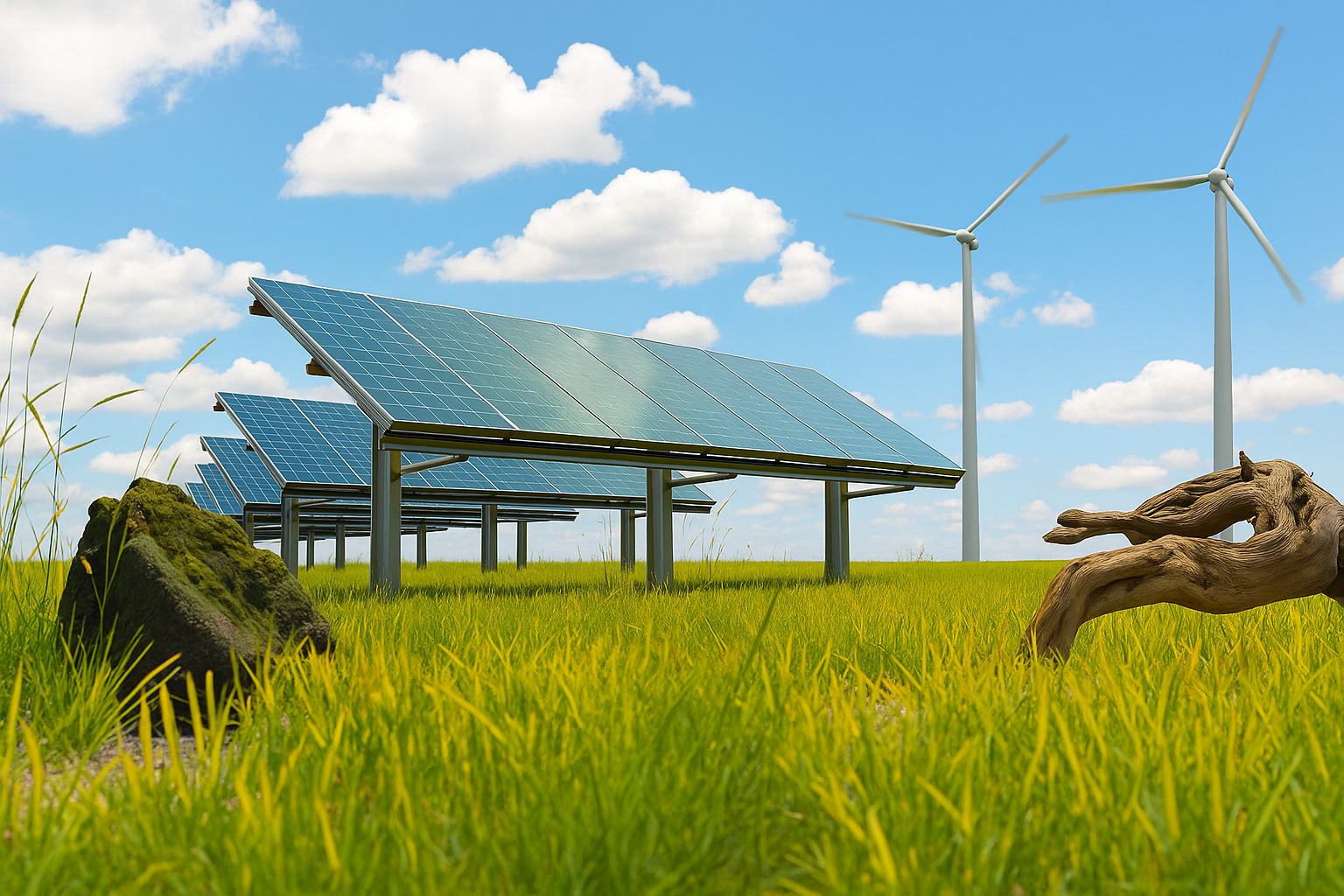
Understand How Brazil Seeks a Sustainable Generation Model, Balancing Solar and Wind Energy with Social Justice and Economic Efficiency.
The search for a sustainable generation model has become, therefore, one of the main themes in the Brazilian energy sector.
In recent years, the country has undergone significant changes in its energy matrix, particularly with the growth of renewable sources, especially solar and wind energy.
However, experts still face, in fact, the challenge of balancing sustainability, efficiency, and economy, as pointed out by Francisco Silva, technical regulatory director of the Brazilian Wind Energy Association (Abeeólica).
-
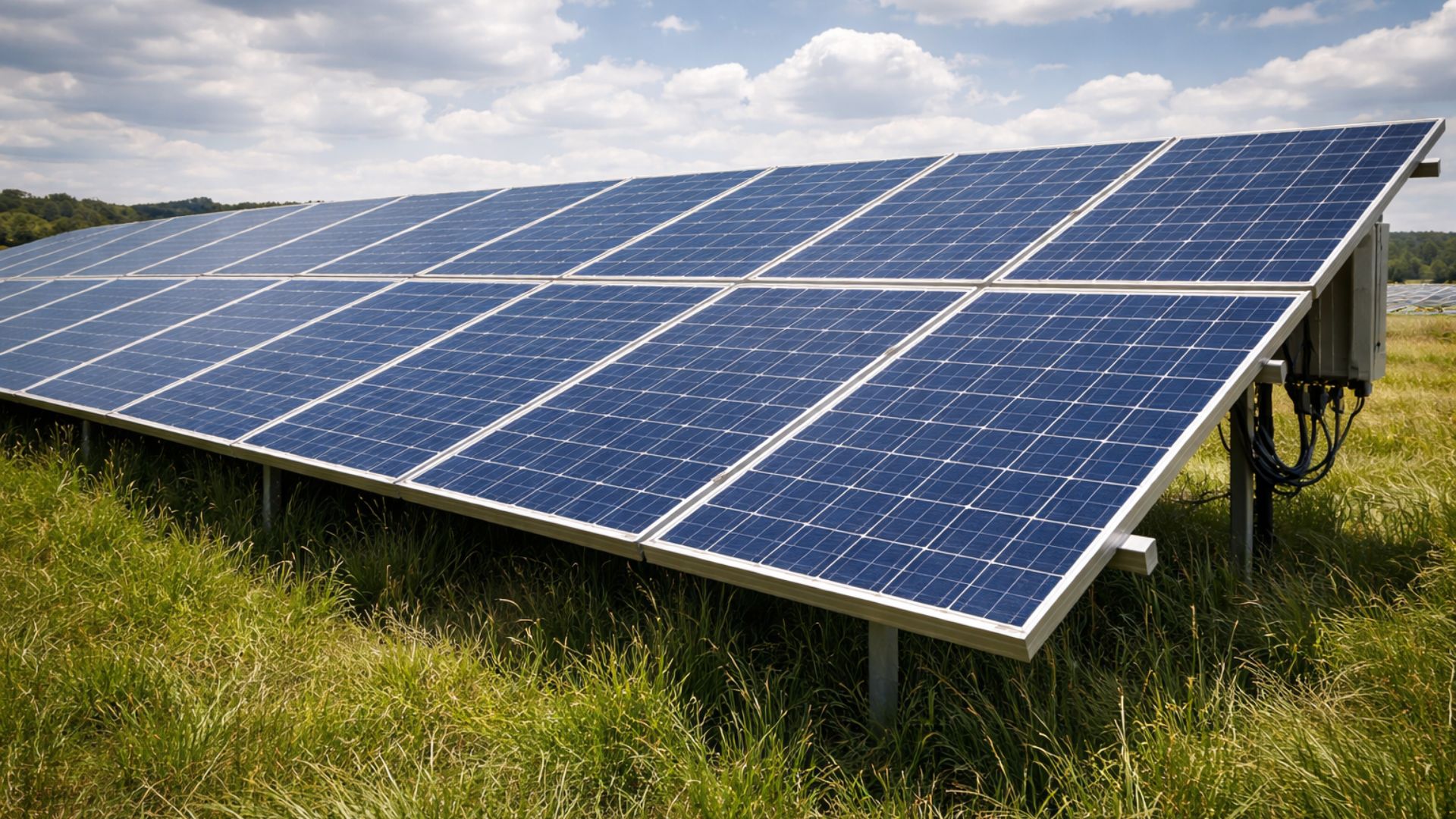
Itaipu receives proposals in the renewable energy tender and reinforces the role of public universities in the energy transition with projects that can reduce costs, increase academic investments, and accelerate sustainable innovation in the country.
-
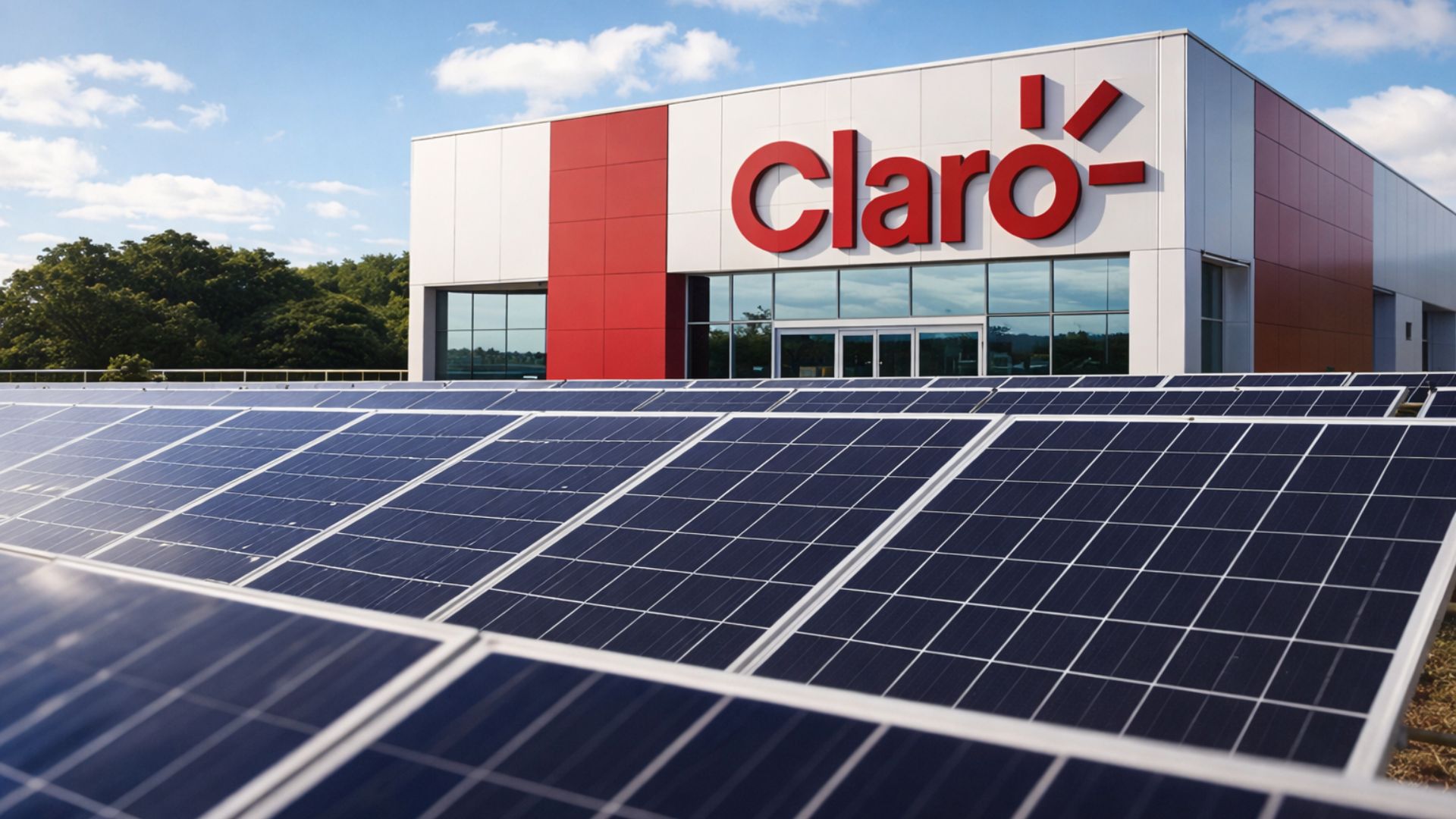
Claro operator reveals a silent change with hundreds of clean energy plants and shows how sustainability is impacting over 80% of its operations in Brazil.
-
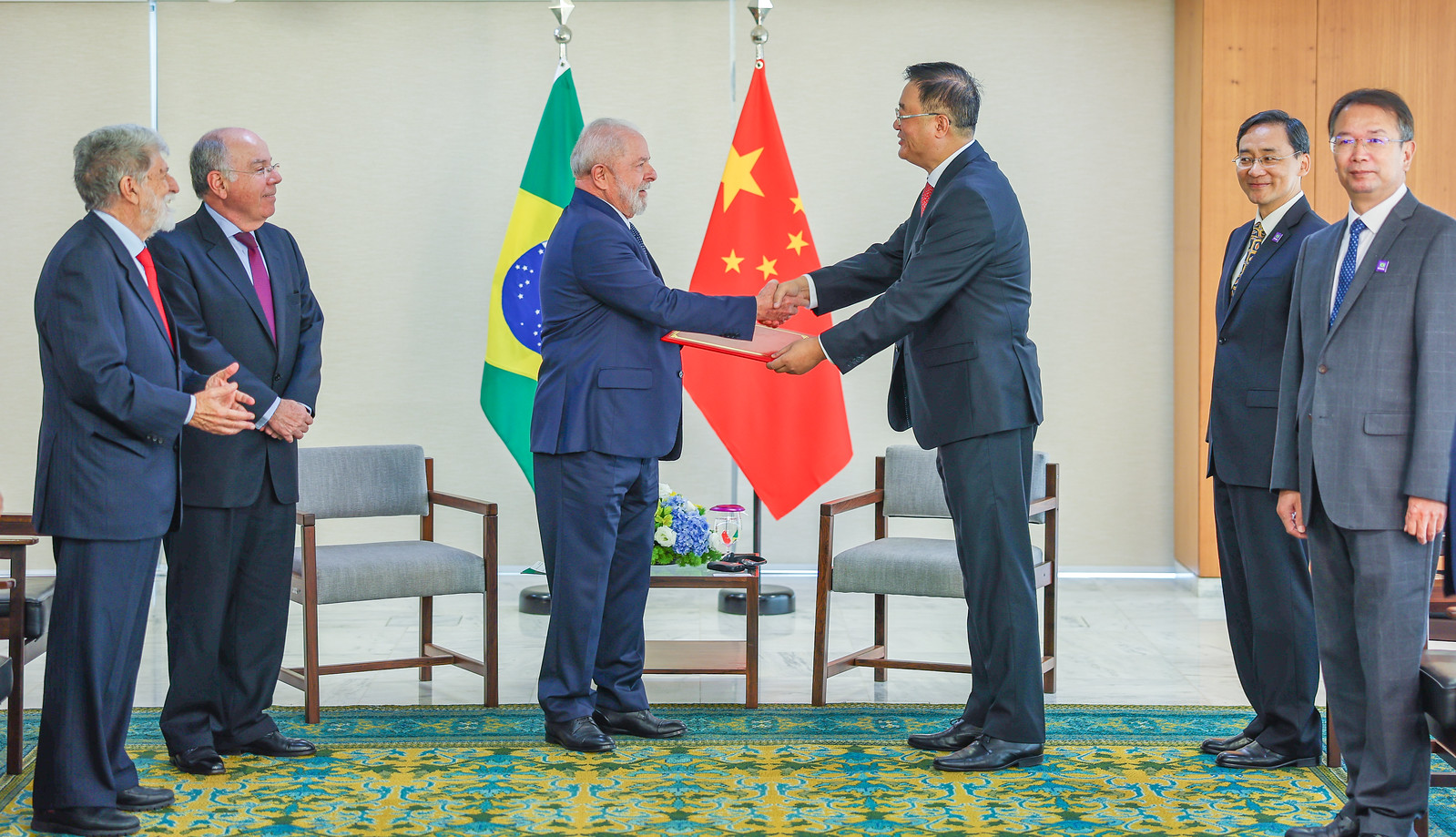
Billion-dollar strategic alliance: Brazil and China join forces in infrastructure and technology projects to lead the creation of a global green corridor in the energy transition.
-
Research reveals that the vast majority of national consumers are not willing to pay more for renewable energy despite their support for sustainability.
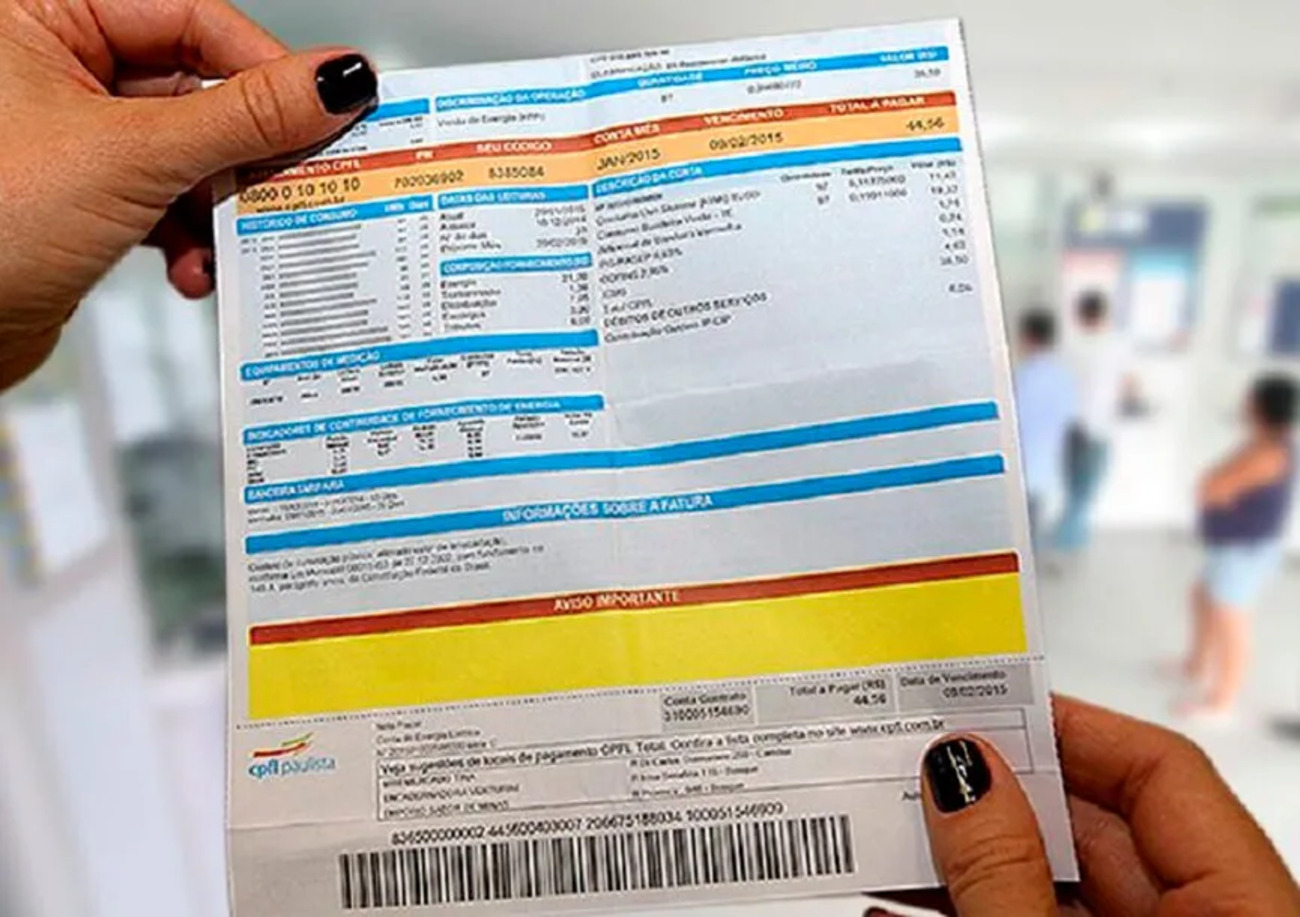
Historically, Brazil has always depended heavily on hydroelectric plants, which, for decades, remained the main source of energy in the country.
On one hand, the Brazilian hydroelectric system stood out for providing clean and low-cost energy; on the other hand, it also revealed vulnerabilities, especially during dry periods, when reservoirs cannot fully supply the demand.
Therefore, these limitations opened the way for the development of other renewable energy sources, such as solar and wind, which have been rapidly expanding in the last decade.
Moreover, solar and wind energy, while promising, have their own characteristics that challenge the concept of a sustainable generation model.
For example, the wind does not always blow the same way, and the sun only generates energy during the day, with greater intensity at certain times.
Additionally, the technology needed to capture and distribute this energy is still constantly evolving.
Thus, storage systems, such as batteries and hybrid plants, are becoming increasingly relevant to ensure that energy reaches peak demand times.
Therefore, these technological advances are essential to consolidate a sustainable generation model in Brazil.
The Challenge of Intermittency and Balanced Consumption
The production of these sources does not always coincide with the times of highest demand.
Therefore, it is necessary to create solutions that make the model efficient and balanced, ensuring, consequently, that the produced energy is utilized sustainably.
Francisco Silva even emphasizes that the current generation system does not adequately consider the times when energy becomes cheaper.
Moreover, the model encourages the installation of solar panels only for those who can invest, creating subsidies that do not always benefit all consumers fairly.
Additionally, energy credits arise in low demand times, but are often used when the cost of energy is higher, disrupting the system.
Therefore, this scenario highlights the need to reformulate the sustainable generation model, better integrating the production and consumption of renewable energy.
As of September this year, the subsidies for residential solar energy reached around 12 billion reais.
Furthermore, large companies also take advantage of these incentives to reduce costs in data centers and industrial operations; however, in the end, the cost of energy falls on those without their own generation.
Moreover, the expansion of distributed generation requires attention to the electrical grid.
Therefore, it is necessary to adapt the infrastructure to avoid overloads, voltage drops, and interruptions in supply.
Without this planning, even a model based on renewable sources may face efficiency problems, compromising the sustainability of the system.
Historical Lessons and Necessary Regulation
Throughout the history of energy in Brazil, each change in the energy matrix brought regulatory and technical challenges.
For example, the expansion of hydroelectric plants required large investments in infrastructure and environmental adaptations.
Similarly, the growth of solar and wind energy requires regulatory adjustments that efficiently integrate these sources into the national electrical system.
Thus, the discussion emerges on how to make the sustainable generation model more balanced, encouraging not only energy production but also conscious and planned consumption.
Additionally, experts point out that energy storage mechanisms help to shift production to peak demand times, balancing the system and valuing the energy generated when most needed.
Moreover, public policies that expand access to self-generation, especially for consumers with lower purchasing power, can better distribute the benefits of renewable energy.
Similarly, the advancement of energy trading among consumers, businesses, and independent producers contributes to a more efficient sustainable generation model.
Through digital platforms and energy management systems, it is possible to share the surplus produced, promoting collaborative economy in the energy sector.
Consumer Education and Awareness
Consumer education is another crucial point.
For the sustainable generation model to function fully, it is necessary that people understand the impacts of consumption during peak times and learn to adjust their usage according to the system’s demands.
In this way, awareness reduces waste and increases the efficiency of generated energy, strengthening the model’s sustainability.
Furthermore, Brazil has favorable natural conditions for an energy model based on renewables.
With an abundance of wind in various regions and high solar incidence, the country has the potential to become a world reference in clean energy.
However, without regulatory adjustments and incentives that balance production and consumption, the expansion of these sources may not reach its full sustainable potential.
Therefore, the involvement of society is also essential.
Thus, education programs, awareness campaigns, and economic incentives can motivate families and businesses to adopt more sustainable habits, aligning energy consumption with the country’s environmental objectives.
Pathways to Consolidate the Sustainable Model
The challenge pointed out by Francisco Silva and other experts is not limited to technology or resource availability.
Therefore, making the sustainable generation model involves strategic planning, adequate regulation, and collective engagement.
The balance between production, consumption, and subsidies ensures that the Brazilian electrical system operates efficiently, fairly, and environmentally responsibly.
Thus, it is essential that the debate about the sustainable generation model continues, bringing together governments, companies, consumers, and experts.
Only with coordinated actions will it be possible to create an energy system that meets the growing demand without compromising the future environmental, economic, and social well-being of the country.
Brazil’s journey towards a sustainable generation model is still being built, but the signs are positive.
Therefore, the expansion of solar and wind energy, combined with smart policies and adequate regulation, can establish the country as a reference in clean energy.
This path requires joint effort, innovation, and commitment, but generates lasting benefits for all of society.







Seja o primeiro a reagir!