





 Portuguese
  English
  Spanish
  3 min of reading
  0 comments


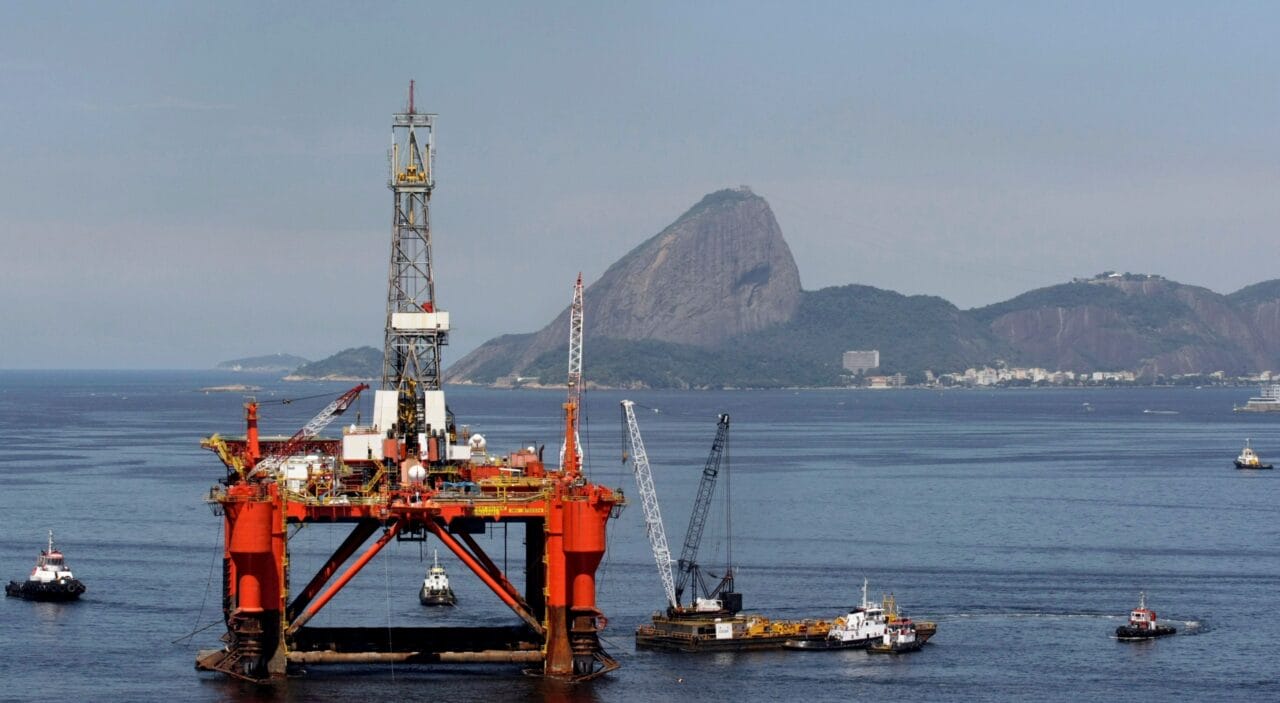
Saboia Highlights The Importance Of Seeking New Opportunities To Ensure Continuous Development.
The Director-General of the National Agency of Oil, Natural Gas and Biofuels (ANP), Rodolfo Saboia, stated that Brazil aims to surpass the production of 4 million barrels of oil per day by 2025. Currently, the country already produces an average of over 3.5 million barrels per day. This growth expectation is the result of an investment of over US$ 90 billion in the next five years, with 20 new platforms going into operation by 2027.
This significant increase in oil production will not only come from the pre-salt, but also from the recovery of mature fields, led by independent oil companies. The recovery of these fields is an important strategy to ensure the continuity of national production, even as some areas are already in decline.
However, the director warns that it is necessary to explore new frontiers to avoid production decline starting in 2030. He emphasizes the importance of making strategic decisions regarding new exploratory areas, such as the Equatorial Margin and the Pelotas Basin, on the coast of Rio Grande do Sul. In the case of the Equatorial Margin, the sector faces resistance from Ibama in issuing environmental licenses, which has hindered the advancement of exploratory activities.
-
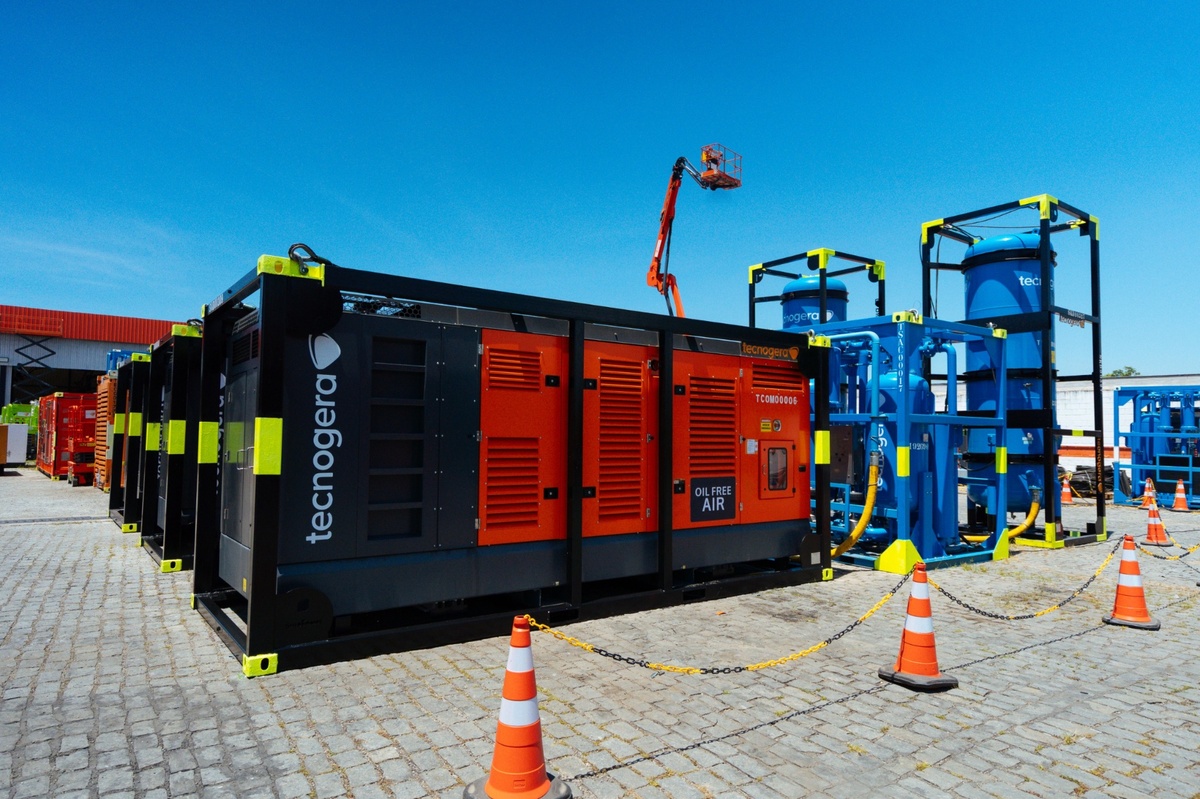
Offshore industrial demand in Macaé skyrockets with the recovery of oil and gas and could grow by up to 396% by 2026 in the Campos Basin.
-
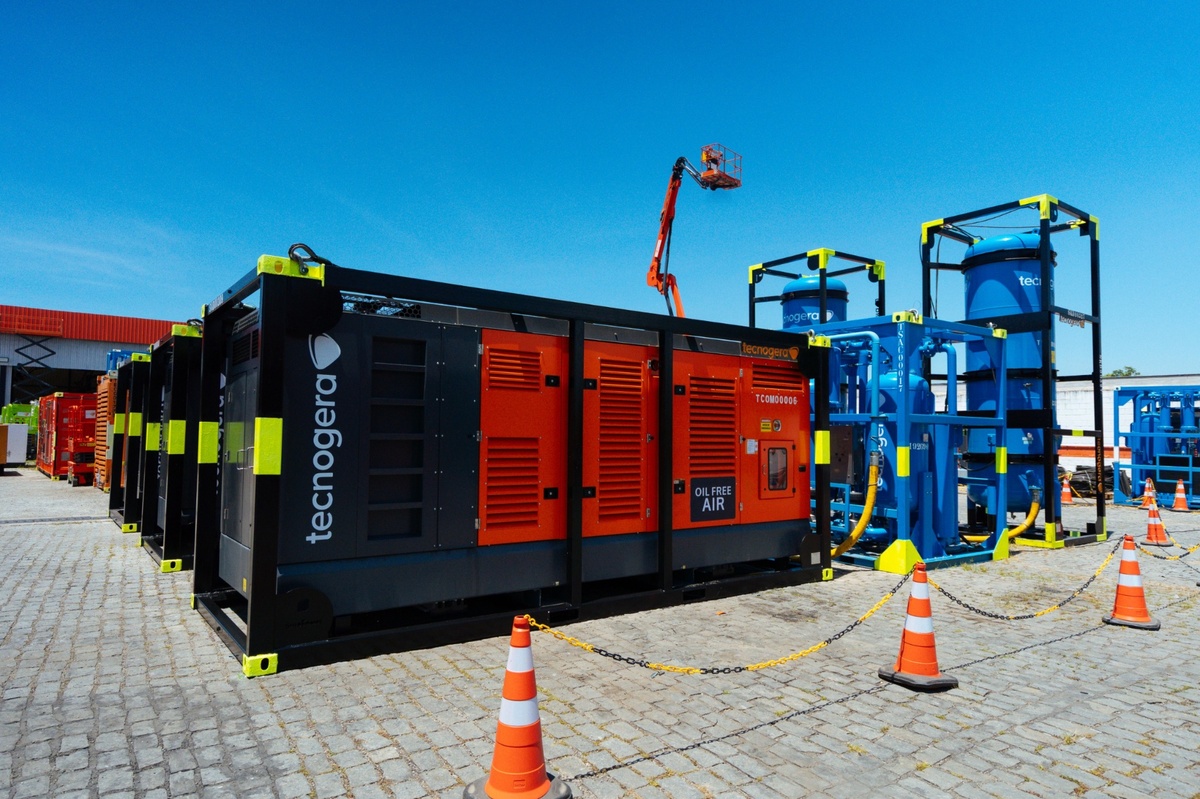
Offshore industrial demand in Macaé surges with the recovery of oil and gas and could grow by up to 396% by 2026 in the Campos Basin.
-
Brazilian giant expands borders in the Southeast: Petrobras confirms new oil discovery in ultra-deep waters in the pre-salt of the Campos Basin.

-
Alert in the global energy market: Severe tropical cyclone hits the coast and disrupts gas production at major plants in Australia, threatening global supply.


Without the development of new exploratory frontiers, there is a risk of a drop in national oil production from 2030. Therefore, it is essential to consider the strategic importance of this decision and act swiftly. The oil market is dynamic and competitive, and Brazil must remain at the forefront, maintaining its position as one of the leading producers and exporters of oil in the world.
The growth of oil production brings various benefits to the country, such as increasing the domestic energy supply, generating jobs, and boosting tax and royalty revenues. Furthermore, the oil and gas sector contributes to technological development and innovation, driving the production chain and strengthening the economy as a whole.
Given this scenario, it is essential to have a dialogue between the public sector and companies in the sector to facilitate the necessary investments and overcome regulatory and environmental challenges. The partnership between the government and the private sector is crucial to drive the growth of the oil industry and ensure a sustainable future for the country.
Therefore, Brazil has great potential to become one of the leading oil producers in the world, surpassing the mark of 4 million barrels per day by 2025. To achieve this, it is necessary to invest in new exploratory frontiers, ensure the recovery of mature fields, and overcome environmental and regulatory challenges. With a strategic approach and a favorable investment environment, the country can establish itself as a powerhouse in the oil market and contribute to its economic and energy development in the coming years.








Seja o primeiro a reagir!