





 English
  Francês
  Alemão
  Italiano
  Japonês
  Norueguês
  Portuguese
  Spanish
  2 min of reading


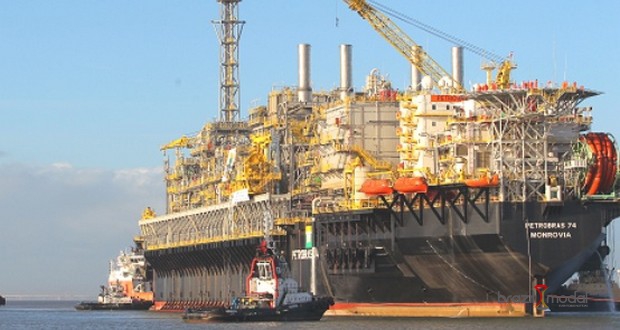
Furthermore, the state-owned company advises that the Brazilian shipbuilding industry becomes more competitive so that operators operating in the country do not seek markets abroad
Petrobras completed 10 years of production in the pre-salt on September 2, with the first oil at the Jubarte Field in Espírito Santo. From that time until now, 20 offshore production units have been incorporated into the national fleet, bringing production to an incredible 1.5 million barrels of oil every day. Despite some business dealings that brought losses to the state-owned company and corruption investigations, Petrobras is now entering a phase of “positive upswing”.
Solange Guedes, responsible for the exploration and production department at Petrobras, was very emphatic in stating that the “worst is over”. As already stated in its business plan, 13 more platforms will be allocated to new assets in the pre-salt that have already been discovered and will come into operations in the coming years. The ability to design and build wells over the years has been crucial to ensure the high productivity it has now, and this time factor has only been decreasing. What used to take 300 days to build a well now takes about 100.
-
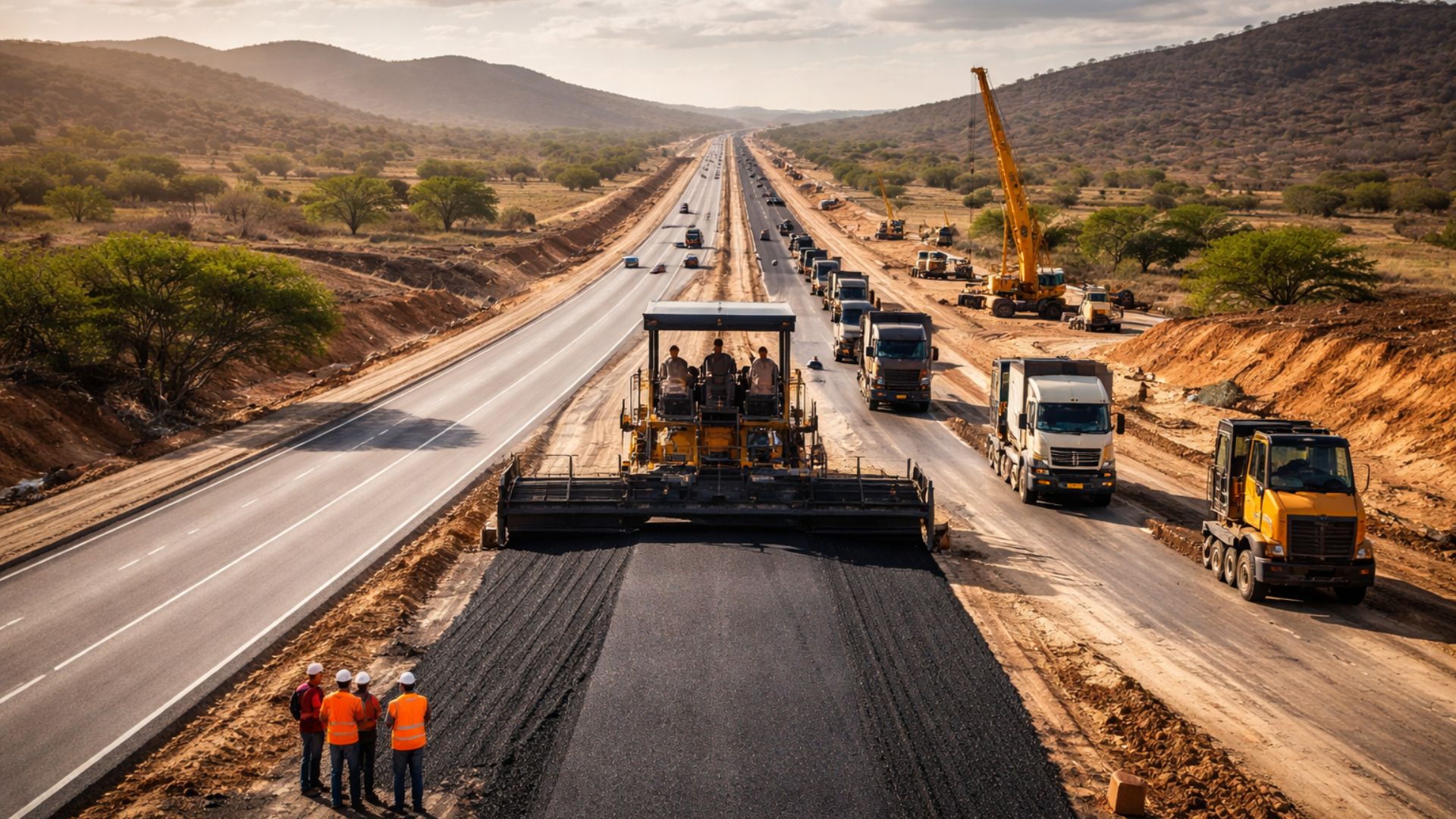
Government unlocks R$ 554 million for a highway that has been requested for decades and accelerates the duplication of BR.
-
Without bricks, without cement, and without endless construction: the cardboard house that is assembled in modules and can be moved.

-
Billions of barrels on the equatorial margin could lead Amapá to double its oil production in Brazil — the state aims to enter the route of companies in the Campos Basin, attract investments, and boost jobs and businesses in the oil and gas sector.
-
Without bricks, without cement, and without endless construction: the cardboard house that is assembled in modules and can be moved.
Will There Be Space for the Brazilian Shipbuilding Industry in This New Phase of Prosperity?
According to Solange, this is a question that only the Brazilian shipbuilding industry can answer. The reality is that building and consuming goods and services from abroad, especially from the Asian continent, is much more economically advantageous nowadays. What the Brazilian naval sector must do is make construction more competitive; after all, there are 9 operators in extensive operations in the country, and naturally, they would prefer to prioritize national content.







Seja o primeiro a reagir!