





 Portuguese
  English
  Spanish
  3 min of reading
  0 comments



US aircraft carriers, known for their magnitude and power, have an intriguing characteristic: they do not have doors on the lower deck where the hangars are. This may seem like a design flaw or a measure of economy, but the truth is much more complex and interesting.
Aircraft carriers are key players in the United States Navy, functioning as floating air bases that can launch and recover aircraft anywhere in the world. They have two main areas: the flight deck, where planes take off and land, and the hangar, where aircraft are stored and maintained when not in use.
Contrary to what many might imagine, these giants’ hangars do not have doors. This is due to a combination of historical, strategic, and practical factors.
In the beginning, aircraft carriers were adapted from other types of ships and had closed hangars to protect the aircraft
The British, for instance, preferred closed and armored hangars to protect against enemy attacks on their aircraft carriers. However, this limited the space and mobility of the aircraft. The United States Navy took a different approach, opting for open hangars.
-
With 74% of companies facing difficulties in hiring, technicians and engineers in renewable energy are becoming scarce in Brazil and are essential to support the expansion of solar, wind, and green hydrogen projects.

-
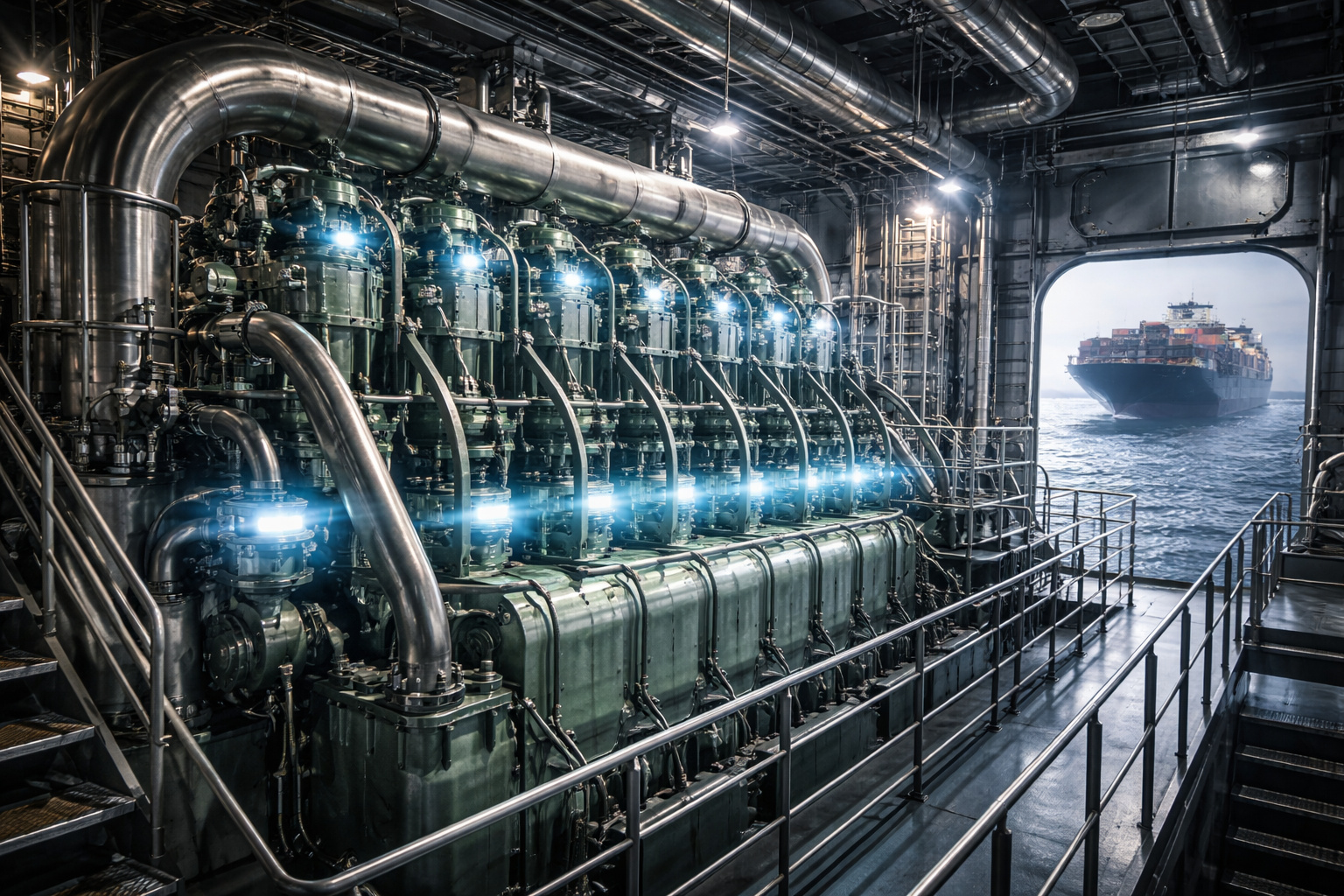
Europe is trying to create an ammonia-powered marine engine without auxiliary fuel, which could unlock the race for giant emission-free ships. The technology aims to eliminate one of the biggest obstacles to clean maritime propulsion.
-
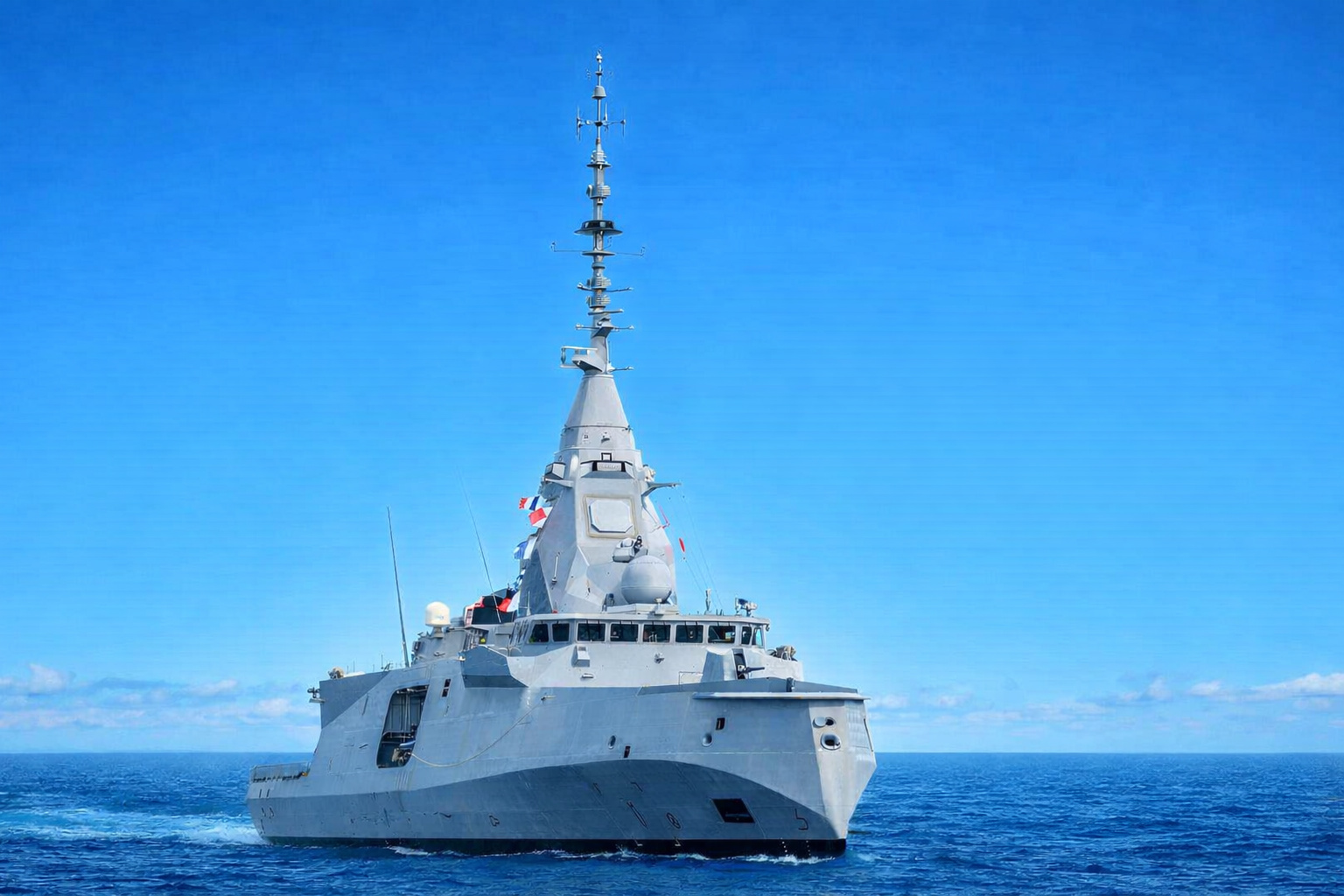
A 4,500-ton frigate with just over 100 crew members, state-of-the-art radar, and cruise missiles is being touted as the new standard of naval warfare in the 21st century.
-
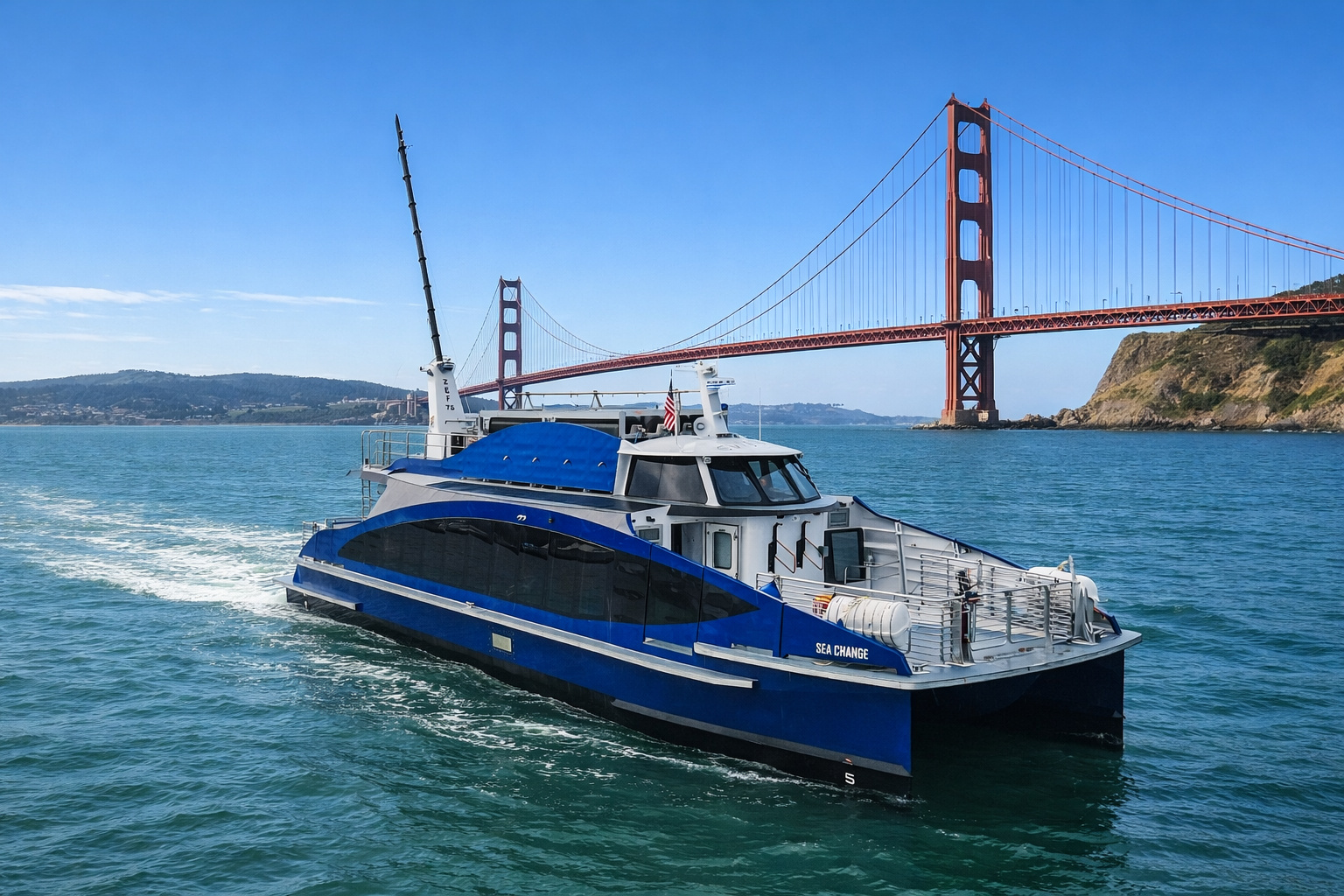
The first commercial hydrogen-powered ferry enters operation in the U.S., eliminates the use of diesel, uses fuel cells to generate clean energy on board, and transforms San Francisco Bay into a landmark of the new era of emission-free navigation.

This decision allowed for greater operational versatility, facilitating the warming up of aircraft engines before takeoff and speeding up the launch process. However, it also exposed the aircraft and crew to adverse weather conditions and potential attacks.
One of the advantages of open hangars is the ability to quickly move aircraft between the hangar and the flight deck, reducing response time in combat operations
In the event of an explosion, the lack of doors can help dissipate the energy of the impact, causing less damage than in a closed hangar. On the other hand, the absence of doors increases vulnerability to the elements and attacks. During World War II, for example, Essex-class carriers, such as the USS Franklin, suffered severe damage due to air attacks that hit the open hangars.
To mitigate the risks, modern US aircraft carriers, such as those of the Nimitz and Ford classes, are designed to withstand significant damage. They have bulkheads that can be closed to contain fires and limit damage in the event of an attack.
The absence of doors in the hangars of US aircraft carriers is not a mere oversight but rather a strategic choice based on decades of design evolution and combat experience. This approach aims to balance protection, operational efficiency, and rapid response capability, ensuring that these giants of the sea continue to be a dominant force in global naval operations.








Seja o primeiro a reagir!