





 Portuguese
  English
  Spanish
  4 min of reading
  0 comments


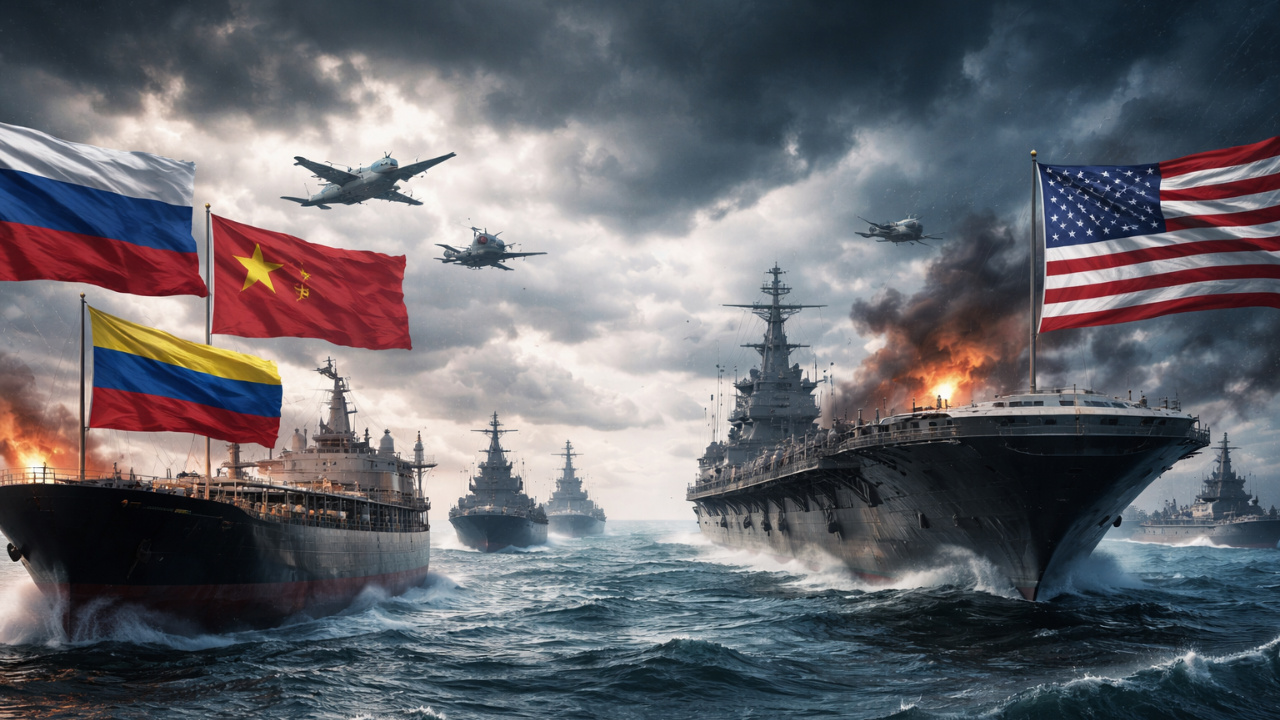
U.S. Naval Siege of Ships Carrying Venezuelan Oil Triggers Immediate Reaction from Russia and China, Expands Diplomatic Tension and Reignites Debate on Sanctions, International Law and Global Energy Interests.
Tension in the Caribbean Sea has risen in recent days following new actions by the U.S. Coast Guard against ships associated with transporting oil from Venezuela. The move comes amid a hardening of American policy against Nicolás Maduro’s government and reignites diplomatic disputes involving major global powers, such as Russia and China.
The most recent episode involves the oil tanker Bella 1, which was surrounded for nearly 48 hours in international waters. According to reports from the American press, the vessel was empty and heading towards Venezuela to be loaded with oil. However, upon noticing the approach of the U.S. Coast Guard, the ship reportedly fled to avoid seizure.
Suspected Ships and the So-Called “Ghost Fleet”
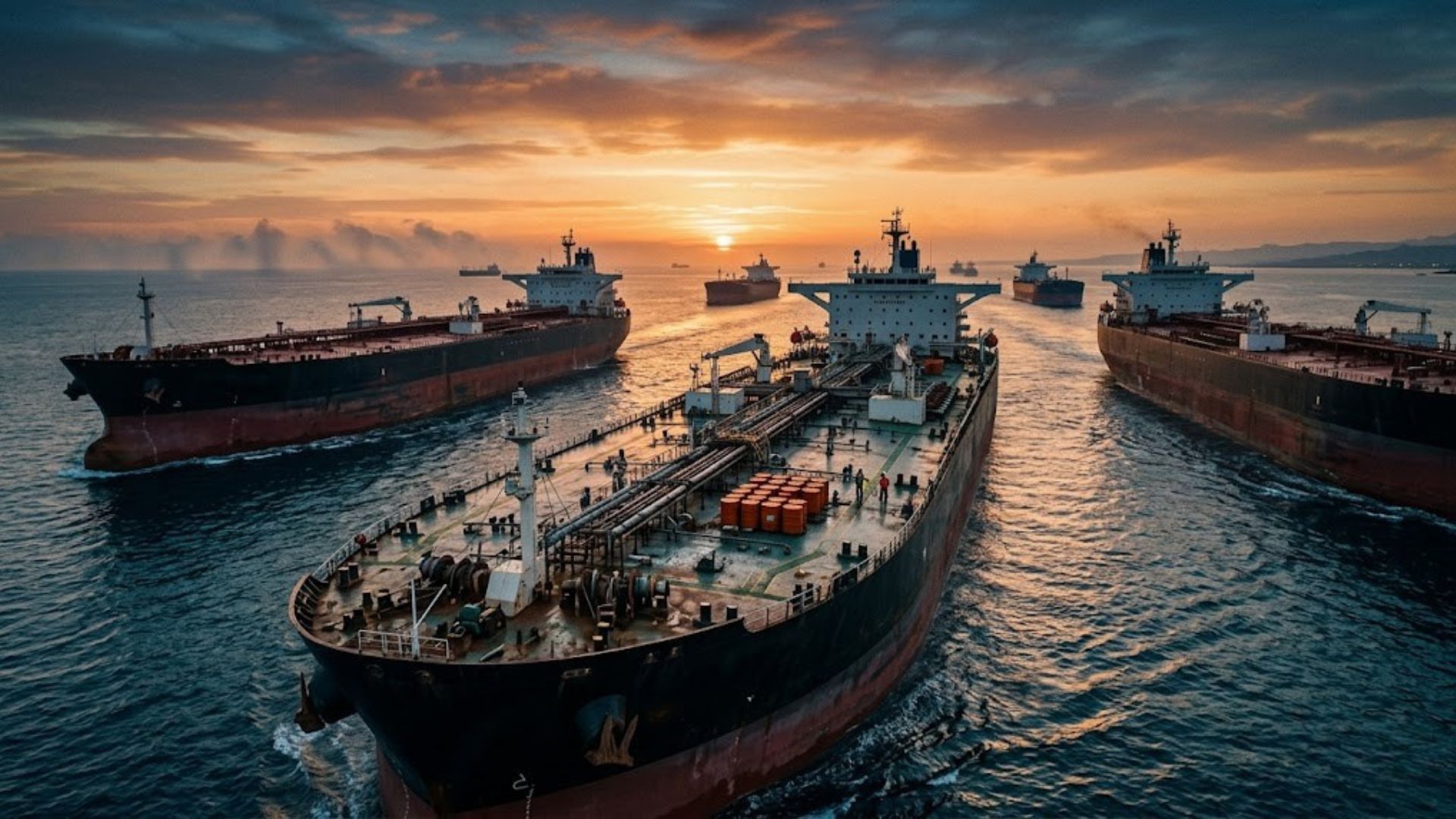
The Bella 1 has been under sanctions since last year for allegedly transporting oil from Iran. The vessel is part of what American authorities classify as a “ghost fleet,” composed of ships that turn off tracking systems to hinder the identification of their routes.
-
New escalation of tensions and oil crisis in the Middle East forces world powers to accelerate energy transition plans.
-
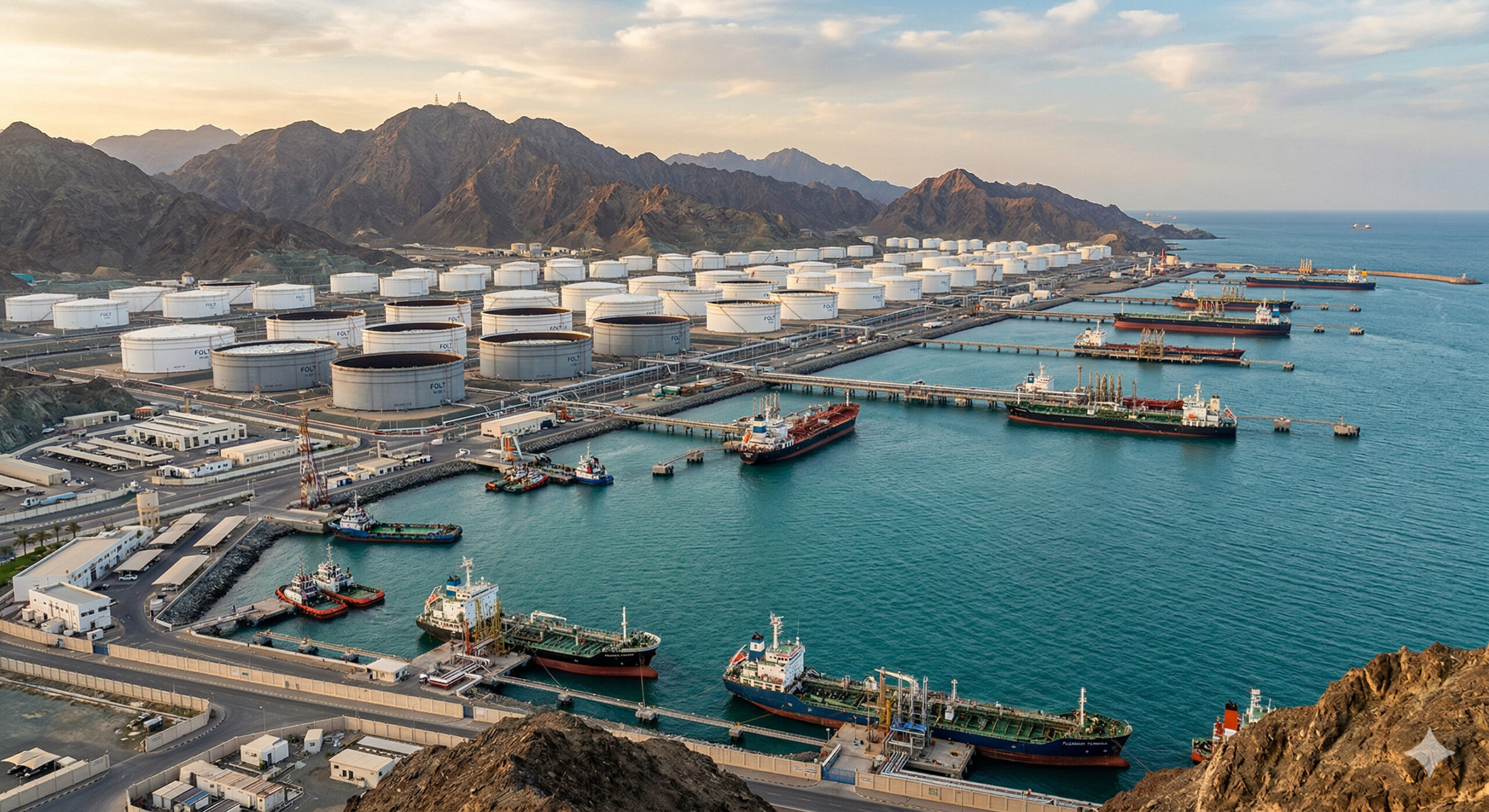
Giant reservoirs with a capacity of 18 million cubic meters have turned Fujairah into one of the largest energy vaults on the planet. This facility, located outside the Strait of Hormuz, stores oil on a colossal scale and has become a silent piece that supports the global flow of fuels.
-
The next exploration auction in the pre-salt will offer 23 blocks in the Campos and Santos basins and may change the interest of oil companies in Brazil.
-
The next exploration auction in the pre-salt will offer 23 blocks in the Campos and Santos basins and could change the interest of oil companies in Brazil.
Additionally, this was the third operation of its kind carried out in less than two weeks. In previous actions, the pattern repeated itself. Helicopters approached the vessels, military personnel descended by ropes, and took control of the ships at sea.
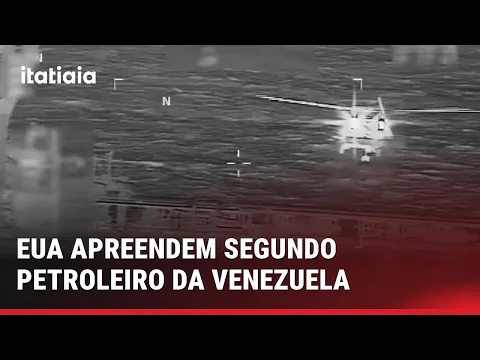

On the previous Saturday, the target was the Centuries ship, which was carrying nearly two million barrels of oil bound for China. However, the vessel was not on the list of American sanctions. Before that, on December 10, the Skipper ship, loaded with over one million barrels, was also intercepted.
Oil, Sanctions, and U.S. Strategic Interests
Venezuela has the largest proven oil reserves in the world. For this reason, despite the sanctions imposed on Nicolás Maduro’s government, the United States remains vigilant over the Venezuelan energy sector. Although imports have been reduced, they have not been completely halted.
Proof of this is Chevron’s operations, the American company that has a license to continue exploring oil in the South American country. On Saturday, Venezuelan Vice President Delcy Rodríguez released a video showing an oil tanker leaving Venezuela with 500,000 barrels of oil. The cargo’s destination was the United States, and the ship had been chartered by Chevron itself.
Accusations Against Maduro and Economic Pressure Strategy
Donald Trump accuses Nicolás Maduro of leading a narco-terrorist organization responsible for illegally transporting drugs to the United States. According to the American president, funds obtained from oil would be used to finance the regime and ensure its hold on power.
In light of this, the American strategy with the blockade of tankers seeks to further wear down the Venezuelan economy. According to analysts, the goal is to weaken the government and increase internal and external political pressure to force Maduro out of power.
Russia and China Enter the Scene and Criticize Oil Blockade
In the face of escalating tension, the Venezuelan government turned to strategic allies. On Monday (22), Russian Foreign Minister Sergey Lavrov declared that Venezuela has “full support and solidarity” from Moscow.
China, the main importer of Venezuelan oil, also voiced its position. The Chinese government stated that the seizure of ships from another country represents a serious violation of international law. Furthermore, it emphasized that Venezuela has the sovereign right to maintain trade relations with other nations.
International Reaction and Appeal to the UN
Concerns about the growing tension are not limited to major powers. In Europe, the German government called for moderation, dialogue, and respect for international law, demonstrating apprehension about the potential global impacts of the conflict.
Meanwhile, Nicolás Maduro sent a letter to the region’s leaders and the United Nations. The document was read by the Foreign Minister and calls for the international community to condemn the actions of the United States against ships transporting Venezuelan oil.
American Military Expansion Occurs Amid Oil Crisis
As the diplomatic crisis intensified, Donald Trump announced plans for the construction of a new generation of warships. According to the president, the United States will begin production of the first two ships of a new fleet, which will bear his name.
Trump stated that the new vessels would be “100 times more powerful” than the current ones. The announcement came on the same day that Venezuela’s allies intensified their criticisms of the naval blockade and sanctions related to oil, amplifying the contrast between military rhetoric and the global energy tension scenario.






Seja o primeiro a reagir!