





 English
  Francês
  Alemão
  Italiano
  Japonês
  Norueguês
  Portuguese
  Spanish
  3 min of reading


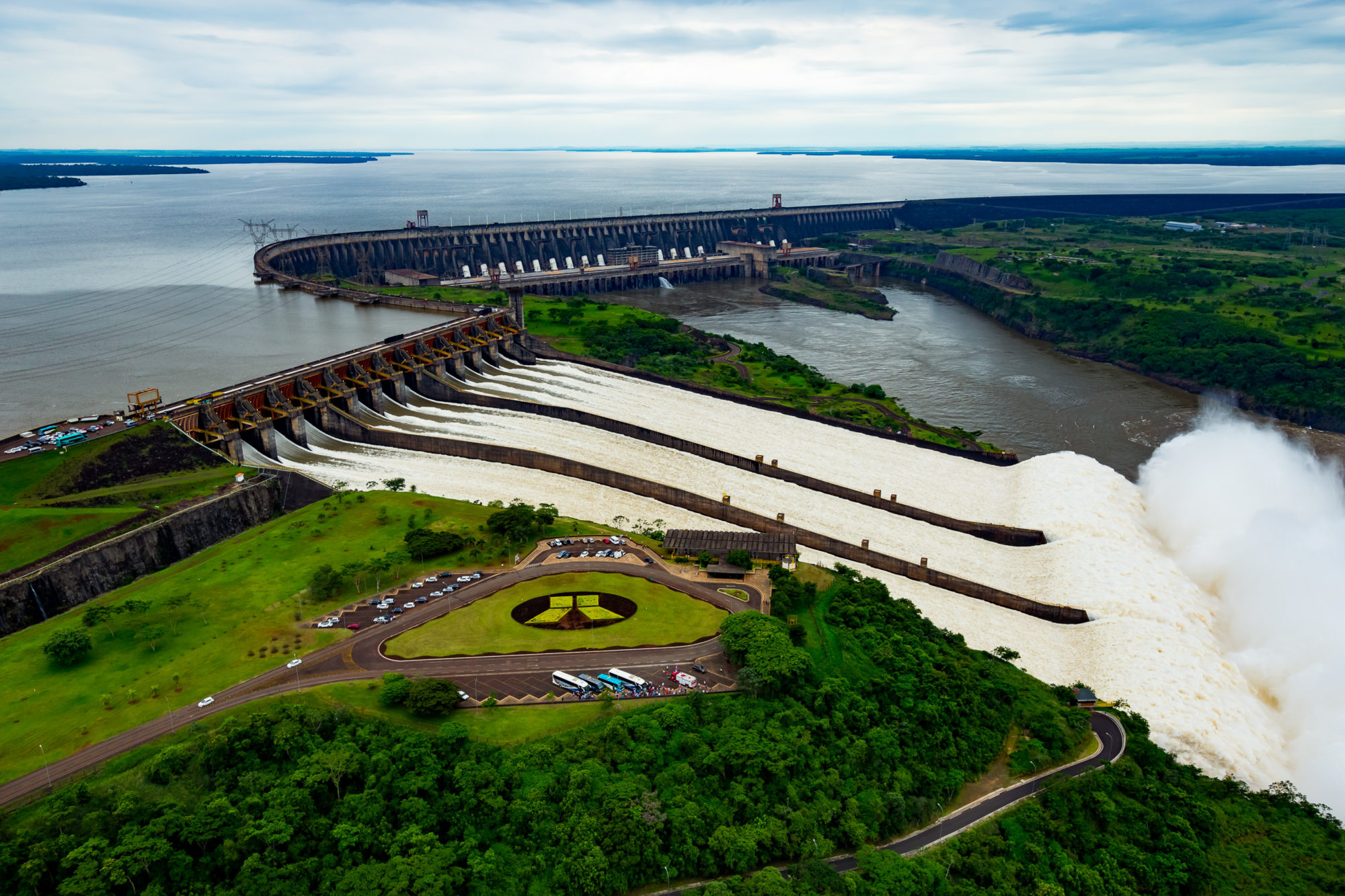
The Worsening Political Crisis in Paraguay Has Created Enormous Uncertainty About the Maintenance of an Agreement Reached with Brazil on May 24, Contracted by the Neighboring Country.
At stake is a difference of approximately US$ 250 million – almost R$ 1 billion at the current exchange rate – between the “declared” volume of purchases by Paraguay and what is actually consumed. The value of the agreement, which triggered a series of dismissals in the upper echelons of the Paraguayan government and threatens the future of President Mario Abdo Benítez, would translate into savings for Brazilian consumers over four years (2019 to 2022).
The crisis in Paraguay escalated yesterday with the dismissal of Chancellor Luis Alberto Castiglioni, the General Director of Itaipu on the Paraguayan side, and the president of the National Electricity Administration (Ande). The Paraguayan ambassador in Brasília, Hugo Saguier, also fell.
-
Government unlocks R$ 554 million for a highway that has been requested for decades and accelerates the duplication of BR.
-
Without bricks, without cement, and without endless construction: the cardboard house that is assembled in modules and can be moved.

-
Billions of barrels on the equatorial margin could lead Amapá to double its oil production in Brazil — the state aims to enter the route of companies in the Campos Basin, attract investments, and boost jobs and businesses in the oil and gas sector.

-
Without bricks, without cement, and without endless construction: the cardboard house that is assembled in modules and can be moved.

The Brazilian government’s complaint is the fact that Paraguay has indicated every year since 2002 an estimate of energy consumption lower than what is actually verified. In practice, they have been subcontracting energy from Itaipu. This difference has recently increased. “In the last four years, Paraguay’s energy consumption has risen by 40%, but its annual indications pointed to a variation of 8%,” says a negotiator in Brasília.
Eletrobras has been bearing the burden of this distortion. As it should not make any profit or loss from the binational plant, the cost is fully passed on to Brazilian consumers of electricity distributors in three regions – South, Southeast, and Central-West.
The state-owned company pays US$ 43.80 for each megawatt-hour of the “surplus” energy that Paraguay indicates, at the beginning of each year, it will not consume internally. And it even disburses these amounts. However, when Paraguay exceeds its consumption estimates, it pays a much lower rate: around US$ 6 – the price of the so-called “excess energy.” The Paraguayan government has been using this cheap energy, including to attract industries.
The agreement was considered a “political-diplomatic commitment” that would gain legal validity only with the signing of a formal contract. It was during the process of confirming the agreement between the two countries that there was a turnaround. Pedro Ferreira, former president of Ande, refused to sign the contract and stated that this instrument would be detrimental to Paraguay’s interests. He claimed that he was not aware of the negotiated details. This gave ammunition to opponents to even speak of impeaching President Abdo.
Privately, the Brazilian government repudiates Ferreira’s attitude and sees political interest in his “denunciation,” assuring that he was aware of the terms being negotiated. The intention is to stay firm in the purpose of addressing the issue of Itaipu’s energy volumes.
As Brazilian authorities are keen to emphasize, the agreement does not affect the renegotiation of Annex C, part of the Itaipu Treaty that expires in 2023. In that year, according to prevailing interpretations, Paraguay will be free from the requirement to sell to Brazil everything it does not consume from the plant.
Bracell Will Invest R$ 7 Billion and Generate 7,500 Jobs in a Factory in São Paulo








Seja o primeiro a reagir!