





 English
  Francês
  Alemão
  Italiano
  Japonês
  Norueguês
  Portuguese
  Spanish
  3 min of reading


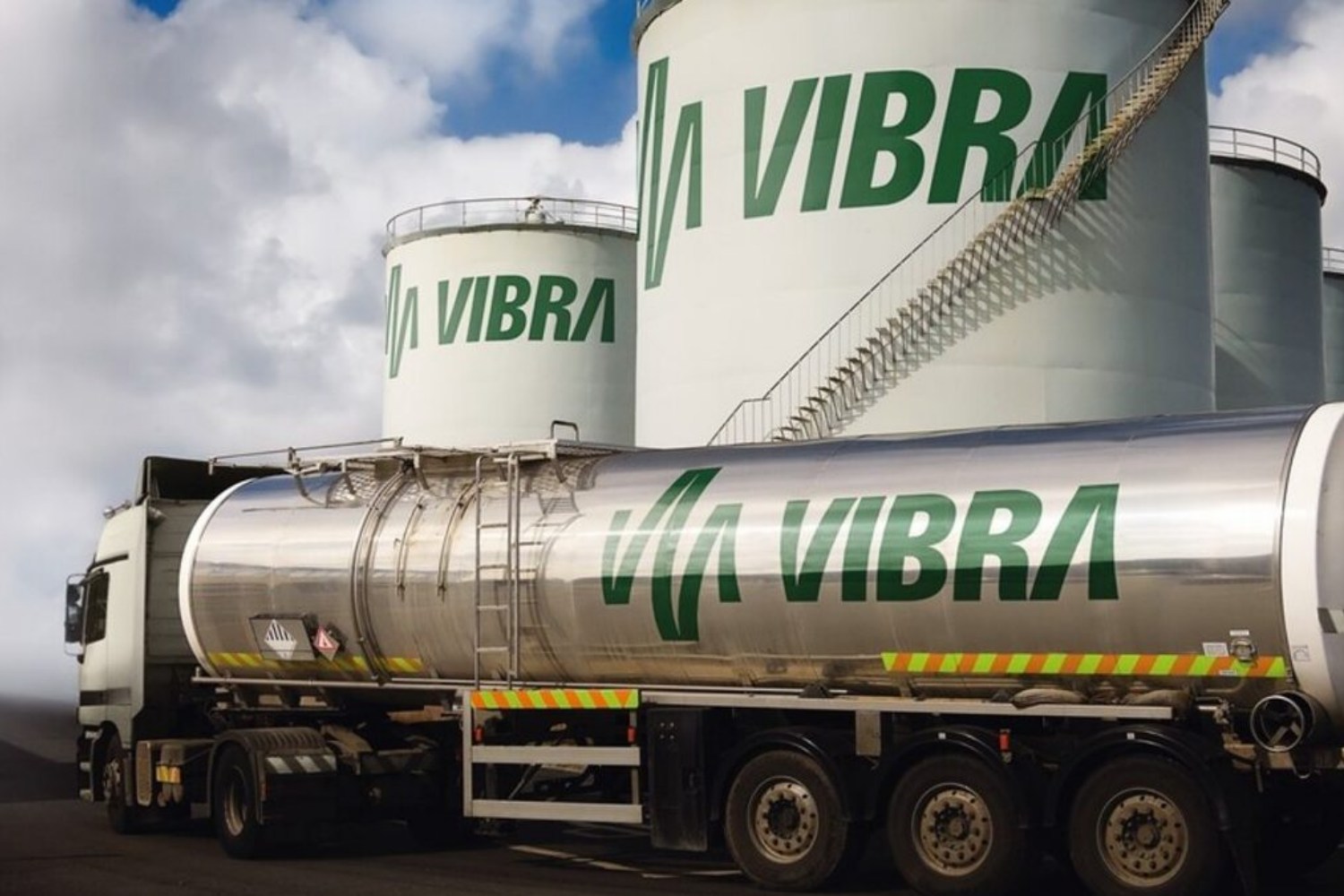
After the ANP’s Decision to Disregard the Law That Determines the Suspension of Operations of Distributors Condemned by Cade Regarding the Fuels Market in Brazil, Raízen, Ipiranga, and Vibra Will Benefit.
The ANP (National Agency of Petroleum) disregarded the federal law that determines the immediate suspension of operations of fuel distributors condemned by Cade (Administrative Council for Economic Defense) for impacts on the national market, allowing them to continue their activities in the sector. Thus, major distributors like Raízen, Ipiranga, and Vibra are benefiting with the justification that the suspension is an excessive measure for the national market.
National Agency of Petroleum Disregards Federal Law That Suspends Operations of Distributors Condemned by Cade Regarding Violations in the Fuels Market
After verifying that the suspension of the companies’ operations in the national fuels market could affect the supply of Brazilian gas stations, the ANP disregarded the federal law that determines the suspension of operations of distributors condemned by Cade.
It now allows the activities of the companies to continue, benefiting three major fuel distributors in the country, Raízen, Ipiranga, and Vibra, which supply about 65% of the Brazilian market, according to agency data.
-
Petrobras finds high-quality oil in the pre-salt at 113 km from RJ and reignites expectations about strategic reserves in the Campos Basin.

-
Ocyan opens registrations for startups focused on innovation in the oil and gas sector and will select projects for Innovation Day with the support of Nexio.

-
Petrobras announces new oil discovery in the pre-salt of the Campos Basin and reinforces Brazil’s prominence with high-quality reserves that can increase production and energy revenues.

-
Alert in the fuel market: Analysts and a former director of ANP warn that oil prices may worsen in the coming months due to global instability.


Law 9,847/99 provides for the regulation of the national fuel supply and determines the suspension of activities in case of condemnation by Cade for creating a cartel or negative impacts on the national fuels market.
“The penalty of revocation of authorization for the exercise of activity shall be applied when the legal entity authorized […] commits, in the exercise of activity related to the national fuel supply, an infraction of the economic order, recognized by the Administrative Council for Economic Defense — Cade or by judicial decision,” the law states.
All three distributors benefited by the ANP’s decision stated that they have already gone to court against the Cade’s condemnations and that they are regulated to participate in operations in the national market.
Moreover, the oil agency emphasizes that suspending the companies’ operations would bring significant negative impacts to the national fuels market due to the relevance of the three in supplying Brazilian gas stations.
Cade has already condemned the three companies under law 9,847/99, and the most recent case involved Ipiranga and Vibra for cartel formation in the metropolitan region of Belo Horizonte (MG).
ANP and Cade Agree That the Law Needs to Be Revisited and That the Suspension of Distributors’ Operations Will Bring Significant Impacts on the Fuels Market
The ANP recently stated that the decision to remove the three largest distributors from the national fuels market would have significant impacts on the country, and is now seeking to modulate the law through a project submitted to the National Congress, a process that takes considerable time to finalize. Thus, the most coherent alternative with the national scenario is to maintain the operation of the three companies.
The Cade councilors agree on certain points raised by the agency and emphasize that punishment should occur under administrative order, without affecting the national market and fuel supply at Brazilian gas stations.
Finally, it was pointed out that if this law were applicable to all companies, Petrobras should already have been suspended for its anti-competitiveness actions in the national market.
Now, the ANP continues to look for measures to circumvent this law, and all three distributors continue to maintain their fuel commercialization operations in the national market, aiming to stabilize the scenario of significant changes in the prices of products passed on to the final consumer at present.










Seja o primeiro a reagir!