





 Portuguese
  English
  Spanish
  5 min of reading
  1 comment


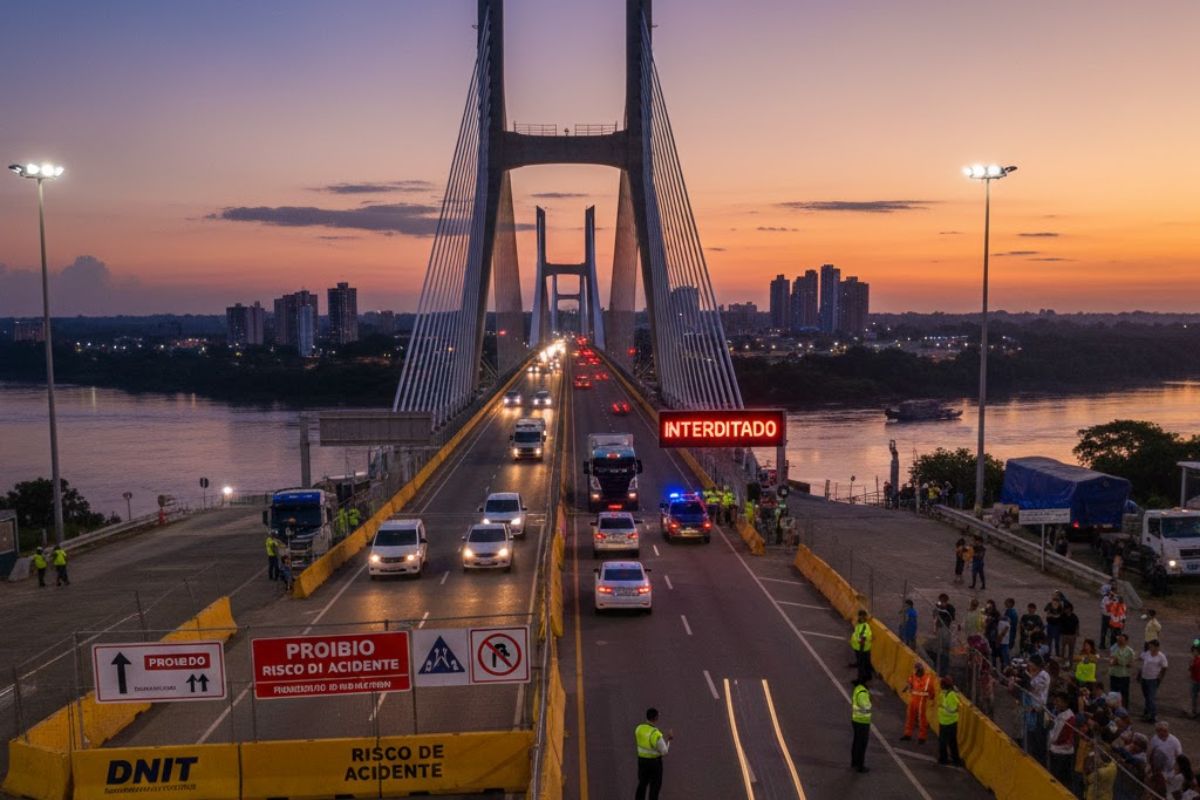


After Inspection on December 9, 2025, Dnit Notified PRF, Blocked the Eastern Perimeter and the New Brazil-Paraguay Bridge, Pointed Out Serious Signaling Failures, Warned of Accident Risks, and Stalled the Ceremony Scheduled by the Government of Paraná for Thursday the 11th at the Border.
On the night of Tuesday, December 9, 2025, the National Department of Transport Infrastructure formally notified the Federal Highway Police in Foz do Iguaçu about the impossibility of releasing traffic on the Eastern Perimeter Highway and on the International Integration Bridge, the new Brazil-Paraguay bridge located on BR 277. According to the document, the decision frustrates the plan of the government of Paraná to hold a ceremony this week to deliver the highway, the new bridge, and the Brazil-Paraguay customs.
The agency states that recent technical visits have proven that the work is not ready for reception, mainly due to serious inadequacies in horizontal signaling and the absence of complete implementation of vertical signaling. Without all the signaling completed and protection devices installed, Dnit believes that releasing traffic would increase the risk of accidents and could generate direct liability for the agency for any incidents.
Dnit Vetoes Release of the Eastern Perimeter and the New Brazil-Paraguay Bridge

In the letter sent to the head of the PRF Delegation, Dnit informs that it became aware of the intention of the government of Paraná to organize a ceremony to release traffic on the Eastern Perimeter and officially conclude the Integration Bridge and Brazil-Paraguay customs this week.
-
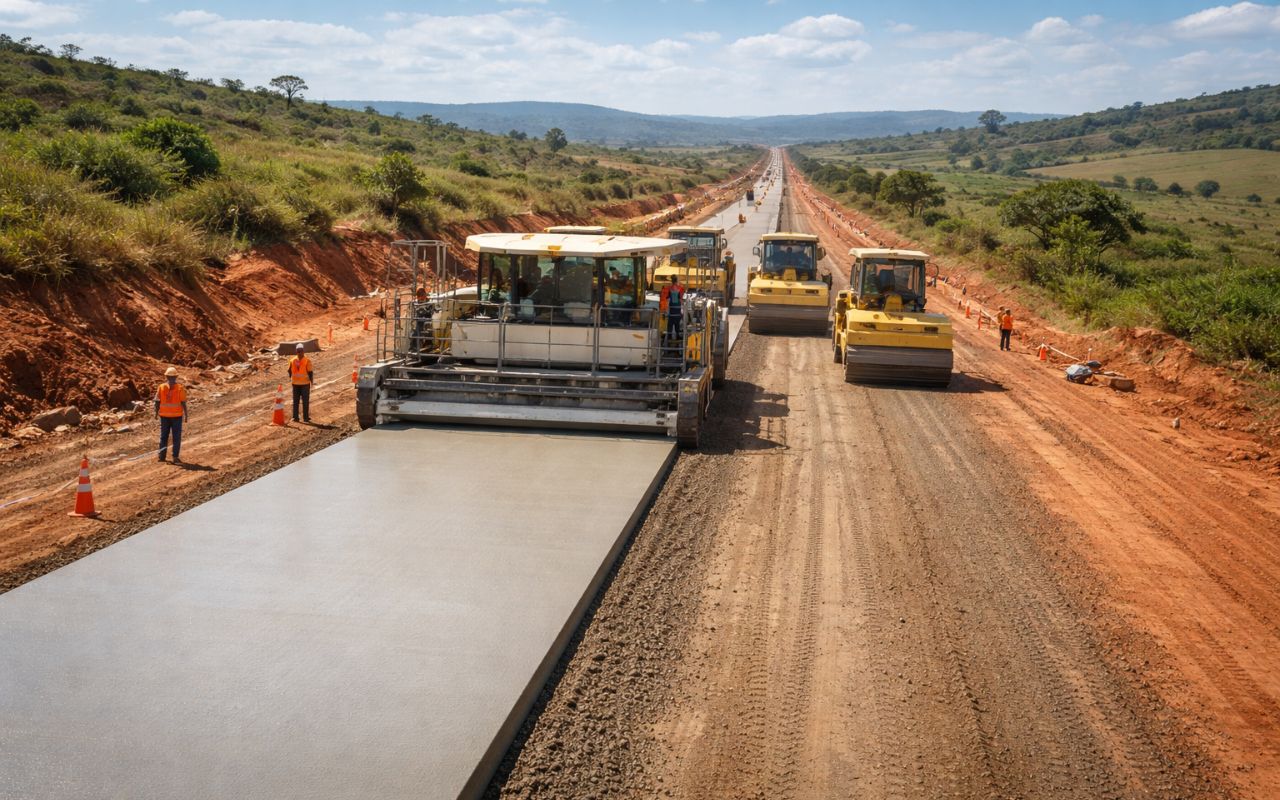
New CCR concrete paving technology promises roads up to 3x more durable, less maintenance, and cost reduction in Brazil.
-
Made from recycled plastic, plastic wood is gaining space in the construction industry because it does not rot, resists moisture, and reduces maintenance costs over the years.

-
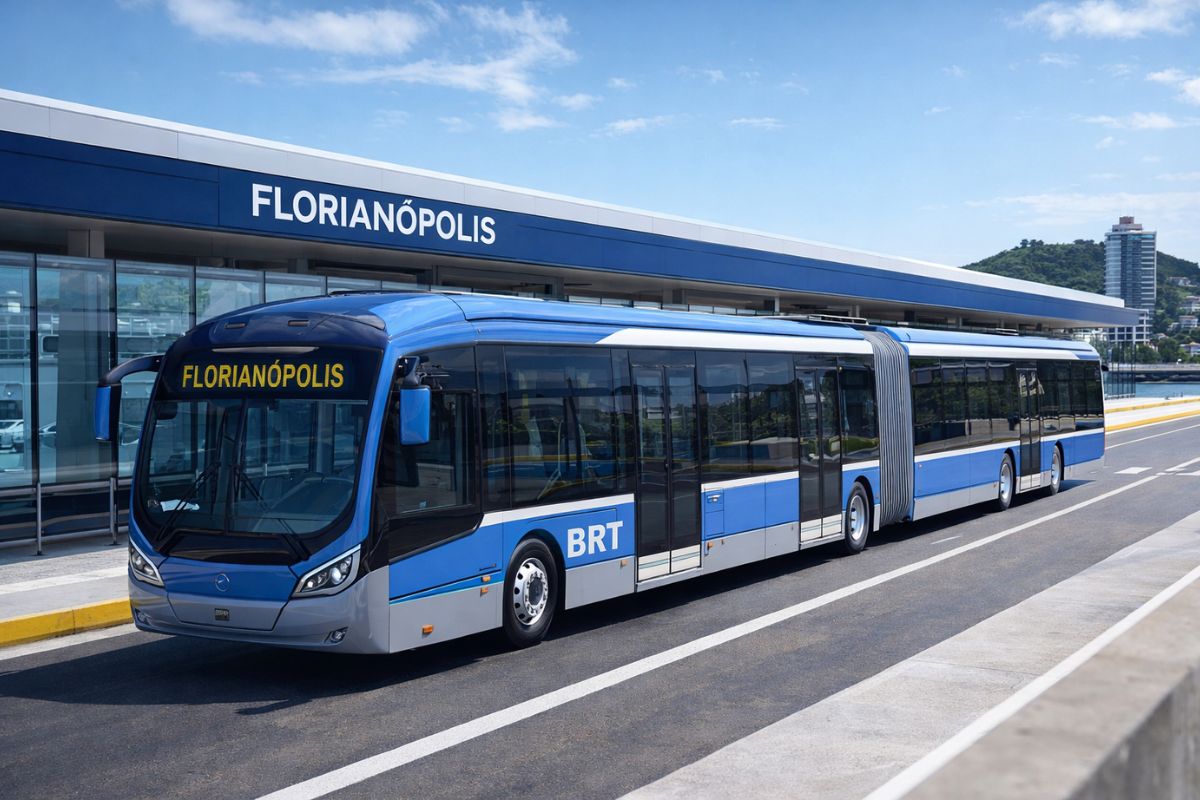
Florianópolis will receive a million-dollar BRT that will begin construction in 2026 with nearly 400 million in funding from the federal government and the Inter-American Development Bank, and the map already shows the routes for the exclusive bus corridors.
-
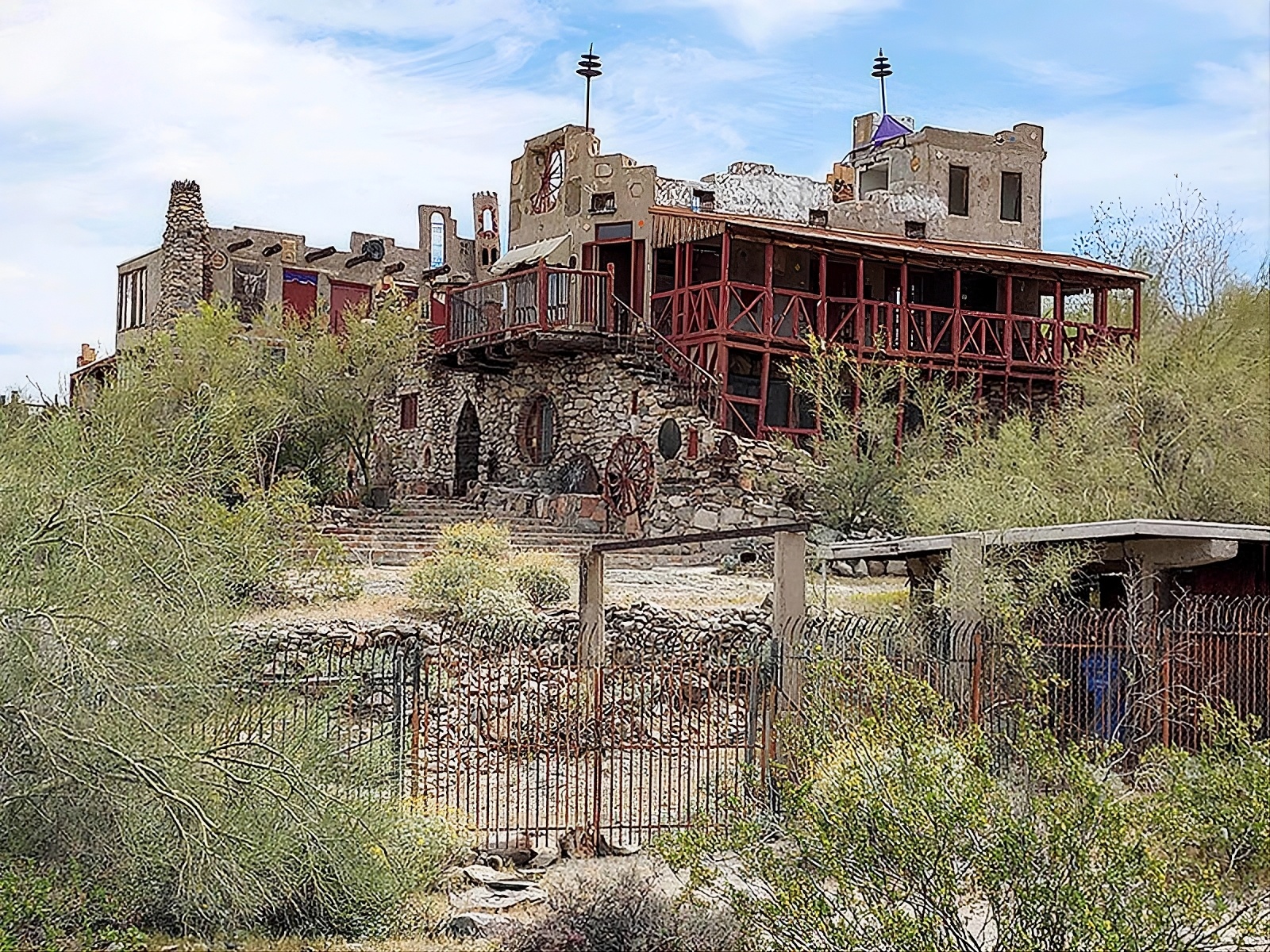
Without a blueprint, without an engineer, and using scrap from the dump, a father spends 15 years building an 18-room castle for his daughter, featuring tram tracks, 13 fireplaces, and over 700 m², which may now be demolished.

The federal agency, however, prevents the inauguration until all technical requirements are met.
The document reminds that the Eastern Perimeter is a segment of federal highway BR 277 and that the International Integration Bridge is also part of the National Road System, which reinforces the federal nature of the entire new road link.
In practice, Dnit makes it clear that the final decision on the opening of the new Brazil-Paraguay bridge does not rest solely with the state government but depends on the technical approval of the Union.
Incomplete Signaling and Risk of Accidents on BR 277
The inspections indicated that the work presents serious inadequacies in horizontal signaling, such as paint and markings on the pavement, and that vertical signaling, composed of informative, warning, and regulatory signs, has not yet been fully implemented.
These elements are classified by Dnit as indispensable for road safety and for the technical compliance of the project.
To ensure user safety before any release, the agency requests support from PRF for a joint inspection.
The aim is to verify if all requirements have been met, including correcting signaling failures and installing protection devices, such as guard rail metal barriers and New Jersey-type concrete barriers, especially in overpasses and critical turns.
Dnit notes in the letter that it will objectively respond for omissions that may cause incidents on the road, which reinforces the seriousness of the alert.
Legal Basis Reinforces Veto to Hasty Delivery of the Work
In the document, Dnit expressly cites Article 88 of the Brazilian Traffic Code, provided in Law 9,503 of 1997.
This provision prohibits the delivery or reopening of any paved road that is not properly signaled, both vertically and horizontally, in order to ensure adequate safety conditions.
By invoking Article 88, the agency seeks to prevent any attempts at the premature opening of the Eastern Perimeter and the new Brazil-Paraguay bridge without full compliance with traffic regulations.
The message is that pressure to inaugurate the work this week cannot outweigh the legal and technical requirements defined by the Brazilian Traffic Code.
Agreement with Paraná and Financing from Itaipu Binacional
The construction of the bridge and complementary works is the subject of Delegation Agreement number 211 of 2019, signed between Dnit and the government of Paraná, with Itaipu Binacional acting as the intervening and financing party.
It was the hydroelectric plant that financed the execution of the new international crossing and the Eastern Perimeter.
As such, the new Brazil-Paraguay bridge and the new access road form a federal road complex delegated to the state, but still subject to technical evaluation and formal acceptance by Dnit.
The letter is electronically signed by Marcel Luiz Escobedo, head of the Dnit Local Unit in Foz do Iguaçu, who assumes the institutional position of blocking the inauguration until all safety requirements are met.
Government of Paraná Challenges and Maintains Delivery Discourse
In a statement, the government of Paraná asserts that all signaling was executed according to the project previously approved by Dnit itself and that the delivery event scheduled for Thursday, the 11th, marks the effort of state teams to realize the work. According to the text, the new infrastructure will be fundamental for the future of the state and Brazil.
The state administration also states that the delivery date was communicated to the federal government and is recorded in the minutes, emphasizing that, with the completion of the contract, holding the inauguration event is a legal obligation of the state.
By insisting on the symbolic and economic importance of the new Brazil-Paraguay bridge, the government tries to maintain the political schedule for the delivery, even in the face of Dnit’s technical veto.
Next Steps Depend on Joint Inspection with PRF
With the request for support from PRF for a joint inspection, Dnit conditions any traffic release to the verification that all failures have been addressed.
The expectation is that only after reviewing horizontal signaling, completing vertical signaling, and installing all protection devices, can the Eastern Perimeter and the new Brazil-Paraguay bridge be officially received and opened to the public.
Until then, the impasse remains between the government of Paraná’s plan to inaugurate the work this week and Dnit’s position, which prioritizes full compliance with road safety regulations and the Traffic Code.
In light of the technical veto and the political pressure to inaugurate the work this week, do you believe Dnit is right to prevent the immediate opening of the new Brazil-Paraguay bridge?








É simples a questão: comprovar que os projetos de sinalizações horizontal e vertical foram executados de acordo com o projeto aprovado pelo DNIT. Se foi então o erro é do DNIT caso contrário corre atrás. O problema é se o DNIT “enxerga” agora “novas questões ” politicamente incorretas para empurrar a inauguração para 2026 !!!