





 Portuguese
  English
  Spanish
  4 min of reading
  0 comments


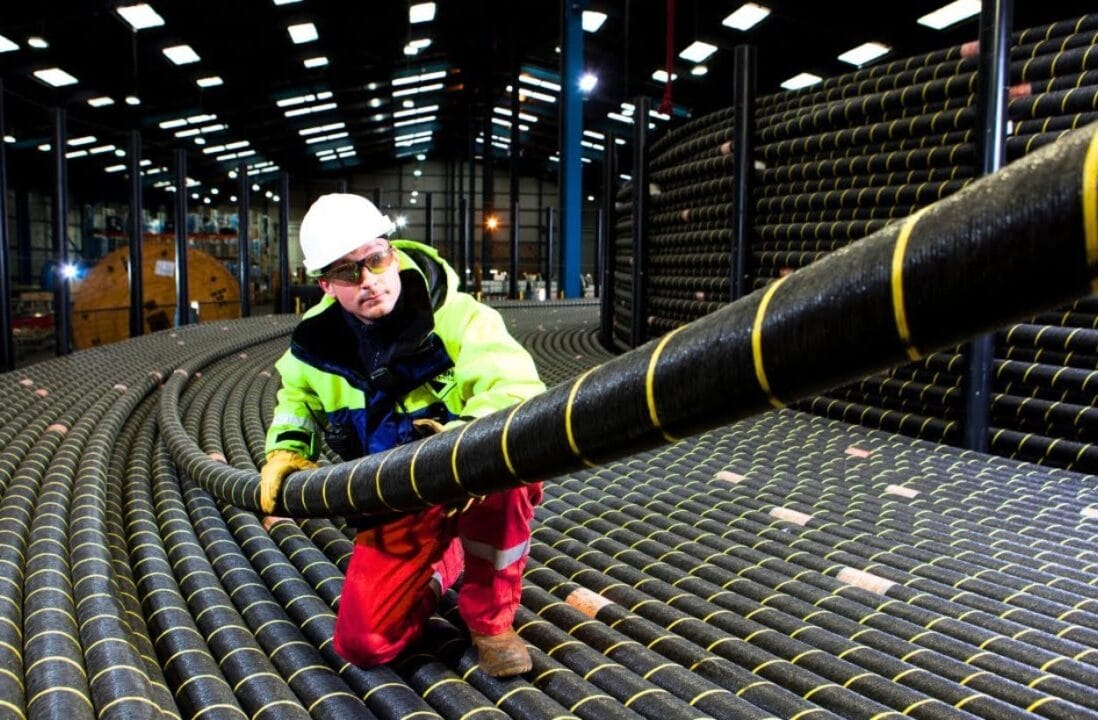
These Internet Submarine Cables, Extending Thousands of Kilometers Beneath the Waves, Not Only Define the Speed and Efficiency With Which We Browse Online, But Also Represent a Triumph of Modern Engineering. From the Land Surface to the Abyssal Depths, Optical Fiber Cables Light the Path of Information, Ensuring That Over 90% of Global Communication Flows Seamlessly.
In the vast blue of the oceans, there lies a vital network that serves as the backbone of our global connectivity. Submarine cables, incredibly complex and robust structures, carry over 90% of the data transmission between countries and continents. With the help of optical fiber, these cables ensure that the internet reaches our homes and devices, enabling everything from simple online searches to complex international financial transactions.
Submarine cables, true arteries of the global internet, are monumental engineering works hidden beneath the waves of the sea. With Google’s project, known as Firmina, standing out for its record length and ability to operate with a single power source, the global internet infrastructure is about to receive a significant boost. With 12 pairs of optical fibers, Firmina promises to reduce latency and increase the available bandwidth, potentially making the internet faster and more accessible.
In addition to their technical importance, submarine cables also reflect economic dynamism, with companies like Google, Facebook (now Meta), Microsoft, and Amazon investing heavily in these structures to ensure the efficiency of their services.
-
Historic bankruptcy of Centauro shocks the market, and the century-old company puts more than 500,000 products, machines, and complete infrastructure up for online auction.

-
New shoe factory in Ceará is expected to create 400 jobs and strengthen the local economy.

-
No one imagined it, but a mixture of sawdust with a mineral that fights fires surprises scientists with a result that changes the course of fire-resistant construction.

-
From empty land to a high-end house, wooden construction uses a lightweight system, metal structure for the foundation, ventilated ceramic cladding, and special windows to create an efficient and comfortable living space throughout the year.


How Submarine Cables Work


Submarine cables are composed of optical fibers, capable of transmitting data in the form of light pulses. This technology allows for extremely fast and reliable data transmission. Protected by several layers of insulating and durable material, these cables are designed to withstand the extreme conditions found at the ocean floor, including high pressure, varying temperatures, and risks of physical damage.
Challenges and Maintenance
Despite their durability, submarine cables are not immune to damage, whether from ship anchors, seismic activities, or even the curiosity of sharks. To ensure service continuity, specialized teams use cable-laying ships for repairs, which may include “fishing” damaged segments to the surface or performing repairs in situ by divers.
The technology of submarine cables continues to evolve, with projects like Firmina establishing new standards of efficiency and capacity. This constant innovation is crucial to meet the growing demand for data and connectivity in an increasingly digital world. While alternatives like satellites offer complementarity, submarine cables remain irreplaceable due to their high capacity, low latency, and superior reliability.
At the heart of our digital age, optical fiber submarine cables are essential for keeping the world connected. Through advancements like the Firmina cable, we expect not only a faster and more accessible internet but also a boost to the global digital economy. As we continue to rely on these underwater connections for nearly all facets of modern communication, the importance of submarine cables is only set to grow, solidifying their role as invisible pillars of our connected society.
How Many Submarine Cables Does Brazil Have?
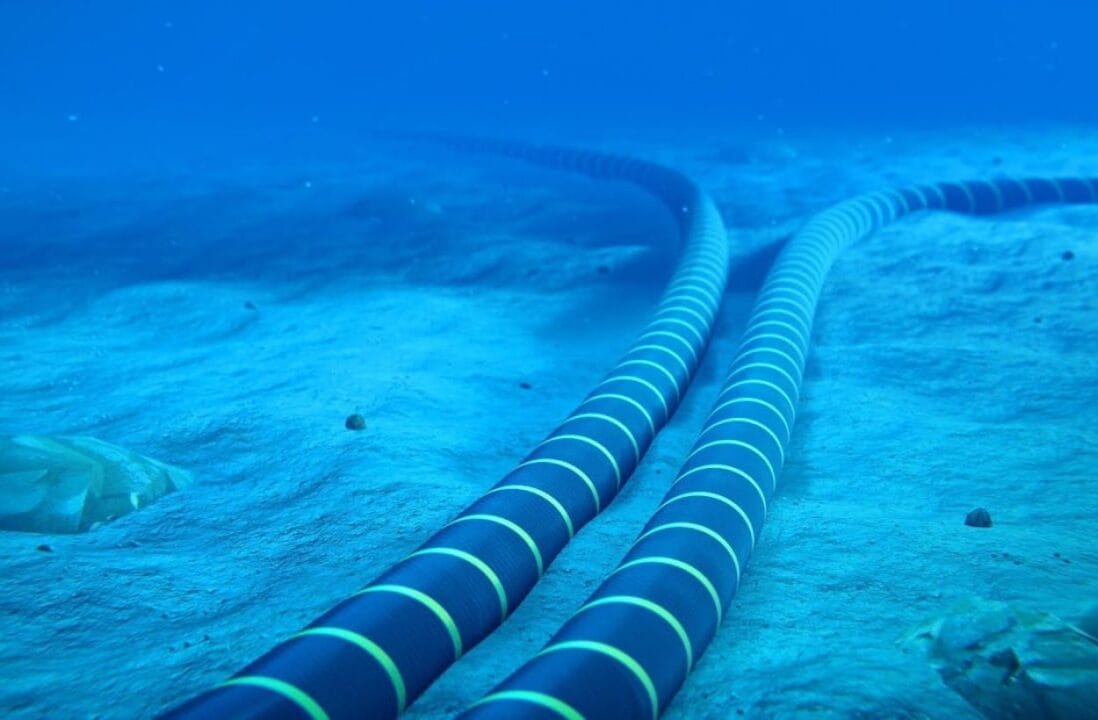
As we navigate the digital age, submarine cables emerge as essential pillars of our global interconnection. Incredibly, about 400 of these structures weave an invisible network beneath the seas, connecting continents and fueling the relentless exchange of data. In Brazil, a country with a significant coastal extension, these cables play an even more crucial role, serving as gateways for the flow of information.
But how many submarine cables does Brazil have? The country stands out on the global connectivity map with three major submarine cable hubs, with Praia do Futuro being one of the most significant. This strategic hub houses 17 submarine cables, a concentration reflecting its advantageous geographical position, close to Europe, Africa, and the rest of the Americas. These cables serve as vital veins for data transmission, linking Brazil to the broader digital world.
These robust structures, with a diameter comparable to the palm of a hand, reside at depths that can reach up to 1000 meters beneath the ocean surface. Protected by metal conduits, the cables are designed to withstand threats such as ship anchors, fishing nets, and, believe it or not, even shark attacks. This shielding ensures their integrity against the dangers lurking in the ocean depths.
Why The Seabed?
The choice of the ocean floor as a home for these structures is not arbitrary. Submarine cables, unlike alternatives like Wi-Fi or satellites, including Starlink, offer unparalleled capacity for data transmission. Responsible for over 90% of global data traffic, they are preferred for their efficiency, reliability, and, crucially, their ability to support the massive volume of communication that defines our era.









Seja o primeiro a reagir!