





 Portuguese
  English
  Spanish
  3 min of reading
  0 comments


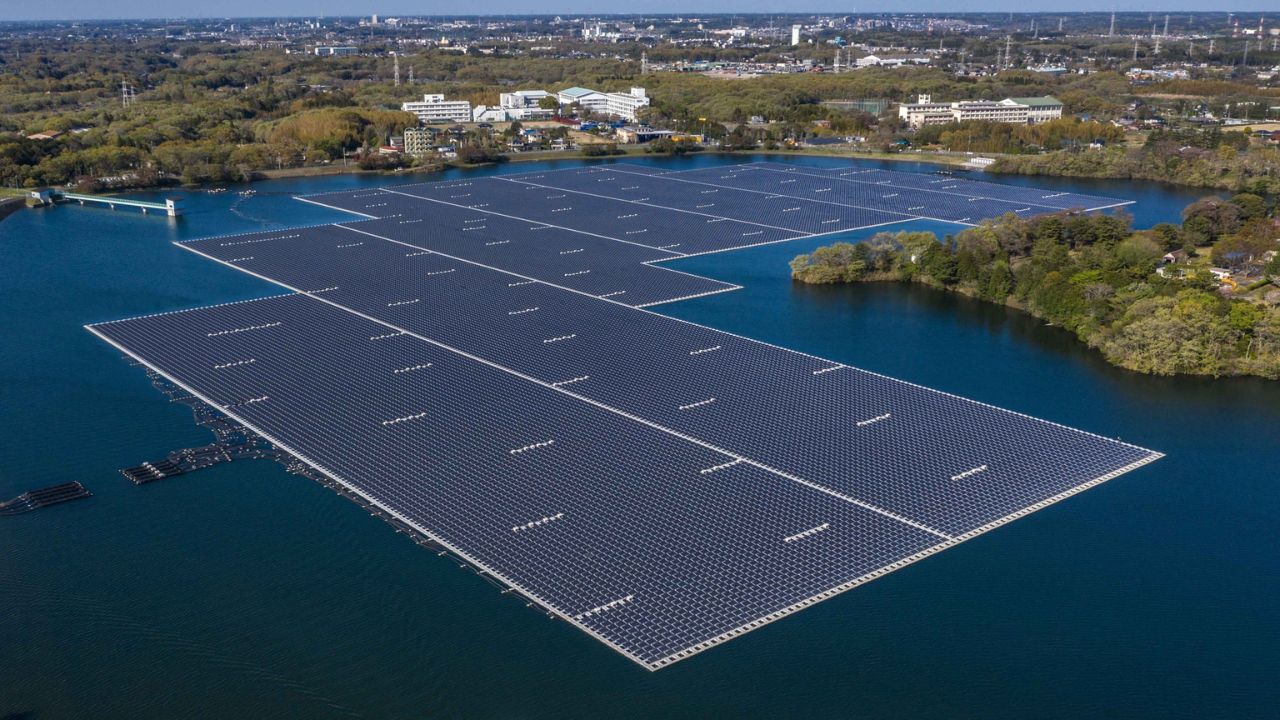
With Billions in Investments, Giant Solar Projects, and Saudi Arabia’s Vision 2030 Plan, the Persian Gulf Accelerates Its Transition to Solar Energy – and Could Dominate the Global Market by 2050.
For decades, when it came to energy in the Persian Gulf, the answer was always the same: oil. And it’s no wonder, right? The region has become synonymous with wealth thanks to black gold, fueling the entire world. But, as with everything in life, things change, and now it’s solar energy’s turn.
Now, instead of oil, the new bet is on solar panels. With scorching sun almost year-round and a billion-dollar treasury to invest, countries like the United Arab Emirates, Saudi Arabia, and Kuwait are racing against time to dominate the solar energy game. The question remains: can they swap barrels for sun and maintain their influence in the global energy sector? Well, all signs point to yes!
Billion-Dollar Investments and Ambitious Projects
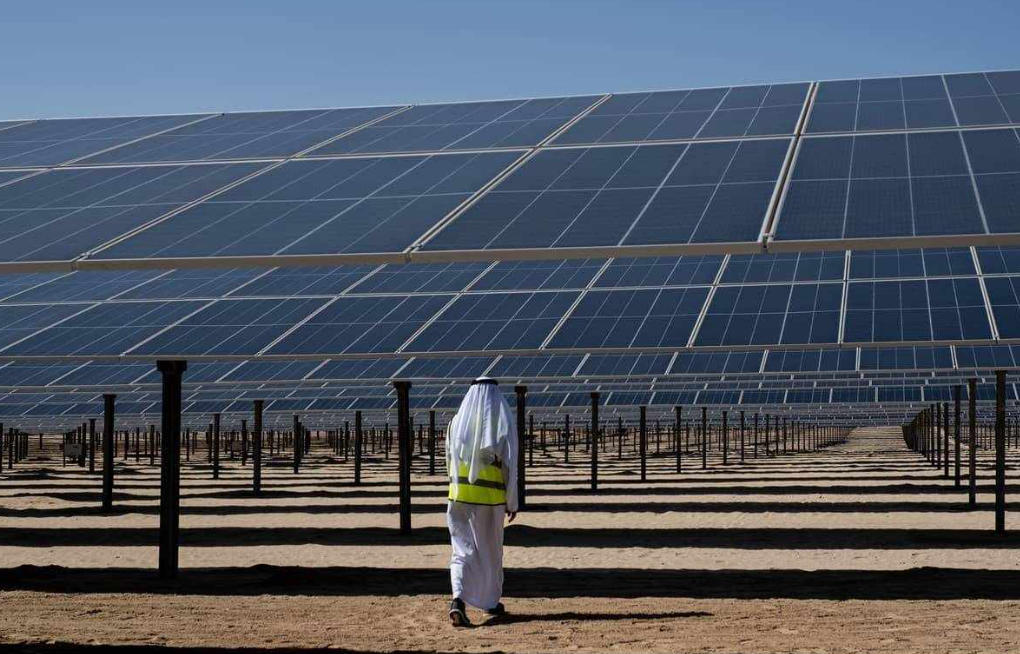
If there’s one thing the Persian Gulf knows how to do, it’s go big when it decides to enter a market. And with solar energy, it’s no different.
-
Renewable energy advances over protected areas in Brazil, and a survey by the Energy Transition Observatory reveals silent impacts that challenge environmental conservation and pressure sensitive traditional territories.

-
Rio Grande do Sul accelerates energy transition: State invests in renewable technologies and consolidates decarbonization strategies and pathways to attract billions in new industrial investments.

-
With 160,000 m² of collectors, an area larger than 20 football fields, Silkeborg, in Denmark, hosts a solar thermal plant that heats 19,500 homes and could become the largest solar heating plant in the world.

-
A study reveals the expansion of renewable energy procurement in Brazil and shows how companies are taking advantage of opportunities to reduce expenses, ensure energy efficiency, and strengthen strategic environmental commitments.

The United Arab Emirates, for example, has already announced a 5.2 GW solar project that includes an advanced battery storage system. It’s a massive bet that places the country among the big names in renewable energy.
Saudi Arabia, which has always dominated the oil game, has decided to diversify. The Vision 2030 plan not only envisions a future less dependent on oil but is also driving the construction of massive solar parks and even nuclear energy projects. As if that weren’t enough, Saudi Aramco – the world’s largest oil company – has already announced that starting in 2027, it will begin producing lithium, one of the most sought-after metals for long-lasting batteries.
And it doesn’t stop there. Kuwait, which has always been discreet in the energy sector, has decided to fully enter the market. Two years ago, it launched a 17 GW renewable energy plan and an even more ambitious goal: to lead green hydrogen production for export. In other words, they are playing to win!
The Numbers Don’t Lie: Solar Energy Is Growing Fast
If a few years ago solar energy in the Persian Gulf was practically insignificant, today the story is quite different. According to the International Renewable Energy Agency, the region now has less than 1% of the world’s renewable energy capacity. Sounds small? Yes, but that’s going to change – and fast.
The consulting firm Rystad Energy has done the math and revealed that in five years, over 30% of the total energy capacity in the region will come from renewable sources. And there’s a reason for this: excess sun and increasingly lower installation costs.
To make it even clearer, just look at the graphs: oil and gas, which have always been the backbone of the local economy, are beginning to lose ground. Meanwhile, solar energy is growing without brakes and is expected to become the primary energy source in the region in the coming decades.
China: Ally or Competitor?
You can’t talk about renewable energy without mentioning China. The country already dominates the global solar panel and battery market and, of course, isn’t going to miss the chance to do business with the billionaires of the Gulf.
Companies like Jinko Solar, LONGi, and BYD are providing the necessary technology to transform the desert into a giant solar farm. But at the same time, China is heavily investing in its own renewable energy projects and could end up becoming a direct competitor in the future.
The scenario is curious: on one side, Gulf countries need Chinese technology to boost their projects. On the other, China is gaining more and more power in the global market and could soon compete directly with the Arabs. Who will come out on top? It’s still too early to tell.









-

Uma pessoa reagiu a isso.