





 Portuguese
  English
  Spanish
  3 min of reading
  3 comments


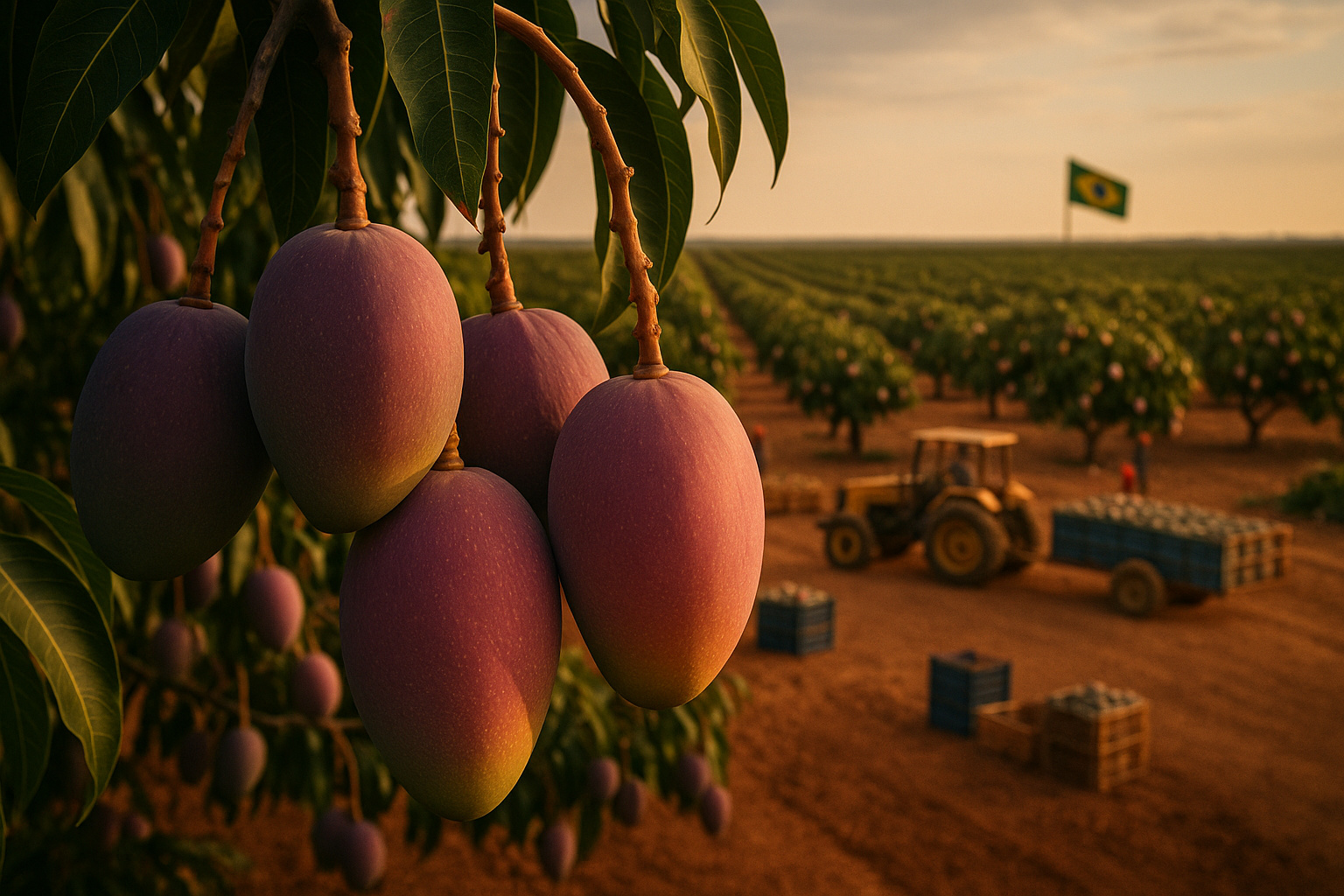


The Largest Mango Farm in Brazil Is Located in the São Francisco Valley and Belongs to Agrodan, a Group with Eight Units That Produce About 32 Thousand Tons Per Year, Representing 20% of Brazilian Exports of the Fruit to Europe.
The Largest Mango Producer and Exporter Complex in Brazil is situated in the northeastern semi-arid region, more precisely between the municipalities of Belém de São Francisco (PE), Yabaré, and Curaçá (BA). Agrodan, the company managing the operation, accounts for about 16% of global exports and stands out for its efficiency in water use and technological innovation.
The trajectory of Agrodan began in 1987 when the Dantas family started planting grapes and bananas on an irrigated area of 400 hectares. However, it was the mango that became the protagonist of the production. In just four years, in 1991, the company began exporting and paid off its initial debt three years ahead of schedule.
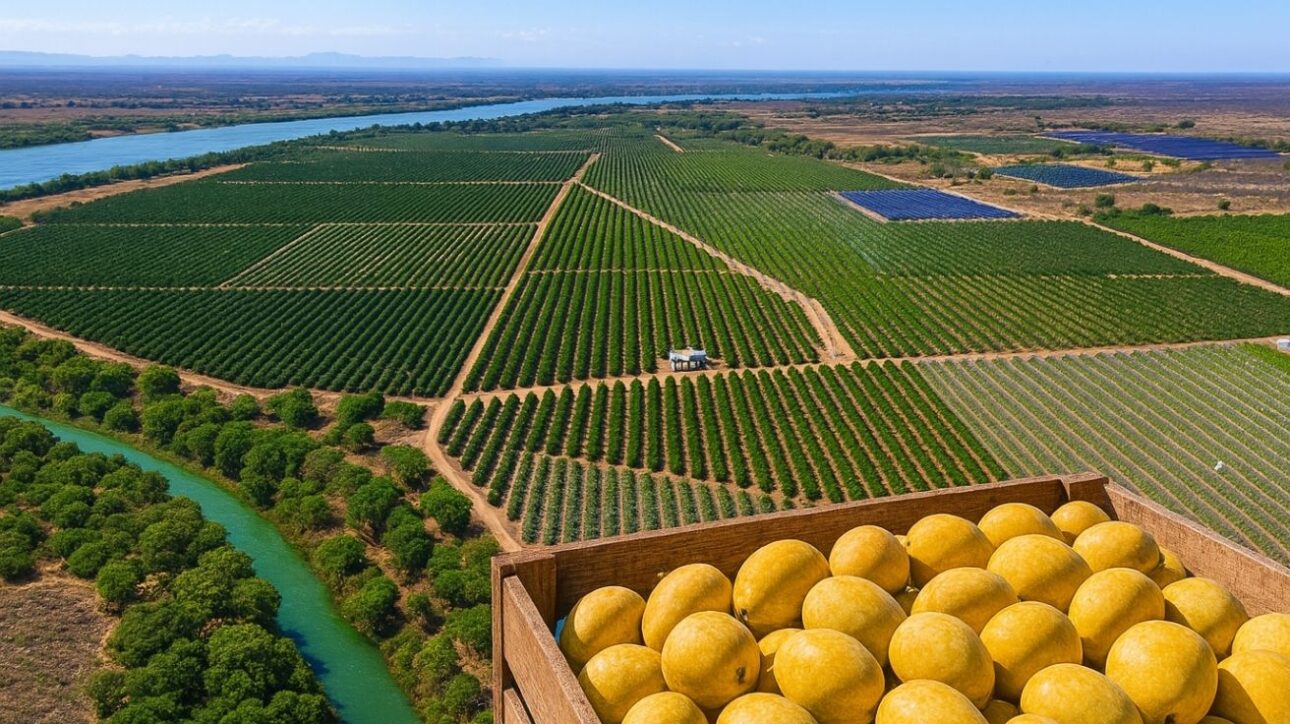
Irrigation Technology and Fiberless Variety Accelerated Expansion
According to the Dori do Agro channel, the significant turnaround came with the introduction of the Kent variety, a fiberless mango, ideal for fresh consumption and meeting the high standards of international markets. With favorable weather and low rainfall, the drip irrigation system enabled by the São Francisco River became the backbone of the company’s rapid growth.
-
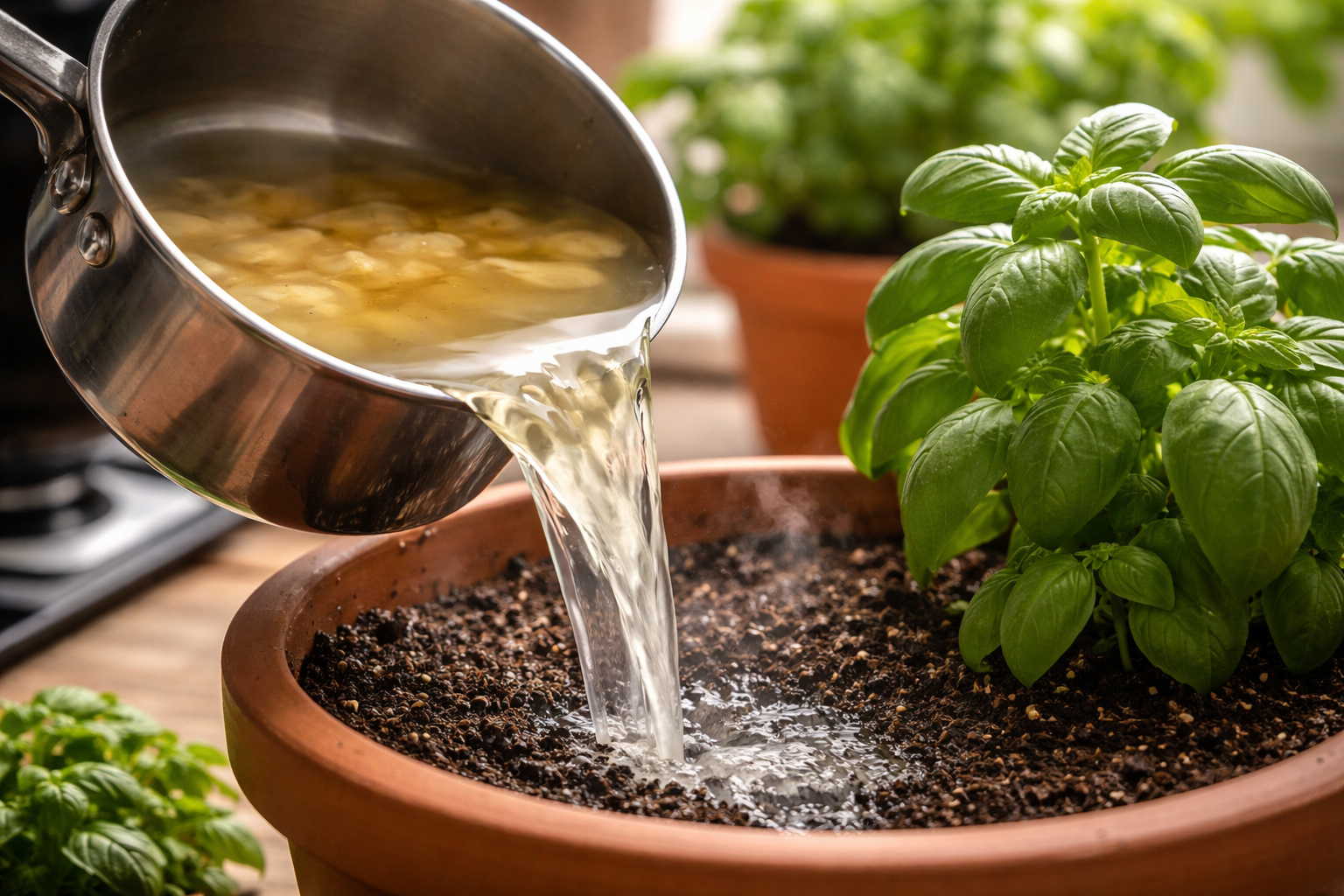
The water that almost everyone throws away after cooking potatoes carries nutrients released during the preparation and can be reused to help in the development of plants when used correctly at the base of gardens and pots, at no additional cost and without changing the routine.
-
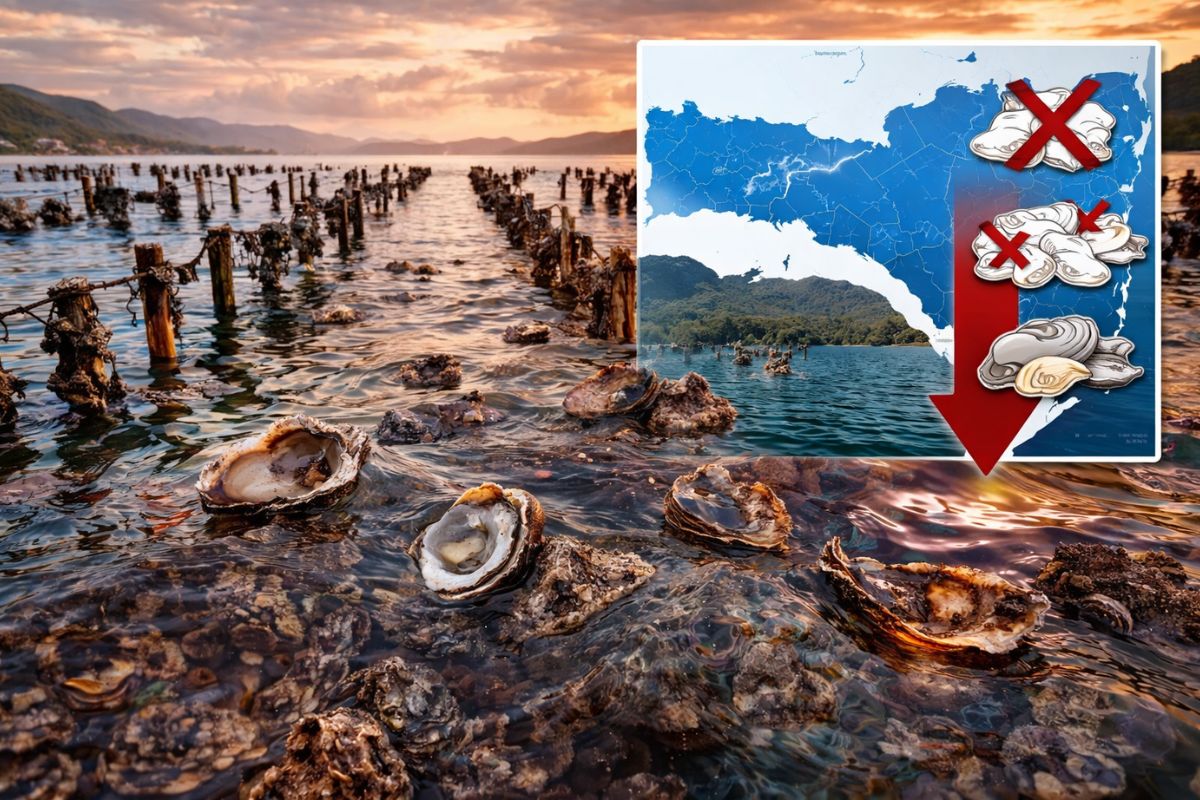
The sea water temperature rose from 28 to 34 degrees in Santa Catarina and killed up to 90% of the oysters: producers who planted over 1 million seeds lost practically everything and say that if it happens again, production is doomed to end.
-
An Indian tree that grows in the Brazilian Northeast produces an oil capable of acting against more than 200 species of pests and interrupting the insect cycle, gaining ground as a natural alternative in soybean, cotton, and vegetable crops.
-
The rise in oil prices in the Middle East is already affecting Brazilian sugar: mills in the Central-South are seeing their margins shrink just as ethanol gains strength.


The system allows water and nutrients to be delivered directly to the roots of the plants, reducing waste and increasing efficiency. The result was an increase of up to 20% in productivity after the method was adopted. Today, Agrodan cultivates mango trees on over 1,300 hectares and harvests 32 million kilos of mangoes per year.
After harvesting, the fruits go through the company’s packing house, considered the most modern in Brazil. The processing center performs three washes, a final rinse, and a rigorous sorting with cameras and sensors, which take 40 pictures of each mango to classify weight, color, and defects.
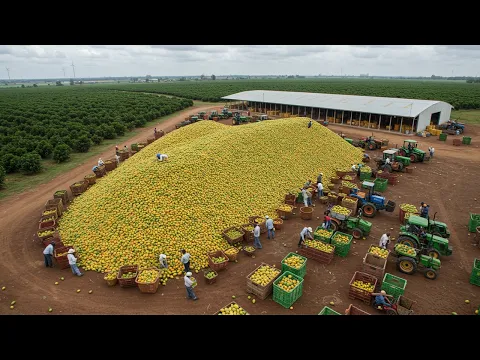

Technology Center Assures Quality and High Standard for Export
This high-tech process ensures the delivery of a product of the highest quality, a characteristic that has consolidated Agrodan as a national reference. In addition, the company employs 1,300 people in various stages of the production chain, from planting to packaging and transportation of the fruit.
The social impact is also significant. In 2017, the Professora Olinda Roriz Dantas School was inaugurated, an initiative by the company focused on the education of children in the region. In terms of environmental impact, Agrodan preserves 687 hectares of native forests and created a nursery with a capacity for 30,000 seedlings of local species for reforestation.
In 2022, more than 8,000 hectares were reforested, with species chosen for their ecological importance to the soil, springs, and native fauna. The use of solar energy has also been implemented at the farm, in health units and in employees’ villages.
By combining large-scale production, social responsibility, and sustainable practices, Agrodan represents a model of modern and resilient agriculture in the northeastern semi-arid region. The mango, once viewed merely as a popular tropical fruit, has become a highly valued export asset in the global market.
And you, did you already know Agrodan and its importance for mango exports in Brazil? Do you believe that the company’s model can inspire other regions of the country to unite technology and sustainability in agriculture?






Soy de Bolivia me gustaria conocer sus planataciones de mango, estoy interesado en empezar a ptoducir mango en Bolivia
Gostaria de saber como faço pra fazer parte do quadro de funcionários dessa renomada empresa moro em São Paulo mas pretendo ir embora pra Petrolina
Sensacional