Portuguese
  Spanish


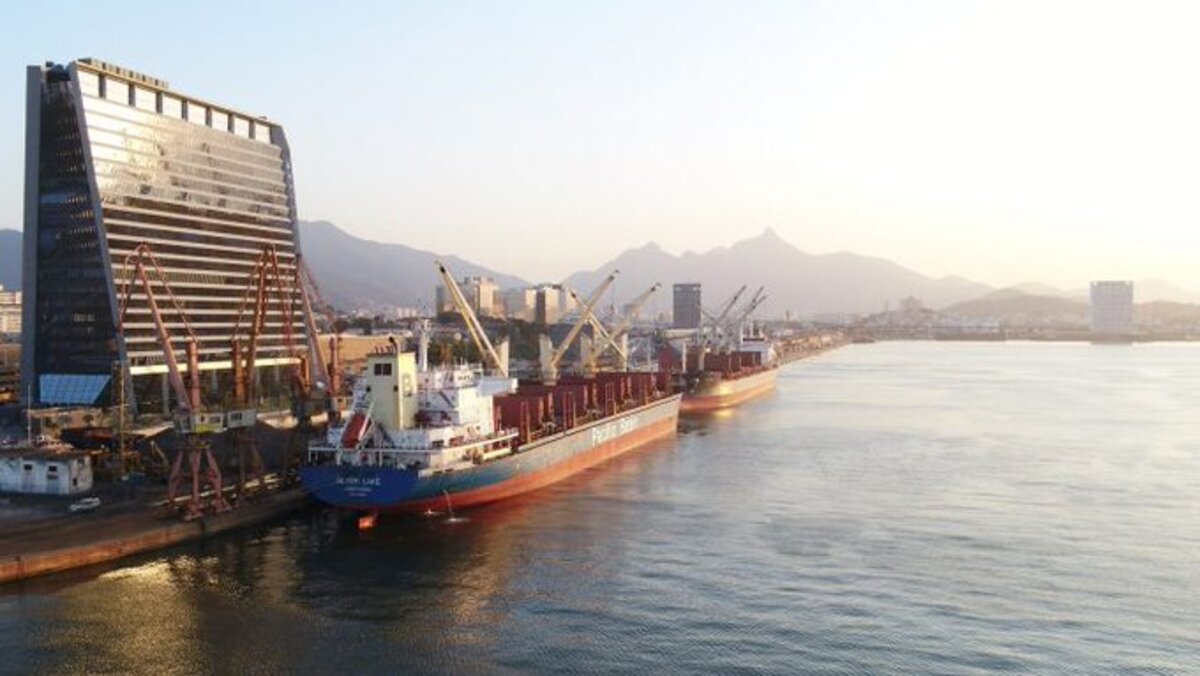

The New Logistics Technology Platform for Cargo Transport Already Has Over 3,700 Registered Companies by Docas do Rio de Janeiro, Ensuring Greater Efficiency in Operations at the Port of Rio de Janeiro
Last Monday, (05/02), the Docas do Rio de Janeiro Company (CDRJ) continued the implementation of the new logistics technology at the Port of Rio de Janeiro, located in the capital of Rio. In addition, the platform already has over 3,700 registered companies to facilitate the cargo transport process and make operations even more agile, fast, and productive for both parties.
Após um ano de implantação do Sistema de Gerenciamento de Acesso Docas (SGAD), no Porto do Rio de Janeiro, a #CDRJ, empresas arrendatárias dos terminais e os usuários do porto avaliam os impactos do controle informatizado do acesso terrestre. Saiba + https://t.co/osNtfovRBL pic.twitter.com/wOUqpDElN1
— PortosRio (@portosrio) April 29, 2022
ARTICLE CONTINUES BELOWSee also
France Revamps 530 Social Housing Units with Large Balconies and Glass Facades Without Demolishing Existing Buildings

10-Year-Old Max Makes History with Paris Fashion Show, Launches Own Brand, Hires Staff, and Sets World Record as Youngest Runway Designer

Bolivian Female Construction Workers Form Association to Combat Discrimination and 38% Pay Gap in the Industry
Near Amsterdam, residents buy land and discover they must also build streets, manage drainage, handle waste, and grow food on half their plot.




Cargo Transport Permission Technology at the Port of Rio de Janeiro Made Logistics Operations Even More Practical for Companies Operating at the Location
With new solutions and alternatives implemented throughout 2022, the access management system to the Port of Rio de Janeiro celebrates one year this week. Thus, the Docas do Rio continues its efforts to bring even more technology to the port’s logistics and make communication with companies more agile and efficient in all aspects of operations.
As a result, the Port of Rio de Janeiro now features automation of the permission process and the flow of trucks, gaining efficiency for all parties involved in the logistics chain. One of the main issues presented by companies to Docas do Rio was the difficulty in the cargo transport flow at the location due to the high volume of vehicles. Now, with the new automation technology of the entry permission processes, companies have much more autonomy and control to make these operations more efficient and faster.
Another problem addressed with the new logistics technology is that any cargo vehicle could access the port, provided it was registered and the driver had the permission, even without operational justification. However, now companies must schedule in advance, which can be done remotely, and must provide a valid operational reason for entering the port. With this, the cargo transport logistics chain has become much clearer and more efficient for Docas do Rio, which manages the Port of Rio de Janeiro.
More Than 3,700 Companies Are Registered on the Port Platform, Where They Benefit from Logistics Technology in the Complex
After more than a year of implementing new solutions within the cargo transport logistics technology at the Port of Rio de Janeiro, Docas do Rio has managed to reach a new level in management. Now, a total of 3,769 companies are registered on the platform, and the expectation is that this number will continue to grow throughout 2022.
Also, considering transport companies, customs brokers, shipping agencies, port operators, and service providers, the system accounts for over 33,000 people and more than 37,000 registered vehicles. With this, the superintendent of the Port Authority, José Tadeu Diniz, highlights that “since June 2020, when system tests began, credentialing guards have already registered more than 219,000 analyses of documents necessary for issuing the permit. At the time of in-person delivery of paper documentation, the analysis response took up to 10 days. In April of this year, the average response time to the requester was 7 hours and 25 minutes.”
This new technology adopted by Docas do Rio has made the logistics chain of the Port of Rio de Janeiro much more productive, and the complex can now ensure highly efficient operational control for the companies collaborating with the complex.