





 Português
  Inglês
  Espanhol
  3 min de leitura
  0 comentários


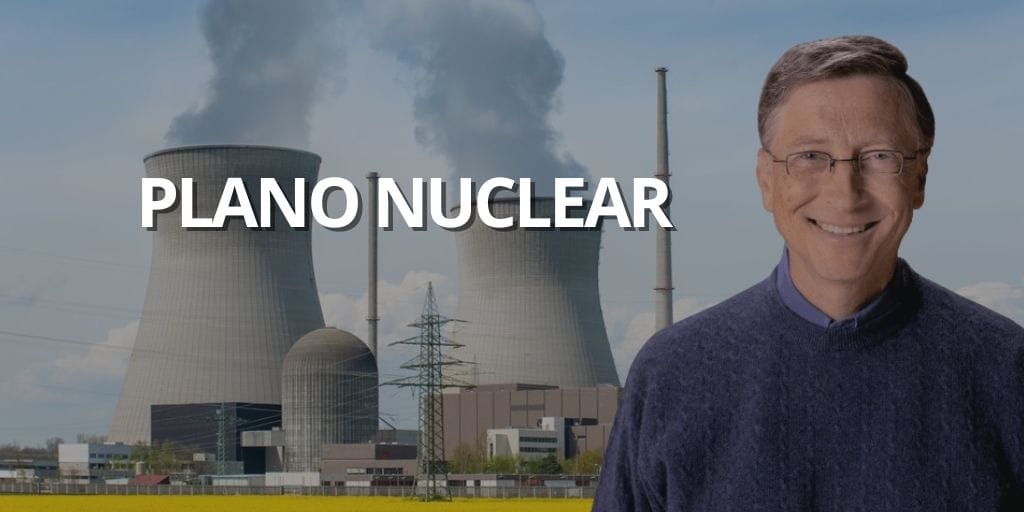
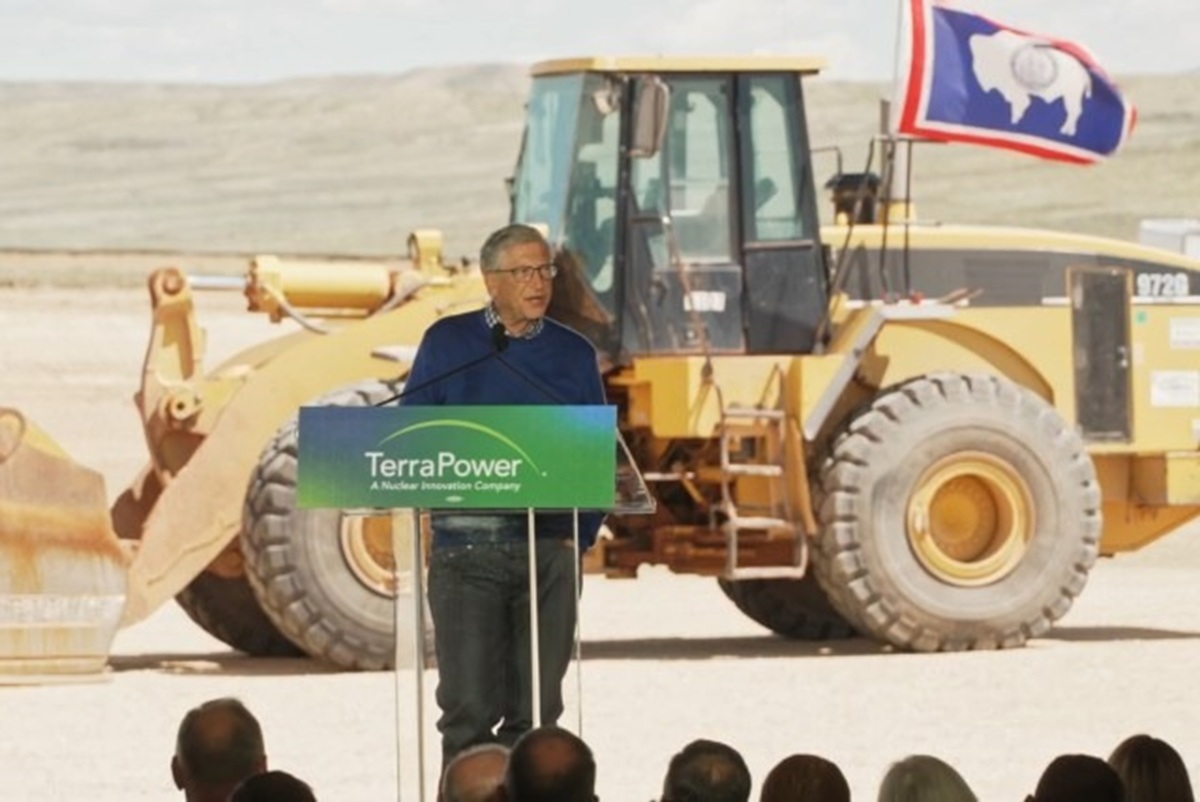
The Billionaire Bill Gates, Owner of Microsoft, Was in Kemmerer, United States, Last Week, with the Goal of Inaugurating the Natrium Nuclear Power Plant, an Innovative Project Aiming to Produce Electricity Without Carbon Dioxide Emissions, One of the Main Gases Responsible for the Greenhouse Effect and Global Warming.
TerraPower, the company of which Bill Gates is president, is responsible for the venture, and although workers are already preparing the site, the project is still awaiting approval from the Nuclear Regulatory Commission.
According to information, experts warn that the raw material used in the plant may pose a risk of proliferation of nuclear weapons.
Details of the Nuclear Plan
The Natrium plant was designed to keep key components, such as steam turbines and the battery, physically separated from the reactor.
-
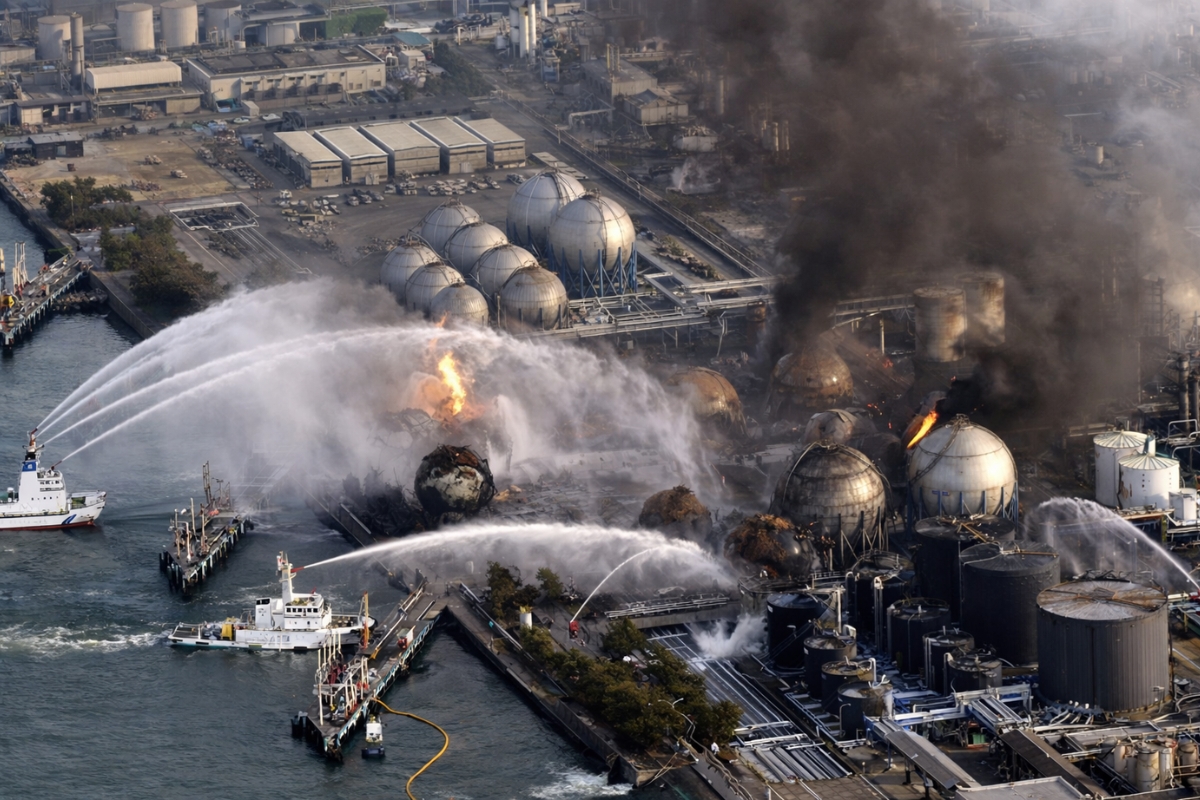
Fukushima Marks A Turning Point In Japan’s Energy Policy: After The Disaster, The Country Shut Down Its 54 Nuclear Reactors And, 15 Years Later, Only A Small Portion Have Returned To Operation
-
How Japan Overcame The Nuclear Bomb And Now Houses Millions In Hiroshima, While Ukraine Lost Chernobyl?

-
Bill Gates Receives Historic Approval to Build Giant 345 MW Nuclear Plant in the U.S. and Promises to Generate Up to 500 MW of Energy with Innovative Technology
-
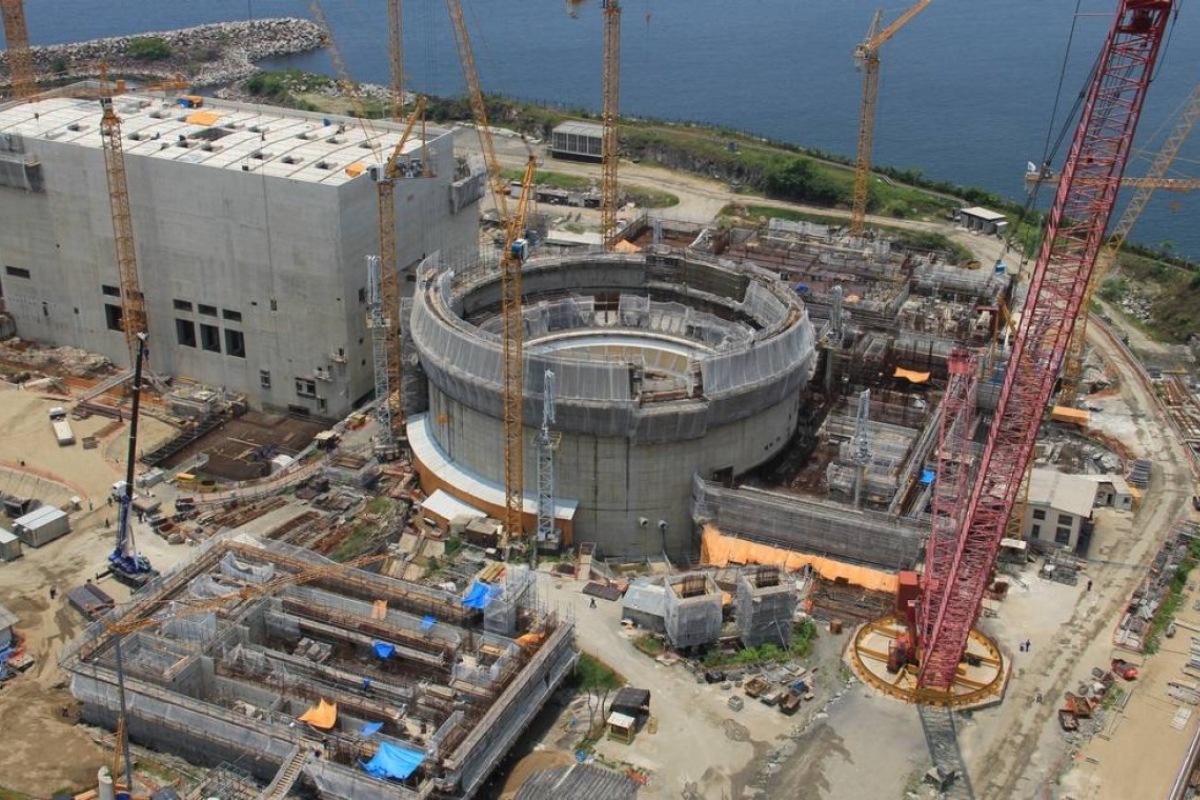
India Opens Nuclear Energy to Private Capital to Accelerate Projects and Attract Billions, While Brazil Remains Stalled at Angra 3 and Discusses Who Will Foot the Bill for Completion

According to TerraPower, assembling these parts does not require regulatory approval, allowing construction to begin – however, complete project approval may take more than two years.
TerraPower has received funding from the U.S. Department of Energy and expects to complete the plant’s construction by 2030.
The reactor will use Haleu, a type of enriched uranium that can reduce the costs of building the nuclear reactor.
In addition, the reactor will feature a molten salt battery, allowing for power control as needed and contributing to energy savings.
In 2022, the company estimated that the Kemmerer reactor would cost US$ 4 billion. However, according to The New York Times, costs may be even higher.
Bill Gates has invested over US$ 1 billion of his fortune in TerraPower, which plans to create small reactors to supply various cities that are currently dependent on coal.
Do You Know What Haleu Is?
Haleu is an acronym for classifying high-assay low-enriched uranium. The material is enriched up to 20%, compared to the approximately 5% used in most reactors.
Uranium, found in nature, needs to undergo an enrichment process to become nuclear fuel, increasing the concentration of the uranium-235 isotope.
Until recently, Haleu was commercially produced only in Russia. However, the U.S. has begun investing to create its own supply chain.
Evidence of this is that the country’s president, Joe Biden, allocated 700 million dollars, through the Inflation Reduction Act, for the Haleu availability program, aiming to supply new modular reactors.
The Risks and Safety
In an interview with The New York Times, a spokesman for TerraPower stated that the use of Haleu makes energy production more efficient and reduces the volume of nuclear waste.
According to him, the company is committed to minimizing proliferation risks. However, a study published in the journal Science warned about the dangers of using uranium, which could be used in nuclear weapons without further enrichment.
In this regard, also speaking to the cited newspaper, Scott Kemp, a professor at MIT and former scientific advisor to the U.S. Department of State, stated that new reactors represent an unprecedented risk to nuclear safety.
How a Nuclear Reactor Works
Nuclear energy is generated when a radioactive fuel undergoes fission inside a reactor, splitting the atomic nucleus and generating heat.
In traditional reactors, the water surrounding the fuel helps convert the heat into steam, which drives the turbines to generate electricity.
The TerraPower design uses liquid chloride, where the uranium fuel and coolant are in the same molten salt.
The fission directly heats the salts, which flow through the reactor core and pass through heat exchangers to generate electricity.
The plant’s prototype can produce up to 1,100 megawatts, enough energy to supply 825,000 homes, according to the California Energy Commission.
However, the non-profit organization Union of Concerned Scientists (UCS) warns that new reactor technologies may be less safe and more prone to serious accidents and nuclear proliferation, as stated by Edwin Lyman, UCS director.
In this sense, it is noteworthy that the Natrium plant represents an important step in the pursuit of clean energy. However, it faces significant challenges in terms of safety and regulation.









Seja o primeiro a reagir!