





 Portuguese
  English
  Spanish
  3 min of reading


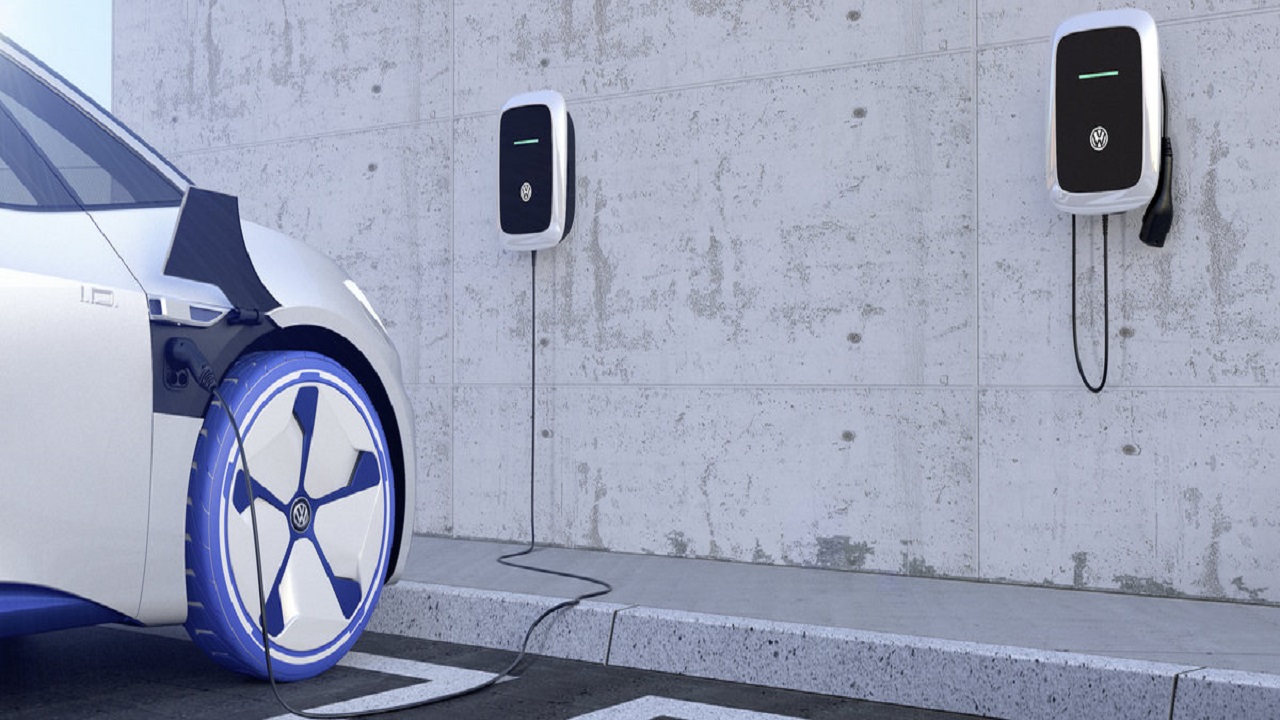
Executives from Automakers Around the World Are Not Confident in the Electric Car Market Due to High Prices and Interest Rates.
Top executives from automakers around the world fear that the electric car market may not be as well accepted by consumers as anticipated. Not that the technology is bad, quite the opposite, but due to the ongoing supply chain issues and rising inflation.
Automaker Owners Are Concerned About High Interest Rates
The survey was conducted by CNBC and involved 915 executives from the international consulting and accounting firm (KPMG), where it was found that 76% of respondents are concerned about the economy and rising interest rates, and how they may impact the electric car market next year.
The number is even higher when the survey is focused on the United States, with a percentage of 84%. The pessimism is tied to the use of fully electric cars both in and out of the U.S. by the end of the decade.
-
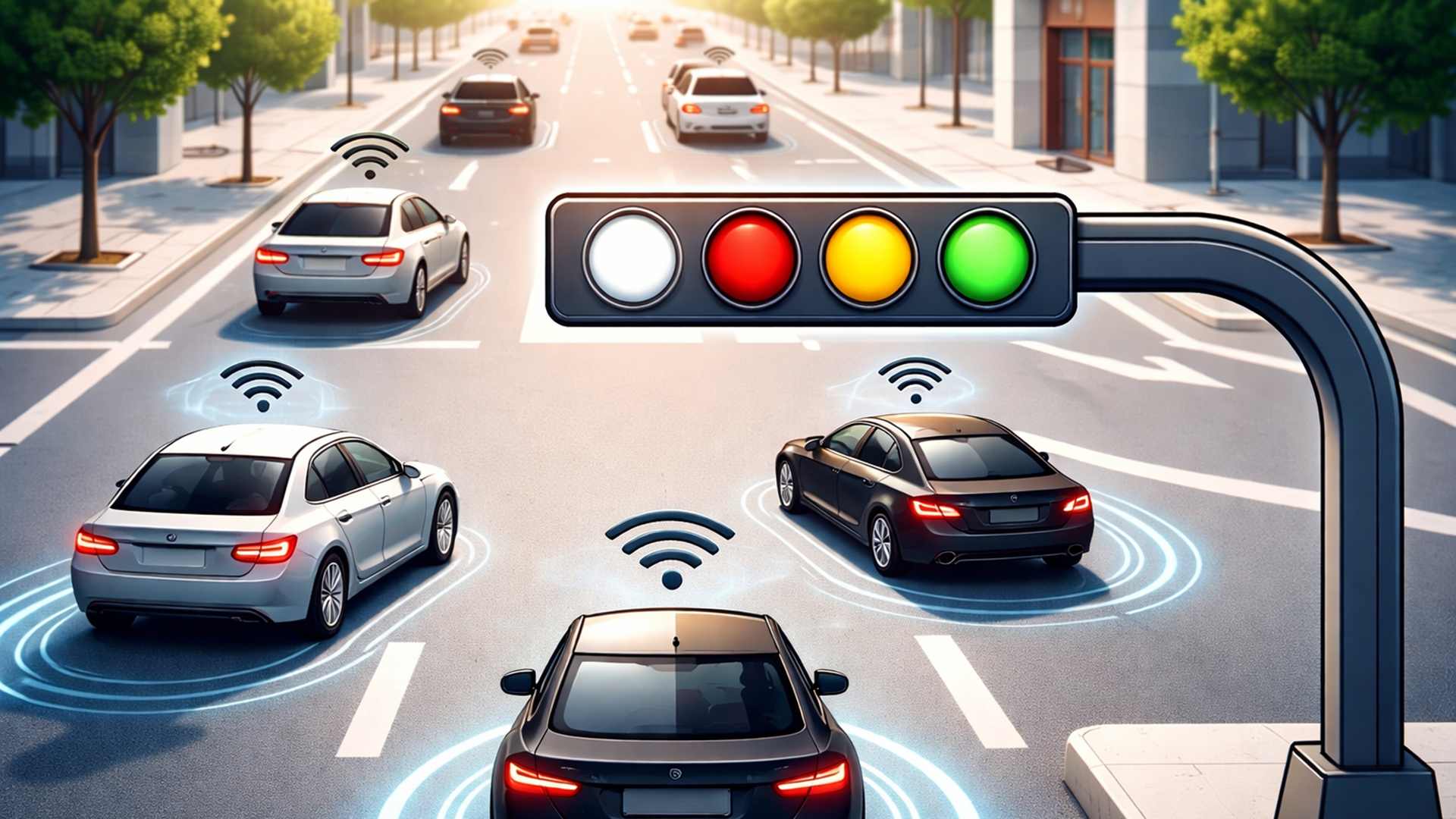
Engineers propose a fourth traffic light for intersections – the change promises to affect crossings, queues, and waiting times.
-
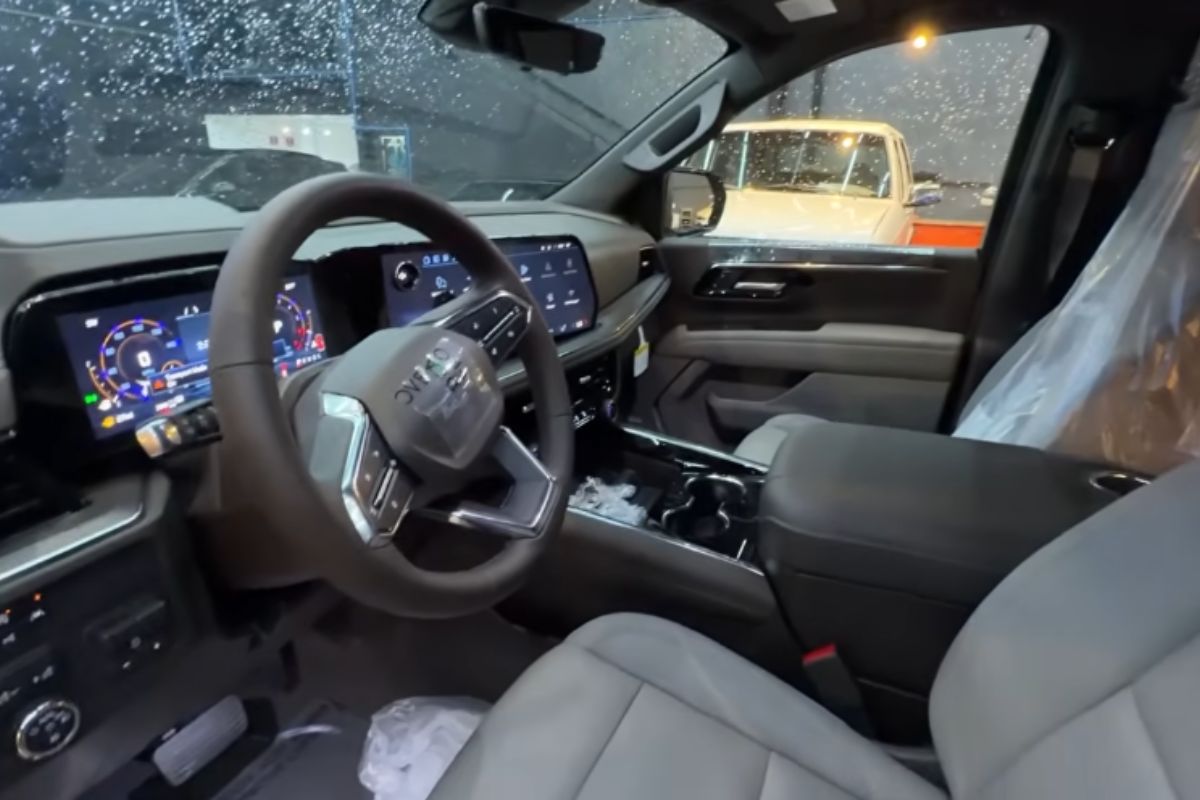
Chevrolet Suburban Z71 lands in Brazil with a V8 engine, off-road design, air suspension, seven seats, and colossal size, a rare version imported for around R$ 1.3 million with luxury and exclusivity.
-
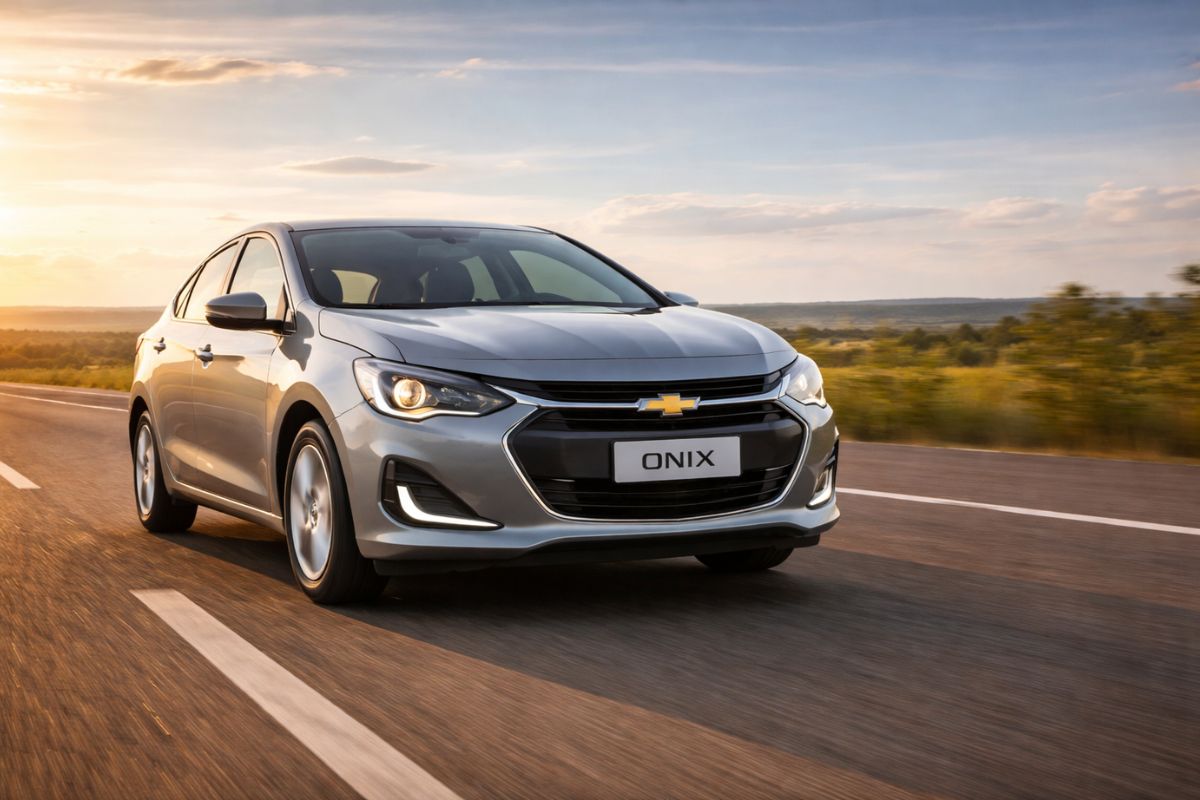
The Chevrolet Onix 1.0 turbo achieves 17.7 km per liter on the highway and ranks among the three most economical cars in Brazil in 2026, alongside two more expensive Toyota hybrids available at dealerships.
-
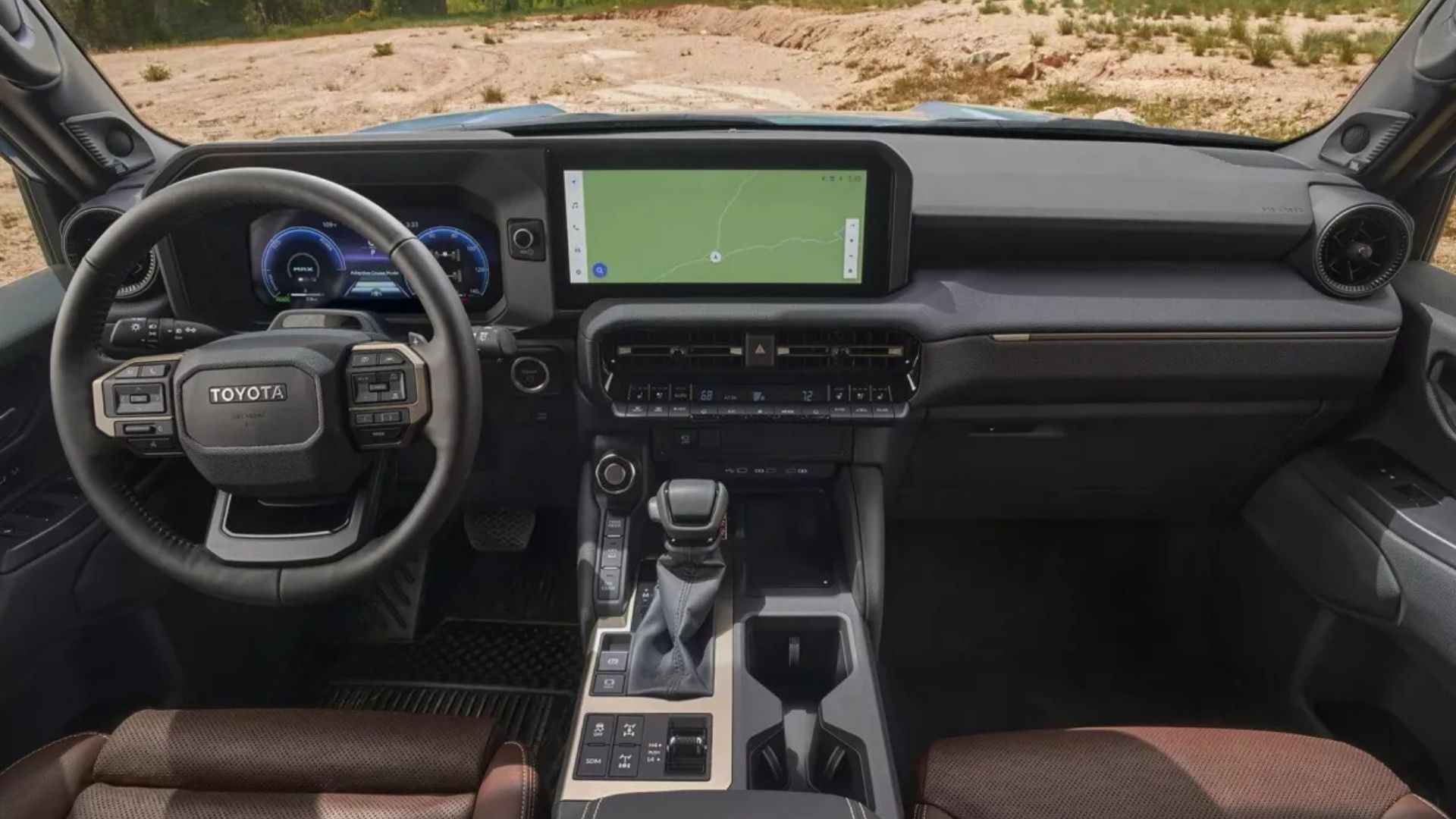
Little sister of the Hilux: Toyota launches Land Cruiser FJ with 4 radical versions, 2.7 engine with 166 hp and 4×4 traction with locking.

In last year’s survey, the expected sales of electric cars by 2030 ranged from 20% to 70%. This figure has now fallen to 10% and 40%. In the United States, specifically, the estimate dropped from 65% to 35%. This could be a major problem for the electric car market if the country continues to aim for a 50% adoption rate of battery models by the end of the decade. Although there is significant distrust, KPMG’s global automotive head, Gary Silberg, believes that things can still improve in the long run.
Why Are Electric Car Prices So High?
According to the KPMG executive, there is still a sense of long-term optimism and, more importantly, a sense of short-term realism. It is necessary to be very realistic; there are no more rainbows, euphoria, and butterflies.
Besides the economic aspects and supply chain issues, especially regarding the rising prices of batteries, automaker executives fear stricter requirements when purchasing federal tax credits to buy a new electric model.
This has led dealerships to increase the prices of electric cars by thousands of dollars due to low inventory. However, studies indicate that things may start to become “normal” within five years, expanding automakers’ profits.
Federal Senate Seeks to Increase the Presence of Electric Cars in the Brazilian Market
The Federal Senate has been in favor of expanding the electric car market in the country, which is currently very limited. Measures to further boost this sector include tax reductions for battery-powered vehicles, restrictions on the manufacturing of fossil fuel-powered models, and boosting charging stations for electric vehicles.
The use of electric cars is highly advocated due to its reduced environmental impact from fossil fuels and the contingency of the crisis caused by the high oil prices this year. Electric models accounted for 2.2% of new vehicle registrations in the country last year, corresponding to 35,000 units.
Although the number is small, it is 77% higher than the figures reported in 2020, when only 20,000 electric cars were sold. Worldwide, electric cars represent 9% of all automobiles, showing a delay in Brazil.
In March, the Mixed Parliamentary Front for Electromobility, formed by deputies and senators willing to unite efforts to foster electric cars, was approved.









Seja o primeiro a reagir!