





 Portuguese
  English
  Spanish
 2 min of reading


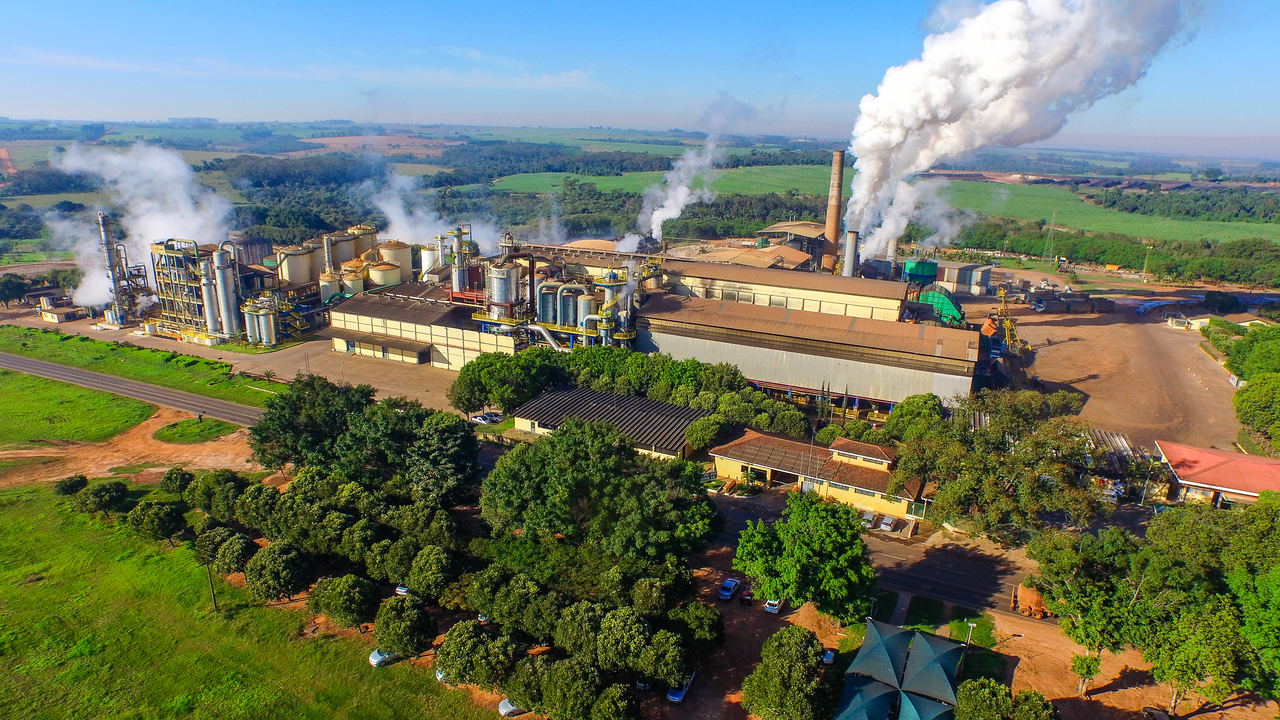
With Teamwork, Sugarcane Mill Owners Manage to Maintain High Production and Reduce Costs, Leaving Funds for Structural Investment in the Industry
Sugarcane mill owners in the interior of Paraná achieved an increase in production and sales of raw material and derivatives in the industry. About 2.4 million tons of sugar were exported in the last cane harvest, bringing very positive results for sugar industries.
Read Also
The unity among the mill owners was essential for the state, together with mills and sugar industries, to achieve this result. Together, they created transshipment terminals with the capacity to store up to 100,000 tons of the product, reducing costs and increasing competitiveness in the export market, ensuring profits for everyone in the group.
Production and Export
When asked about the success of product exports, the president of the Bioenergy Producers Association of the State of Paraná (Alcopar), Miguel Tranin said:
-
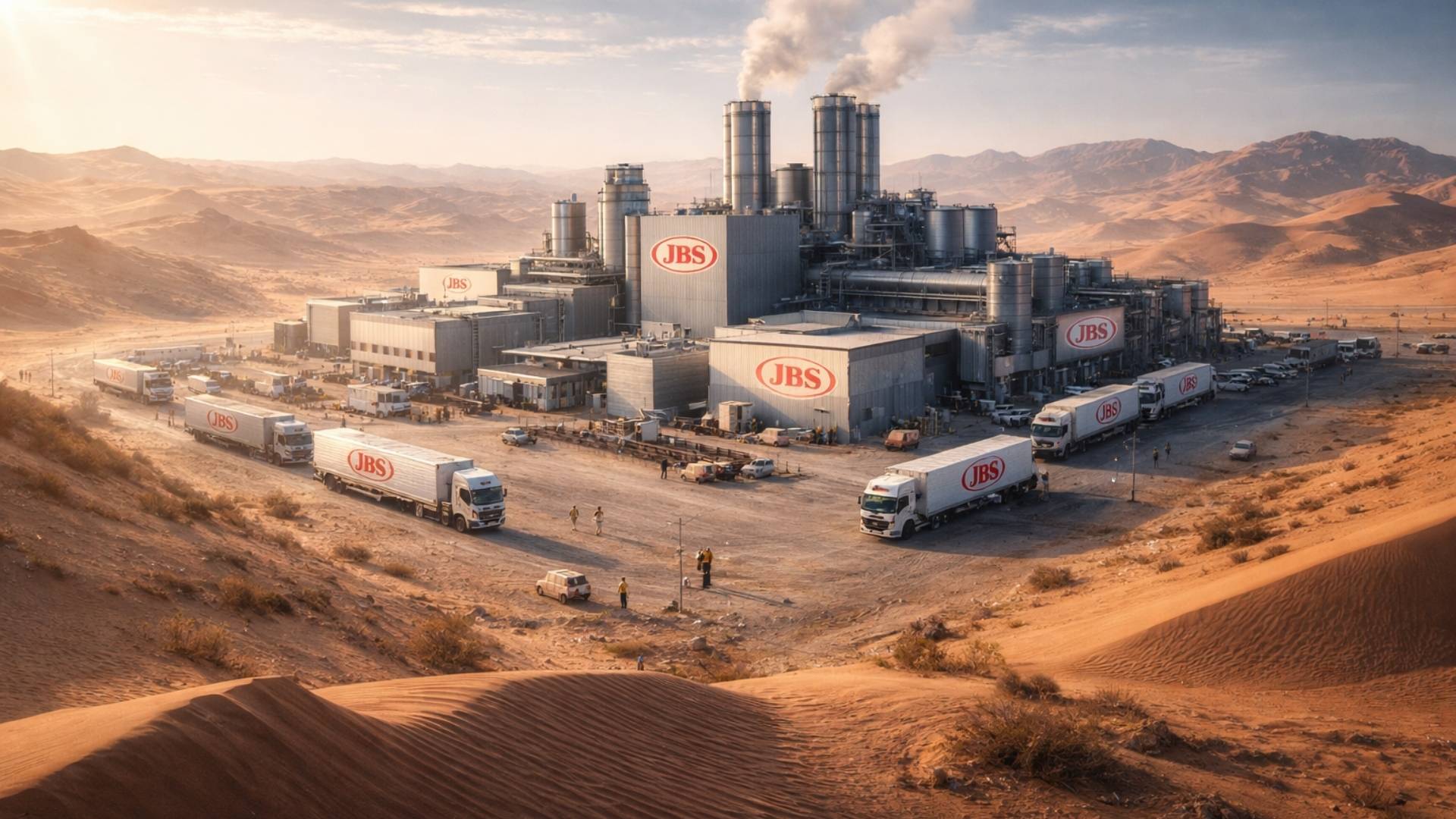
JBS, founded by the Batista brothers, continues to conquer the world: the entrepreneurs built a ‘factory in the desert’ with 3,000 jobs.
-
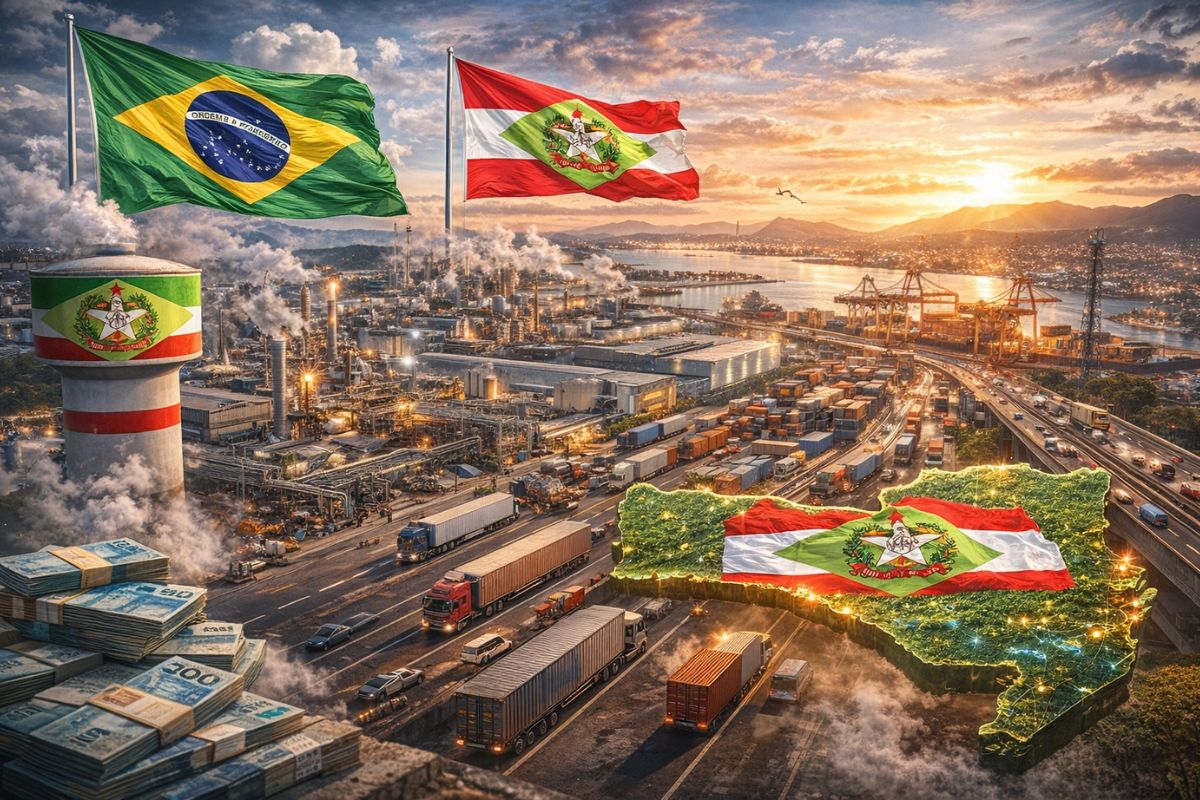
With only 1% of Brazilian territory, Santa Catarina has built one of the most competitive industrial parks in the country with 64,000 companies, nearly 1 million jobs, and a growth of 5.3% while the national industry is practically stagnant.
-
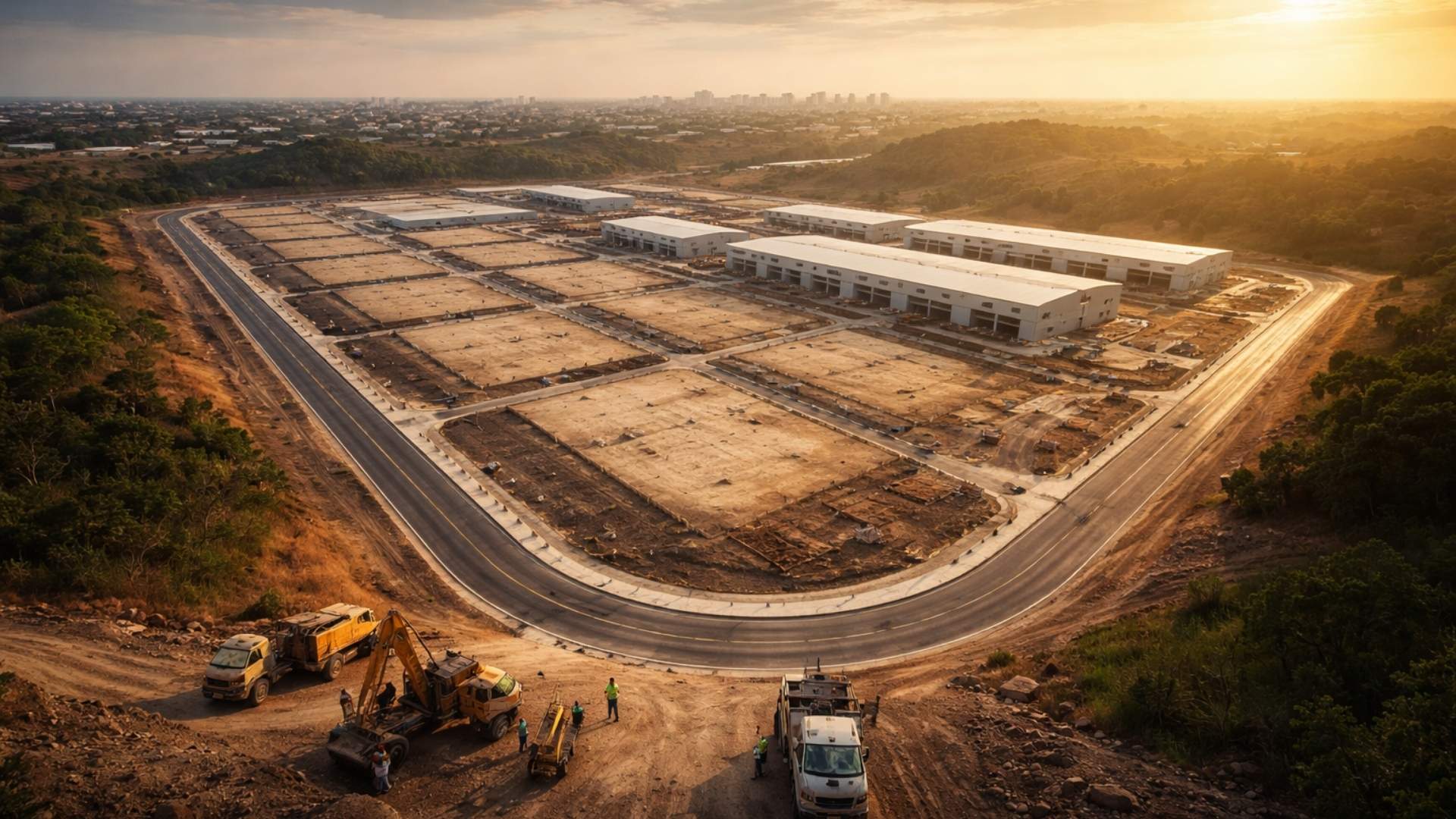
Brazilian city gains industrial hub for 85 companies that is equivalent to 55 football fields.
-
Peugeot and Citroën factory in Argentina cuts production by half and opens a layoff program for more than 2,000 employees after Brazil drastically harmed purchases of Argentine vehicles.


“We created a product standard, whether produced by any mill, it is similar […] At the time of shipping at the port, we know the product is the same and that provides speed that brings gains to the mills in the state”
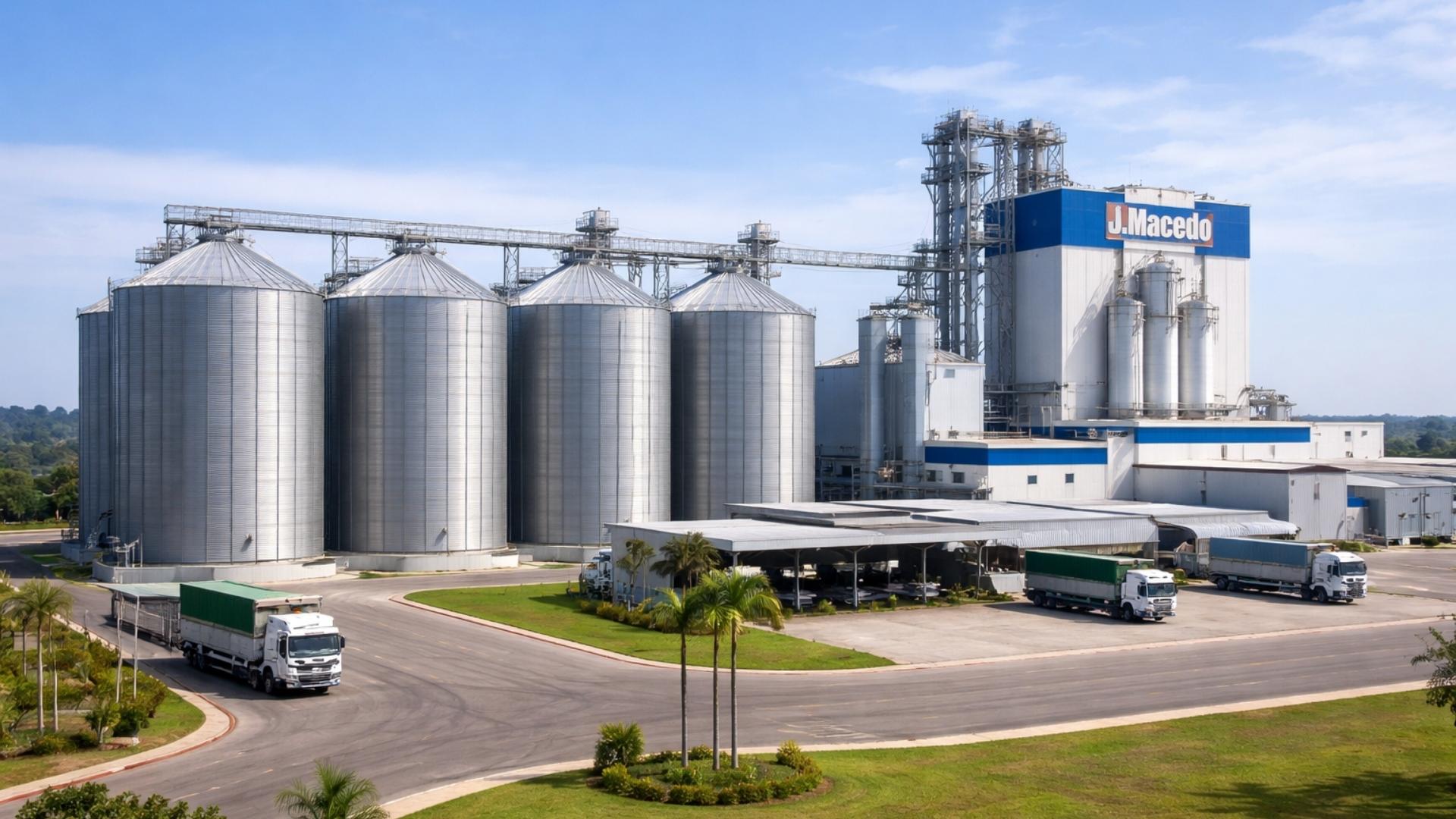
All sugar produced in the state mills is shipped by rail to the Port of Paranaguá. Another issue that brought even more competitiveness to Paraná’s industries and mills was the idea of creating an exclusive boarding terminal for this production area, which has the capacity to handle about 36,000 tons of raw material and derivatives per day on the port’s ships.
“The loading speed helps in the quick shipment of ships. During harvest time, the period varies from three to five days” reported Eric Ferreira de Souza, manager of the Boarding Terminal, explaining the interconnection of the entire system.
In the Asian continent, sugar sales generated US$ 350 million, mainly directed to Iraq.







-

Uma pessoa reagiu a isso.