





 Portuguese
  English
  Spanish
  3 min of reading
  0 comments



Black Friday Explained: Controversial Origin, Fraud in Brazil, and Why the Whole World Awaits This Day
Black Friday is today one of the most awaited events in global retail, synonymous with lines in stores, full virtual carts, and billions in revenue. However, the history of the date begins far from the glamour of consumption. Its name originated from a financial crisis in the United States in the 19th century and, over more than 150 years, has been redefined to become the commercial holiday that kicks off the year-end shopping season.
Black Friday always takes place on the last Friday of November, a day after Thanksgiving. The event, which started in the United States, has transformed into a global phenomenon, adopted by countries in Latin America, Europe, and Asia. In Brazil, it has established itself as one of the most important retail dates, boosting both physical and online commerce and generating billions in just a few days.
From Financial Crisis to Popular Tradition
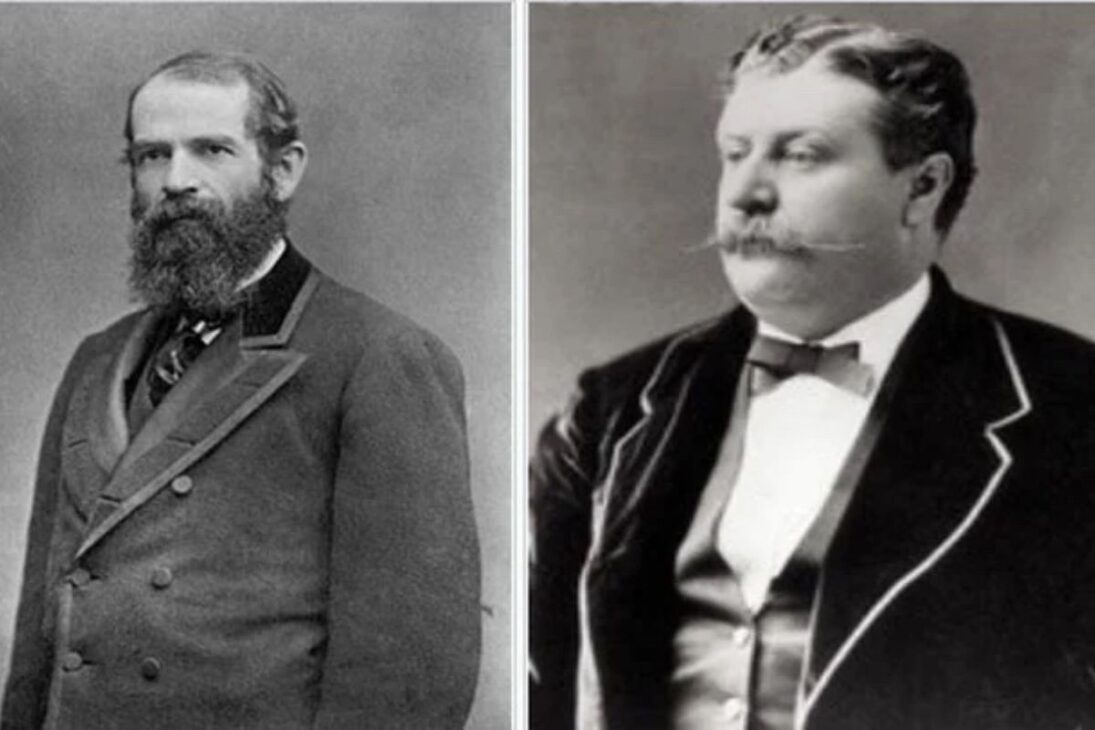
The first time the term “Black Friday” was used occurred on September 24, 1869, during a crisis caused by the manipulation of the gold market by two American investors, Jay Gould and James Fisk.
-
The largest food company on the planet, JBS, has just opened a 4,000 square meter laboratory in Florianópolis to develop customized proteins that modulate muscle mass gain, immune response, and metabolic performance.

-
After nearly 30 bids and competition among industry giants, a Spanish company purchases one of the largest airports in Brazil for almost R$ 3 billion and takes over the management of Galeão in a concession that will last until 2039.

-
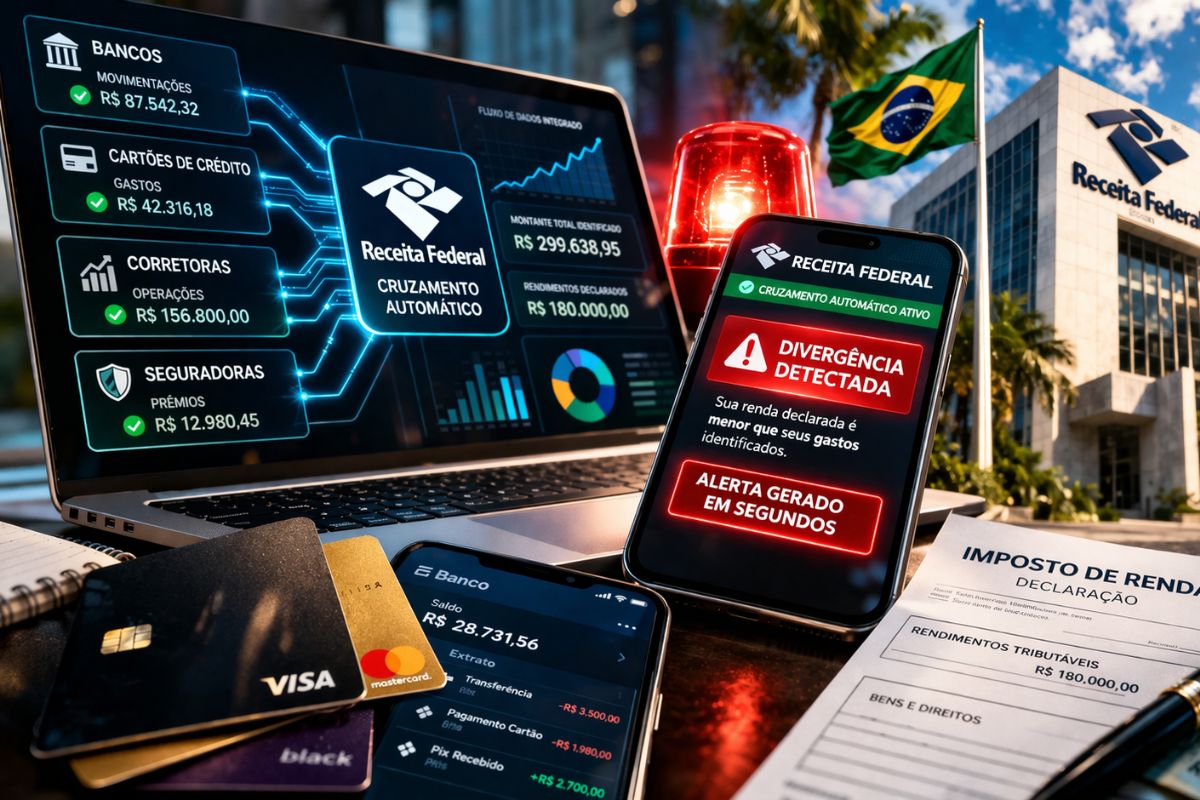
The Federal Revenue Service now automatically cross-references everything you declare with data from banks, credit cards, brokerage firms, and insurance companies, and any discrepancy between your income and your expenses triggers an alert in seconds.
-
Amid global tensions, Brazil blocks the United States’ proposal at the WTO and paves the way for a trade crisis and possible retaliations.

Speculation led to a sharp decline in prices, widespread bankruptcies, and significant losses on a day that has gone down in history as Black Friday.
More than half a century later, the term resurfaced in another context.
In Philadelphia, during the 1960s, police used “Black Friday” to describe urban chaos and heavy traffic that formed on the day after Thanksgiving, when crowds flooded into the city center to take advantage of sales.
The term gained popularity and began to be adopted by local merchants.
When Red Turned to Black
In the 1980s, American retail redefined the expression with a positive slant. Traditionally, retailers recorded losses (“in the red”) for much of the year, and the Friday after Thanksgiving marked the beginning of the profitable phase (“in the black”).
The name Black Friday then came to symbolize prosperity, movement, and high consumption, becoming a turning point for year-end commerce.
Starting in the 1990s, the event spread across the entire American territory and transformed into a national consumption ritual, with aggressive discounts on electronics, fashion, appliances, and automobiles.
The growth was fueled by the culture of lines and camping outside stores, images that became iconic in the consumer’s imagination.
The Arrival of Black Friday in Brazil
Black Friday arrived in Brazil in 2010, initially focusing on online sales.
Success came with skepticism: consumers reported deceptive practices, such as prior price increases to simulate large discounts, leading to the phenomenon being known as “Black Fraud.”
Over time, oversight by consumer protection agencies and the maturation of e-commerce professionalized the event.
Today, Brazilian Black Friday generates billions of reais, encompasses both physical and digital stores, and extends over weeks, giving rise to “Black Week” and even “Black November.”
In addition to discounts, the date has become a laboratory for logistical and technological strategies, utilizing big data, artificial intelligence, and real-time price monitoring to ensure competitiveness and transparency.
From Financial Chaos to Global Consumption Culture

What began as an economic collapse in the 19th century has transformed into one of the greatest commercial phenomena of the 21st century.
Black Friday has crossed borders and adapted to different cultures, becoming a symbol of the power of globalized consumption.
Today, the event is celebrated in over 20 countries, generates trillions of dollars, and influences the behavior of millions of consumers.
Its impact goes beyond retail: it affects supply chains, pricing policies, and even companies’ fiscal calendars.
Do you think Black Friday still represents good shopping opportunities or has it become just a symbol of excessive consumption?







Seja o primeiro a reagir!