





 English
  Francês
  Alemão
  Italiano
  Japonês
  Norueguês
  Portuguese
  Spanish
  2 min of reading


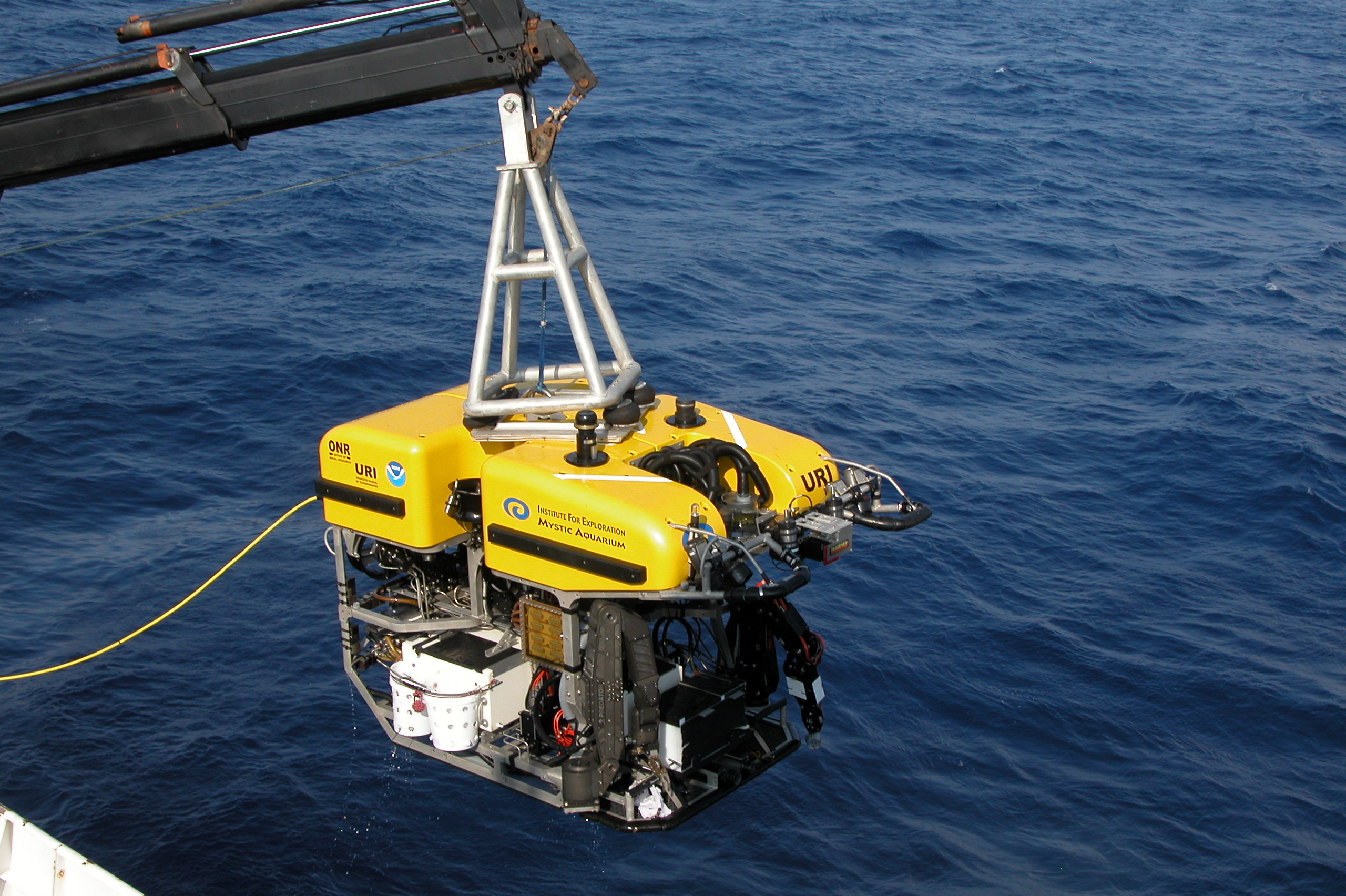
Innovative Technology Can Reduce Costs and Increase Efficiency in the Automation of Submarine Energy Infrastructure, and the Use of Digital Twins and Automation Is Promising to Optimize Offshore Audit Processes
DeepOcean, an ocean services provider, announced the successful mobilization of its first Autonomous Inspection Drone (AID), an innovative technology that promises to generate substantial cost savings for operators of offshore wind farms and oil and gas fields and power generation. Aboard the support vessel Edda Fauna Subsea Inspection, Maintenance and Repair (IMR), DeepOcean will conduct offshore tests in the coming months aimed at utilizing the AID in its planning campaigns on the Norwegian Continental Shelf, according to PetroNotícias.
Efficiency and Accuracy in Authentication Data Collection with Energy Technology
With the increase in offshore renewable energy infrastructure for oil and gas, the need for regular inspections has become essential. AID energy technology was developed by DeepOcean to enhance efficiency and accuracy in signal data collection, with the potential to significantly reduce the cost, time, and environmental footprint typically associated with manned subsea work. Craig Cameron, technology manager at DeepOcean, emphasizes: “AID technology can perform pre-scheduled inspections of all subsea assets. This means that significant value can be created for offshore energy asset operators when the same protection scope can be repeated year after year”.
Automation and Use of Energy Digital Twins
Automating parts of the surveyed subsea scope through the use of AID energy technology represents a promising next step for the offshore energy industry. Examples of certification scopes likely to be contested in the near future include external and internal production models, jacket structures, and flexible risers. The creation of submarine infrastructure digital twin technology is an essential enabler for the ability to carry out autonomous and scheduled work. DeepOcean has developed a digital twin platform where a model of an AID is controlled, allowing reviewed and virtually simulated flight engineers to chart the route for the certification scope. Subsequently, the AID can autonomously execute the initiated route while an operator simultaneously supervises the operation from the Remote Operations Center (ROC). The protected data of the AID technology and the vehicle’s position are continuously transmitted back to the digital twin, ensuring high-quality data and increasing situational awareness for the operator.
-
Petrobras finds high-quality oil in the pre-salt at 113 km from RJ and reignites expectations about strategic reserves in the Campos Basin.

-
Ocyan opens registrations for startups focused on innovation in the oil and gas sector and will select projects for Innovation Day with the support of Nexio.

-
Petrobras announces new oil discovery in the pre-salt of the Campos Basin and reinforces Brazil’s prominence with high-quality reserves that can increase production and energy revenues.

-
Alert in the fuel market: Analysts and a former director of ANP warn that oil prices may worsen in the coming months due to global instability.








Seja o primeiro a reagir!