





 English
  Francês
  Alemão
  Italiano
  Japonês
  Norueguês
  Portuguese
  Spanish
 3 min of reading
  0 comments


Thermal Images Reveal Invisible Micro-Adjustments in Planting That Anticipate Strategic Decisions, Reduce Waste, and Increase Productivity Even Before the First Visual Signs
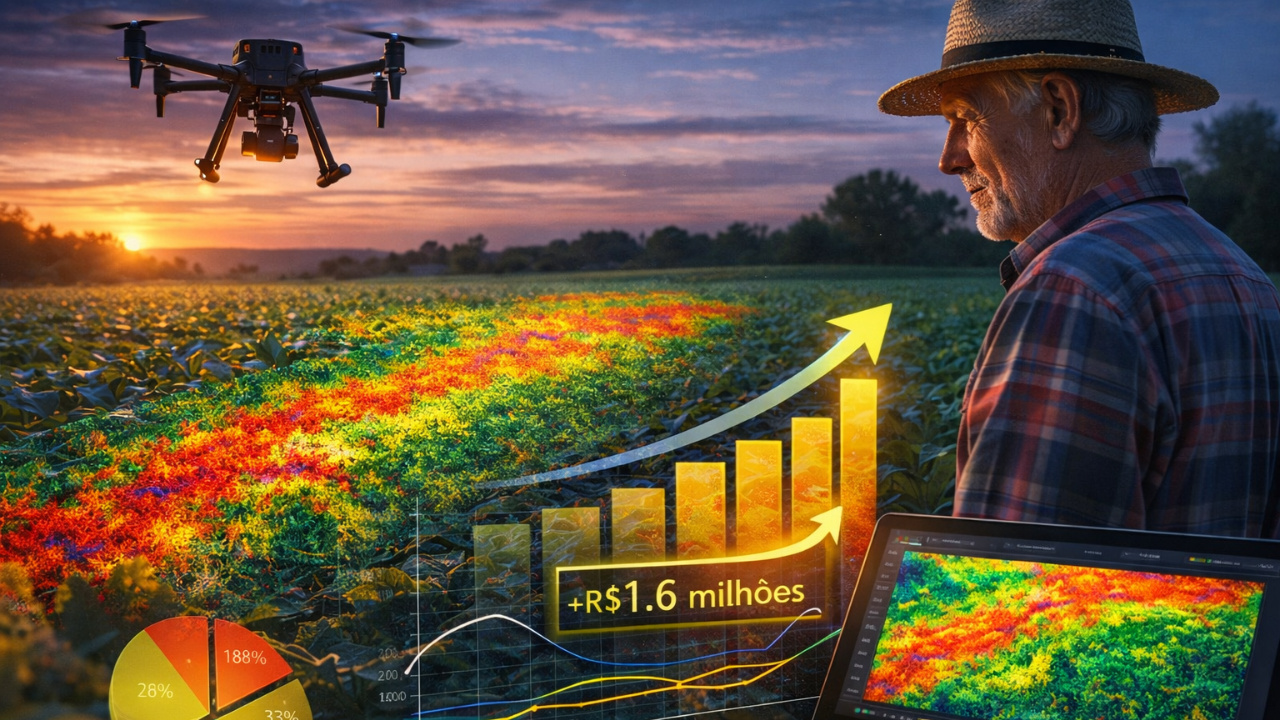
The Brazilian field is undergoing a quiet transformation, driven by thermal images that reveal invisible adjustments in planting before any symptoms appear. This strategic reading allows for the identification of unproductive micro-zones and quick corrections, elevating productivity by millions per harvest.
While the apparent green suggests uniformity, infrared sensors show thermal variations indicating differences in plant vigor. Thus, minor misalignments in planting are no longer ignored and instead become part of well-founded technical decisions.
The thermal images captured by drones cover large areas in minutes, creating detailed maps of leaf and soil temperature. With this data, it becomes possible to see where the plant transpire less, grows irregularly, or experiences initial stress.
-
350-year mystery may have been solved: remains of a soldier who inspired the hero of The Three Musketeers found beneath a church in the Netherlands.

-
NASA photographed a nearly perfect square with 3 km sides on Mars, 13 times larger than the Great Pyramid of Giza, but the official explanation is natural erosion; still, no one has explained why the four sides have almost identical lengths.

-
Starlink breaks the barrier of 10,000 satellites in orbit and takes its expansion to an unprecedented level, with a direct impact on global internet, technological competition, and the race for space.

-
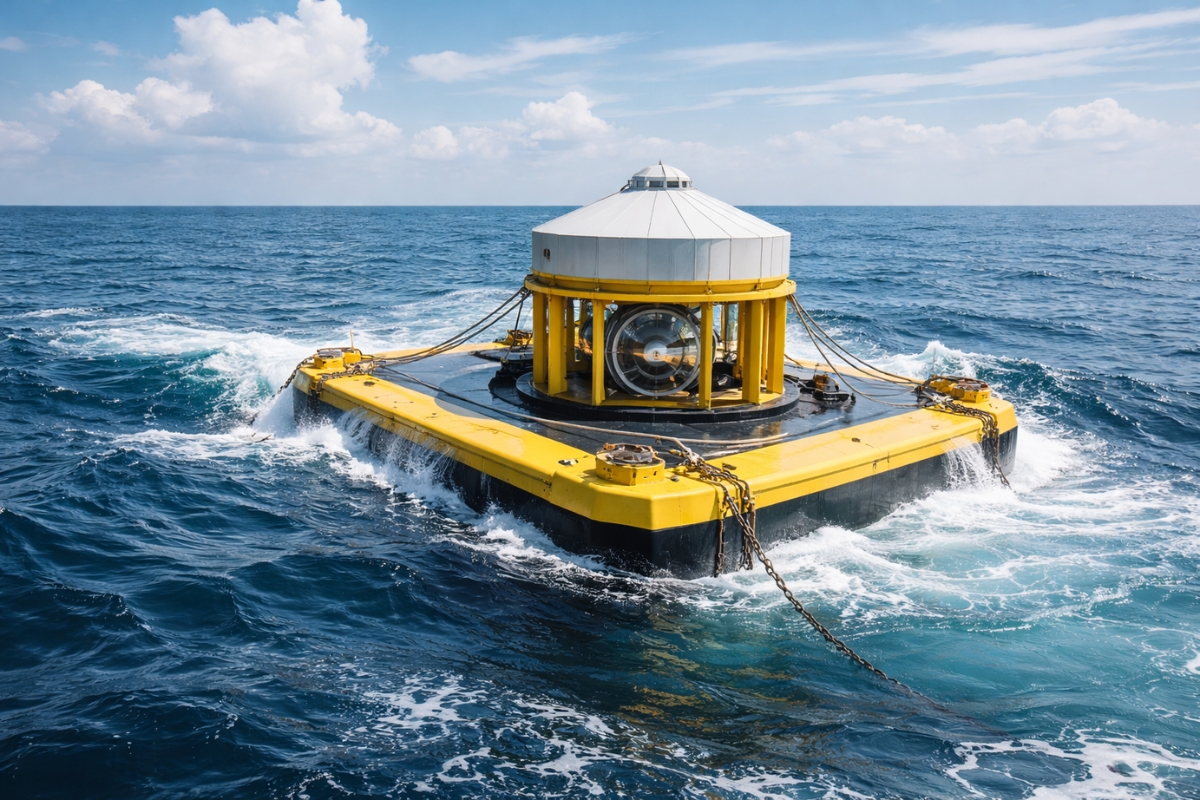
Japan finds an alternative to oil amid rising prices by transforming ocean balance into electricity with a new technology that maintains efficiency even when the sea changes.

According to precision agriculture specialists, the anticipation in identifying these micro-variations can represent a significant competitive advantage. Adjustments made at the right time prevent silent losses and enhance the productive potential of the plot.
What Thermal Images Reveal About Planting
Thermal images do not just show heat but patterns. When there are failures in seed distribution or irregular soil compaction, discreet thermal differences emerge that signal the problem before visual impact.
In areas where the crop emergence occurs unevenly, temperature variation indicates lower physiological activity. In this way, the producer can act with targeted corrections, adjusting irrigation, fertilization, or future planting density.
Moreover, slightly warmer zones can signal incipient water stress. Early intervention prevents deficiencies from compromising root development and reducing the final yield of the harvest.
These thermal maps allow for comparisons of plots with millimeter precision. Thus, decisions are no longer generalized and begin to consider the real behavior of each productive micro-area.
Drones and Sensors That Enhance Field Reading
Equipment such as the DJI Matrice 300 RTK operates with high-resolution thermal sensors, capable of capturing nuances invisible to the human eye. The technology integrates precise positioning and advanced thermal analysis.
These drones fly over extensive areas and generate reports that connect temperature, location, and vegetative performance. This way, agricultural management is equipped with concrete data to guide strategic decisions.
In addition to the initial mapping, frequent monitoring allows for the tracking of crop evolution throughout the cycle. Small variations become early indicators of the need for adjustments.
The integration with digital platforms transforms thermal images into comparative maps, facilitating the visualization of gains after each correction implemented in planting.
How Small Corrections Turn into Extra Millions
When thermal images indicate micro-failures in planting, interventions are targeted and economical. Instead of applying inputs uniformly, the producer acts only where there is proven need.
This precision reduces waste and increases the efficiency of fertilizer and water use. At the same time, it corrects developmental unevenness that could compromise harvest uniformity.
Studies conducted by Embrapa highlight that precision agriculture maximizes substantial gains when combined with continuous thermal monitoring. The impact becomes even greater in large cultivated areas.
In extensive properties, a minimal adjustment per hectare can represent million-dollar figures by the end of the harvest. Therefore, thermal reading ceases to be just a technological tool and becomes a strategic instrument for generating value.
The Invisible That Redefines the Productive Standard
The great differential of thermal images lies in anticipation. Before the leaf loses color or the failure becomes visible, the sensor has already pointed out the critical area.
This early diagnosis alters the traditional management model, which usually reacts after the problem has set in. Now, the posture becomes preventive and data-driven.
Moreover, continuous monitoring strengthens harvest predictability. By reducing uncertainties, the producer better plans contracts, investments, and logistics.
In this way, thermal images redefine the productivity standard in the Brazilian field. They transform small corrections into consistent gains, elevating margins and consolidating a new competitive level.
By seeing beyond the apparent green, agribusiness incorporates strategic intelligence into planting. The result is not just a more uniform harvest but the ability to turn invisible data into extra millions per harvest.
3️⃣ SEO BLOCK
Keyword Used: Thermal Images
SEO Title: Thermal Images Increase Productivity in the Field
Meta Description: Thermal images reveal hidden adjustments in planting and can generate extra millions per harvest in Brazilian agribusiness.






-

Uma pessoa reagiu a isso.