





 Portuguese
  English
  Spanish
  2 min of reading
  0 comments


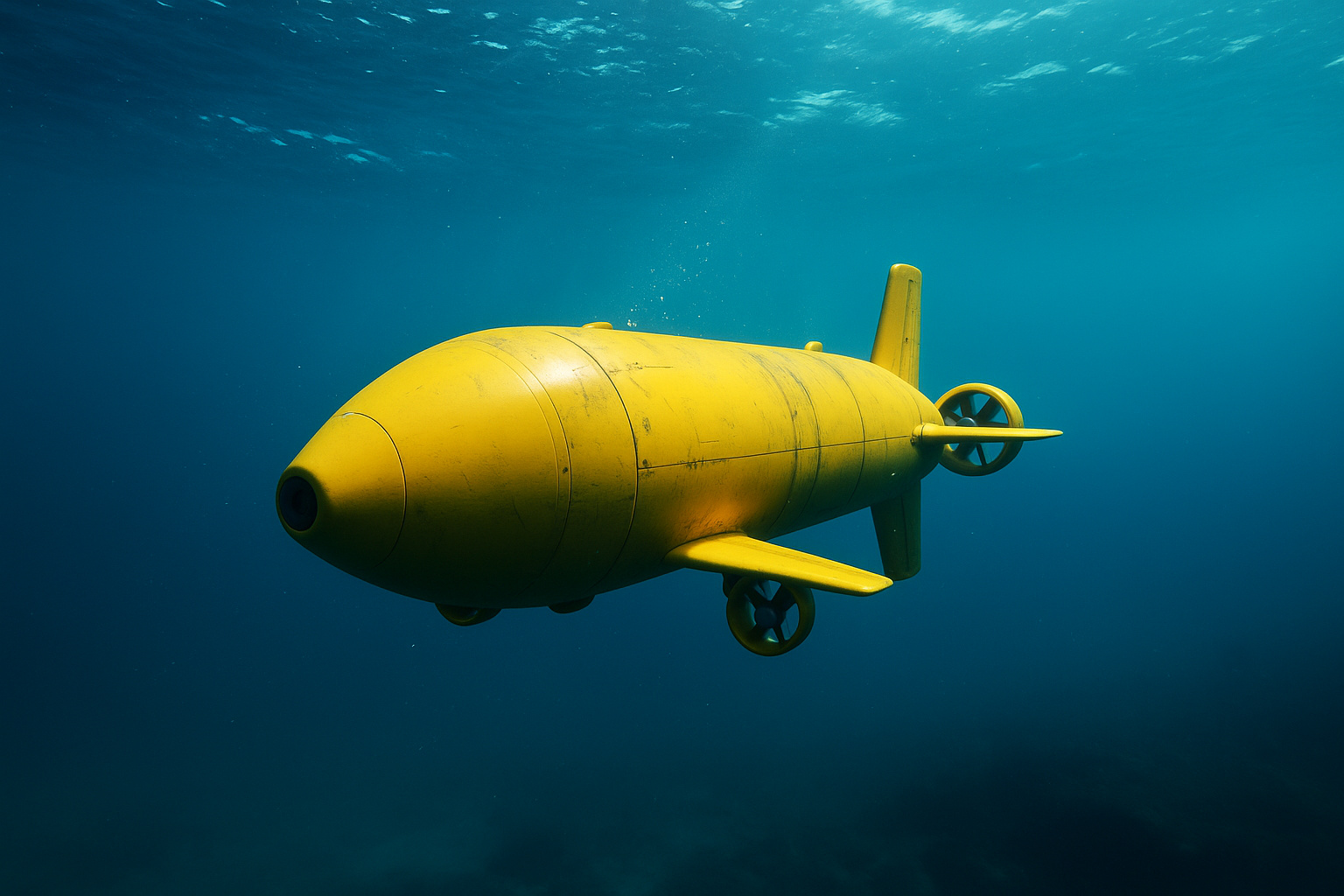
Technological Advances Expose Gaps in Combating Trafficking
Since 2019, U.S. Coast Guard authorities have recorded record seizures of drug submarines adapted for drug transportation.
According to the BBC, in April 2021, more sophisticated models were intercepted off the Pacific coast.
In July 2025, experts warn that autonomous submerged drones, with no human crew, may increase this threat.
Therefore, the innovation combines military technology, 3D printing, and artificial intelligence.
Thus, criminal organizations expand routes and make tracking difficult.
Drug Submarines Evolve into Autonomous Drones
Until 2020, rudimentary drug submarines needed pilots.
However, trafficking networks in Colombia and Mexico are testing autonomous vehicles.
Thus, submerged drones cross long distances without direct human contact.
Moreover, they transport tons of cocaine and heroin without attracting attention.
Although expensive, the cost is offset by the efficiency of the routes.
Soon, technology becomes accessible to cartels wanting to expand markets.
In June 2024, Europol indicated an increase in seizures off the coast of Spain.
Strategic Risk to International Security
In addition to challenging law enforcement, submerged drones pose a risk to global maritime security.
According to The Conversation, their autonomy makes them practically invisible to conventional radar.
Therefore, patrolling needs to evolve with satellites, advanced sonars, and international cooperation.
In March 2023, the Spanish Navy reinforced operations with the Civil Guard.
Still, illicit flow has not decreased.
Thus, experts like Robert J. Bunker from the University of Southern California warn of the strategic impact.
Therefore, cyberattacks may interfere with the command of these vehicles.
-
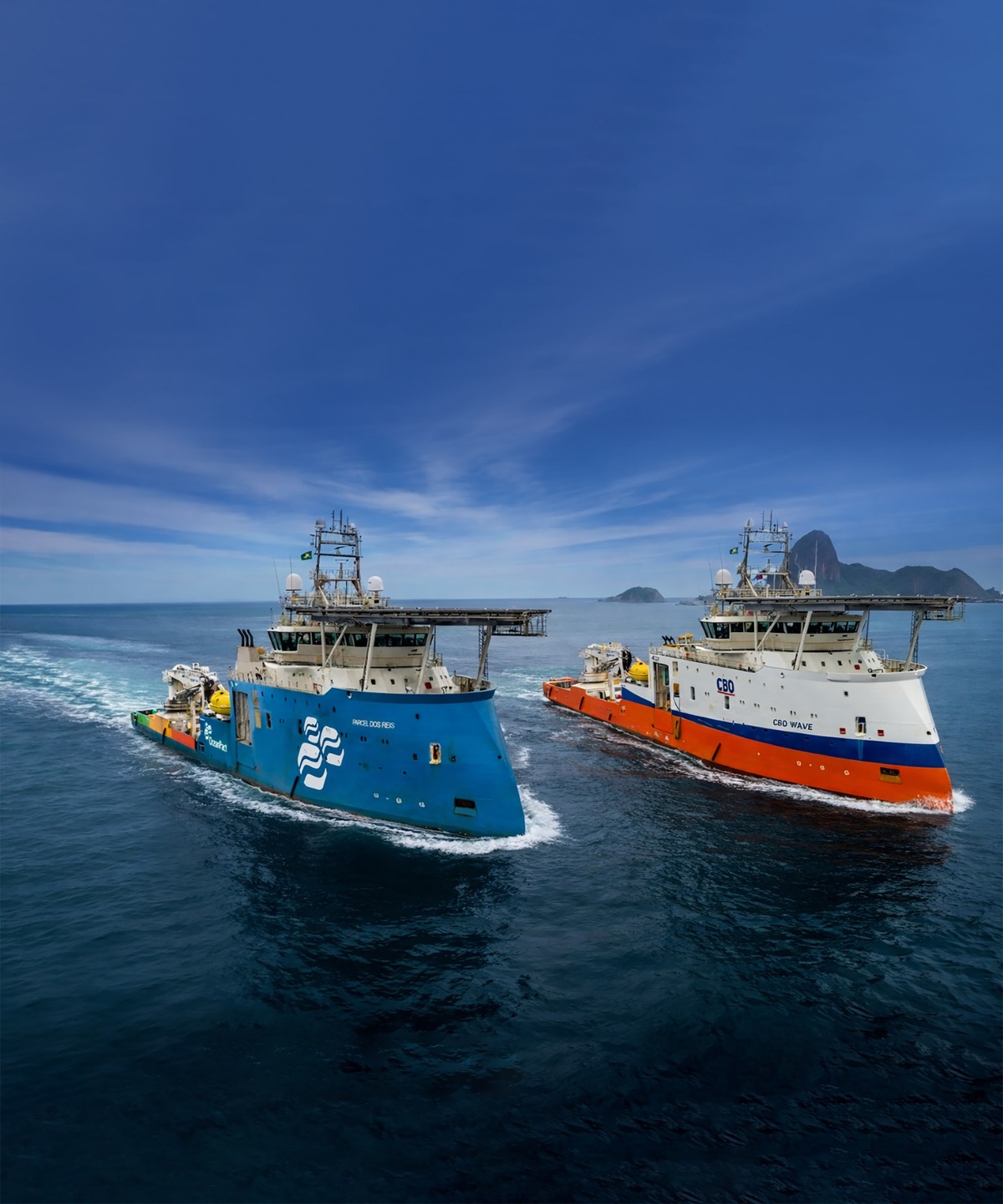
OceanPact Announces Acquisition of CBO and Creates One of Brazil’s Largest Maritime Support Structures with 73 Vessels, Annual Revenue Above R$ 4 Billion and R$ 14 Billion Backlog
-
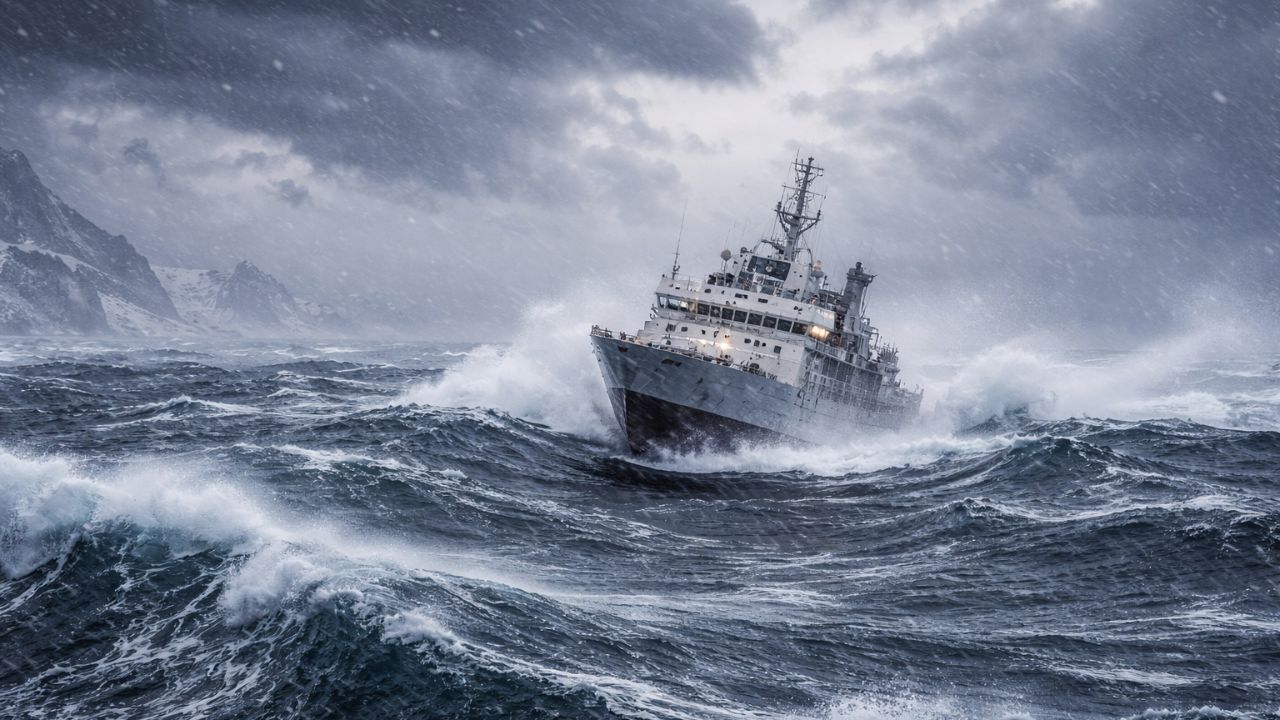
With Extreme Winds, Giant Waves, and Unrestricted Currents, Drake Passage Is Considered the Most Violent Stretch of the Oceans
-
15th Century Merchant Ship Surprises Archaeologists

-
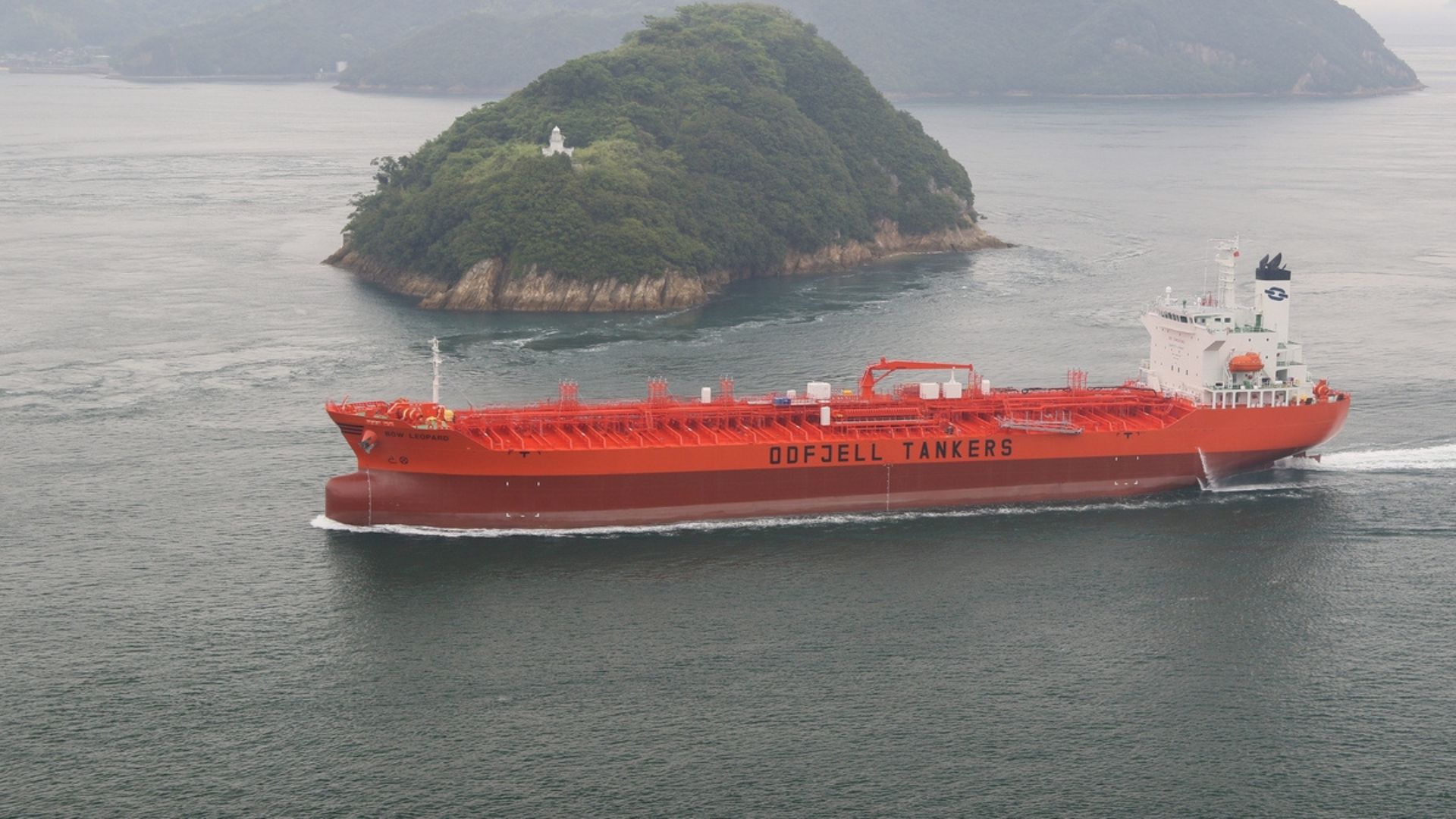
Odfjell Inaugurates First Operational Green Corridor Between Brazil and Europe Using Sustainable B24 on Maritime Routes and Reinforces Decarbonization Strategy

Legal Challenges and Regulatory Gaps
Although seizures are increasing, maritime laws are not keeping up with the pace of this innovation.
Therefore, the United Nations Office on Drugs and Crime has recommended stricter agreements among coastal countries since 2022.
Thus, regulation seeks to prevent the advance of autonomous drug submarines.
However, there is a lack of efficient enforcement in international waters.
Moreover, cooperation among intelligence agencies still has shortcomings.
In May 2025, a report from the Maritime Defense Studies Center highlighted this urgency.
Technological Monitoring is the Only Viable Response
According to expert James Rogers from the University of Southern Denmark, the use of surveillance drones, sensors, and AI is the most realistic response.
Thus, nations need to invest in integrated satellite monitoring.
Additionally, it is essential to form rapid information networks to share data on suspicious routes.
From 2023 to 2025, the United States, Spain, and Colombia expanded cooperation to track unmanned vehicles.
Therefore, the hope is that with aligned technology, it will be possible to reduce the impact of this new frontier of organized crime.









Seja o primeiro a reagir!