





 Portuguese
  English
  Spanish
  4 min of reading
  1 comment


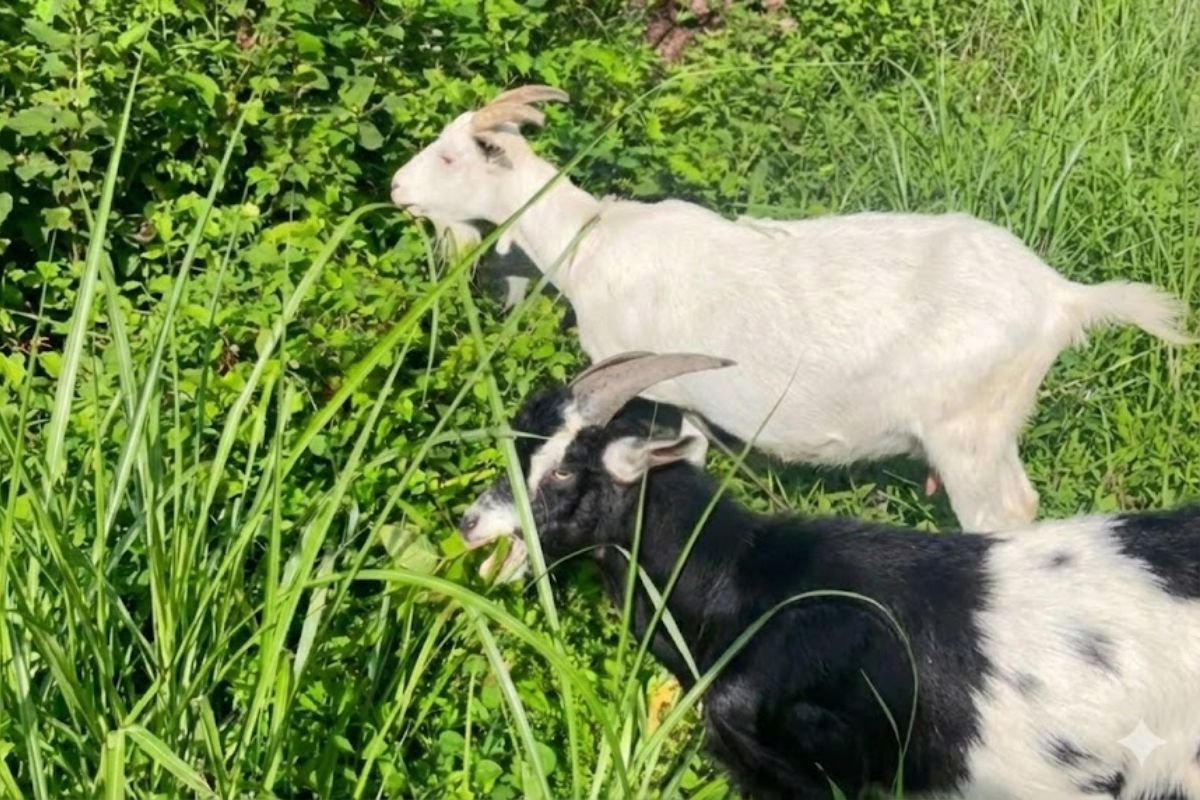


In A Japanese Village Almost Without Inhabitants, Goats Were Loosed For Seven Days To Clear An Abandoned Farm, Tied With Rope To A Tree, With Water And Rock Salt Available, Rests In The Heat And Improvised Night Shelter In The Chicken Coop, Transforming The Vegetation Into A Cleaner Area.
Goats Were Loosed For Just One Week In An Abandoned Lot, And The Result Attracted Attention By Reducing The Thick Brush Without The Use Of Machines Or Chemicals, Only With Daily Management, Water, Minerals, And Constant Observation.
The Experience Occurred After A Family Moved From Tokyo And Sought To Regenerate Abandoned Buildings And Areas, Adopting A Cyclical Lifestyle And Incorporating Animals As Part Of The Recovery Process Of The Space.
Arrival Of The Goats And Context Of The Abandoned Farm

The Family Moved From Tokyo To The Least Populated Village In Japan, And When Seeking To Regenerate Abandoned Structures And Live In A More Cyclical Way, They Decided To Use Animals In Controlling The Brush.
-
After decades of failed attempts, Brazil is once again looking to space with an orbital rocket measuring 12 meters, weighing 12 tons, costing R$ 189 million, and scheduled for launch in 2026, in a new race to finally achieve autonomous access to orbit.

-
The Earth will plunge into a few minutes of darkness in broad daylight in August 2026, when a total solar eclipse transforms the sky into one of the most impressive astronomical phenomena in recent years.

-
How the terraforming of Mars can transform the planet: artificial aerosols can increase the temperature by up to 35°C in 15 years, creating conditions for liquid water.

-
Scientists drilled nearly 8,000 meters into the ocean floor above the fault that caused the 2011 tsunami in Japan and discovered that a layer of clay 130 million years old was responsible for making the wave much worse than any model had predicted.


The Goats Came From The Home Of An Elderly Person Who Had Already Cared For Them.
The Group Included A Black Female Goat Of 8 Years From The Saanen Breed, A Male Of 1 Year, And A Shiba Goat.
The Proposal Was Simple: Goats Were Loosed To Eat The Grass In An Area Overrun By Tall And Dense Vegetation, With Daily Monitoring.
Preparations To Prevent Escape And Ensure Water And Minerals

Before Starting, The Management Focused On Preventing The Animals From Running Away And Maintaining Basic Health Conditions.
Water And Rock Salt Were Prepared To Ensure Hydration And Mineral Replacement.
To Control Movement, Goats Were Tied With A Rope Tied To A Nearby Tree, And Their Behavior Was Observed Initially To Check If “Everything Was Fine”.
With The Control Working, The Method Was Maintained.
Grazing Routine From Dawn To Dusk
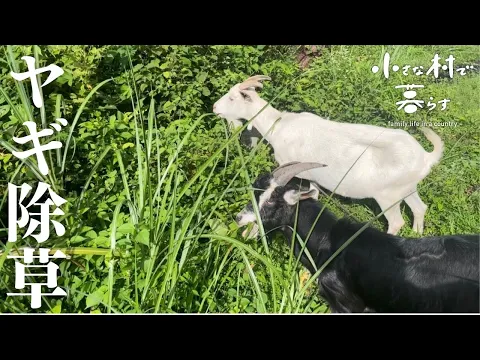

On The First Day, The Goats Continued Eating Until Just Before Sunset, Reducing The Visible Green Mass In The Surrounding Area.
The Next Morning, They Started Eating At The Same Spot As The Previous Day, But The Management Changed Strategy: To Avoid Boredom And Maintain Interest In The Pasture, The Caretakers Changed The Places Where They Ate.
The Temperature Rose Throughout The Day, And With The Heat, The Goats Became Tired.
To Give A Break, Rice Bran Was Offered As A Supplement, With The Care To Not Overdo It, As It Is Not Good For Them To Eat Too Much.
Even So, They Ate A Lot Of Rice Bran, Requiring Attention.
Coexistence With Chickens And Separate Management
The Rice Bran Also Attracted The Chickens, Who Started Foraging Weeds In The Field And Even Got Into Fights.
To Avoid Conflict And Ensure Each Group Was Properly Fed, The Feeding Was Done Separately.
As The Peak Heat Passed, The Work Was Resumed And The Goats Returned To Their Main Rhythm: Eating Grass All The Time, Keeping The Goal Of Cleaning The Lot.
Improvised Night Shelter And Daily Cleaning
A Critical Point Was The Lack Of An Adequate Shed For The Goats. For Now, They Spent The Night In The Chicken Coop, As A Temporary Solution.
The Concern For Safety Led The Family To Monitor The Night Hours More Closely.
Throughout The Week, The Management Included Daily Cleaning, As The Goats Also Made A Lot Of Droppings.
Maintaining A Clean Space Became Part Of The Routine Along With Grazing, Reinforcing That Goats Were Loosed, But Not Left Unattended.
Results After A Week And What Remained On The Ground
After One Week, The Changes Were Clear.
The Goats Ate A Lot Of Tough Grass “Like Straw”.
The Hard Stems Remained, But The Removal Of The Leaves Was Enough To Make The Area Look More “Revitalized,” With The Dense Brush Visibly Reduced.
The Practical Effect Was A More Open Area, With Less Volume Of Tall Vegetation And Less Sense Of Abandonment, Achieved Without Machines Or Chemicals, Only With Management, Water, Minerals, And Consistency.
Next Steps: Fence And Controlled Freedom
The Stated Intent Is To Move Forward In Controlling The Land: Goats Were Loosed With Rope At This Stage, But The Future Goal Is To Fence Them In, Allowing Them To Eat And Roam More Freely, Without Losing Control Of The Space And Safety.
With This, The Family Hopes That Grazing Will Continue To Help “Cultivate The Land” And Keep The Abandoned Lot In A Continuous Recovery Process.
When Goats Were Loosed With Water, Rock Salt, And Surveillance, The Abandoned Lot Responded Quickly: Less Leaves, Less Volume Of Brush, And An Area That Appeared To Be Reviving, Even With Stems Still Firm On The Ground.
Would You Let Goats Be Loosed For A Week On Your Lot To Replace Machines And Chemicals In Controlling The Brush?









Já pensei em fazer isso , mas não tive iniciativa