





 Portuguese
  English
  Spanish
  3 min of reading
  0 comments


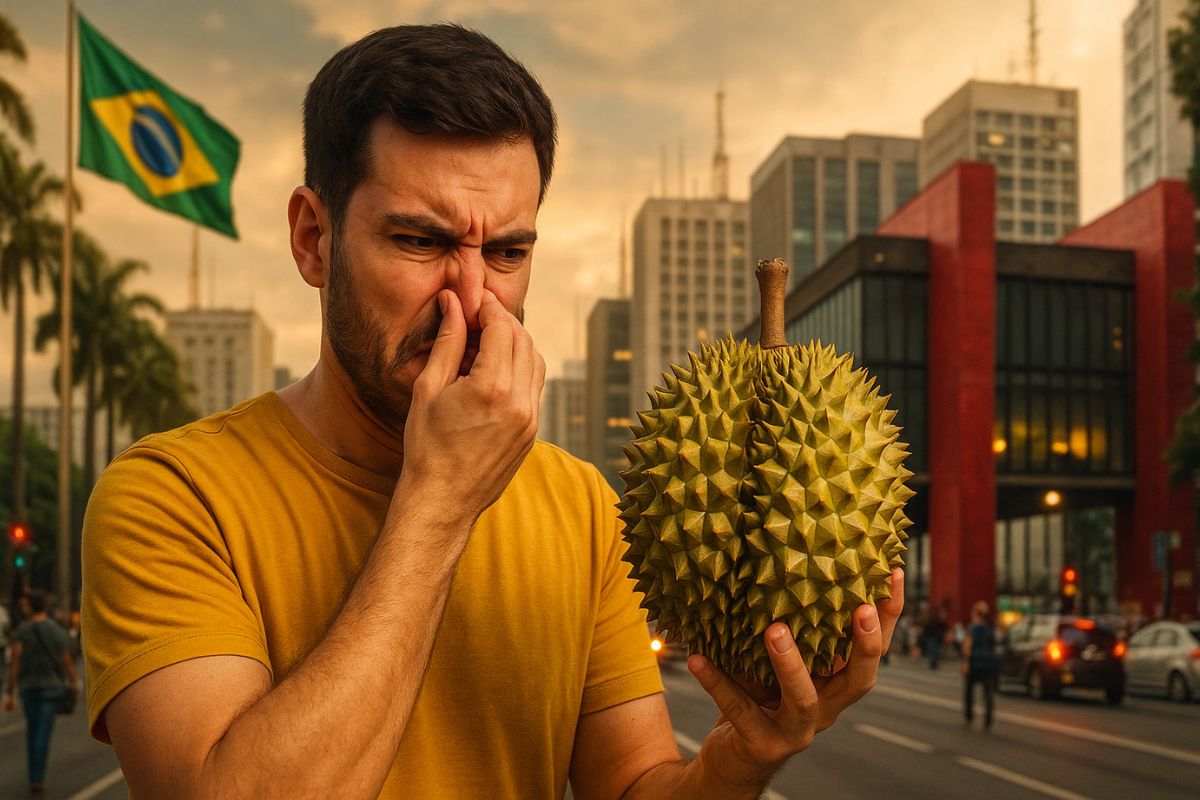
Fruit That Smells Bad Is Coveted in Asia, Has High Commercial Value, and Is Already Sparking Interest in Brazil
Considered a symbol of Asian gastronomy, the fruit that smells bad draws attention for an unusual contrast: while its strong odor resembles rotten eggs, the high price and nutritional value turn it into a true treasure. Even with its appearance similar to jackfruit, this tropical fruit has a unique taste and medicinal properties that have made it a cultural phenomenon in Malaysia, Indonesia, and Thailand.
In Brazil, the durian is still rare, but it is beginning to attract the interest of consumers and producers—especially in regions with humid climates. Amid the strangeness caused by its odor and the search for its therapeutic effects, the fruit has gained the status of a valuable eccentricity in selected markets.
Why Does Durian Have Such a Strong Smell?
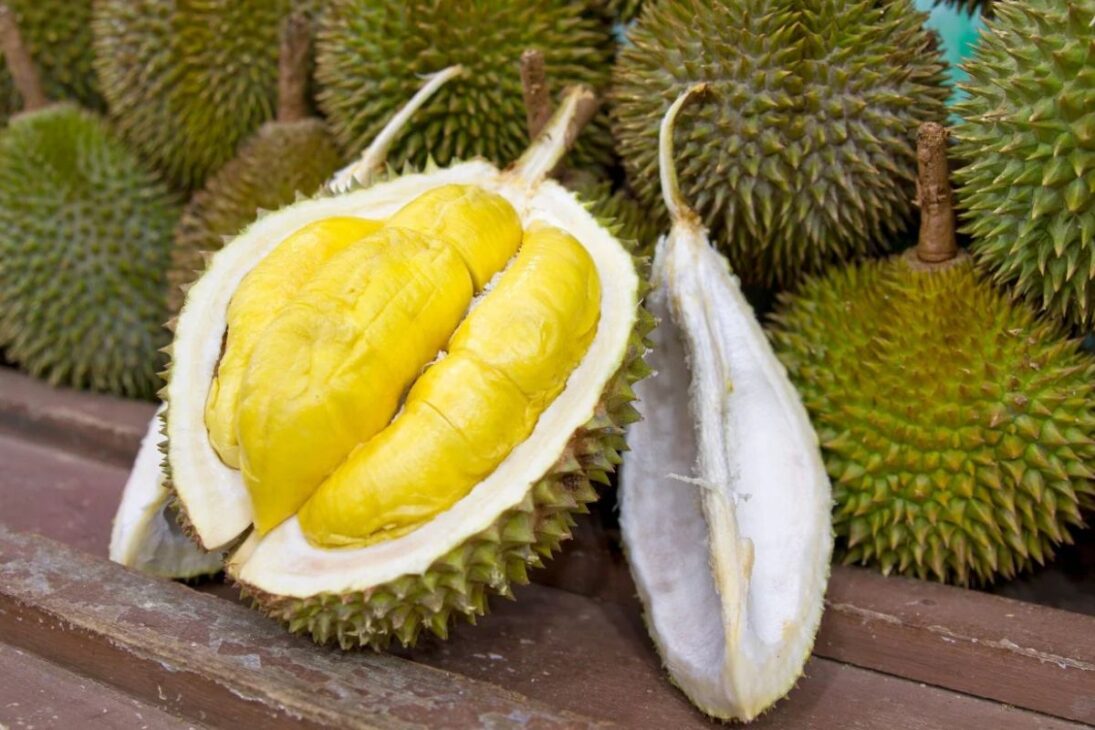
A study published by the National Library of Medicine identified that the intense odor of durian comes from volatile sulfur compounds, whose combination results in an aroma compared to onion, garlic, and rotten egg. The intensity is such that the fruit is prohibited in hotels, airports, and public transport in several Asian countries unless it is sealed in packaged containers.
-
Agricultural drone sprayed poison into the air and destroyed the neighbor’s crops, causing 1 million in damages; 48 cows died from nitrite poisoning in the pasture, and Russia is hiding a possible outbreak of foot-and-mouth disease: the week was brutal for the rural sector.

-
Russia cut fertilizers, China cut fertilizers, and oil prices soared with the war in the Middle East: sugarcane producers in the interior of São Paulo are seeing costs explode from all sides and warn that the effects will take months to be absorbed.

-
It does not come from flowers, is produced only every two years, and more than 90% goes straight to Europe: meet the bracatinga honeydew honey from Santa Catarina, considered one of the rarest in the world and overlooked by Brazil itself.
-
They said no to 26 million dollars and would do it all over again: mother and daughter from Kentucky reject a million-dollar offer from a mysterious company that wants to build the largest data center in the state on more than 2,000 acres of rural land.


This logistical limitation has made durian mainly sold on the streets, directly at farmers’ markets and fruit stalls. Nevertheless, its consumption remains high, especially among locals who see the fruit as a culinary and medicinal heritage.
How Much Does the Fruit That Smells Bad Cost and Why Is It Worth So Much?
The durian can exceed R$800 in Brazil when sold as an adult seedling, according to producer Edilson Giacon from Limeira (SP), who specializes in rare fruits. The fresh fruit is very rare here, but highly valued by Asian consumers, who can pay a premium to find it at specific markets like in the Liberdade neighborhood in São Paulo.
Its value comes from both the low supply and the health benefits: the pulp of durian has antioxidant, anti-cancer, anti-diabetic, and even anti-obesity properties. It also aids the immune, digestive, and cardiovascular systems, as well as helps in cases of insomnia, anxiety, and stress.
Where Is Durian Cultivated?
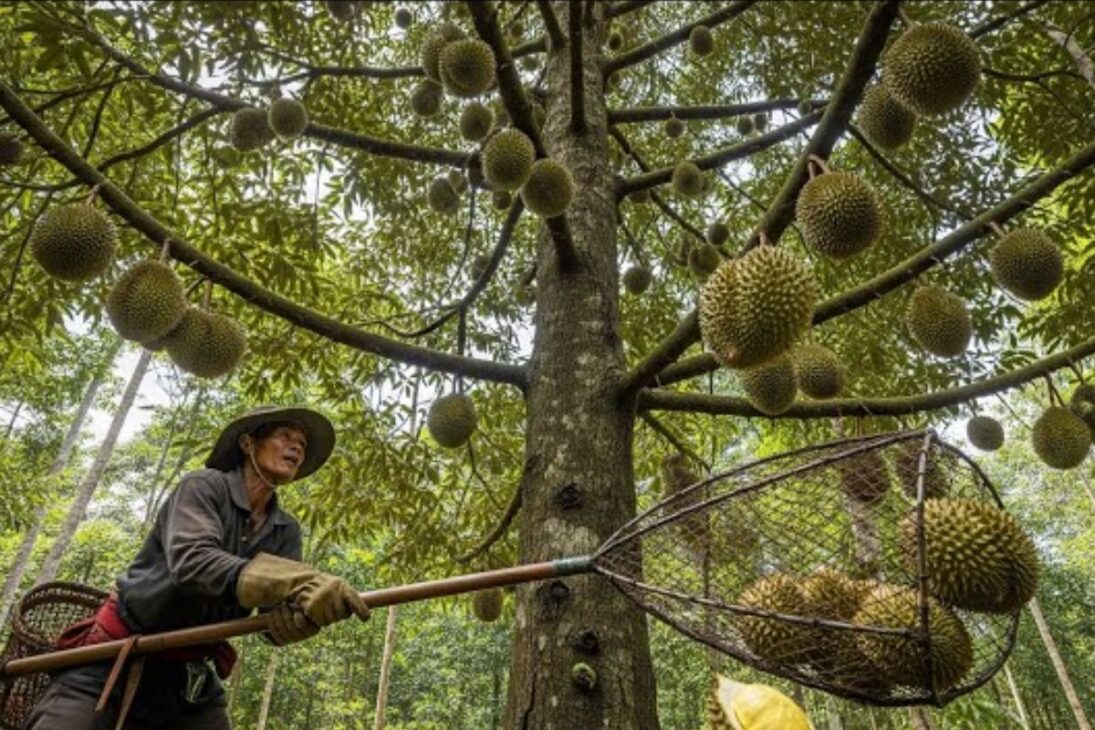
The durian is native to Tropical Regions of Southeast Asia and requires humid climate, frequent rains, and high temperatures. In Brazil, it is cultivated on a small scale, primarily by enthusiasts and producers of exotic fruits in coastal or dense forest regions. The plant takes about 5 years to bear fruit, which also raises its cost and rarity.
For those wishing to plant, it is essential to ensure an environment with high humidity year-round in addition to investing in quality seedlings. According to Giacon, a seedling of 80 centimeters costs around R$350, but the price can double for more developed trees.
What Is the Taste of Durian Like?
Despite the unpleasant smell, the taste of the fruit divides opinions. For some, the pulp is sweet and resembles vanilla with nuts. For others, the flavor is akin to caramelized onion with garlic and sugar. This sensory dichotomy reinforces the fascination with durian, which has been described by writers and chefs as “the most dangerous and delicious fruit in the world.”
On the Asian palate, durian is an ingredient in various desserts, such as ice creams, cookies, cakes, and beverages. It can also be eaten raw or incorporated into savory dishes in fermented versions.
Is It Worth Trying Durian?
From a nutritional standpoint, durian is extremely rich in fiber, protein, vitamins, and bioactive compounds. However, limited access and the strong smell may deter the uninitiated. For those who value exotic fruits, intense experiences and medicinal properties, it is worth the investment—and the olfactory challenge.
Do you think the smell compromises it or that the taste makes up for it? Have you seen this fruit in Brazilian markets? Share your experience in the comments—we want to know if durian attracts or repels you.









-

-

2 pessoas reagiram a isso.