





 Português
  Inglês
  Espanhol
  4 min de leitura
  124 comentários


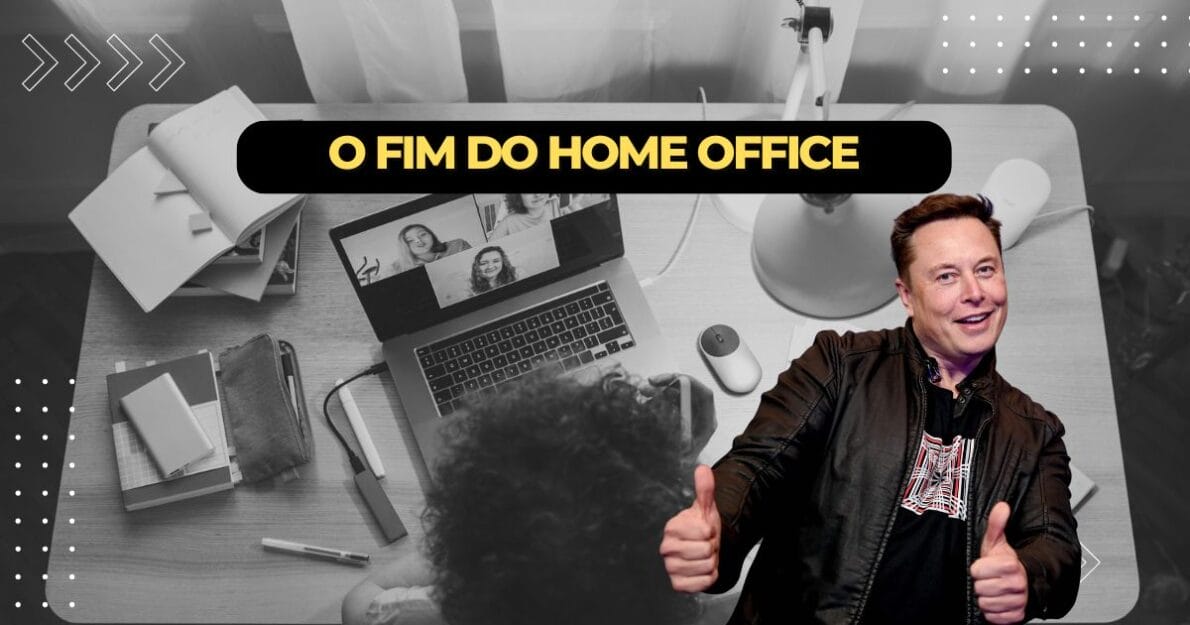


Remote Work Is at Risk. Major CEOs Follow Elon Musk’s Vision, Viewing In-Person Work as Necessary and Rewarding.
The remote work, a practice that exploded during the pandemic, may be running out of time.
In the latest study by consulting firm KPMG, the “CEO Outlook”, executives from large global companies revealed an increasing support for fully returning employees to the physical office environment.
The survey, which heard from over 1,300 CEOs, highlighted a clear trend: the era of remote work is under threat, with many leaders following the example of figures like Elon Musk.
-
Future profession with immediate earnings: Specialist reveals how a solar energy technician earns R$ 8,000 per month by taking advantage of the explosion in demand across the entire country.
-
Work from 8:30 AM to 5:30 PM with a 1-hour break at Sicredi as a Customer Service Assistant and receive a salary + benefits such as life insurance, dental plan, partnerships, Gympass, and much more in job openings across various states.

-
Subsea7 has job openings: the company has offshore and onshore positions available in 2026 for operators, pilots, supervisors, engineers, and much more.

-
Unimed is hiring candidates with and without experience! More than 10 job openings for Assistants, Analysts, Kitchen Assistants, and much more!


And what are the reasons for this pressure? The pursuit of greater control and engagement, along with a surprising rewards policy for those present daily.
The survey indicates that 79% of U.S. CEOs believe that work, which was previously primarily office-based, will return to being conducted physically by 2027.
This number jumped significantly from the 34% recorded at the beginning of the year.
The bet on hybrid models fell from 46% to 17%, while only 4% expect roles to remain fully remote.
The pressure for a return to in-person work has intensified, and some giants, like Amazon, Dell, and Salesforce, already require employees to be in the office for at least a few days a week.
Elon Musk and the End of Remote Work
Elon Musk’s critical view of remote work seems to have inspired other business leaders.
The CEO of Tesla and SpaceX has stated that remote work is “nonsense” and demanded that Tesla employees return to the office, threatening to fire those who insisted on working remotely.
Musk’s approach, known for being incisive, not only shook the market but also resonated among other CEOs, generating a wave of returns to the office among large corporations.
In Musk’s case, his decision reflects a belief that physical presence is essential for performance and teamwork, and now many other business leaders seem to share this vision.
For these CEOs, the office is still the most efficient place for collaboration, innovation, and direct supervision of teams.
Rewards for Those Working in the Office
According to the KPMG study, 86% of CEOs said they will reward with promotions, raises, and new opportunities those employees who choose to work in the office.
In an unexpected twist, these rewards may not be based on results or productivity, but rather on physical presence.
The plan is to ensure that those who contribute in person receive better opportunities in their careers, while those who choose remote work may see their promotion chances diminish.
In Europe, some companies are even suggesting a salary differential for those working remotely.
In other words, working from home may not only limit professional growth opportunities but also decrease earnings for those who opt for it.
Why Is the Return to the Office So Important?
The KPMG survey also examined the concept of “compound volatility,” which includes economic and political risks and increases costs and management challenges.
In this context, CEOs are seeking greater control over their teams to face risks and challenges in an uncertain environment.
Cybersecurity issues and the use of artificial intelligence also weigh in the decisions, with concerns that remote work may expose companies to vulnerabilities.
Moreover, corporate leaders see the physical workplace as more suitable for training, monitoring, and developing essential skills among employees.
Personal contact can facilitate quicker exchanges and create an environment of mutual learning.
Is the Hybrid Model Losing Strength?
The hybrid model, which consolidated as an intermediate solution during the post-pandemic, is facing a decline in preference among CEOs.
Flexibility, which was essential during the adaptation to the pandemic, is beginning to lose ground, with only 17% of U.S. CEOs planning to adopt the hybrid model, down from 46% at the beginning of 2024.
Well-known companies, such as Amazon and Salesforce, recently abandoned the hybrid structure and required employees to return to the office.
Companies that started in remote work, like Nothing, have also begun to demand a more in-person model.
CEO Carl Pei, for example, restructured the company’s routine, requiring that employees from key sectors be present at least a few days a week.
The Future of Remote Work in Brazil and the World
Although the return to the office varies globally, the movement is gaining traction in the U.S. and Europe, which may impact practices in Brazil and other countries.
Remote work, which promised to become the new normal, is now facing growing resistance, and executives’ desire for proximity and control is likely to prevail.
The question now is: to what extent will remote work have space in the future of large corporations?
For many workers, the possibility of working remotely provided unprecedented freedom, and the shift back to total office attendance may be seen as a setback.
However, for CEOs, the need to have engaged and supervised teams in controlled environments seems to be a priority.
What do you think? Is the reward only for those in the office fair, or should remote effort also be valued?









Sem gestão de resultados, desenvolvimento e interação dos colaboradores, ambos modelos são ineficientes. O sucesso dependerá da conexão, seja público ou privado, remoto ou presencial.
Trabalho presencial contato físico relacionamento e e sempre foi a melhor opção…basta olhar os modelos de antigamente pessoas empenhadas disciplinadas carreira solidas crescimento como pessoa entre outras
Já pararam para pensar que quem voltou não podia se dar o luxo de correr o risco de perder o emprego por não se achar capaz de encontrar outro melhor que o mantenha home office? Cada um sabe da sua capacidade e está explorando a situação. Não está nem aí se vai ser demitido, pois sabe da sua capacidade de encontrar um igual ou melhor continuando home office! Não percam tempo se preocupando com ele não, pois quem as empresas queriam que voltassem e não voltaram, elas já demitiram! Como tem gente incapaz e invejo preocupado com os que estão relutantes!!!