





 English
  Francês
  Alemão
  Italiano
  Japonês
  Norueguês
  Portuguese
  Spanish
  3 min of reading


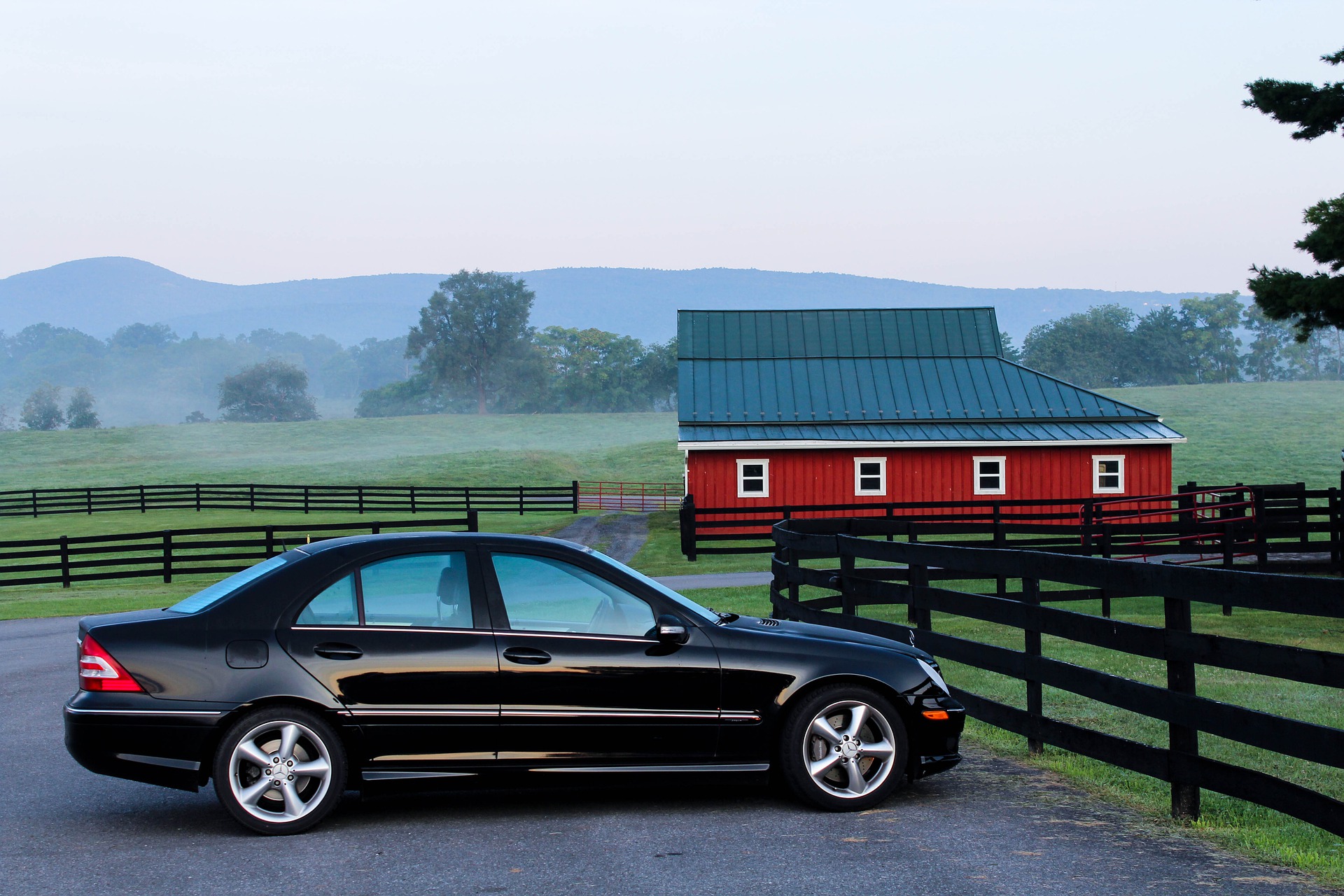
One of the Factors That May Hinder the Broad Growth of the Lead-Acid Battery Market Is Regarding Safety. In Light of This, Many Companies Are Looking for More Sustainable and Viable Long-Term Solutions, Especially for Vehicles Where There Could Be a Reduction in Carbon Dioxide Emissions on the Environment.
The demand for automobiles is growing every day in the international market, and this will cause the economy of the automotive sector to become automated and reach a value of US$ 68 billion by the end of 2030, according to data shared by the paid report from Reports and Data. Lead-acid batteries are competing side by side with those manufactured through lithium, which is a more sustainable semiconductor metal that has been used in electric vehicles, especially those produced by Tesla, and has already increased by over 300% in just one year due to high demand and low supply caused by the Covid-19 pandemic.
Automotive Sector Economy: CAGR Revenue Growth of 4.2%
The CAGR (Compound Annual Growth Rate) revenue will be 4.2% by 2030, according to the report published by Reports And Data. The consistent growth of this market occurs due to a number of factors, ranging from energy storage solutions to the increase in renewable generation in the market.
However, the article states that one factor is expected to negatively impact the battery market: safety. They are not as safe and need to be handled with proper care, and in light of this, companies are seeking materials and alternatives that can replace the lead-acid duo.
-
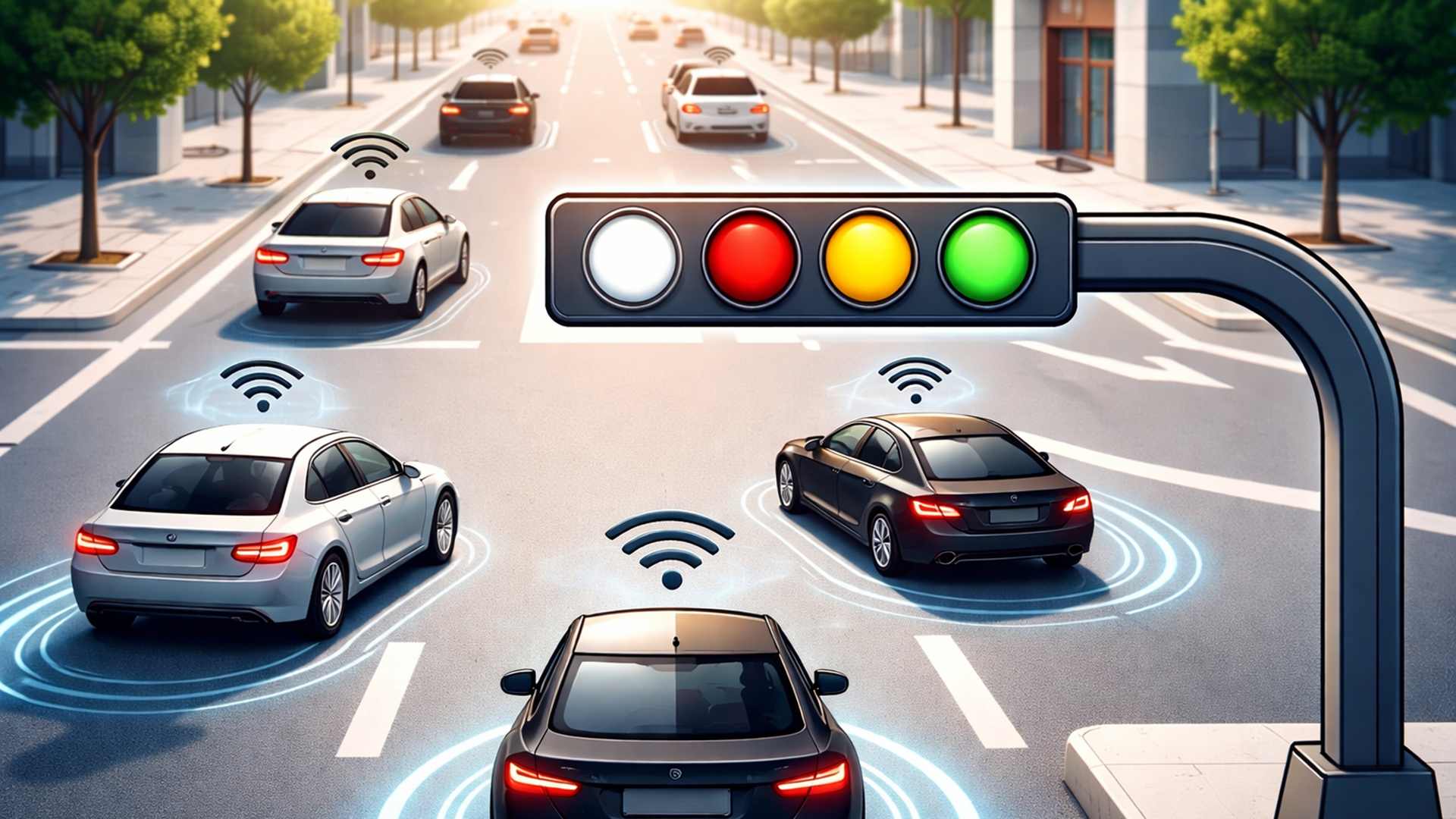
Engineers propose a fourth traffic light for intersections – the change promises to affect crossings, queues, and waiting times.
-
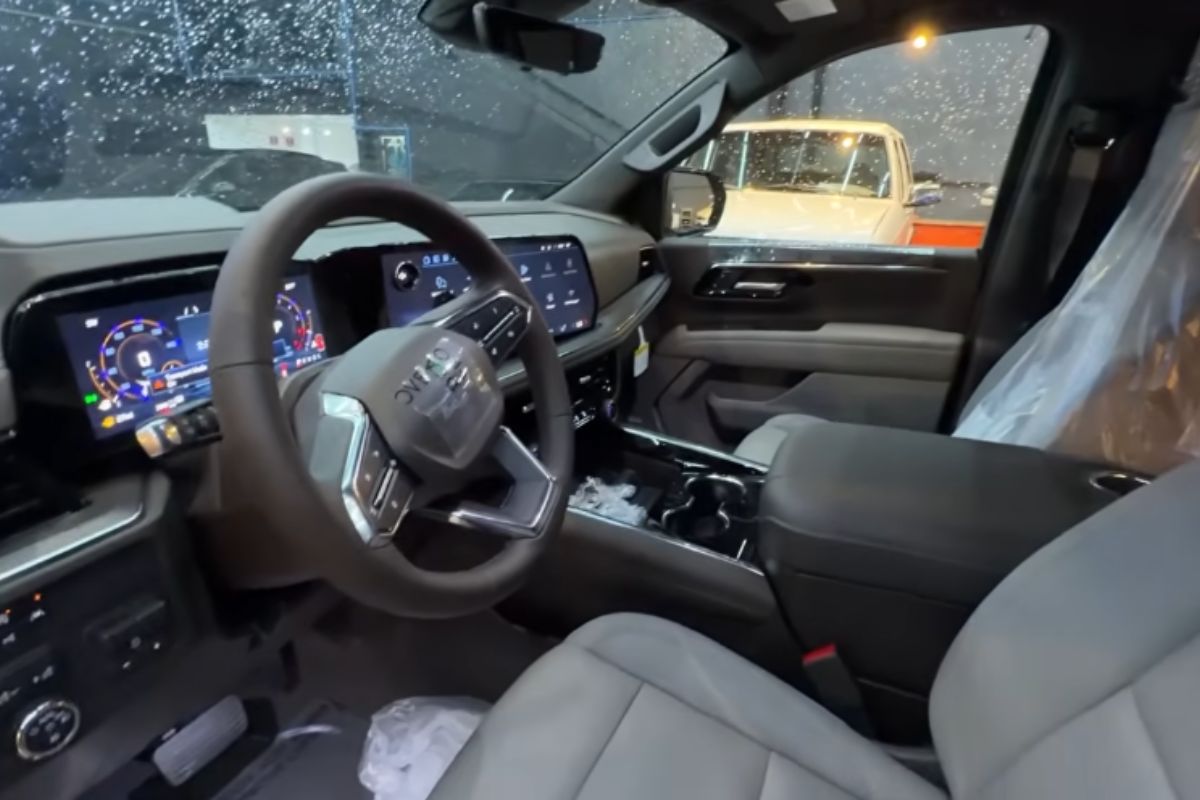
Chevrolet Suburban Z71 lands in Brazil with a V8 engine, off-road design, air suspension, seven seats, and colossal size, a rare version imported for around R$ 1.3 million with luxury and exclusivity.
-
Chinese giant worth nearly R$ 4 billion that manufactures cables for electric cars, solar energy, and robotics wants to open a factory in SC.

-
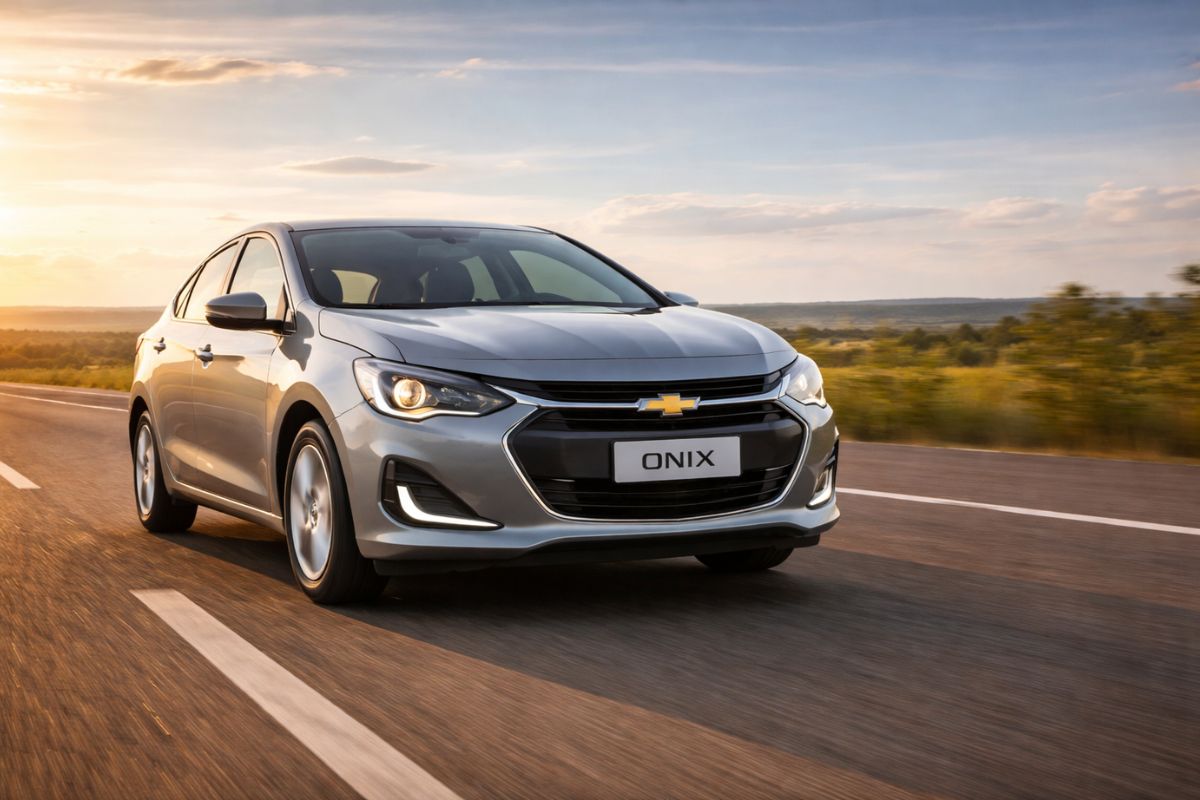
The Chevrolet Onix 1.0 turbo achieves 17.7 km per liter on the highway and ranks among the three most economical cars in Brazil in 2026, alongside two more expensive Toyota hybrids available at dealerships.

Understand More About the Operation of Lead-Acid Batteries
The capacity of this type of battery to provide a high starting current means that its cells have a relatively large power-to-weight ratio, and this characteristic, combined with its low production cost, allows for widespread use in the automotive sector.
To a large extent, this type of battery is used for starting and igniting engines. But not only for that, as many brands tend to use both materials to facilitate lighting processes. In some cases, traction batteries are also used in golf carts and other equipment – machinery ranging from small to large present in the daily life of Brazilians.
Its use goes far beyond the automotive sector, as nowadays, hospitals use batteries for wheelchairs intended for patients who do not have enough strength in their arms to move to other locations, including outside.
One of its advantages is high durability and lifespan, not to mention that it is flexible, robust, and inexpensive, being used in vehicles, motorcycles, and other sectors of the economy. One of its downsides is its low performance when acid and lead are exposed to cold, causing a significant loss of productivity.
The report showing the broad growth of the battery sector using acid and lead was published in May and contains 244 pages with relevant graphs and analyses about the market. Its request can be made for free by filling out an analysis.









Seja o primeiro a reagir!