





 Portuguese
  English
  Spanish
  3 min of reading



The “Most Flexible Economy in the World,” According to The Wall Street, Is Suffering Setbacks Due to the Pandemic.
The GDP (Gross Domestic Product) of Ireland is estimated to have fallen by at least 1% during the first quarter compared to the development of last year. The country started the year facing a strong economic lockdown due to the Covid-19 virus and its variants, which still cause fear among the entire Irish population. In total, it is estimated that Ireland has more than 7 thousand deaths from the coronavirus along with more than 1.5 million recorded cases of infection since the year 2020. These numbers are considered high when taking into account the population size.
Another aspect causing concern in the Irish economy is inflation. Inflation means rising prices while consumer salaries remain stagnant. Brazil is also experiencing an inflation crisis, where the price of gasoline is surpassing R$ 7 in at least twenty states. Milk, which previously cost R$ 1.99 in the city of Brusque, Santa Catarina, is now around R$ 5.99.
GDP Declined in the Irish Economy
According to data revealed this Friday, July 3, it is estimated that the GDP (Gross Domestic Product) has increased by the same 10.8% in all of Ireland during this quarter, but even so, it was 1% below what was predicted for the previous quarter.
-
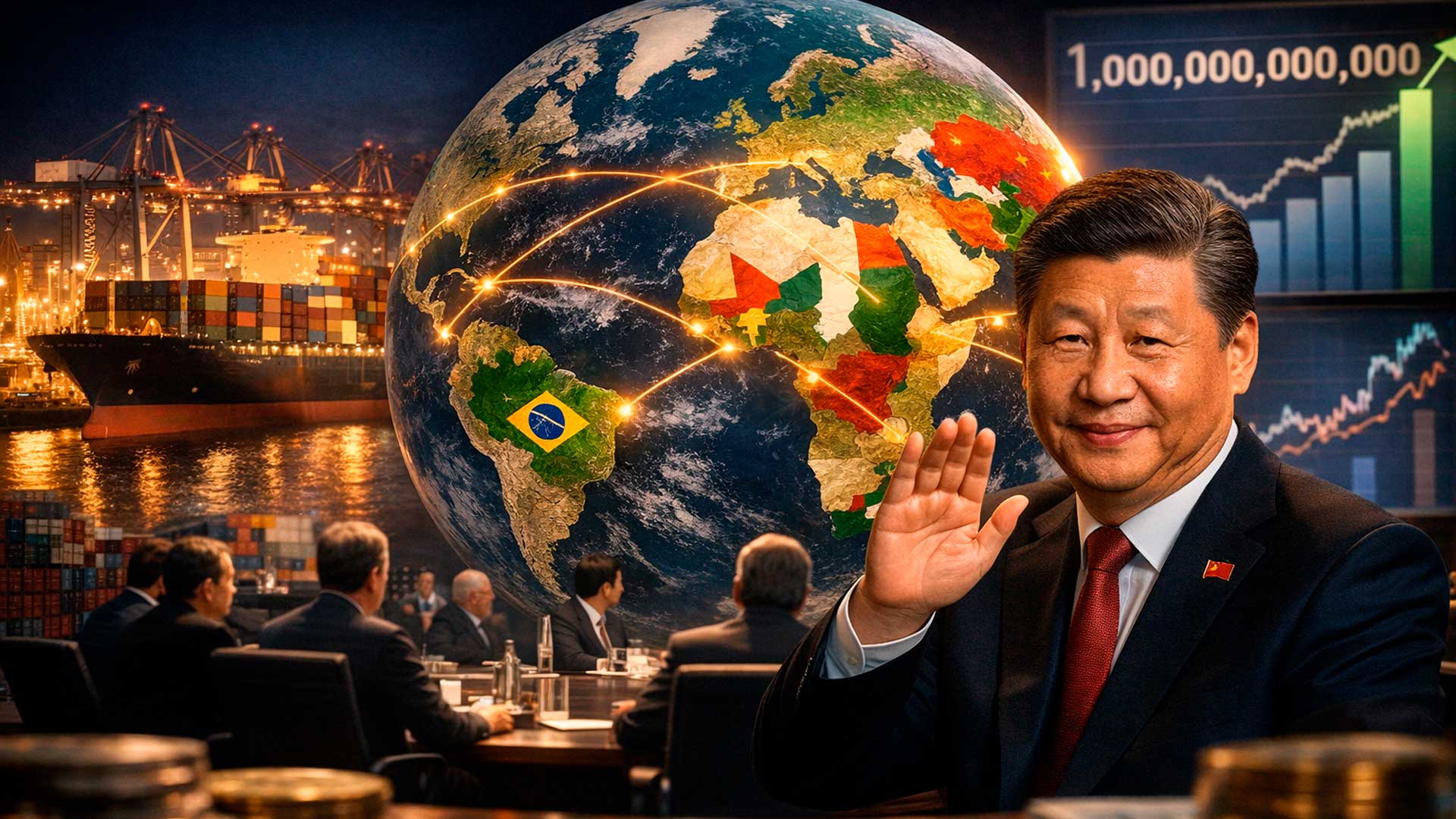
BRICS breaks the barrier of US$ 1 trillion in internal trade, accelerates the weight of the Global South, and pressures Brazil to react in the new economy.
-
Electrolux surprises, closes colossal factory and lays off 400 people in a mass dismissal that will have a direct effect later this year, following a cost review, with an impact of R$ 272.5 million and R$ 109 million in cash in Chile.
-
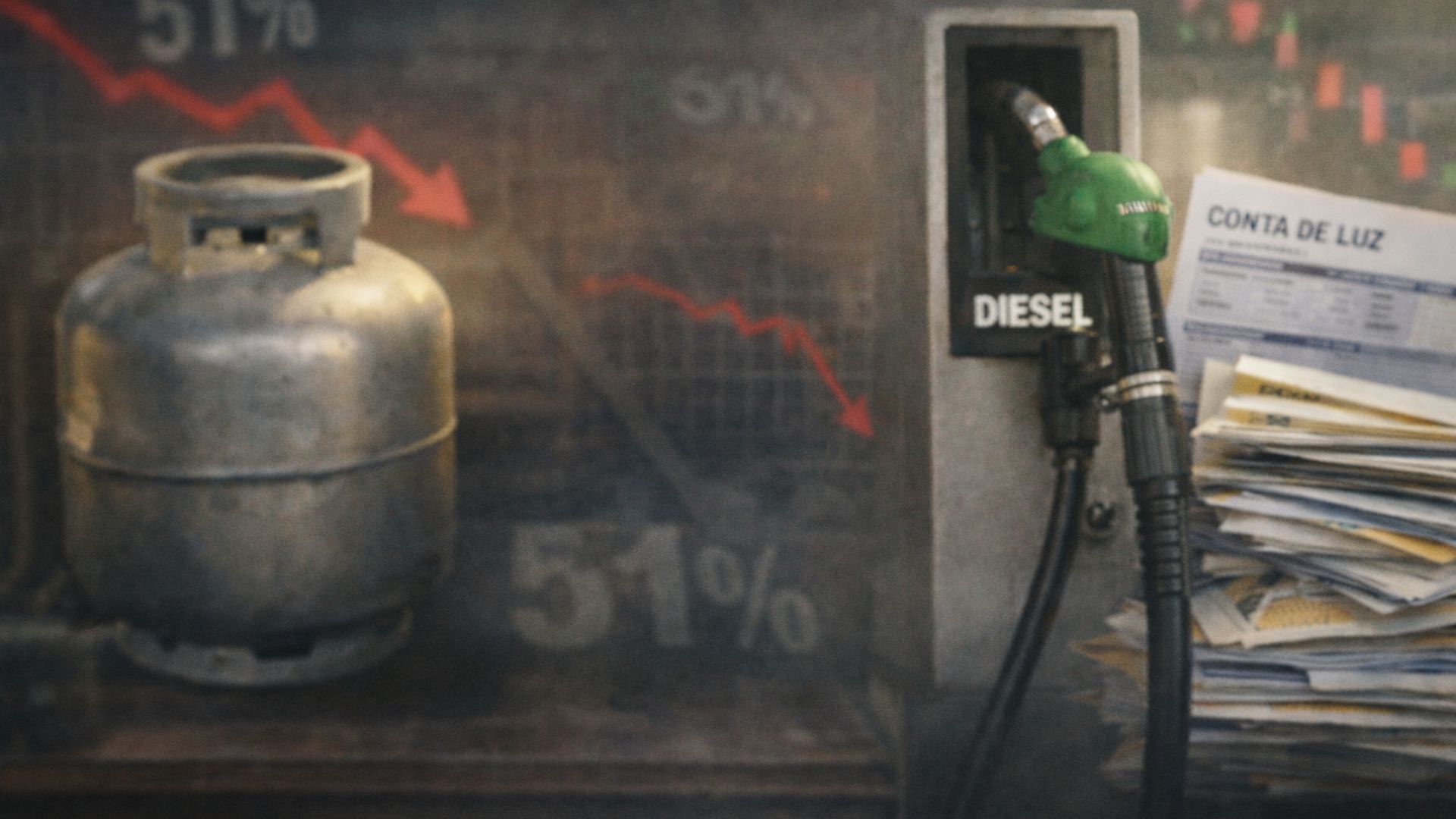
The Lula government is pursuing re-election and is therefore preparing a package with discounts of up to 80% on debts, subsidies for diesel, gas for 15 million, and energy, after reaching 51% disapproval six months before the election.
-
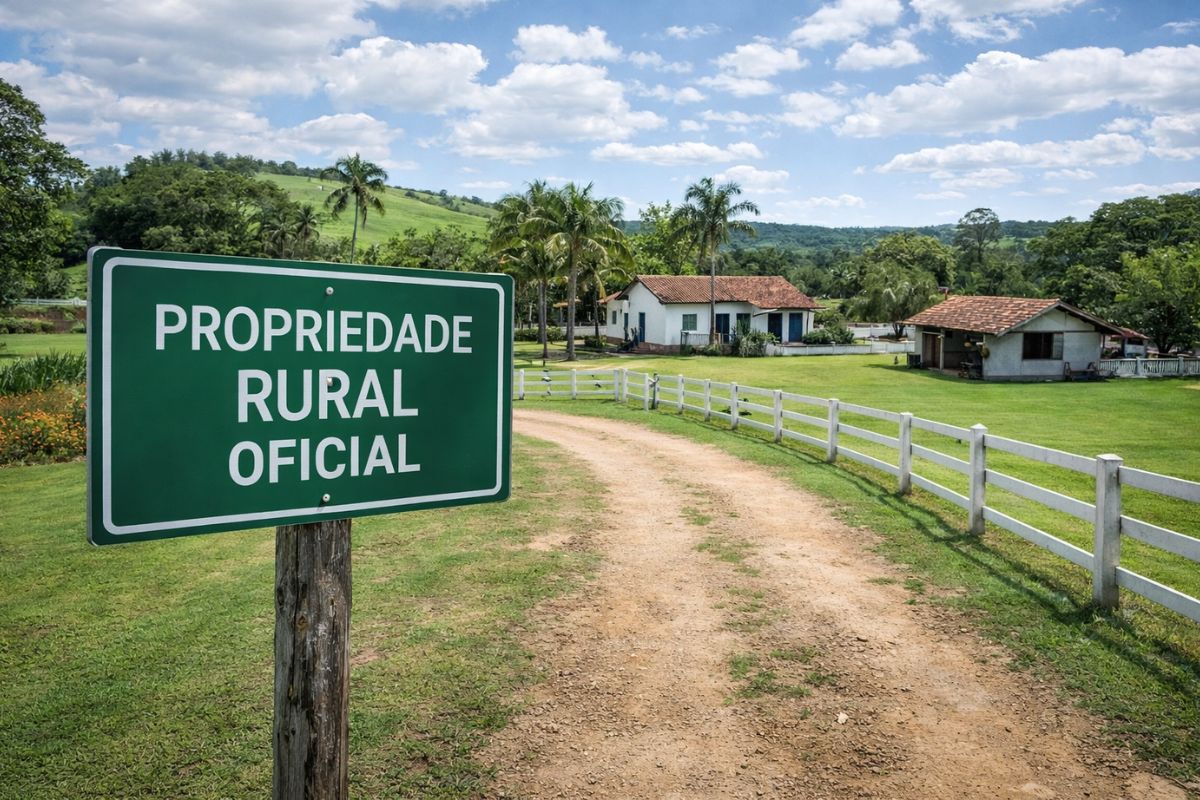
The chamber approves a project that transforms plots of up to 2,000 square meters into official rural properties, allowing thousands of small producers who were invisible to the government to now access credit, tax exemptions, and technical assistance.
According to the Central Statistics Office (CSO), the 14.1% growth in the multinational sector was one of the aspects that prevented the GDP from stagnating. Data collected by the government shows that the population’s spending on goods and services overall decreased by at least 0.7%.
Everything You Need to Know About the Irish Economy
The YouTube channel called Intercambista Investidor has a video that discusses more about the economic history of the Irish and how they are becoming a major power today.
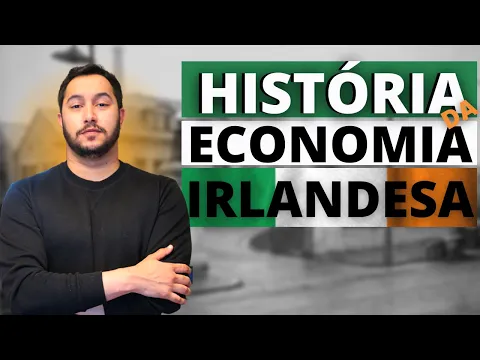

Severe Recession During the Year 2008
After a period of significant development, the Irish began to experience a severe recession during the year 2008. And now with the Covid-19 pandemic, the same inflationary crisis is likely to return.
The Irish agriculture sector accounts for more than 70% of the entire Gross Domestic Product and employs about 28% of the total workforce in the country. Currently, Ireland is also investing in the quality of foreign labor.
According to the World Economic Forum, the country ranks seventh.
Over the past decade, the government has been developing a series of strategies to combat inflation and control the unemployment rate. The increase in base interest rates, the same action being taken by Brazil, is a reality for Europeans to control their currency.
Another aspect of the country’s history is that they joined the launch of the European Union in 1999. In this way, they have numerous economic and political responsibilities within the group.
During July 2018, Irish unemployment reportedly fell by at least 5%. Additionally, according to an article published by The Wall Street Journal and the Heritage Foundation, the Irish are responsible for maintaining one of the most flexible economies in the world.




Seja o primeiro a reagir!