





 Portuguese
  English
  Spanish
  5 min of reading
  0 comments



Want To Save Fuel? Practical Tips To Make Your Car More Efficient.
Who doesn’t want to save fuel, right? With fuel prices always rising, small changes in our driving habits can have a big impact on how much we spend when filling up the tank.
Why Is Saving Fuel So Important?
Have you ever stopped to think about how you could use your car more economically? Imagine the possibility of saving money at the end of the month or even saving up for that dream you’re planning. When we manage to reduce fuel consumption, we not only save when refueling, but we also end up spending less on long-term car maintenance costs.
It’s worth mentioning, however, that each car has its own characteristics. Factors like engine size and weight can influence fuel consumption, but that doesn’t mean we can’t make simple changes in our daily lives to help our wallets.
-
A French brand placed a car on four huge red balloons to prove that its suspension made the vehicle “float,” and the surreal scene became one of the most iconic and unusual images in automotive history.

-
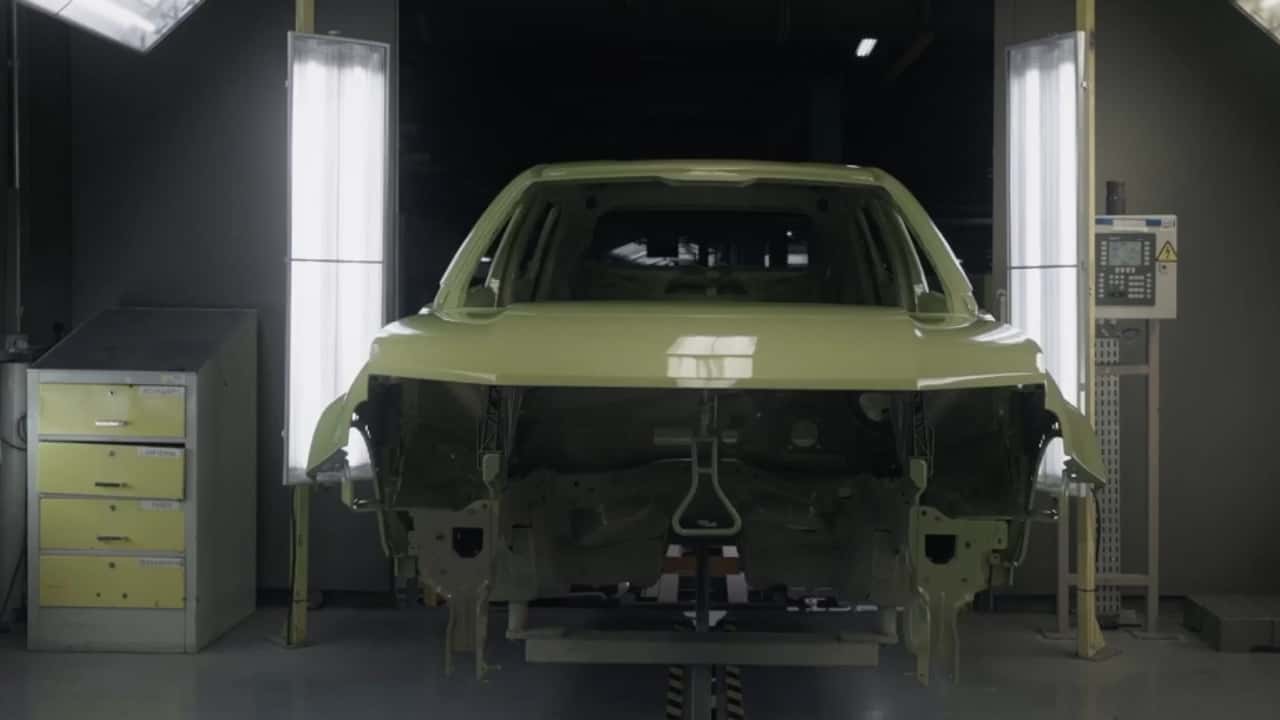
Jeep Avenger begins production in Brazil, debuting as the brand’s new entry-level SUV and inaugurating an unprecedented phase by becoming the first national Jeep manufactured outside of Goiana, as part of a R$ 3 billion plan.
-
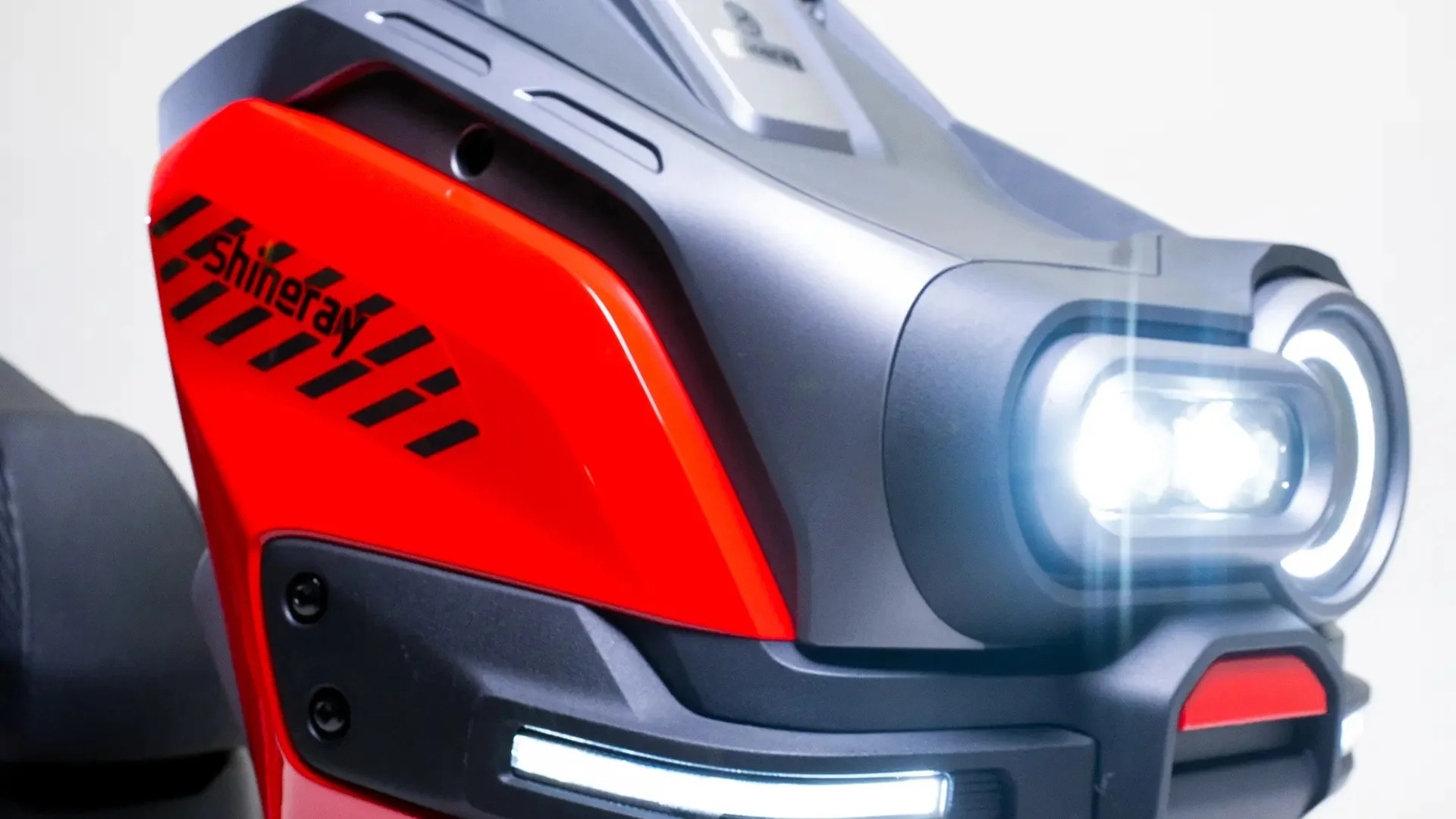
Costing R$ 12,490, the new Shineray Urban Lite 150 “cheap one” arrives in Brazil with a CVT transmission, digital dashboard, and LED lights, making it more affordable than the Biz and targeting those who want to abandon the bus.
-
Ducati brings to Brazil the Superleggera V4 Centenario: 228 hp that become 247 with a track kit, carbon fiber and carbon-ceramic brakes, estimated price between R$ 1.5 and 2 million, deliveries only in 2027.


7 Habits That Increase Fuel Consumption
Now that you’ve realized the importance of saving, how about discovering which habits might be sabotaging your fuel economy? Check out the main culprits and see where you can improve.
1. Driving With The Air Conditioning Always On Max
Ah, the comfort of a cool car, right? However, running the air conditioning on max can be one of the biggest culprits in increased fuel consumption. This is because, when you turn it to maximum, the compressor needs energy to operate – and that energy comes from the engine. The result? The engine works harder and burns more fuel.
Tip to Save: Try to keep the air conditioning in non-recirculation mode to use the already cooled air inside the car and avoid leaving the air conditioning on all the time. If possible, prefer to keep the windows open to ventilate the car on short trips.
2. Removing The Catalytic Converter From The Car
Some people even try to remove the complications from the car to “improve performance,” but believe me, that will only do harm. The catalytic converter plays an essential role in your vehicle’s emissions system, and by removing it, the engine may start to work inefficiently, increasing fuel consumption. Additionally, the extra heat can wear out important engine components.
Tip to Save: Always maintain the strategies in your car to ensure it operates correctly and efficiently.
3. Not Cleaning The Fuel Filter
It may seem simple, but a dirty fuel filter can make a big difference in consumption. It obstructs the passage of fuel, forcing the engine to work harder to achieve the same performance. The result? More fuel is consumed to keep the car moving.
Tip to Save: Change the fuel filter regularly, every 10,000 to 15,000 km, as recommended by the manufacturer. This helps the engine operate more efficiently.
4. Traveling With Excessive Load
You know that pile of stuff that sits in the trunk or back seat? Well, every extra kilo in your car requires more energy from the engine to move the vehicle, which ultimately increases fuel consumption.
Tip to Save: Whenever possible, remove unnecessary items from your car. Less weight means less engine effort.
5. Driving With Incorrectly Inflated Tires
Tires with incorrect pressure create more rolling resistance, causing the engine to work harder to keep the car moving. This not only increases fuel consumption but can also compromise tire durability and vehicle safety.
Tip to Save: Check tire pressure every 30 days. Correctly inflated tires can help save fuel and improve road safety.
6. Losing Control When Accelerating And Braking
Accelerating sharply and braking abruptly can be a significant fuel consumption villain. When you accelerate too quickly, the engine uses more energy than necessary, and when you brake suddenly, the engine has to work harder to regain speed.
Tip to Save: Try to drive more smoothly, with gradual accelerations and gentle braking. Maintaining a constant speed also helps save fuel.
7. Fueling With Low-Quality Fuel
Filling up at better quality gas stations can result in an engine that does not operate efficiently, as well as decreasing your car’s performance and increasing fuel consumption. Contaminated fuel, for example, can compromise the engine in the long run.
Tip to Save: Always refuel at trusted gas stations known for providing quality fuel. This will ensure that your car runs well and that you don’t lose money on poor fuel.
Practical Tips To Save Fuel
Now that you know what might be hindering your fuel economy, here are practical tips to help you reduce spending in your daily life.
1. Drive At A Leisurely Pace
One of the best ways to save fuel is to avoid rapid accelerations and harsh braking. Driving more calmly, without rushing, can lead to significant savings in the long run. Additionally, maintaining a safe distance from the car in front will allow you to slow down more gradually, saving fuel.
2. Plan Your Routes
Avoid driving on congested routes and always seek the fastest, traffic-free paths. GPS apps like Google Maps or Waze are great allies in this task. They can help you avoid traffic and even find alternative routes that save fuel.
3. Invest In Good Driving Habits
Driving defensively and calmly can make a big difference in fuel consumption. Additionally, make sure that the tires are properly inflated and that the car is aligned. All of this helps keep the engine running efficiently.
4. Maintain The Rhythm On The Road
Maintaining a constant speed is one of the simplest ways to save fuel, especially on highways. Avoid constantly accelerating and braking, as this makes the engine work harder and consumes more fuel. And if you need to stop for a while, like at a traffic light or in a traffic jam, don’t hesitate to turn off the car.
5. Keep Up With Maintenance
Nothing is more important than ensuring your car is always in good working condition. This includes changing the oil on time, keeping the filters clean, and ensuring the car has no leaks or mechanical issues. Keeping the car well-maintained will help reduce fuel consumption and increase the vehicle’s lifespan.
As you can see, saving fuel doesn’t have to be hard. Small changes in your driving behavior, such as driving more calmly, keeping your car well-maintained, and avoiding specific habits, can make a big difference in how much you spend on fuel. And best of all, these changes not only help your wallet but are also important for safer and less polluting traffic.
Now, how about starting to implement these tips in your daily life? Your car and your bank account will surely thank you.










Seja o primeiro a reagir!