





 Portuguese
  English
  Spanish
 4 min of reading
  0 comments


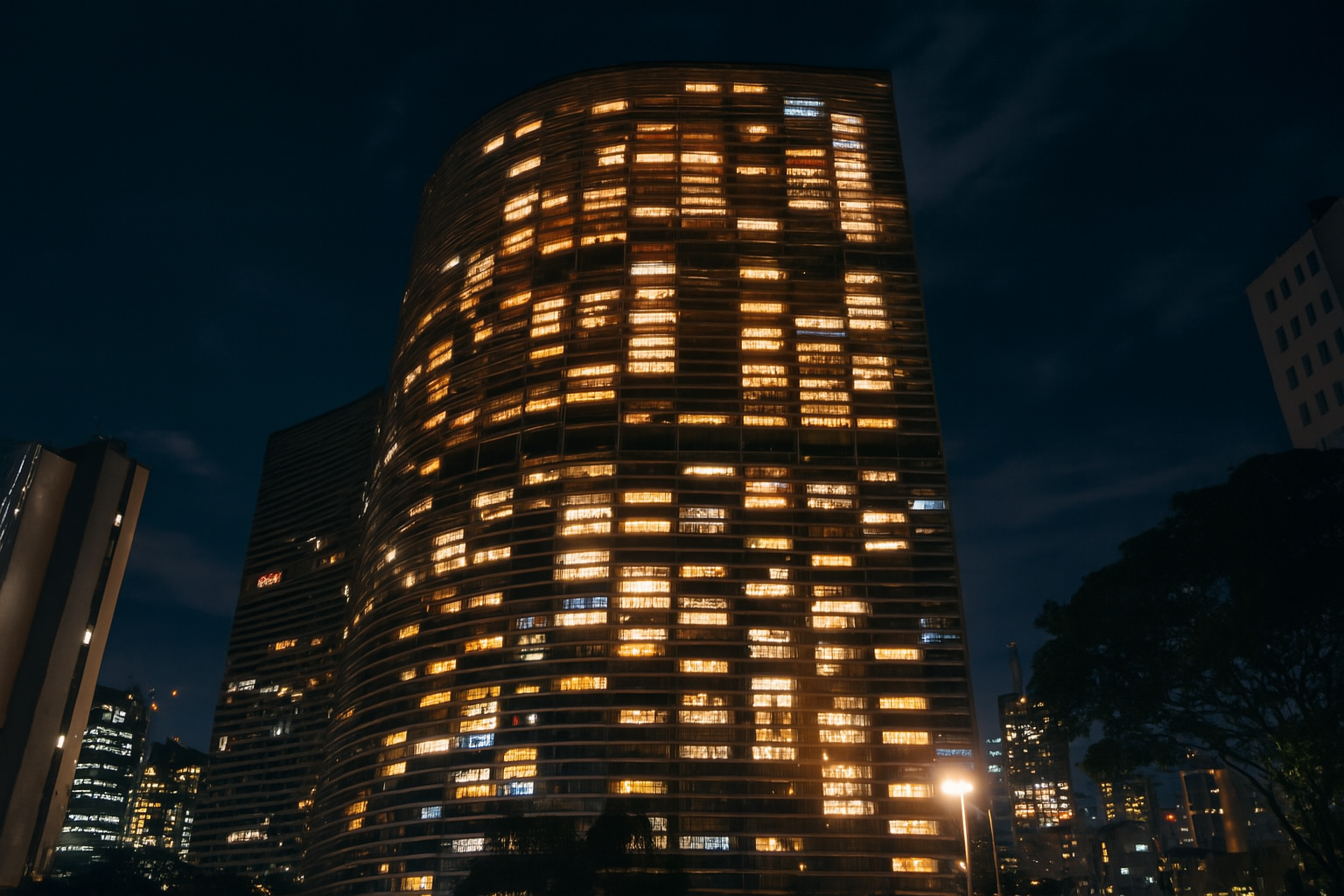
Inaugurated in 1966, the Copan Building gathers 5,000 residents and more than 70 businesses, consolidating itself as an icon of modern architecture and urban life in downtown São Paulo.
In the heart of the São Paulo capital, between the hustle and bustle of Avenida Ipiranga and the skyline marked by skyscrapers, stands a colossus that challenges the notion of a residential building. Inaugurated in 1966, the Copan Building is not just another building: it is a living organism, pulsing 24 hours a day, gathering 5,000 residents, over 70 commercial establishments, and an architecture that has turned it into a symbol of modern Brazil.
Designed by architect Oscar Niemeyer, the Copan became the largest reinforced concrete structure in the country and one of the most emblematic works of world architecture. Its wavy shape, winding through the city center, is not just aesthetic: it reflects the ideal of an integrated city where living, working, and having fun can fit into a single space.
A Vertical City
The numbers of Copan impress and justify its fame as a “city within a city”:
-
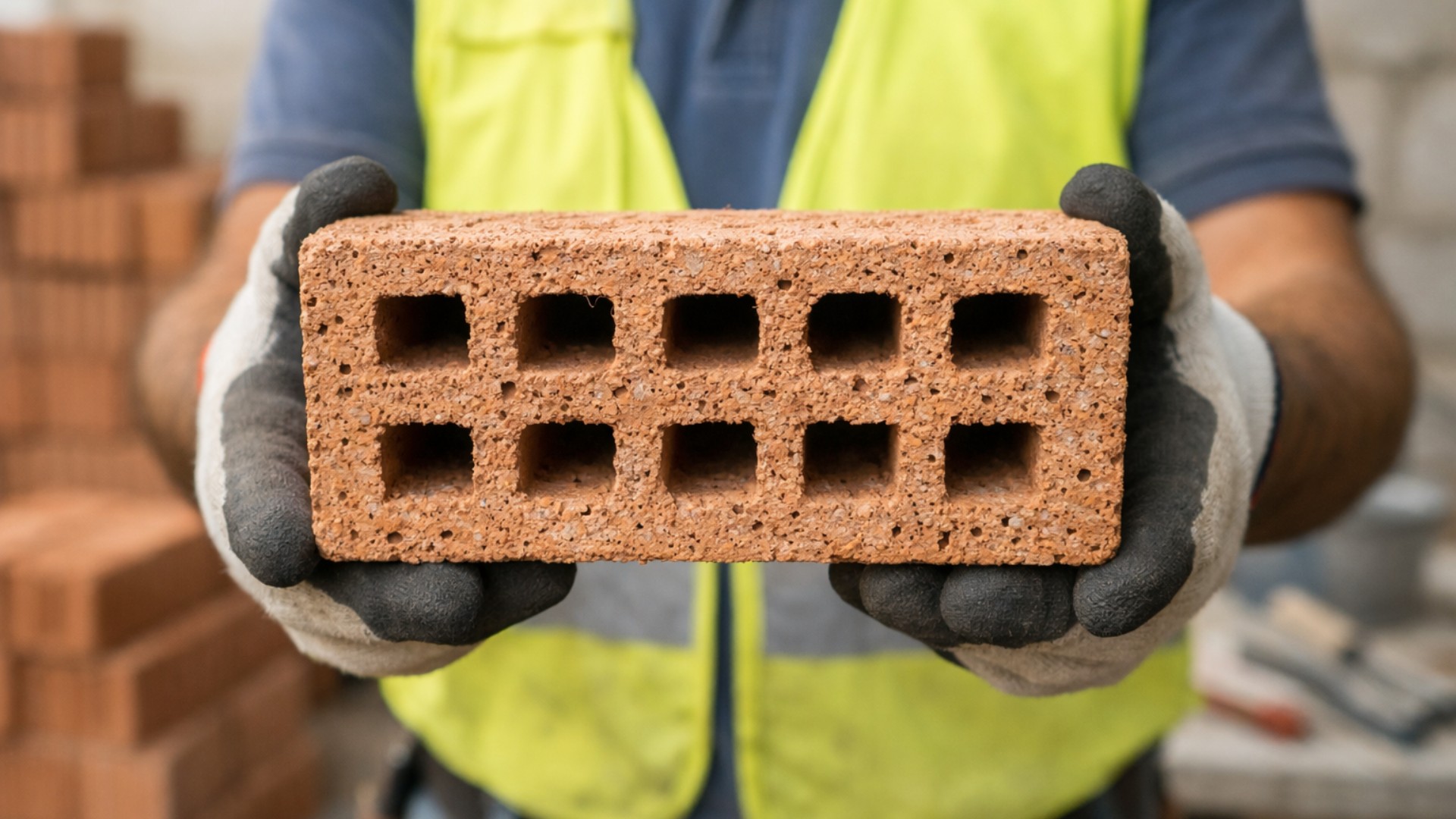
Scientists use sawdust mixed with clay to create a lighter brick, promising efficient thermal insulation and impressing by transforming waste into a solution for construction.
-
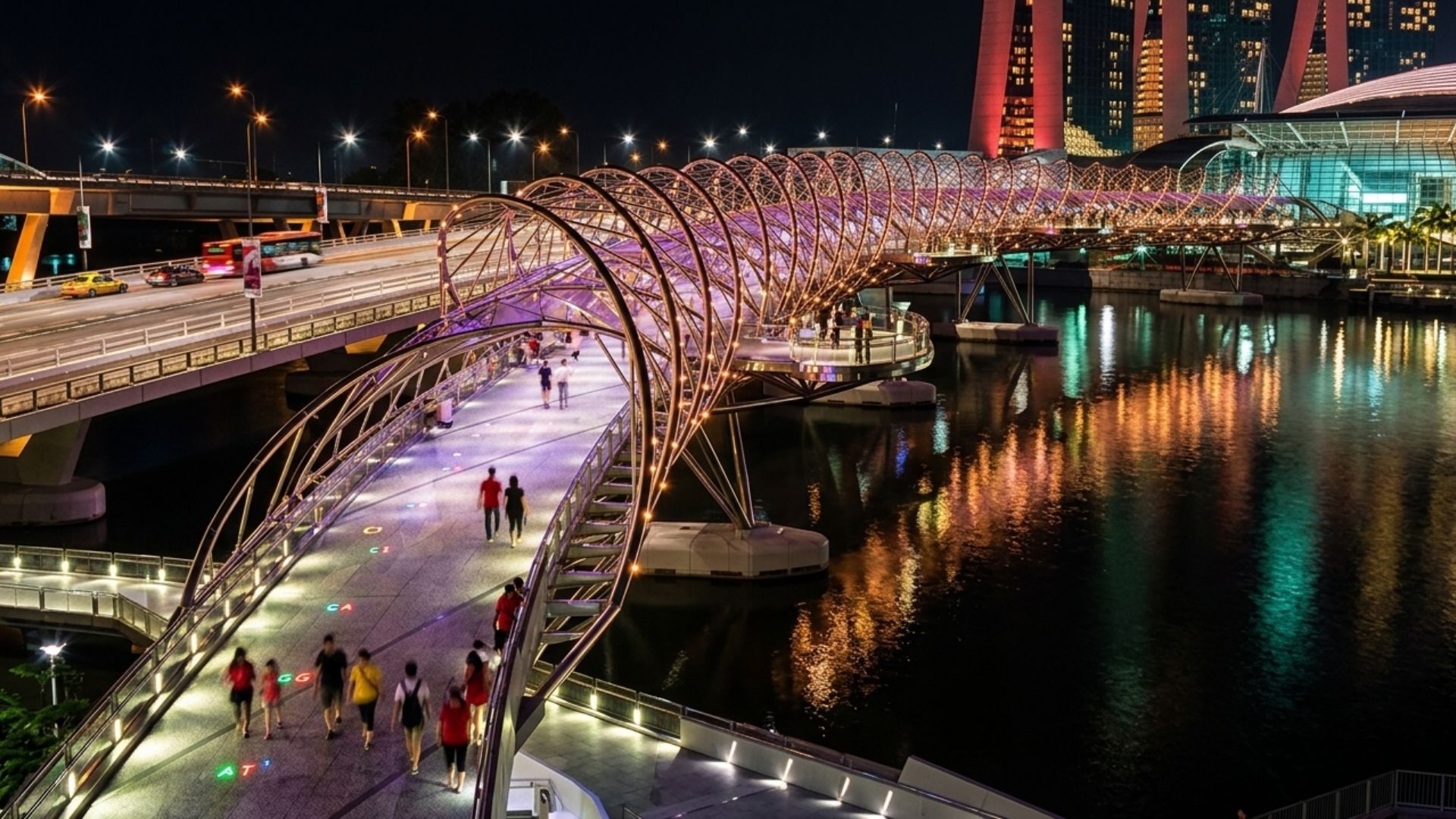
With a DNA shape, this bridge in Singapore draws attention in modern architecture and surprises tourists by transforming a simple crossing into an unforgettable visual experience in the urban heart.
-
Giant underwater pipeline begins to take shape with a R$ 134.7 million project at the Port of Santos: the 1.7 km structure uses 12-meter and 700 mm pipes to supply water to 450,000 people in Guarujá.

-
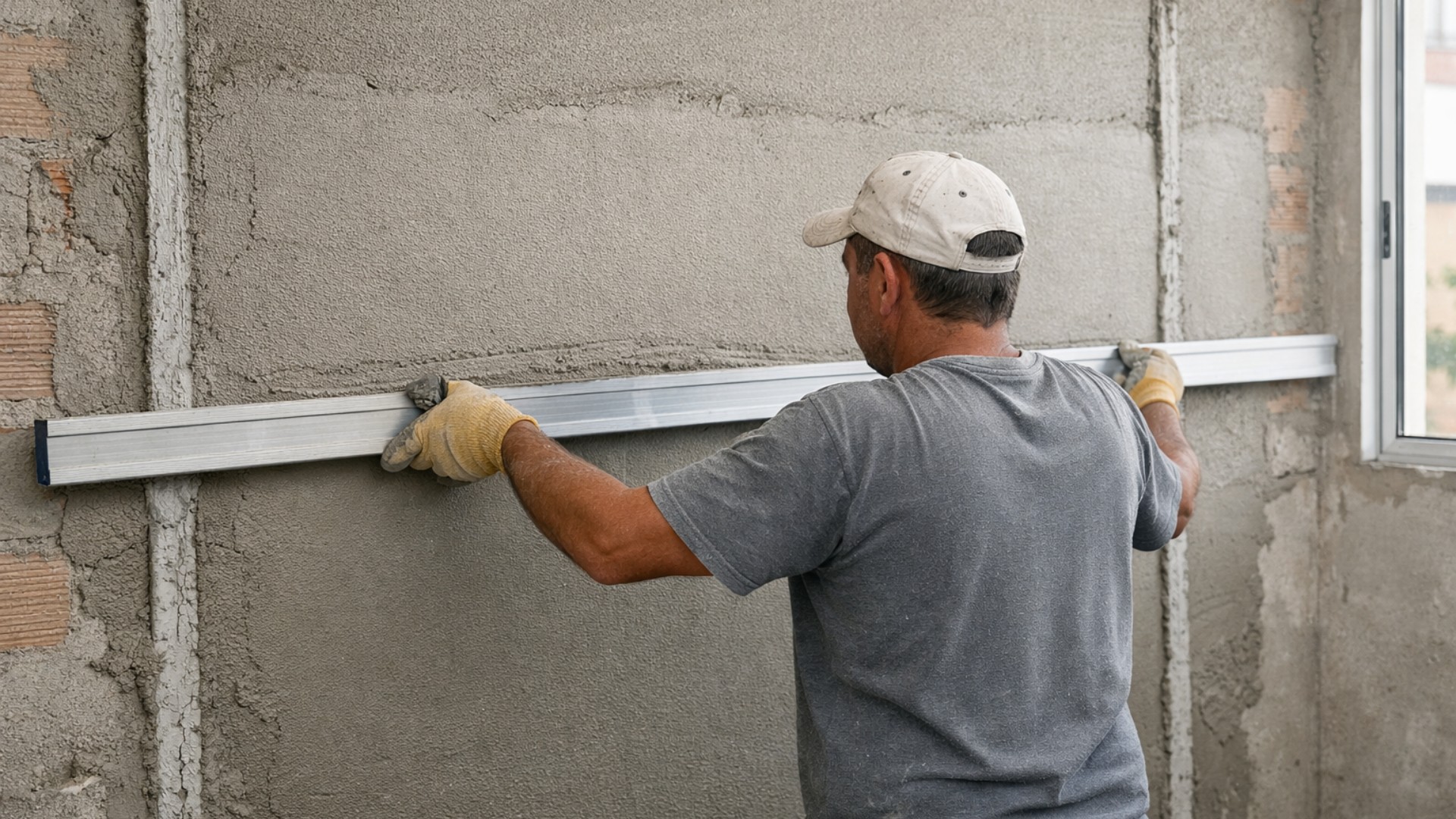
A mason reveals a professional plastering technique that uses aligned guides and a 3-meter ruler to plaster an entire wall in up to 3 hours, without visible seams, with uniform thickness, perfect plumb, and a finish ready for painting without rework.
- Built Area: 120,000 m²
- Apartments: 1,160 units, ranging from studios of 26 m² to penthouses of 350 m²
- Resident Population: about 5,000 people, equivalent to many small Brazilian towns
- Internal Commerce: over 70 shops, including restaurants, laundries, bakeries, offices, and even an evangelical church
- Floors: 32, distributed across 6 interconnected blocks
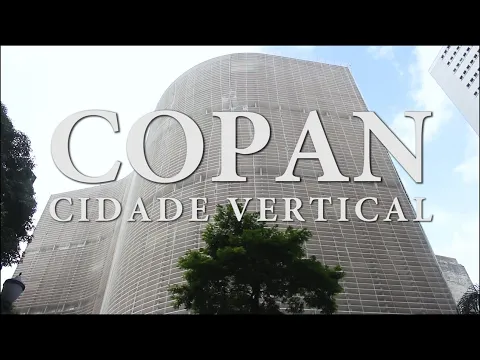

Copan is a microcosm of São Paulo’s diversity: it houses everyone from students and families to artists, executives, and retirees. Generations, lifestyles, and stories intersect daily in the endless corridors of the building.
Niemeyer’s Project
Oscar Niemeyer conceived Copan in the 1950s, amidst the dream of a modern, cosmopolitan São Paulo. The wavy design of the facade was not mere whim: the curves represent the dynamism of the metropolis and, at the same time, break the monotony of the straight lines that dominated the architecture of the time.
Initially intended as part of a complex that would include a luxury hotel and cinemas, the project was scaled down due to the economic crisis that hit Brazil in the 1960s. Still, the building maintained the ambition to house thousands of people in a self-sufficient space.
Copan in Urban Life
More than a building, Copan has become part of the city’s imagination. Its curves have already been the backdrop for films, songs, photo shoots, and international reports. It is a must-visit spot for tourists and a subject of study for architects worldwide.
In practice, it functions as a living organism. Residents of Copan can spend days without leaving the building: there are supermarkets, hairdressers, restaurants of all prices, stationery stores, law offices, and even art studios. At night, activity continues with bars and cafes that also attract visitors from outside.
The Weight of Maintenance
Managing a concrete giant like Copan is no simple task. The building requires a management structure that resembles that of a small city hall:
- There are security, cleaning, and maintenance staff on continuous shifts
- The elevator system, with dozens of cabins, requires ongoing inspections
- The utility bills for energy and water are proportional to the size of the building, demanding careful financial management
Even with high maintenance costs, Copan remains one of the most sought-after options for those looking to live in downtown São Paulo, amidst cultural effervescence and the practicality of having everything at their feet.

A Symbol of the City That Never Sleeps
Like São Paulo, Copan never stops. In the morning, corridors and elevators fill up with students and workers. In the afternoon, restaurants buzz with quick lunches. At night, bars and cafes welcome bohemians, artists, and tourists. Late at night, when most of the city rests, Copan remains illuminated, with windows revealing lives that continue to turn.
More than just concrete and curves, Copan is a reflection of São Paulo’s diversity and intensity. A building that mixes luxury and simplicity, art and routine, history and contemporary life.
Copan as Heritage
Today, the building is recognized as a cultural and architectural heritage. It is studied in universities, photographed on postcards, and celebrated as one of the most important modernist landmarks in the country.
For those who live in it, however, Copan is not just an iconic work: it is home, community, market, living space, and even a backdrop for personal stories. A place where thousands of lives meet every day, forming a community that does not fade even after decades.








-

Uma pessoa reagiu a isso.