





 Portuguese
  English
  Spanish
  4 min of reading
  0 comments


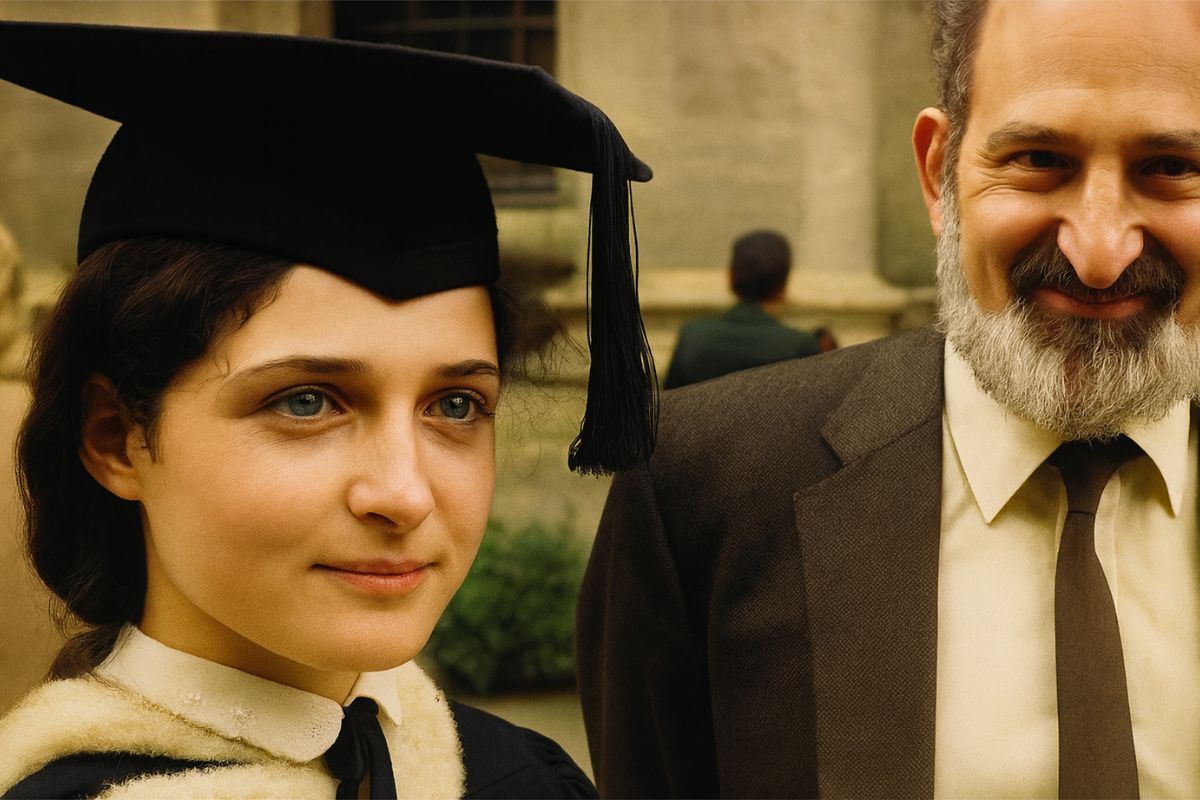
Homeschooled by Her Father, the Gifted Girl Aced the Exam at Age 10, Graduated in Two, and Built a Discreet and Consistent Academic Trajectory.
A gifted girl from Britain, born in 1971, made headlines by breaking academic barriers: admitted first in the Oxford Mathematics entrance exam at age 10, she entered university at 12 and completed her degree in just two years, with honors. Homeschooled by her father, she went through childhood under the spotlight and scrutiny but remained focused on her studies.
What started as a noisy case of precocity turned into a solid and discreet academic life. After graduating, she continued researching pure mathematics, solidifying a trajectory that, decades later, still sparks a relevant debate: how far should we accelerate a child’s education?
Who She Is and What She Achieved: From Home to Oxford
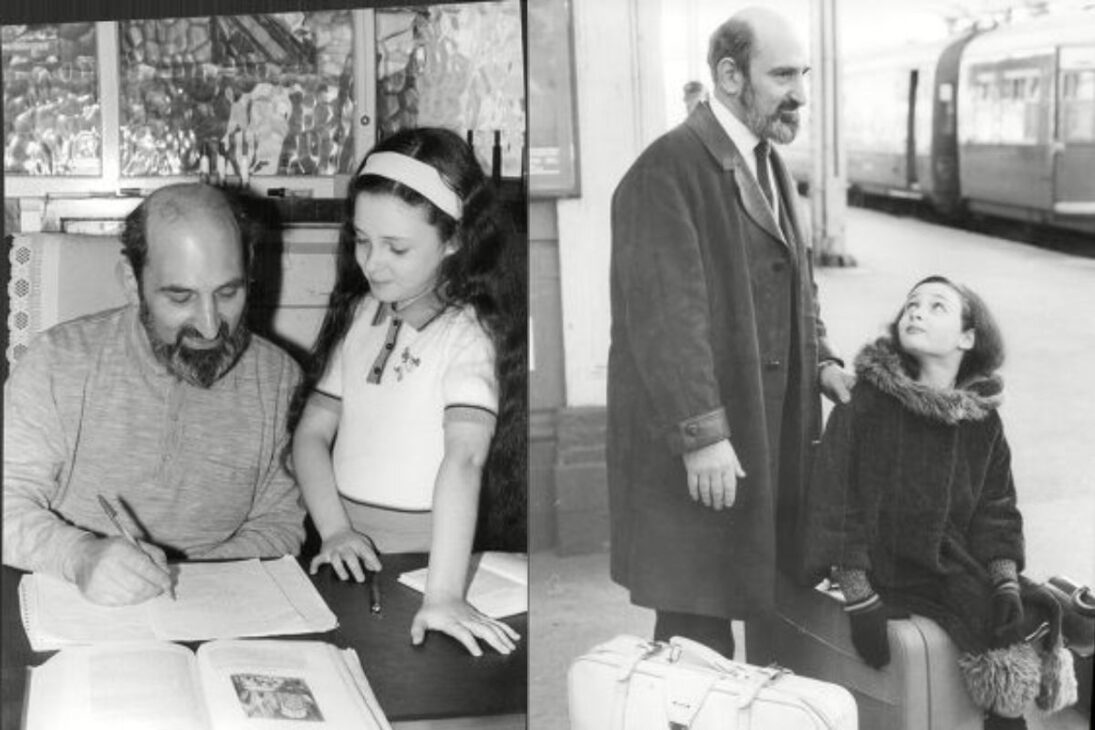
The protagonist is Ruth Lawrence, a girl raised under homeschooling since the age of five.
-
A forgotten cord on the floor of a basement in Vienna leads a plumber to a box containing 30 kilograms of gold with Mozart’s face, hidden before World War II. The treasure, worth 2.3 million euros, was just centimeters away from a worker who ignored the sign a day earlier.

-
A couple buys an old chalet, breaks the kitchen floor for renovation, and finds over a thousand coins of gold and silver hidden since the English Civil War over 4 centuries ago.

-
Rigid bags with their days numbered: new trend prioritizes comfort in 2026.

-
YouTuber creates an excavator equipped with a giant 4.5-meter sword to challenge his brother to a rematch, and the invention quickly goes viral on social media.


Her parents, IT consultants, took charge of her schooling with her father leading the planning and study routine.
At nine, she had already accumulated advanced math exams; at ten, she topped 530 candidates in the Oxford selection.
In 1981, she entered Oxford through St Hugh’s College and at 13, completed her Mathematics degree with the highest British distinction (first class).
“Two years” was the time she needed to complete a path intended for three—a milestone that placed her on the global map of gifted education.
Homeschooling: Intensive Method, Rapid Results
The homeschooling was structured around a strict routine, objective goals, and immersion in pure mathematics from an early age.
The goal was to reduce distractions, gain depth, and accelerate the content pathway, in a line that prioritized conceptual mastery and problem-solving.
This environment, however, fueled controversy: experts questioned the social cost of isolation and pressure for performance.
The family argued that personalizing the pace opened space for genuine curiosity and the joy of scientific discovery a bet that academic results confirmed.
The 10-Year-Old Test: Talent and Preparation Meet Opportunity
The Oxford exam acted as a “stress test” of the method. At only 10 years old, the student outperformed hundreds of much older candidates.
Apart from the media spotlight, the achievement highlighted two strong messages: talent needs a pathway, and a pathway needs open doors—institutional flexibility to welcome those who learn outside the norm.
Entering at 12 solidified the narrative of exception. The university adjusted pedagogical practices, while the student navigated advanced content, seminars, and uncompromising assessments.
There were no “shortcuts” in the curriculum; there was rigorous acceleration.
Graduating in Two Years: Rigor, Focus, and Mentorship
With two years of study and maximum distinction, Ruth Lawrence demonstrated an unusual command of advanced topics.
The shortening of the path does not mean superficiality: it indicates concentration and well-designed instructional sequence, as well as a mentorship capable of calibrating challenges week by week.
In parallel, the case raised an alert: precocity does not replace emotional support.
University life requires autonomy, social repertoire, and pressure management—points that, in accelerated paths, call for explicit support networks.
From Doctorate to Research: Life Away from the Spotlight
After completing her degree, she became fully immersed in pure mathematics, earning a doctorate while still a teenager in areas such as knot theory and algebraic topology.
Then, academic positions in the USA and a move to Israel, where she continued her career with a low profile and continuous productivity.
The shift from media focus to the laboratory was intentional. Science, not fame, became the measure of success.
Publications, student mentoring, and participation in research groups replaced the narrative of “child prodigy” with that of a mature researcher.
Controversy and Learning: What This Case Teaches About Acceleration
Cases like that of this gifted girl help separate myths from evidence. Accelerating can be appropriate when there is a consistent diagnosis of high abilities, pedagogical support, and socio-emotional monitoring. Without this, the “leap” becomes a risk for gaps and stress.
There’s also a message for institutions: access flexibility, personalized pathways, and structured mentorship expand opportunities without diluting standards.
Excellence and inclusion are not opposing forces—if the academic design is competent.
Homeschooling and School: Complementary, Not Exclusive
Homeschooling demonstrated potential for depth and pace, but does not necessarily replace the socialization and diversity that school offers.
Hybrid models with early college credits, open labs, and science clubs can deliver the best of both worlds.
For public and private networks, the case inspires competency-based acceleration policies, the use of external assessments as gateways, and mentoring programs for high abilities, reducing the chances of talents remaining invisible.
Why This Story Still Matters
Decades later, the trajectory remains exemplary for a simple reason: it shows that the path of talent is rarely linear.
Different rhythms, clear goals, and human support form the triad that sustains exceptional journeys without sacrificing well-being.
In the end, the most lasting mark is not the childhood headline, but the silent consistency of her academic and personal life. Early brilliance fades; solid contribution remains.
Do you interact with students with high abilities? Did acceleration help or was there a lack of emotional support? If you are a parent or teacher, how do you balance academic depth and a healthy childhood?
Share in the comments what supports worked and what was missing. Your real experience can help other families and schools design more humane pathways for each gifted girl.









-

-

-

-

-

-

544 pessoas reagiram a isso.