





 Portuguese
  English
  Spanish
 3 min of reading
  0 comments


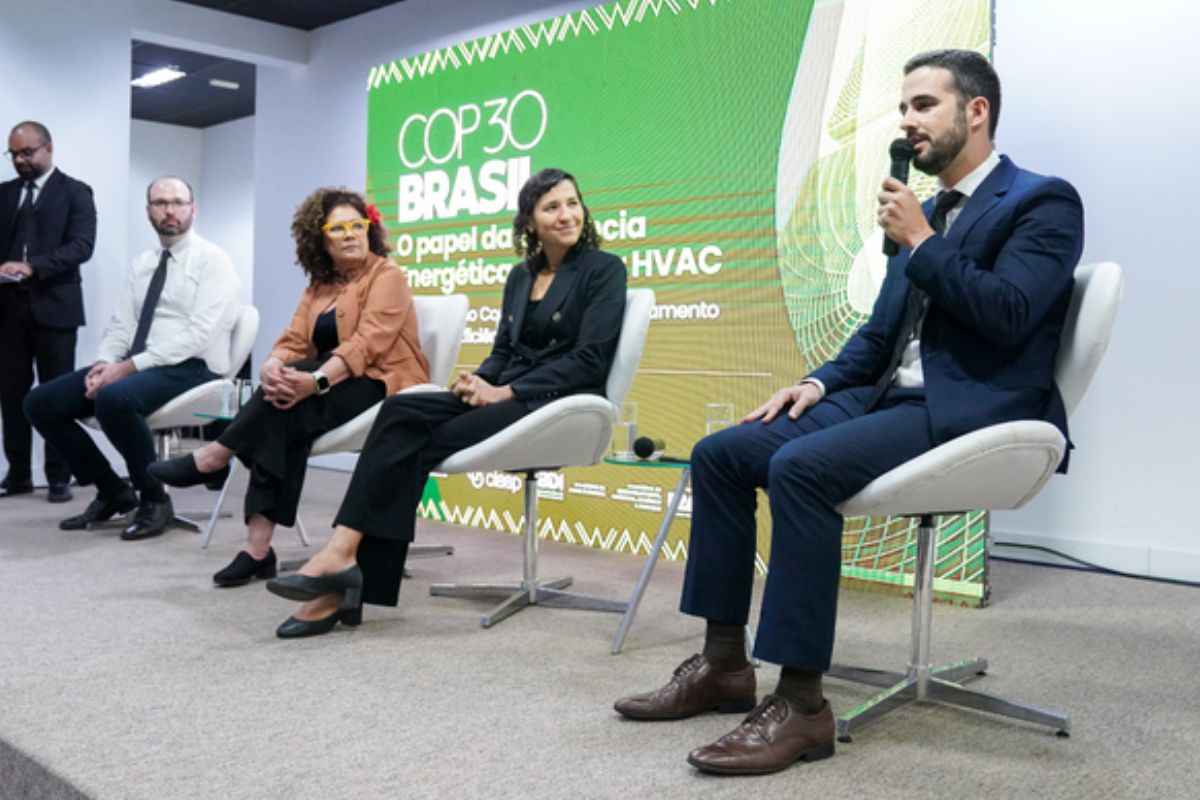
The Seminar in Brasília Highlighted How Energy Efficiency in Brazil and the New HVAC-R Industry Committee Strengthen Industrial Policies, Technological Innovation, and Sustainability in Air Conditioning and Refrigeration
The energy efficiency in Brazil was the focus of the seminar “Brazil and COP30: The Role of Energy Efficiency in the HVAC-R Sector,” held on October 14, in Brasília, according to an article published.
The event brought together government representatives, international experts, and industry executives to discuss solutions that unite sustainability and competitiveness.
Focusing on air conditioning and refrigeration, the meeting discussed challenges and opportunities of the energy transition, highlighting how well-planned measures can reduce costs and emissions without compromising comfort and productivity.
-
With earth, bamboo, straw, and lime mortar, a specialist builds a house for just over $460 and draws attention for its cost being much lower than traditional construction.

-
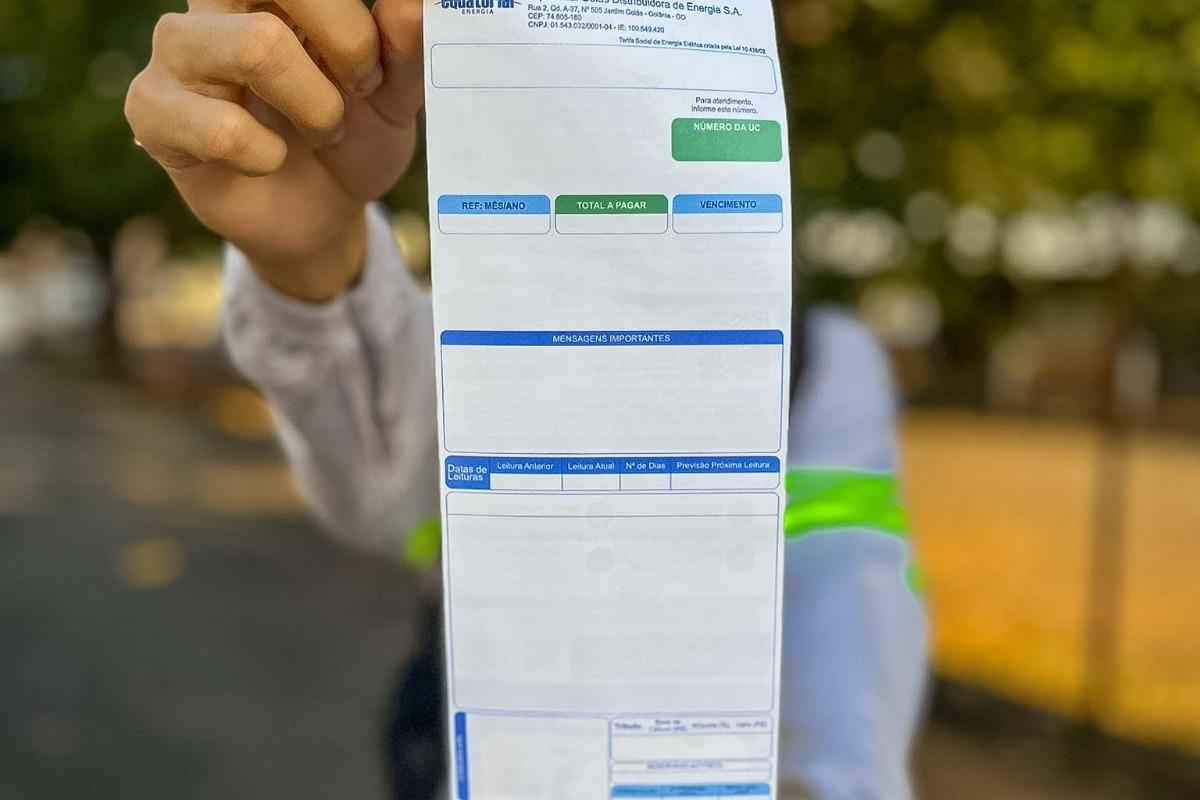
Equatorial adopts new national number for consumer units on electricity bills starting in April, following ANEEL standards and modernizing energy bills in several states.
-
Rodrigo de Freitas Lagoon advances in environmental recovery with sanitation, elimination of irregular sewage, and the resumption of water sports in Rio de Janeiro.

-
The largest South American oil company, Petrobras, is preparing for a historic leap in production with new FPSO platforms and the expansion of refining — projects that could add up to 900,000 barrels per day and strengthen Brazil’s energy security.


The energy efficiency in Brazil was presented as a pillar of modern industrial policy.
Strengthening Sector Policies for HVAC-R and Creation of Strategic Committee
During the event, the Ministry of Mines and Energy (MME), in partnership with the Brazilian Agency for Industrial Development (ABDI) and the international organization Clasp, launched the Energy Efficiency Project Monitoring Committee as an Instrument of Industrial Policy.
The initiative aims to coordinate public and private efforts in favor of energy efficiency in Brazil, promoting integrated actions in the air conditioning and refrigeration sector.
The group will be responsible for proposing technical goals, monitoring indicators, and drafting a commitment letter that may be presented during COP30 in Belém (PA) in November.
The aim is to consolidate a robust regulatory model for industrial policies aligned with sustainability.
Industrial Energy Efficiency Committee and Impact on Residential Consumption
The director of the Department of Information, Studies, and Energy Efficiency of MME, Leandro Andrade, highlighted that the HVAC-R sector (heating, ventilation, air conditioning, and refrigeration) accounts for approximately 10% of electricity consumption in Brazilian households.
This data reinforces the urgency to improve energy efficiency in Brazil. Andrade emphasized that investing in efficient air conditioning is equivalent to adopting the “cheapest fuel,” reducing generation and transmission costs and allowing direct savings for the consumer.
In addition to the financial benefit, the advancement of policies in the sector creates new opportunities for industry and drives qualified jobs in areas of technological innovation.
Energy Transition in Sustainable Air Conditioning and Technological Innovation in the Refrigeration Sector
The general coordinator of Energy Efficiency at MME, Samira Sana, reinforced that energy efficiency in Brazil is directly linked to strengthening a clean and competitive energy matrix.
She highlighted the importance of updating regulations and integrating technological innovation into the HVAC-R sector, pointing sustainable air conditioning as a strategic pathway for national neo-industrialization.
Also participating were Perpétua Almeida (ABDI), Júlia Cruz (MDIC), and Colin Taylor (Clasp), who advocated for policies focused on innovation and reducing production bottlenecks.
At the end of the meeting, the letter of intent was signed, formalizing the new committee and establishing guidelines for a low-carbon economy.
The energy efficiency in Brazil thus consolidates itself as the central axis of the country’s industrial and climate policy, stimulating cooperation among government, industry, and research to transform air conditioning and refrigeration into engines of sustainable development.






Seja o primeiro a reagir!