





 Portuguese
  English
  Spanish
  3 min of reading
  0 comments


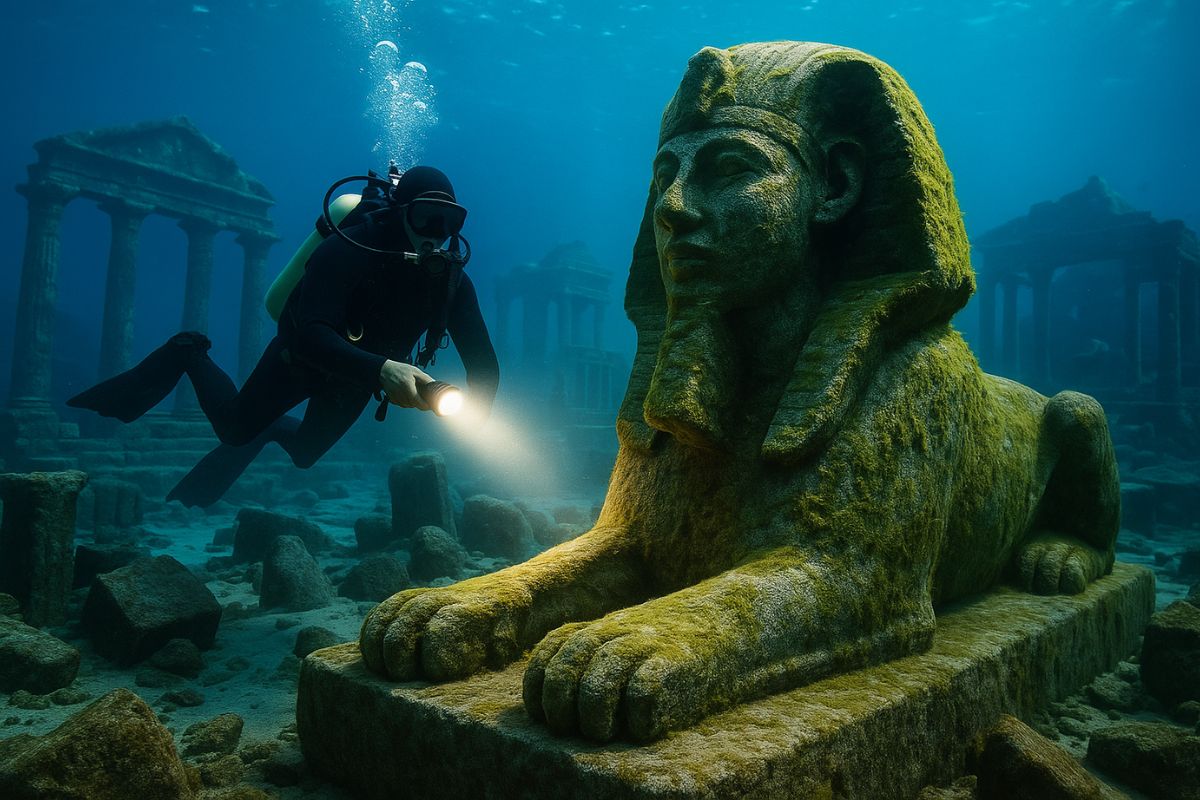
Egypt Discovers Remnants of a Submerged City Over 2,000 Years Old; See Photos. Discovery in Alexandria Unveils Temples, Statues, and Structures Hidden Beneath the Sea for Centuries.
The Egyptian government announced the discovery of remnants of a submerged city over 2,000 years old, located in the Abu Qir Bay, near Alexandria. According to the Estadão, archaeologists have retrieved from the waters statues, buildings, and tombs that help tell the story of an ancient metropolis swallowed by the sea.
Egyptian authorities claim that the area may correspond to the extent of ancient Canopus, one of the most important centers of the Ptolemaic dynasty and later the Roman Empire. With earthquakes and rising sea levels, the city sank along with the nearby port of Heracleion, remaining hidden for centuries until recent dives.
What Was Found on the Seafloor
Divers identified remnants of a submerged city over 2,000 years old that include houses, temples, and even rock-hewn tanks for aquaculture. Storage facilities for potable water were also located, indicating the sophistication of urban planning of the time.
-
The waste that can double a household’s water bill is not in the faucet or the shower; it happens hidden within the walls and can go unnoticed for months, according to sanitation experts.

-
Darkness can surpass light in an optical phenomenon confirmed by scientists, which expands the understanding of relativity and reveals new behaviors of waves in the universe.

-
A Brazilian scientist created a pen that touches human tissue and identifies cancer cells in seconds using a drop of water and artificial intelligence, and Lívia Eberlin’s invention has already been used in over 400 surgeries in the United States and Brazil.

-
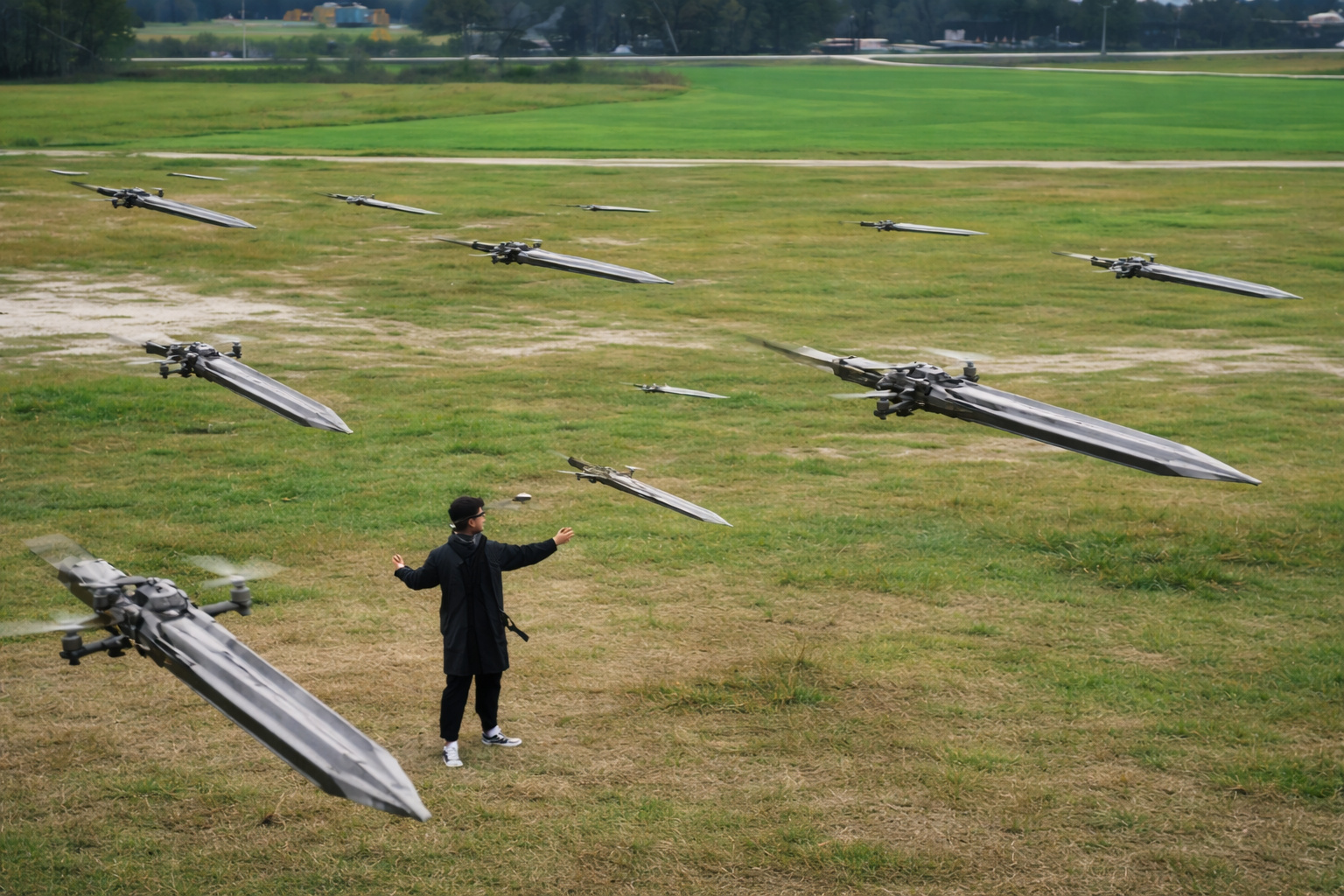
An inventor in China creates flying drones shaped like swords that respond to hand gestures in real time, with technology based on motion sensors transforming interaction into a scene worthy of a movie and redefining the control of machines in the air.

Among the most striking finds are statues of Ramses II, sphinxes, and merchant ships, as well as stone anchors and remains of an ancient 125-meter-long dock. The materials confirm that the city held great commercial and religious significance both during the Ptolemaic period and under Roman rule.
The Challenge of Archaeological Preservation

Authorities explained that only selected pieces can be removed from the water, according to technical preservation criteria. “The rest will remain an integral part of our underwater heritage,” stated Tourism and Antiquities Minister Sherif Fathi.
This limitation emphasizes that the remnants of a submerged city over 2,000 years old are not just being retrieved for exhibition, but also preserved in their original environment as living archaeological heritage. The wealth of the site makes Alexandria one of the most valuable areas for studies of Antiquity.
Alexandria Under Threat from the Sea
The paradox is that the same water that submerged Canopus and Heracleion threatens Alexandria today. Studies indicate that the coastal city is sinking more than three millimeters per year, being among the regions most vulnerable to rising sea levels due to climate change.
For experts, the remnants of a submerged city over 2,000 years old also serve as a warning: the same process that destroyed urban centers in the past may risk cultural heritage and modern life in Egyptian coastal areas in the near future.
The discovery of the remnants of a submerged city over 2,000 years old is a milestone for archaeology, but it also raises concerns about the impacts of climate change in the present. If entire cities sank in the past, what does the future hold for today’s coastal metropolises?
Do you believe that humanity is prepared to deal with the climate risks that have already affected ancient civilizations? Share your opinion in the comments—we want to know your thoughts on the parallel between past and present.






-

-

2 pessoas reagiram a isso.