





 Portuguese
  English
  Spanish
  3 min of reading
  25 comments


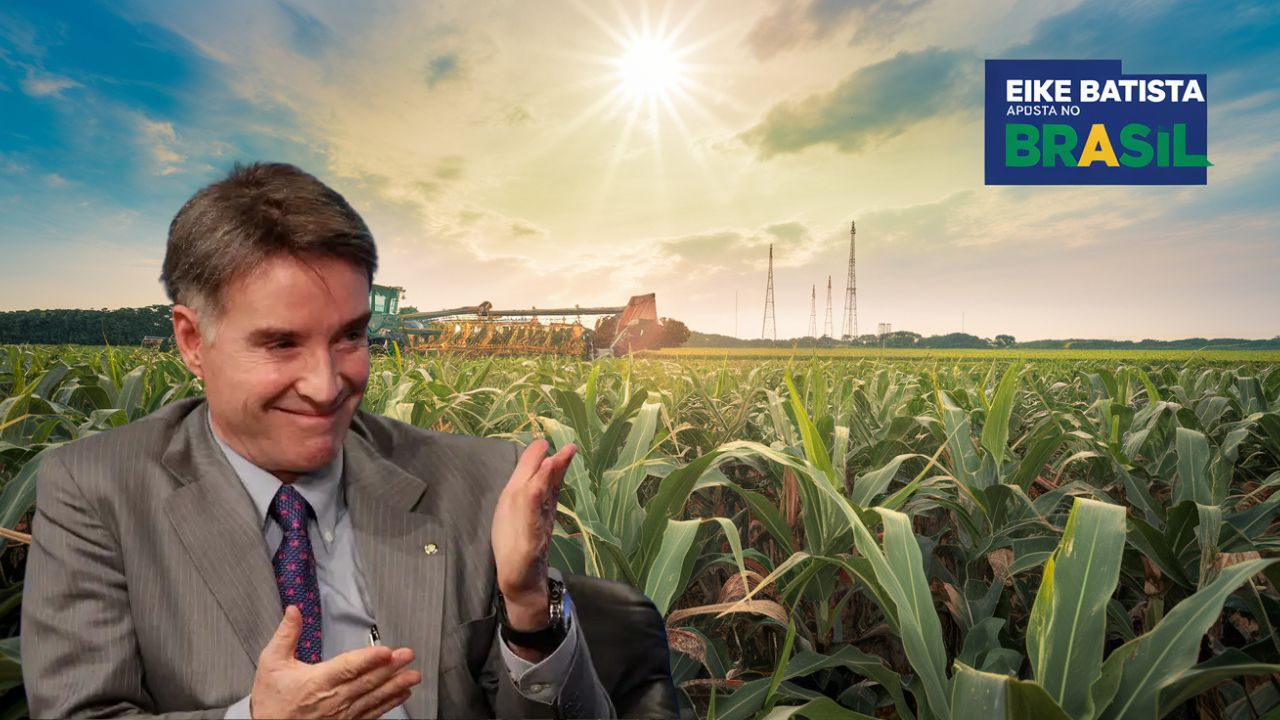


With Productivity 2 Times Higher Than Traditional Sugar Cane, Eike Batista Aims for 100 Billion Liters of Ethanol and Bets on Sustainable Fuels to Lead the Global Energy Market.
Eike Batista, a name that was once synonymous with success and large ventures in Brazil, is back on the economic scene. Known for both his meteoric rise and impressive fall, he now presents an audacious proposal that could revolutionize the energy market. His new bet? Genetically modified sugar cane, an innovation that promises to transform the production of biofuels and bring billions to the market. Is this the move Eike needed to recover his fortune?
What Is Genetically Modified Sugar Cane and Why Is It Innovative?
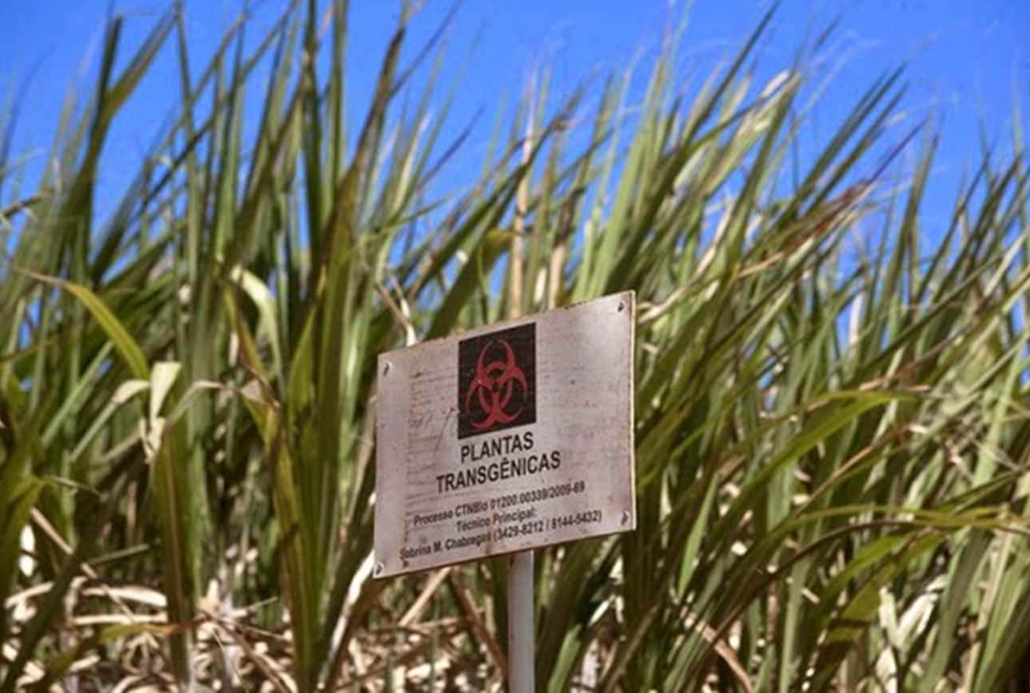
Genetically modified sugar cane, developed by agronomist Sizuo Matsuoka, stands out for its surprising productivity. While conventional sugar cane produces about 180 tons per hectare, the genetically modified version reaches an impressive 354 tons per hectare, these figures were published by the Brasil Financeiro portal. This means nearly double the production on the same cultivated area.
With this capacity, Brazil could significantly increase ethanol production, reaching 100 billion liters, especially with Eike Batista’s investments. Currently, conventional sugar cane plantations occupy approximately 5.5 million hectares. With the genetically modified version, the country could optimize its plantations and produce more in less space.
-
Brazilian city bets on the business environment to generate jobs and attract investments in the energy sector — secretary reveals strategy at Macaé Energy 2026.

-
50 viaducts, 4 tunnels, 28 bridges, and 40 kilometers of bike paths: BR-262 in Espírito Santo will receive 8.6 billion reais for the largest engineering project in the state’s history, inspired by the Immigrant Highway in São Paulo.

-
Brazil produces too much clean energy and doesn’t know what to do with it: over 20% of solar and wind capacity was wasted in 2025 while investors flee and 509 renewable generation projects were abandoned in the last year.

-
Piauí will produce a new fuel that replaces diesel without needing to change anything in the truck’s engine and reduces pollutant gas emissions by half: truck drivers from all over the Northeast are already celebrating the news that will arrive later this decade.


In addition to ethanol production, genetically modified sugar cane brings opportunities in other sectors. Its use in paper production and plastic substitution positions this technology as a milestone in sustainable industry. This diversification potential could generate new productive chains, boosting the market.
Eike Batista and His Vision on Biofuels
Eike Batista sees the biofuel industry as a unique opportunity for Brazil to consolidate itself as a global reference. In particular, he highlights SAF (sustainable aviation fuel) as a crucial alternative for the future of aviation and for decarbonizing the aviation sector.
SAF is an essential biofuel to reduce carbon emissions from airlines. With genetically modified sugar cane, Brazil could become a strategic supplier of this sustainable solution, meeting the growing global demand for clean fuels.
Besides ethanol and SAF, genetically modified sugar cane offers possibilities in various industries. Whether in paper production, plastic substitution, or other materials, the versatility of this technology could positively impact sectors seeking more eco-friendly alternatives.
Impact on Brazil and the Global Energy Market
Brazil, which is already a world power in sugar cane production, can benefit even more from this technology and investments from entrepreneur Eike Batista. Unlike the United States, where corn competes with food crops, Brazil has ideal conditions to cultivate sugar cane without compromising food production. This strategically positions Brazil in the global biofuel market.
Genetically modified sugar cane could boost the energy sector, reducing dependence on fossil fuels and promoting a greener and more sustainable economy.
Challenges and Opportunities of Eike Batista’s New Bet
Like any ambitious project, challenges exist. The acceptance of genetically modified products still faces resistance in some markets, and implementing new technologies requires investments and adaptations in the agricultural sector. However, the economic and environmental benefits could outweigh these obstacles.
Brazil has a unique opportunity to lead the global market for biofuels and establish itself as a reference in sustainable energy transition. Eike Batista’s project not only brings hope for his financial recovery but also represents an important step towards innovation in the country.
Eike Batista once again bets on a disruptive idea. With genetically modified sugar cane, he envisions a future where Brazil can enhance its leadership in the renewable energy market while reducing environmental impacts and opening doors to new economic opportunities.









Isso é um 171 daqueles,,, marketing de cana com foto de milho…
****!
Muitos que chegaram ao topo. Várias vezes caíram. Se essa proposta for realista. O agro só teria a ganhar. Vamos esperar os próximos capítulos!
Realmente o cara não para se deu errado uma vez deve tentar novamente com certeza os fracasso são aprendizados novos caminhos devem ser explorados oque seria da humanidade se não existisse a insistência e coragem rogo para que dê certo “desistir nunca render se jamais”